From Helmet Safety to Clean Water: How Motorcycle Manufacturers Are Expanding Their Community Impact

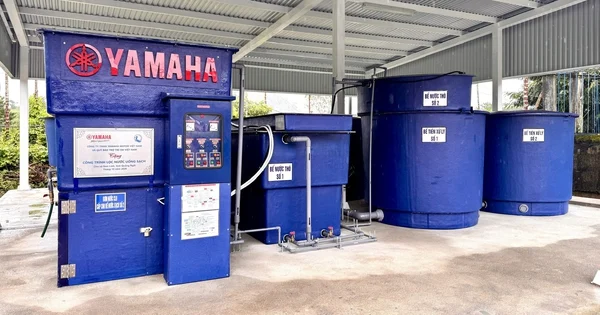
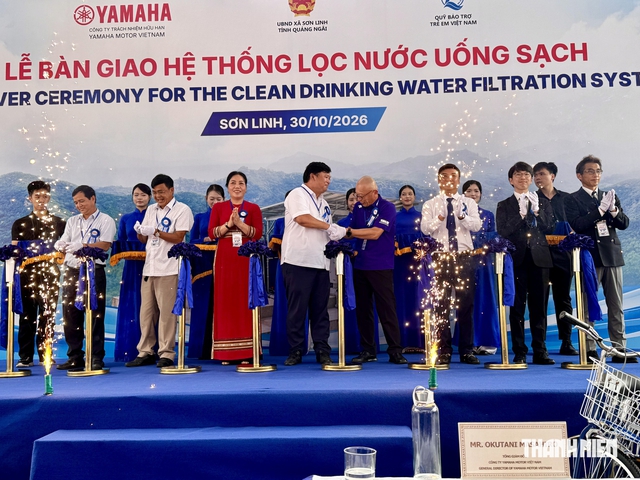
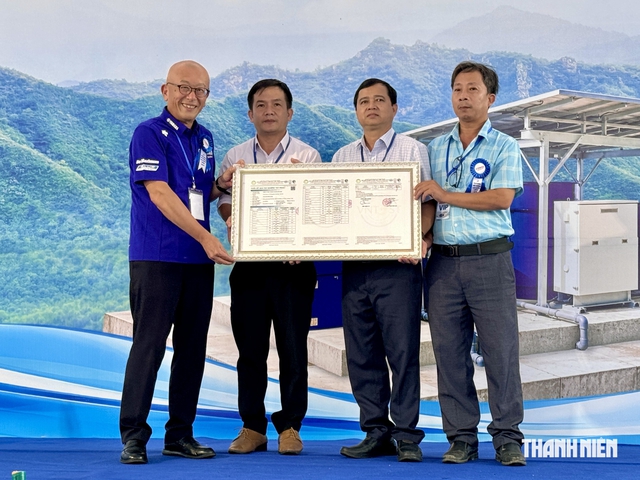
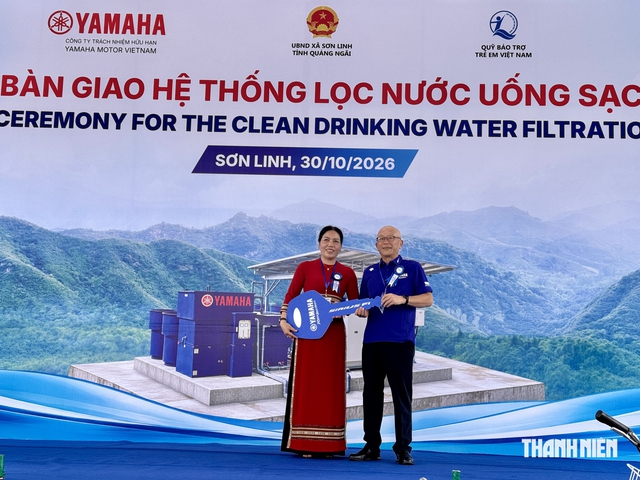
On October 30, 2026, Yamaha Motor Vietnam officially handed over a sophisticated clean water filtration system to the residents of Son Linh commune, located in the mountainous region of Quang Ngai province. This initiative marks a significant strategic pivot for the company, moving beyond its traditional corporate social responsibility (CSR) focus on traffic safety and educational sports programs to address critical infrastructure needs in underserved rural areas. The project, which serves as a model for sustainable community development, underscores a growing trend among major automotive players in Vietnam to integrate long-term social value into their business operations.
The Son Linh Clean Water Initiative: A Technological Approach
The infrastructure project in Son Linh was established through a partnership agreement signed on March 18, 2026, between Yamaha Motor Vietnam and the National Fund for Vietnamese Children. With an investment of approximately 3 billion VND, the project reflects a shift from simple, one-time material donations to the creation of permanent utility systems.
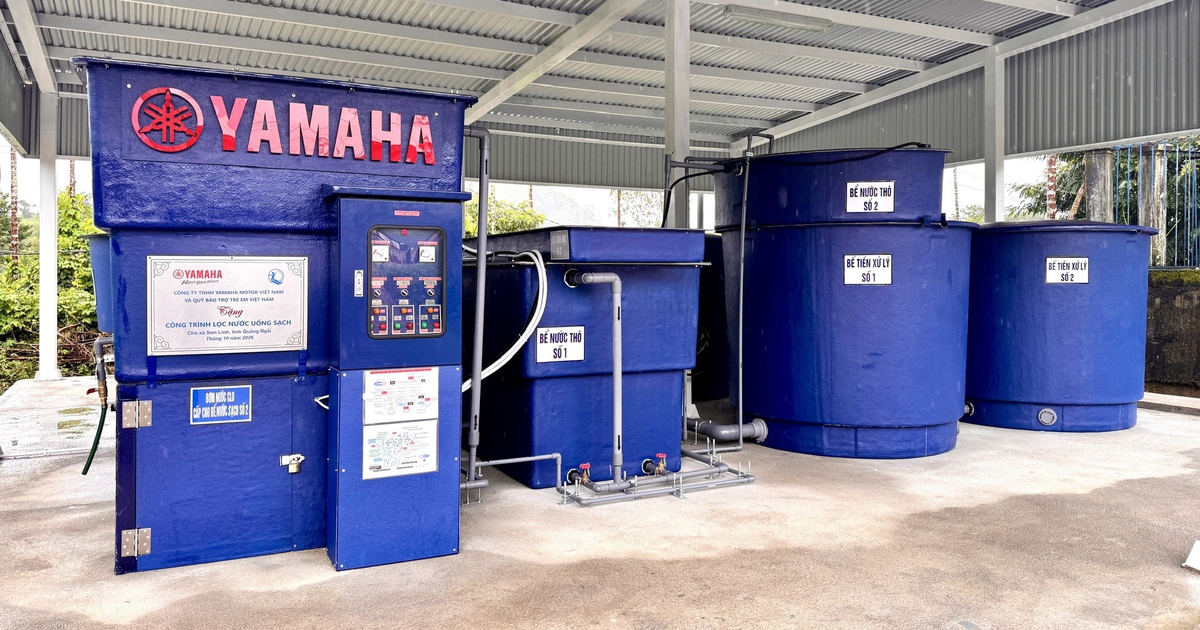
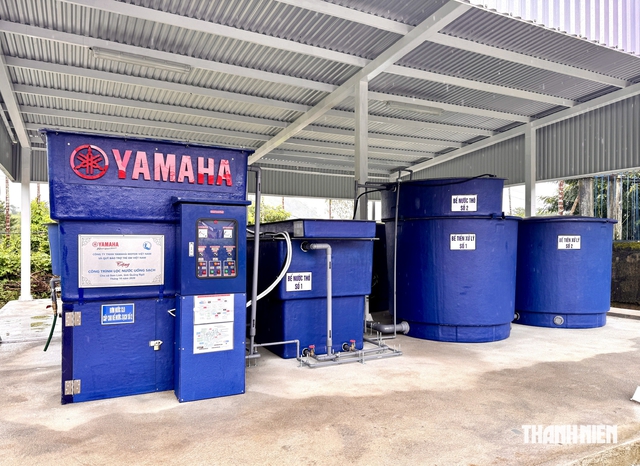
The facility utilizes the Yamaha YCW-008A filtration system, a specialized technological solution designed to operate efficiently in rural environments. The system employs a multi-stage filtration process, combining sediment filtration, sand and gravel bed filtration, biological treatment, and final chlorination to ensure the output meets stringent safety standards for drinking water. According to official technical specifications, the unit has a design capacity of 8,000 liters per day, providing adequate clean water for approximately 2,000 residents. By streamlining the mechanical components, Yamaha has ensured that local authorities can manage the system with minimal technical complexity, fostering long-term sustainability.
Chronology of the Partnership and Implementation
The timeline of the Son Linh project illustrates the methodical approach taken by both the corporation and the local government:
- March 18, 2026: The partnership agreement is signed, setting the budget and project scope.
- August 2026: The construction phase begins, involving site preparation and the installation of the Yamaha YCW-008A system.
- October 30, 2026: Official handover ceremony and inauguration of the water system.
- Post-Inauguration: Implementation of a maintenance training program for local staff to ensure the system remains operational for years to come.
During the handover, Mr. Bui Duc That, Secretary of the Party Committee and Chairman of the People’s Council of Son Linh commune, emphasized the life-changing nature of the project. "For a mountainous commune, access to clean, safe drinking water is not just a convenience; it is a fundamental pillar of public health," Mr. That stated. He highlighted that the project’s success would be measured not by the initial investment cost, but by the daily improvement in the quality of life for children and families in the commune.
Beyond the Filter: A Commitment to Long-Term Operations
A critical component of this initiative is the emphasis on post-delivery management. Unlike many corporate donations that lose utility once the initial hardware is installed, Yamaha has integrated a comprehensive maintenance training program. The company has instructed local personnel on the nuances of system operation, routine sterilization, maintenance schedules, and water quality testing. This ensures that the facility does not fall into disrepair, a common pitfall for rural infrastructure projects.
Furthermore, as a gesture of additional support, Yamaha provided two Sirius Fi motorcycles to the Son Linh People’s Committee. These vehicles are intended to facilitate the mobility of local officials in navigating the challenging terrain of the mountainous region to manage community affairs effectively.
Global Context and Historical Evolution of Yamaha’s CSR
While the project in Quang Ngai represents a new chapter for Yamaha in Vietnam, it is rooted in a global strategy that has been evolving for over two decades. According to data from Yamaha Motor global headquarters, the company began developing specialized water filtration systems for regions lacking essential infrastructure in the year 2000. By the end of 2025, Yamaha had successfully deployed 63 such systems across Asia and Africa.
In Vietnam, Yamaha’s previous efforts were primarily concentrated on the "3S" pillars: Sales, Service, and Safety. Notable historical programs include the "Yamaha Kid Donation" initiative, which distributed over 31,300 high-quality helmets to students in Quang Nam and Ba Ria-Vung Tau in 2017. Additionally, the company has long sponsored the U13 Yamaha Cup, a national youth football tournament that draws participation from dozens of teams annually. The shift toward water infrastructure suggests that the company is diversifying its portfolio to include "essential survival" infrastructure, effectively broadening its brand identity from a vehicle manufacturer to a comprehensive community partner.
The Evolving Landscape of Corporate Social Responsibility in Vietnam
The move by Yamaha is part of a broader trend among motorcycle manufacturers in Vietnam to refine their CSR strategies. As the market reaches maturity, firms are increasingly looking for ways to foster deeper connections with local communities.
Honda Vietnam, for instance, has maintained a dominant presence in the CSR space by focusing on traffic safety education, a sector where it holds deep technical expertise. In September 2026, Honda announced an ambitious plan to donate approximately 1.8 million high-quality helmets to first-grade students across the nation for the 2026–2027 school year. This program, conducted in coordination with the Ministry of Education and Training and the Traffic Police Department, is designed to instill lifelong traffic safety habits from a young age.
Similarly, SYM Vietnam has focused on practical skill-building. In September 2026, the company launched a safety-driving instruction program for approximately 1,270 teachers and students at Vinh Long High School. The program went beyond theoretical instruction, providing hands-on training in navigating traffic hazards and performing emergency maneuvers on a controlled circuit.
Analysis: The Shift Toward Tangible Utility
The fundamental difference between these traditional CSR models and the new water filtration projects lies in the nature of the engagement. Helmet donations and driver training programs are inherently linked to the companies’ core business—motorcycles—and serve to mitigate risks associated with their products.
In contrast, the clean water project in Quang Ngai represents a transition toward "Social Infrastructure Development." This requires a higher degree of commitment:
- Investment Complexity: It involves physical construction, ongoing maintenance, and the legal responsibility of ensuring water quality.
- Sustainability Metrics: Success is defined by the lifespan of the equipment and the health outcomes of the population, rather than the number of units distributed.
- Local Integration: These projects require deep cooperation with local administrative bodies, creating a more symbiotic relationship between the corporation and the local government.
The Implications for Future Community Development
The shift toward more complex infrastructure projects suggests that corporate stakeholders in Vietnam are recognizing that sustainable development requires a multi-faceted approach. By addressing fundamental needs like clean water, companies are not only improving the social welfare of rural populations but are also building a more resilient brand image that resonates with the values of modern consumers.
For local authorities, this collaborative model provides a blueprint for how to bridge the gap between limited local budgets and the necessity of high-quality infrastructure. By partnering with private enterprises that bring both capital and technological expertise, communes can bypass the limitations of traditional state-funded projects.
As of late 2026, the success of the Son Linh project is being closely monitored. If the system continues to operate efficiently, it is highly probable that other manufacturers will look to replicate this model in other provinces. The transformation of corporate philanthropy from simple giveaways to enduring, utility-based infrastructure marks a significant maturity in the business landscape of Vietnam, promising a future where the private sector acts as a cornerstone of rural development.