Bridging the Healthcare Gap: Bringing Cancer Screenings Closer to Vulnerable Women Through Community-Driven Initiatives

Access to specialized healthcare services remains one of the most formidable barriers for women residing in remote, rural, and economically disadvantaged regions across developing nations. While modern medicine has made extraordinary leaps in the early detection and treatment of various malignancies, geographic isolation, financial constraints, and deeply ingrained cultural stigmas often relegate preventative healthcare to the absolute bottom of many women’s priorities. Addressing these deep-seated disparities requires a concerted, multi-sectoral approach that combines public health initiatives, innovative financing, and community engagement to bring medical interventions directly to those who need them most.
The Stark Reality of Healthcare Disparities in Early Detection
According to data compiled by health programs under the Ministry of Health, preventative screening metrics highlight a profound urban-rural divide. By 2020, only 28.2 percent of women aged 30 to 49 had undergone cervical cancer screenings. Proactive screening for breast cancer remains similarly restricted, with approximately 18.8 percent of women performing monthly self-examinations and just 22.4 percent receiving clinical breast exams.
Furthermore, the rates of mammography drop precipitously outside major metropolitan areas. Rural populations experience significantly lower screening frequencies, with the disparity becoming acute in remote mountainous regions and among ethnic minority communities. For women living in these underserved zones, the physical distance to medical facilities, out-of-pocket transportation costs, and cultural hesitations regarding reproductive health create a complex web of obstacles that discourage preventive care.
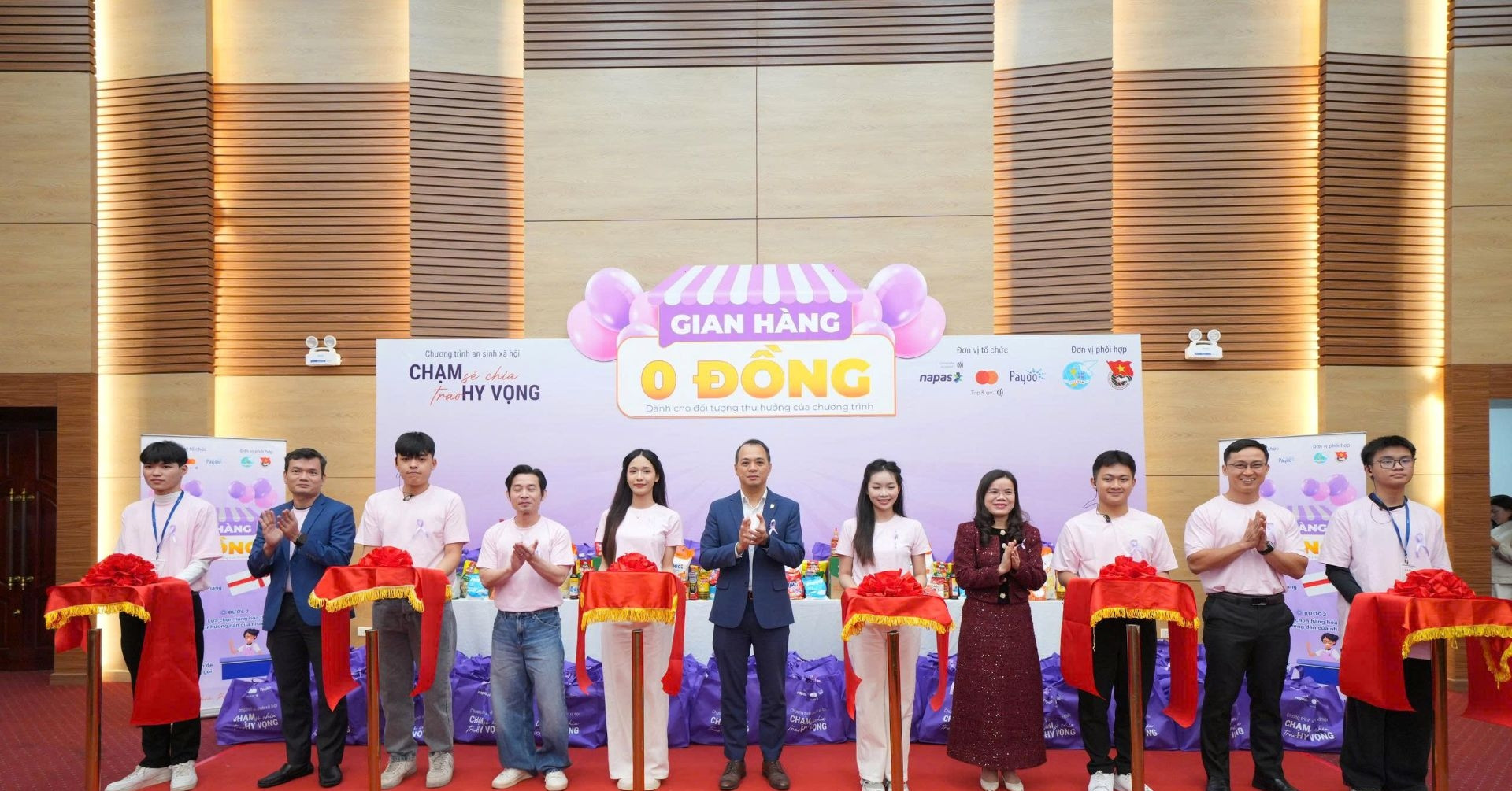
To combat these challenges, comprehensive corporate social responsibility (CSR) initiatives such as the "Tap to Share, Pass Hope 2026" campaign have emerged. Operating under the guiding philosophy of bringing screening opportunities directly to where women live—rather than forcing them to surmount insurmountable barriers—these programs aim to fundamentally alter public health delivery. Under the 2026 framework, participating women receive screenings for three of the most prevalent and treatable cancers: breast cancer, ovarian cancer, and cervical cancer. Beyond the medical examinations, the initiative alleviates logistical burdens by subsidizing local transportation costs and distributing essential provisions to encourage active participation.
Micro-Contributions and Everyday Transactions as Catalysts for Social Good
A defining characteristic of modern philanthropic initiatives is their seamless integration into the daily habits of the general public. Rather than relying solely on large, centralized corporate donations, contemporary campaigns leverage everyday economic activity to fund public health interventions.
Between September and December 2026, contactless payment transactions made using Mastercard or NAPAS cards across participating retail partners contribute directly to cancer screening funds. For every qualifying transaction at coffee shops, retail stores, and service providers, financial networks allocate specific monetary contributions to the screening fund. Consequently, routine consumer behaviors—such as buying groceries, purchasing morning coffee, or paying utility bills—transform into direct contributions toward women’s healthcare in remote regions.
In parallel, active lifestyle campaigns such as the "Run for Health" initiative harness digital platforms and physical endurance events to generate additional resources. Hosted across universities nationwide and tracked via online platforms over a 60-day period, the initiative converts physical activity into monetary contributions. Completed kilometers in virtual running events and physical participation in campus-based walking and running programs yield proportional donations, effectively merging wellness promotion with social impact.

Expanding Cultural Narratives and Regional Outreach
To foster empathy and deepen public understanding of the socio-economic realities faced by marginalized populations, the 2026 campaign incorporates multimedia storytelling. Documentary films highlighting the daily lives of women in regions such as Tràng An, Ninh Bình, and ethnic minority communities in the Central Highlands are integrated into the program. These visual narratives offer glimpses into local livelihoods, cultural traditions, culinary practices, and regional customs. The culmination of these storytelling efforts will be featured in a dedicated exhibition space during the campaign’s closing symposium in late December 2026.
Stakeholder Perspectives on Cross-Sector Collaboration
The sustained success of such expansive public health campaigns relies heavily on strategic partnerships between financial institutions, technology providers, and healthcare networks. Industry leaders have emphasized the profound implications of aligning corporate objectives with social responsibility.
Mr. Nguyễn Đăng Hùng, Deputy CEO of NAPAS, underscored the philosophy that modern non-cash payment infrastructure should generate tangible community value alongside operational efficiency. By embedding charitable contributions into daily transaction workflows, the financial sector bridges the gap between urban economic activity and rural healthcare needs.
Echoing this sentiment, Mr. Sharad Jain, Country Manager for Mastercard in Vietnam, Cambodia, and Laos, highlighted the compounding impact of collective action. According to Jain, collaborative models embody the corporate ethos of "Doing Well by Doing Good," aligning consumer behavior and commercial partnerships toward a singular humanitarian goal.
Mr. Ngô Trung Lĩnh, CEO of Payoo, noted the evolution of the initiative over the years. What began as an isolated corporate social responsibility pilot among financial institutions has matured into a nationwide movement involving millions of consumers, thousands of merchant acceptance points, academic institutions, running communities, and healthcare providers. This expansion demonstrates how modern financial technology can transcend commercial utility to foster profound social cohesion.
A Four-Year Chronology of Growth and Impact
The journey of the "Tap to Share, Pass Hope" initiative reflects a systematic expansion in geographic reach and operational scale. The initiative originated in 2023 with a grassroots hair-donation drive dedicated to cancer patients in Ho Chi Minh City. Building upon this initial momentum, the 2024 campaign distributed 2,010 subsidized screening packages to economically disadvantaged women across Ho Chi Minh City and Hanoi.
In 2025, the program extended its geographic footprint to industrial and suburban hubs, including Bình Dương, Hưng Yên, and Bắc Ninh. By 2026, the initiative scaled its operations to encompass four distinct geographical regions across the country, ensuring a more balanced distribution of medical resources.

Over four years, thousands of screening packages have been delivered to vulnerable women, funded by millions of micro-transactions. What started as a localized philanthropic effort has progressively evolved into a multi-stakeholder public health coalition. Moving forward, organizers continue to mobilize public participation through micro-donations, physical fitness milestones, and digital awareness sharing. These collective efforts aim to ensure that preventative healthcare is no longer a privilege of geography or wealth, but an accessible right for women across all strata of society.
Related posts: