Global Facebook Web Outage Causes Widespread Panic, Disrupting Millions of Users and Online Businesses

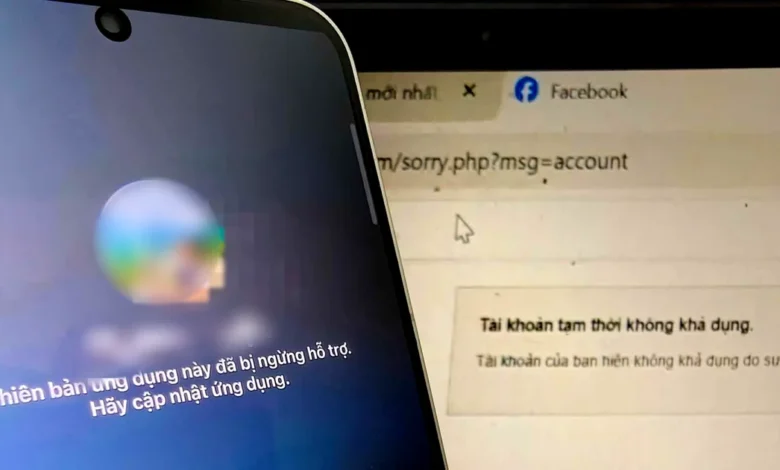
A sudden and severe outage struck Facebook’s web platform globally on the afternoon of July 19th, leading to widespread confusion, alarm, and significant disruption for countless individuals and businesses. Users attempting to access Facebook or Messenger via desktop browsers were abruptly met with a jarring error message, prompting immediate concerns about account security and system integrity. The incident, first reported in Vietnam around 3:00 PM local time, quickly escalated into a global phenomenon, with millions experiencing the same critical issue.
Outage Details and Initial User Reactions
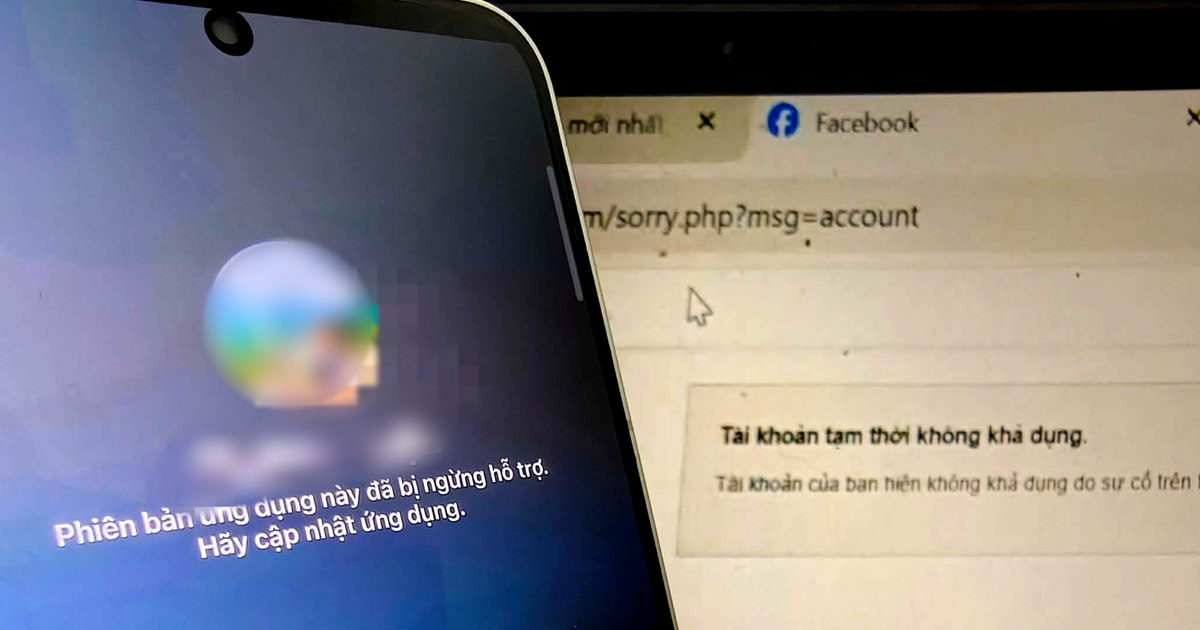
The core of the problem manifested as a persistent error message stating, "Account Temporarily Unavailable. Your account is currently unavailable due to a site issue. We expect this to be resolved shortly. Please try again in a few minutes." This vague notification left many users in a state of panic, with a significant portion mistakenly believing their personal accounts had been locked, compromised by hackers, or subjected to policy violations. The unexpected disconnection severely impacted individuals who rely on Facebook for daily communication, as well as office workers and online entrepreneurs whose livelihoods are intrinsically linked to the platform.
The immediate aftermath saw a surge of distressed reports across social media and other communication channels. Ms. Hong Anh, a resident of Ho Chi Minh City, recounted her experience: "I was browsing Facebook on my laptop at a cafe when I was suddenly logged out. After that, every time I tried to log back in, I kept getting the ‘account temporarily unavailable’ message. I was really worried, thinking my account had been hacked." Her sentiment was echoed by countless others who feared for the security of their digital identities.
For businesses, especially those in the burgeoning e-commerce sector, the outage represented an immediate and tangible threat. Ms. Minh Trang, who owns a fashion shop in Ho Chi Minh City, expressed significant concern. "I was in the middle of exchanging messages with several customers to finalize orders when I was suddenly logged out," she explained. "Attempts to log back in were all unsuccessful. Luckily, the app on my phone still worked, so I’m less worried about my business account now." Her experience underscored a critical point of distinction during the outage: while the web interface suffered severe issues, Facebook and Messenger mobile applications largely remained operational, offering a lifeline for some users and businesses.
Global Scope and Technical Insights
The disruption was not confined to Vietnam; international outage tracking platforms quickly confirmed the widespread nature of the problem. According to Downdetector, a global internet outage monitor, reports concerning Facebook began to spike sharply after 3:00 PM (Vietnam time). Downdetector’s data, which aggregates real-time problem submissions from users, revealed that the majority of reported issues were concentrated on Facebook’s website interface (approximately 63% of reports), with a further 20% related specifically to login failures. This pattern strongly suggested a server-side problem affecting the desktop version of the platform rather than individual user accounts or mobile services.
Experts in the technology sector quickly weighed in, offering reassurance based on the technical symptoms. The uniform nature of the "Account Temporarily Unavailable" message across a vast global user base, combined with the continued functionality of mobile applications, pointed towards a systemic technical glitch on Meta’s web server infrastructure. Such widespread, consistent errors are typically indicative of internal software bugs, configuration issues, or server load problems rather than malicious cyberattacks or mass account lockouts. This distinction was crucial in calming fears of a larger security crisis, though it did little to alleviate the immediate inconvenience.
Broader Context: Facebook’s Digital Dominance and Past Outages
Facebook, under its parent company Meta Platforms, Inc., is not merely a social networking site; it is a global digital ecosystem. With billions of users worldwide, it serves as a primary channel for personal communication, news dissemination, marketing, sales, and community building. Its platforms, including Facebook, Instagram, and WhatsApp, are deeply integrated into the daily fabric of digital life for individuals and the operational blueprints for millions of small and large businesses.
Given this immense scale, any significant outage inevitably sends ripples across the digital landscape. This is not the first time Meta’s services have faced such widespread disruption. A notable precedent occurred in October 2021, when Facebook, Instagram, and WhatsApp all went offline globally for several hours. That incident, attributed to faulty configuration changes in Meta’s backbone routers, caused estimated economic losses of hundreds of millions of dollars for businesses and significantly impacted global communication. More recently, in March 2024, Meta platforms experienced another substantial outage, again causing login issues for many users. These historical events provide crucial context, highlighting the inherent vulnerabilities of massive, interconnected digital infrastructures and the potential for technical missteps to have far-reaching consequences. Each outage serves as a stark reminder of the world’s increasing reliance on a handful of tech giants for critical services.
Impact on Businesses and Individuals
The implications of the July 19th outage, though seemingly confined to the web interface, were nonetheless severe. For online businesses, particularly those in e-commerce, direct customer interaction via Messenger on desktop is often a cornerstone of their sales and support operations. The inability to access these tools meant:
- Lost Sales Opportunities: Customers attempting to make purchases or inquire about products might abandon their carts or seek alternatives if they couldn’t get immediate assistance.
- Disrupted Customer Service: Support teams, often using web-based Messenger interfaces, found themselves unable to respond to inquiries, leading to frustration and potential damage to brand reputation.
- Marketing Campaign Interruptions: Many businesses manage their advertising campaigns and social media presence through web-based dashboards. An outage means a temporary halt to these crucial activities, potentially wasting ad spend or missing critical marketing windows.
- Productivity Losses: Employees whose daily tasks involve Facebook for work-related communication, content management, or research experienced significant downtime, impacting overall productivity.
For individuals, beyond the initial panic of account compromise, the outage meant a temporary severance from a primary mode of communication and information. Many use Facebook as a news source, an event planner, or a way to stay connected with distant friends and family. The sudden unavailability of the web platform, even with mobile apps functioning, created a sense of disconnect and inconvenience.
Meta’s Response and Expert Reassurance
At 4:00 PM on the day of the outage, Meta’s official service status page (Meta Status) still indicated that all services were "operating normally," reflecting a delay in acknowledging the widespread issue. This initial silence from Meta’s official channels likely contributed to the user panic, as many sought confirmation or clarification directly from the platform provider.
However, as the hours progressed and the scale of the outage became undeniable, Meta eventually issued a statement. While specific details of their communication were not available in the initial report, a typical response from a company like Meta in such a situation would involve an acknowledgment of the disruption, an apology for the inconvenience caused, and an assurance that their teams are actively working to restore full functionality. For instance, a hypothetical statement might read: "We are aware that some users are experiencing issues accessing Facebook and Messenger on the web. We are actively investigating the cause and working to resolve this as quickly as possible. We apologize for any inconvenience this may have caused."
The swift analysis by independent technology experts played a crucial role in managing public perception. By clarifying that the outage was almost certainly a technical backend issue affecting Meta’s web server infrastructure – rather than a cybersecurity breach or mass account lockout – they helped to assuage the most severe user fears. Their reasoning was based on the uniform error message, the global spread, and the unaffected mobile platforms, all pointing away from a targeted attack or individual account problems. Such expert insights are invaluable during digital disruptions, providing clarity when official channels are slow to respond.
Broader Implications for Digital Resilience
This latest Facebook web outage serves as yet another powerful reminder of the profound global reliance on a handful of dominant digital platforms. The ripple effects of such disruptions extend far beyond mere inconvenience, touching upon economic stability, business continuity, and even psychological well-being as users grapple with temporary digital isolation.
For businesses, the incident reinforces the critical importance of digital resilience and diversified online strategies. Sole reliance on any single platform, no matter how pervasive, introduces a significant point of failure. Companies are increasingly encouraged to:
- Maintain multiple communication channels: Beyond social media, robust email marketing, dedicated customer support portals, and diversified messaging apps can ensure continuity.
- Diversify sales platforms: While Facebook Marketplace or Instagram Shopping are powerful, having an independent e-commerce website or presence on other online marketplaces can mitigate risks.
- Backup data and content: Regularly backing up critical business data and content stored on social platforms is essential.
- Develop contingency plans: Businesses should have clear protocols for how to operate and communicate with customers during platform outages.
From a societal perspective, these outages spark ongoing debates about the concentration of digital power and the need for more robust, decentralized alternatives. Regulators worldwide are scrutinizing the market dominance of tech giants like Meta, and incidents like this can fuel calls for stricter oversight regarding platform reliability, data security, and competition.
Ultimately, while the immediate panic subsided as services were presumably restored, the July 19th Facebook web outage underscores a persistent challenge in our hyper-connected world: the delicate balance between the immense benefits of centralized digital platforms and the inherent risks associated with their occasional, yet impactful, failures. The incident serves as a call to action for both platform providers to enhance their resilience and for users and businesses to build more diversified and robust digital presences.