High blood pressure, or hypertension, remains one of the most critical public health challenges globally, often dubbed the "silent killer" because it frequently presents no symptoms until severe complications arise. According to the World Health Organization (WHO), an estimated 1.28 billion adults aged 30–79 years worldwide suffer from hypertension, with a significant majority residing in low- and middle-income countries. Managing this condition is a multidimensional effort, requiring consistent medical supervision, physical activity, and, most importantly, a structured dietary regimen. Dietary modifications, particularly the reduction of sodium and the incorporation of nutrient-dense whole foods, are cornerstones of cardiovascular health.
The Physiology of Hypertension and Dietary Intervention
Hypertension occurs when the force of blood against the artery walls is consistently too high. Over time, this pressure damages the delicate lining of the blood vessels, leading to cardiovascular diseases, strokes, and kidney failure. While pharmacological interventions are often necessary, clinical research consistently underscores the efficacy of lifestyle adjustments. The Dietary Approaches to Stop Hypertension (DASH) diet, for instance, has been scientifically validated as a gold-standard approach to lowering blood pressure through the intake of potassium, magnesium, calcium, and dietary fiber.

Essential Food Groups for Cardiovascular Management
Recent nutritional studies have identified specific categories of food that facilitate the regulation of arterial pressure through various biochemical pathways.
Omega-3 Fatty Acids and Fatty Fish
Fatty fish—such as salmon, mackerel, sardines, and anchovies—serve as primary sources of omega-3 fatty acids, specifically eicosapentaenoic acid (EPA) and docosahexaenoic acid (DHA). These polyunsaturated fats are known to reduce systemic inflammation and decrease the production of oxylipins, which can constrict blood vessels. Clinical data suggests that regular consumption of fatty fish at least twice per week can contribute to a modest reduction in systolic blood pressure. For maximum benefit, these should be prepared through steaming, baking, or grilling, avoiding excessive salt or processed seasonings.
The Allicin Advantage in Garlic
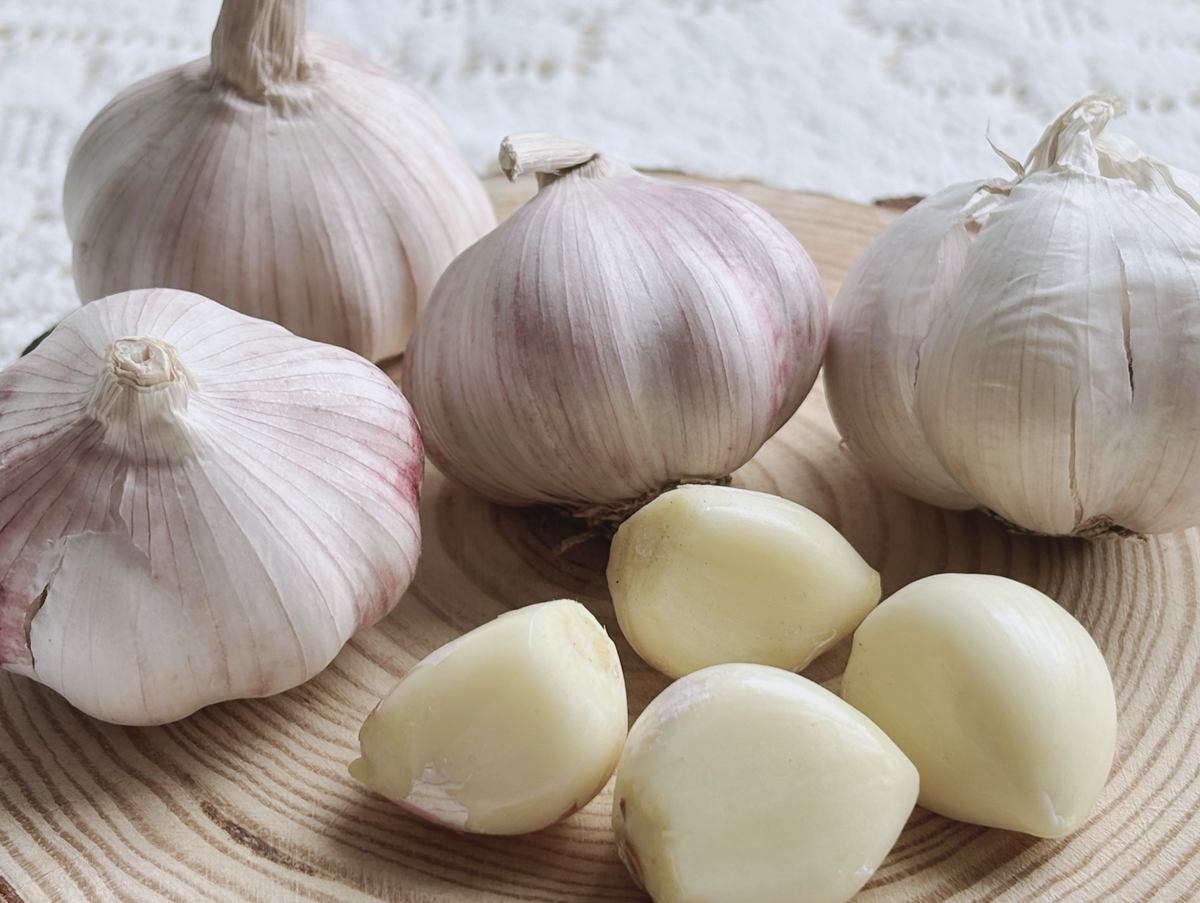
Garlic has been utilized in traditional medicine for centuries, but contemporary science has isolated the specific compound responsible for its cardiovascular benefits: allicin. This sulfur-containing compound promotes the production of nitric oxide, a vasodilator that relaxes smooth muscle in blood vessels, thereby improving blood flow and reducing pressure. While garlic should not replace prescribed antihypertensive medications, it serves as a powerful adjunctive component of a balanced, heart-healthy diet.

Magnesium-Rich Nuts and Seeds
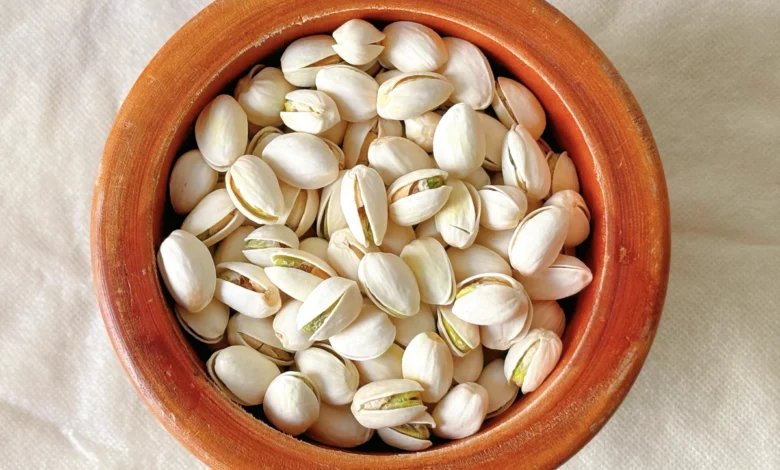
Walnuts, almonds, pistachios, and flaxseeds are dense sources of magnesium, potassium, and fiber. Magnesium plays a critical role in regulating muscle function and arterial tone. A 2026 nutritional meta-analysis indicated that patients who integrated a measured portion of unsalted nuts into their daily diet showed improved endothelial function. It is imperative that these are consumed in their raw or dry-roasted form, as commercial varieties often contain high levels of sodium, which can counteract the blood-pressure-lowering effects.
Flavanols in Dark Chocolate
Dark chocolate, specifically varieties with a cocoa content of 70% or higher, contains high concentrations of flavanols. These plant-based compounds stimulate the endothelium to produce nitric oxide, signaling the arteries to relax. While the evidence is compelling, health professionals emphasize moderation, noting that dark chocolate should be consumed in small quantities to avoid unnecessary caloric intake or sugar consumption, which can negatively affect metabolic health.
Whole Grains for Long-Term Regulation
The shift from refined grains to whole grains—such as oats, brown rice, quinoa, and whole-wheat bread—is essential for long-term hypertension management. Whole grains provide a high concentration of fiber, which helps maintain healthy weight and lipid profiles. By replacing refined carbohydrates, patients can stabilize their glucose levels and reduce the overall systemic stress that contributes to elevated blood pressure.
Chronology of Dietary Research and Policy
The medical consensus on diet and hypertension has evolved significantly over the last three decades. In the late 1990s, the landmark DASH clinical trials provided the first definitive evidence that a diet rich in fruits, vegetables, and low-fat dairy could significantly lower blood pressure without the use of drugs. Since then, global health organizations have adopted these findings into formal guidelines.
- 1997: The initial DASH study results were published, proving that specific dietary patterns reduce hypertension.
- 2010: The American Heart Association began aggressive advocacy for the "Sodium Reduction Initiative," identifying high salt intake as a leading cause of hypertension.
- 2020-2025: Current research has shifted toward personalized nutrition, examining how gut microbiome composition influences the body’s response to dietary nitrates and fiber.
Official Guidelines and Public Health Implications
The consensus among cardiologists and nutritionists is clear: food is the first line of defense. Official recommendations from organizations such as the American Heart Association and the European Society of Cardiology emphasize that dietary changes are not merely preventative but are therapeutic.
For the average patient, the implications are profound. A reduction of sodium intake by just 1,000 mg per day can lead to a significant drop in blood pressure. When combined with the dietary additions mentioned above, the cumulative effect can, for some individuals, reduce the reliance on medication. However, experts warn against the "replacement fallacy"—the belief that diet can entirely replace clinical treatment. Patients with Stage 2 hypertension or those with existing organ damage must continue their prescribed pharmacological regimens under the strict guidance of a physician.

Challenges in Dietary Adherence
Despite the clear benefits, adherence to a heart-healthy diet remains a challenge. Socioeconomic factors often limit access to fresh, high-quality produce and lean proteins. Furthermore, the prevalence of ultra-processed foods—which are notoriously high in sodium and hidden sugars—makes it difficult for the average consumer to maintain a diet that supports cardiovascular health.
Public health policy experts suggest that systemic changes, such as clearer food labeling, taxation on high-sodium processed foods, and subsidies for fresh produce, are necessary to address the broader epidemic of hypertension. As we move through the latter half of the 2020s, the integration of nutritional counseling into routine primary care is becoming an increasing priority for healthcare systems worldwide.
Conclusion
Managing blood pressure is a lifelong commitment that requires a nuanced understanding of nutrition. By focusing on the inclusion of omega-3s, allicin, magnesium, fiber, and flavanols, individuals can take proactive control of their cardiovascular destiny. While the journey to stable blood pressure involves many variables, the kitchen remains the most powerful laboratory for health. As the scientific community continues to uncover the complex relationships between specific compounds and vascular health, the focus remains on the fundamentals: a consistent, balanced, and low-sodium diet, supported by regular medical evaluation.