The rapid acceleration of electric vehicle (EV) adoption across Southeast Asia has prompted major automotive manufacturers to heavily invest in regional charging infrastructure. Among them, Tesla has aggressively expanded its proprietary charging network across three key markets: Thailand, Malaysia, and Singapore. By strategically deploying both ultra-fast direct current (DC) Superchargers and alternating current (AC) Destination Chargers, the American automaker aims to alleviate range anxiety for everyday commuters and long-distance travelers alike, while gradually opening its ecosystem to competing EV brands.
Overview of Tesla’s Regional Infrastructure Strategy
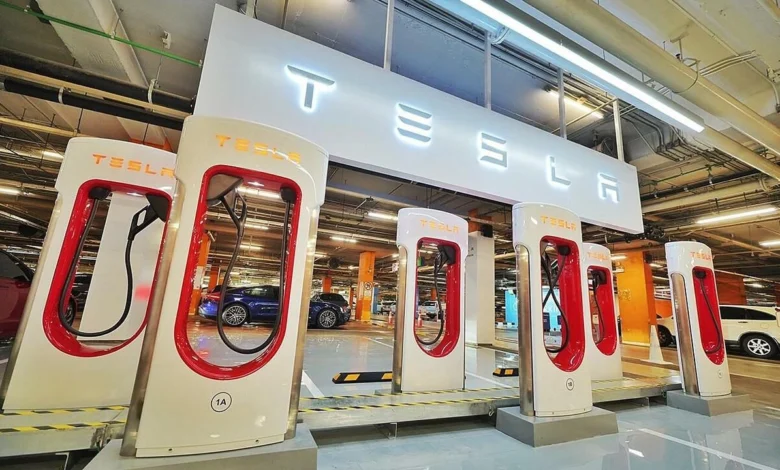
Tesla’s charging ecosystem is divided into two primary categories designed to meet varying user needs. The first is the Supercharger network, which utilizes direct current (DC) technology to deliver maximum power outputs reaching up to 250 kW at numerous locations across the region. These high-capacity chargers are engineered for rapid turnaround times, allowing drivers to substantially replenish their vehicle batteries during brief stops. The second category is Destination Charging, which relies on alternating current (AC) and is typically installed at hotels, resorts, shopping malls, and workplaces. These chargers are tailored for extended parking sessions, making them ideal for overnight stays or lengthy visits.
Navigating and utilizing this network is streamlined through vehicle-integrated navigation systems or the official Tesla mobile application. For Supercharger users, the charging process is automated: drivers simply plug in their vehicles, and the system automatically links to their registered account for seamless per-session billing. When utilizing third-party charging stations, drivers may need to rely on separate applications or alternative payment methods depending on regional provider compatibility.
In a strategic shift toward broader market integration, Tesla has also begun opening select Supercharger locations to non-Tesla electric vehicles in Malaysia and Singapore. However, this interoperability is not yet universally applied across the entire regional network, serving instead as a calculated step toward standardized charging accessibility.
Thailand: Connecting Cities and Intercity Corridors
Thailand has emerged as one of the most dynamic markets for Tesla’s infrastructure expansion, with a strong emphasis on connecting major metropolitan areas and vital intercity travel routes. Data updated through October 2026 indicates that the country hosts approximately 50 Supercharger locations equipped with over 250 individual charging stalls.
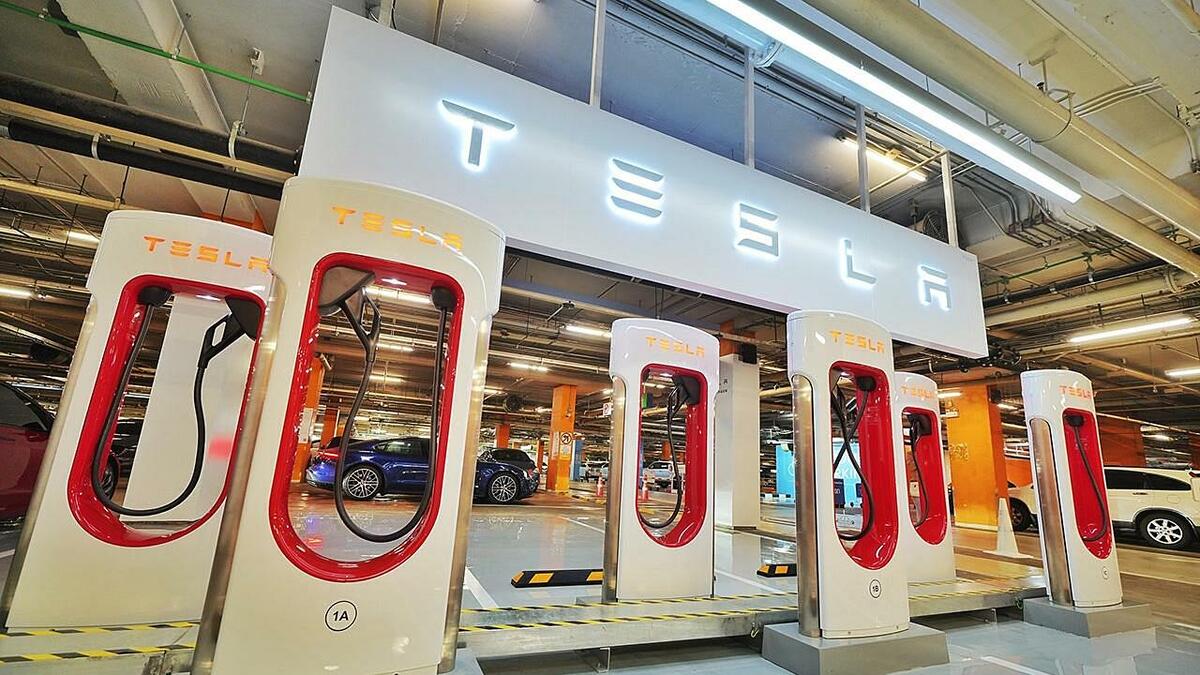
These stations are strategically dispersed across bustling urban centers and major tourist thoroughfares, stretching from Bangkok to Chiang Mai, Chiang Rai, Pattaya, Hua Hin, and numerous other provinces. Tesla consistently positions these high-power terminals within premier shopping complexes, authorized service centers, and key highway rest stops, with many Superchargers capable of delivering peak power outputs of up to 250 kW.
Complementing its DC fast-charging network, Tesla has also established roughly 20 Destination Charging locations featuring approximately 80 AC charging heads throughout Thailand. Furthermore, Thai Tesla owners retain the flexibility to utilize public charging networks managed by other domestic providers, provided their vehicles meet compatible connector standards and communication protocols. For instance, charging networks such as EV Station PluZ offer extensive DC fast-charging infrastructure utilizing the widespread CCS2 plug standard.
Malaysia: Urban Density and Upcoming Corridor Expansions
In Malaysia, Tesla has established a robust charging presence across key economic hubs, including Kuala Lumpur, Penang, and Johor Bahru. Recent operational figures reveal a network comprising 21 Supercharger locations backed by a total of 92 DC fast-charging stalls. Similar to its Thai counterpart, many of these stations deliver maximum power ratings of 250 kW and are situated within upscale shopping malls and commercial service hubs, enabling drivers to recharge their vehicles while shopping or dining. The company’s Destination Charging network in Malaysia encompasses 18 locations with 78 AC charging heads.
Looking ahead, Tesla has announced ambitious plans to bring additional charging locations online before the close of 2026, targeting high-traffic corridors and residential-commercial hubs across Kuala Lumpur, Selangor, Perak, Seremban, and Penang.
Malaysian EV owners also benefit from access to third-party public networks. Notably, Tesla has opened select Malaysian Superchargers—such as the eight-stall, 250 kW station at Pavilion KL—to other EV brands that support the CCS2 connector and meet technical requirements.
Pricing for non-Tesla EVs at these shared stations is set at 1.8 ringgit per kWh (approximately 11,400 Vietnamese Dong). Users can opt for a monthly membership package priced at 50 ringgit (approximately 317,000 Vietnamese Dong) to reduce electricity rates to 1.08 ringgit per kWh (approximately 6,850 Vietnamese Dong). To ensure high turnover and operational efficiency, Tesla enforces idle fees of 2 ringgit per minute (approximately 12,700 Vietnamese Dong) for vehicles that remain parked in charging bays after completing their sessions.
Singapore: High-Density Urban Optimization
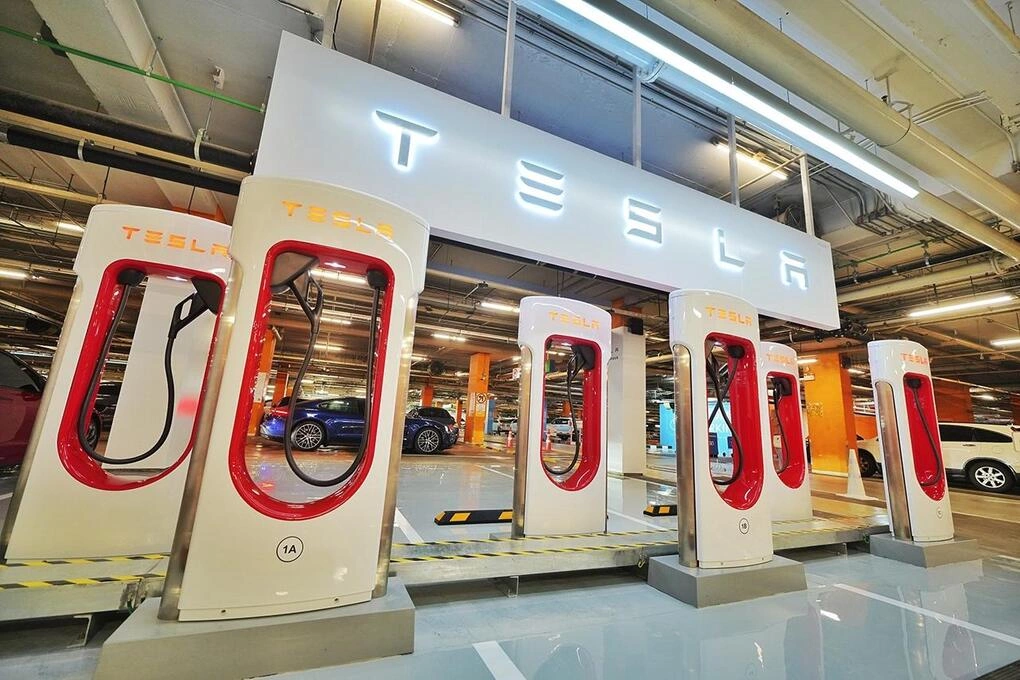
Due to its compact geographical footprint, Singapore requires a specialized approach to charging infrastructure. Tesla has focused its deployment efforts on high-traffic commercial complexes, retail shopping centers, and strategically convenient locations tailored to the daily routines of urban residents.
To date, Tesla’s Singapore network features 19 locations housing 74 Supercharger stalls, with peak power outputs reaching up to 250 kW. Drivers can also utilize seven Destination Charging locations or leverage compatible public chargers operated by third-party energy providers.
In early October 2026, Tesla integrated four Supercharger stalls at Dunearn Village into its cross-brand charging program. Operating 24 hours daily with maximum outputs of 250 kW, this facility applies dynamic pricing: non-Tesla EVs are charged between 0.63 and 0.91 SGD (approximately 12,600 to 18,200 Vietnamese Dong) per kWh depending on the time of day, while Tesla owners pay a discounted rate of 0.47 to 0.67 SGD (approximately 9,400 to 13,400 Vietnamese Dong) per kWh. Non-Tesla drivers utilizing this station must drive a CCS-compatible vehicle, download the Tesla application, register an account, and initiate the charging session digitally.
Implications and Future Outlook
Tesla’s methodical expansion of its charging infrastructure across Thailand, Malaysia, and Singapore underscores a broader industry transition toward electrified mobility in Southeast Asia. By combining proprietary high-speed networks with selective cross-brand compatibility, the company is addressing long-standing consumer apprehensions regarding vehicle range and charging availability.
As regional governments push forward with ambitious carbon-reduction mandates and EV adoption targets, the maturation of cross-border and cross-brand charging standards will likely play a pivotal role in shaping the region’s automotive landscape. The ongoing collaboration between major manufacturers and energy providers signals a maturing market geared toward sustainable, long-term infrastructure growth.