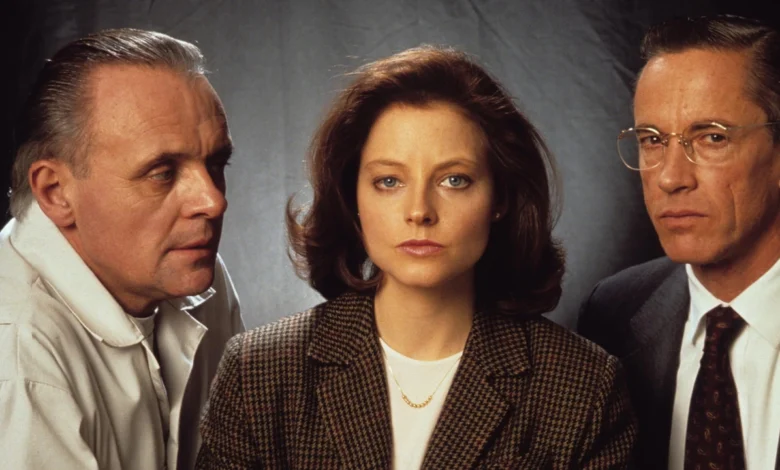
Released in February 1991, The Silence of the Lambs stands as a seminal achievement in cinematic history, a film that defied the mid-winter box office doldrums to become a cultural and critical juggernaut. Directed by Jonathan Demme and adapted from Thomas Harris’s 1988 novel, the film transcended the limitations of the horror-thriller genre to sweep the "Big Five" Academy Awards—Best Picture, Best Director, Best Actor, Best Actress, and Best Adapted Screenplay. Now, thirty-five years after its initial debut, the film remains a masterclass in psychological suspense, currently seeing a resurgence in global markets following a 4K restoration and its recent addition to streaming platforms like Netflix.
The Origins of an Icon
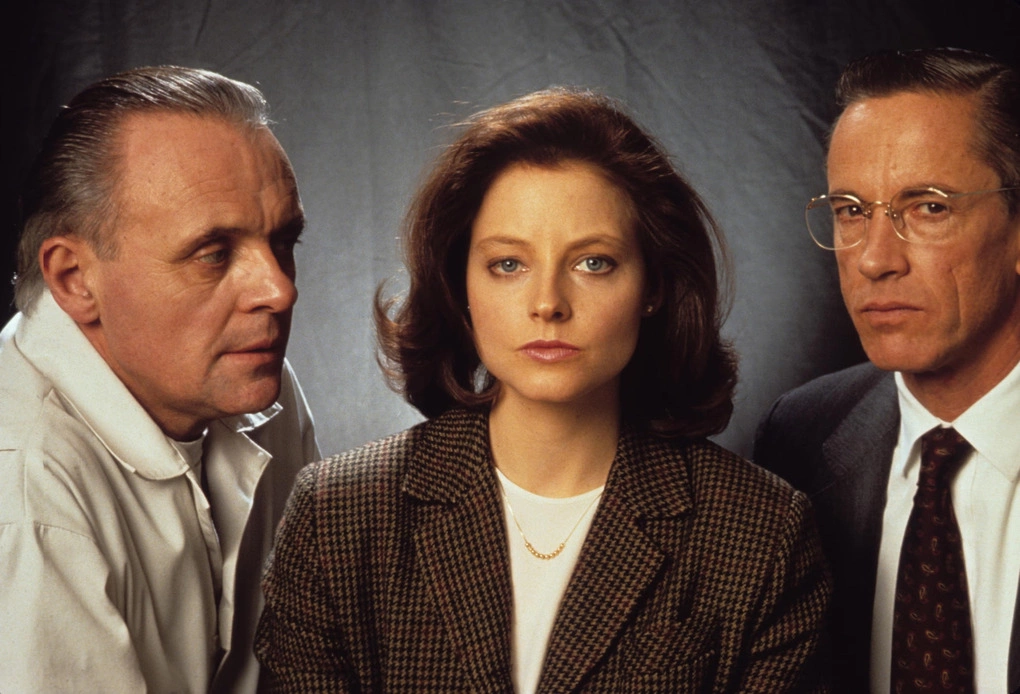
The story follows Clarice Starling (Jodie Foster), a young, ambitious FBI trainee navigating a male-dominated professional environment characterized by intense scrutiny. Starling is tasked by her mentor, Jack Crawford, to interview the incarcerated, brilliant, and cannibalistic psychiatrist Dr. Hannibal Lecter (Anthony Hopkins) to gain insight into the mind of an active serial killer known as Buffalo Bill.
The narrative foundation is built upon Starling’s own unresolved trauma. As a child on a Montana sheep ranch, she was haunted by the cries of lambs being slaughtered. Her desperate, failed attempt to save one of these animals serves as the metaphorical engine for her character’s drive to save innocent victims from Buffalo Bill. This "quid pro quo" dynamic—a trade of personal memories for investigative leads—forces Starling to confront her past to survive her present.
Production and Cinematic Mastery
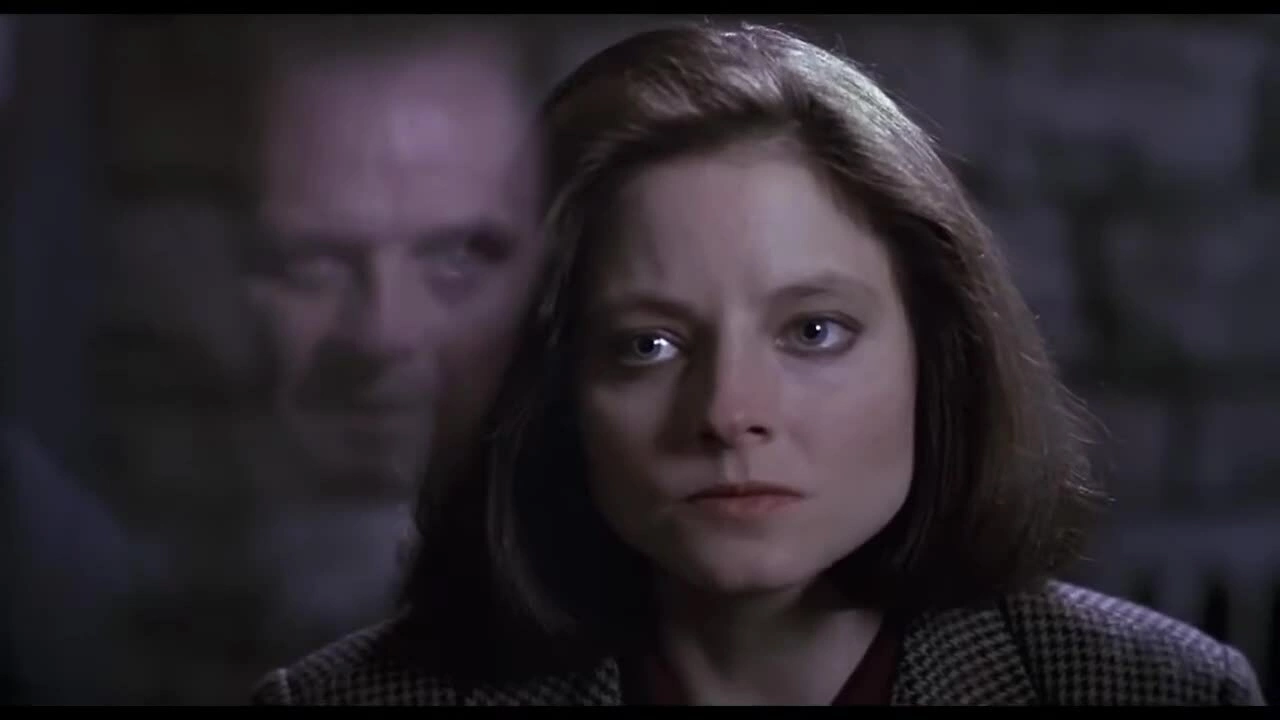
With a modest budget of approximately $19 million, Jonathan Demme’s approach to the psychological thriller was revolutionary. Instead of relying on jump scares, Demme utilized intimate close-ups and unconventional camera techniques. According to film analysis from outlets like No Film School, Hopkins’ performance was heightened by his decision to look directly into the camera lens during his interactions with Clarice, creating a jarring, voyeuristic effect that makes the audience feel as if they are being dissected by the doctor himself. Conversely, Foster’s performance was framed from slightly lower angles, emphasizing her vulnerability and the immense pressure she faces as a woman in a high-stakes investigation.

The film’s sound design acts as an invisible force. The sterile environment of the psychiatric ward is never silent; it is filled with low-frequency drones, dripping water, and the distant, grinding sounds of metal, all of which contribute to a persistent sense of unease. When Lecter speaks, Demme often cuts all ambient sound, leaving only the chilling, calm, and resonant voice of the killer.
Character Archetypes and Performance Techniques
The performances of Anthony Hopkins and Jodie Foster remain the gold standard for dramatic tension. Hopkins, in a role that earned him an Oscar despite having less than 20 minutes of screen time, constructed the character of Lecter using a synthesis of disparate influences. He drew inspiration from the cold, detached nature of the HAL 9000 computer in 2001: A Space Odyssey, the refined, aristocratic vocal delivery of Katharine Hepburn, and the specific intellectual arrogance of Truman Capote. His physical stillness was modeled after Christopher Fettes, a professor at the Royal Academy of Dramatic Art.
Jodie Foster, equally committed, prepared for the role by embedding herself with the FBI, working closely with Special Agent Mary Ann Krause. Foster incorporated the realities of the bureau’s gender dynamics, including moments of profound exhaustion and emotional isolation, into her performance. This grounded approach transformed Starling from a standard cinematic heroine into a three-dimensional figure fighting not just a killer, but a system of systemic bias.
The Anatomy of the Antagonist
The character of Buffalo Bill, portrayed by Ted Levine, was meticulously crafted by combining the traits of three notorious real-life serial killers. From Ted Bundy, the film took the tactic of feigning injury to lure victims into a vehicle; from Ed Gein, it drew the horrifying practice of flaying skin; and from Gary Heidnik, it adopted the concept of an underground dungeon to hold captives.
The film’s visual motifs, particularly the Death’s-head moth featured on the iconic poster, are deeply symbolic. The pattern on the moth’s back is composed of a composite image of women’s bodies taken from Philippe Halsman’s 1951 surrealist photograph In Voluptas Mors. This visual choice serves as a haunting reminder of the victims’ transformation into "prey," reinforcing the film’s central theme of objectification and the fragility of life.
Historical Context and Impact
At the time of its 1991 release, the horror genre was largely dismissed by the Academy of Motion Picture Arts and Sciences. The Silence of the Lambs changed the trajectory of the industry. It was the third film in history to win the "Big Five" Oscars, joining the ranks of It Happened One Night (1934) and One Flew Over the Cuckoo’s Nest (1975). Its success paved the way for subsequent psychological thrillers to be taken seriously as high art, proving that genre films could offer complex, character-driven narratives.
The film’s legacy also extends to the evolution of the "serial killer" trope in media. By focusing on the psychological cat-and-mouse game rather than just the physical violence, Demme set a benchmark for procedural dramas that followed, such as Se7en, The Silence of the Lambs’ spiritual successor in tone and dark aesthetic.
Broader Societal Implications
Beyond its cinematic achievements, the film has been the subject of intense academic analysis regarding its depiction of gender and mental health. The International Psychoanalysis journal has noted that Buffalo Bill’s behaviors, while fictionalized, represent a twisted manifestation of the "death drive," where the killer seeks a distorted form of rebirth through the destruction of others.
However, the film has also faced criticism over the decades regarding its portrayal of marginalized communities, specifically the transgender community. These discussions have remained a vital part of the film’s cultural discourse, prompting audiences to re-evaluate the media they consume through a modern lens. Despite these controversies, the film’s status as a masterpiece of suspense remains unchallenged by critics and historians alike.
The 35-Year Resurgence
The re-release of the film in late 2026, including a 4K restoration, highlights a continuing interest in high-quality genre cinema. The digital remastering has allowed new generations of viewers to experience the meticulous sound mixing and cinematography in a way that was not possible on VHS or standard television broadcasts.
The film’s return to Netflix in various international markets at the end of 2026 served as a reminder of its timelessness. Whether it is the chilling, whispered "Good evening, Clarice" or the haunting final shot of Starling standing at the threshold of her own resilience, The Silence of the Lambs continues to challenge the audience to look into the darkness—not to find monsters, but to understand the capacity for both profound horror and extraordinary strength within the human spirit.
As the industry looks back on the 35 years since the film first terrorized and captivated the world, its impact is undeniable. It remains a rare intersection of mainstream entertainment and avant-garde psychological exploration, a film that refuses to be forgotten, constantly whispering from the depths of its own silence.
Related posts: