Ho Chi Minh City Inaugurates Hong Bang International University Hospital, Expanding Advanced Healthcare and Medical Education Infrastructure

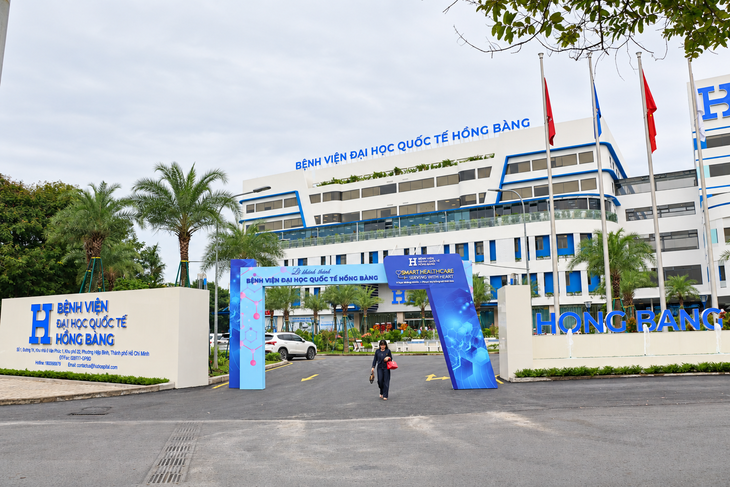
Ho Chi Minh City has officially marked a major milestone in its healthcare and educational sectors with the grand inauguration of the Hong Bang International University Hospital. Situated at No. 1 Street 10, Van Phuc Urban Area, Hiep Binh Ward, the state-of-the-art facility represents a significant leap forward in the city’s strategy to bolster both clinical care and medical training through an integrated "Hospital-University" model. Licensed by the Ministry of Health on June 15, 2026, the hospital has evolved from the former Van Phuc City Hospital, undergoing extensive rebranding, technological overhauls, and structural expansions to meet modern international healthcare standards.
Comprehensive Infrastructure and Scale
Spanning an impressive floor area of 38,000 square meters, the Hong Bang International University Hospital operates with a designed capacity of 350 inpatient beds. The facility is meticulously organized into 28 specialized departments and two distinct technical units, forming a comprehensive ecosystem designed to handle complex medical cases.
The clinical and specialized framework comprises 22 departments covering a wide spectrum of medicine, including emergency care, intensive care units (ICU), cardiology, neurology, stroke treatment, pulmonology, gastroenterology, musculoskeletal medicine, pediatrics, and obstetrics and gynecology. The surgical block is similarly robust, featuring general surgery, orthopedics and traumatology, neurosurgery, gastrointestinal surgery, hepatobiliary-pancreatic surgery, thoracic surgery, vascular surgery, and urology. Additional specialized divisions include rehabilitation, infectious diseases, ophthalmology, otolaryngology, odonto-stomatology, clinical nutrition, and plastic and aesthetic surgery.
Supporting these clinical domains are six preclinical and diagnostic departments, namely diagnostic imaging, functional exploration, laboratory medicine, pharmacy, infection control, and pathology, alongside specialized units dedicated to artificial kidneys and vaccination services.
Cutting-Edge Medical Technology and Advanced Equipment
A core pillar of the newly inaugurated hospital is its heavy investment in advanced medical technology, designed to elevate diagnostic precision and surgical efficacy.
In the surgical department, the hospital has integrated the Siemens C-arm 3D Cios Spin system. This advanced intraoperative imaging device is capable of generating both two-dimensional and three-dimensional scans directly during surgical procedures. By providing real-time anatomical visibility, it grants surgeons exceptional precision when performing complex interventions involving the spine, neurosurgery, and orthopedic trauma. Additionally, the hospital utilizes Navigation robotic technology to assist with surgical planning and spatial orientation during delicate brain and neurological operations.
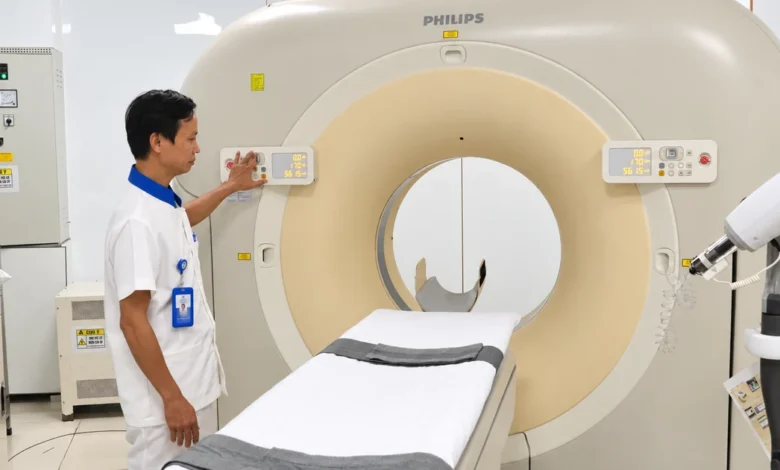
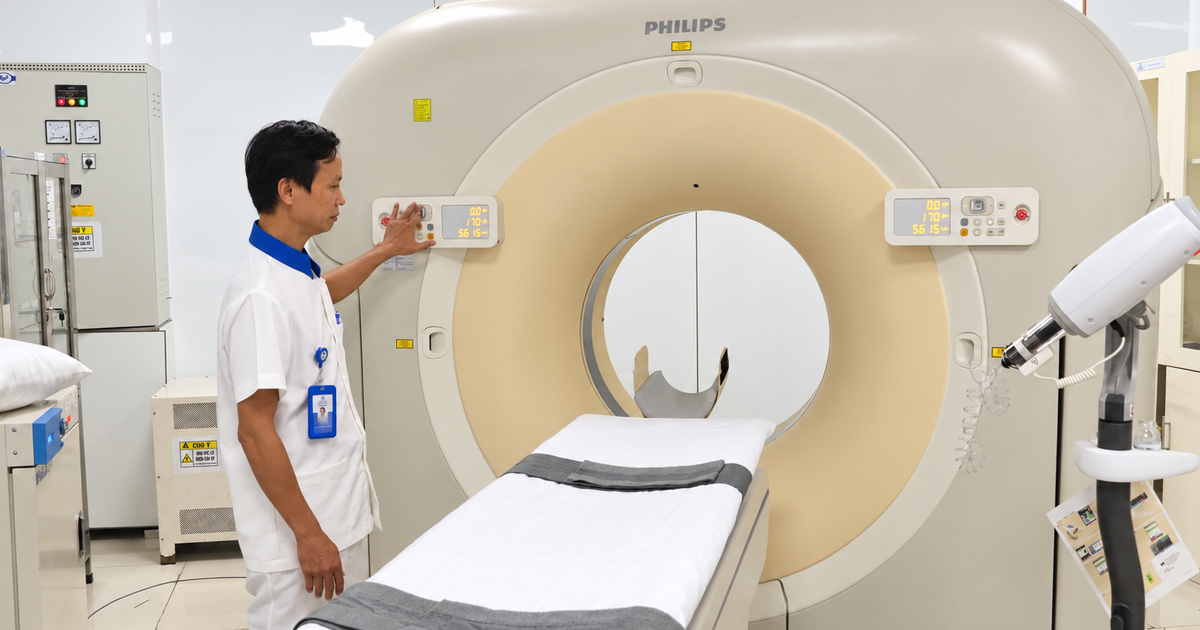
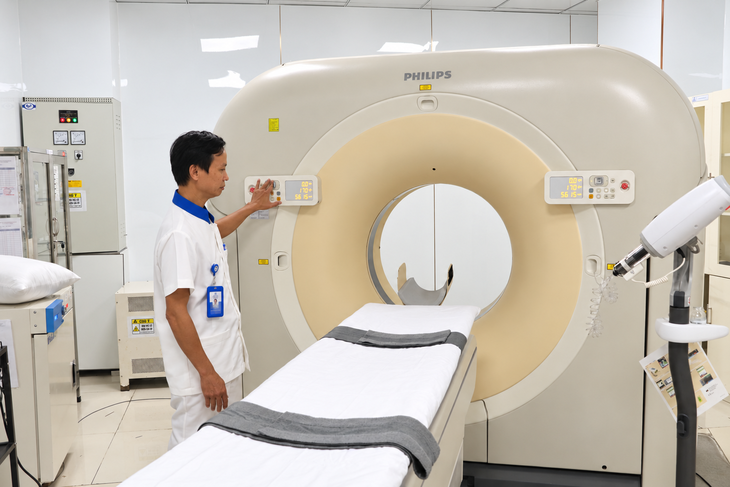
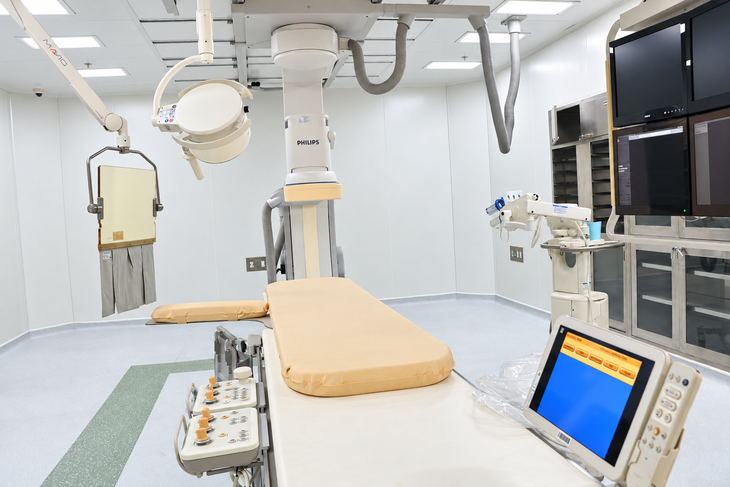
The diagnostic imaging department is anchored by a Philips Ingenuity CT 128-slice computed tomography scanner, boasting a gantry rotation speed of approximately 0.33 seconds and a high spatial resolution down to 0.24 millimeters. This is complemented by a 1.5 Tesla Philips MRI system, advanced ceiling-mounted digital radiography (DR) X-ray systems, bone densitometers, and high-resolution 3D and 4D ultrasound machines. For vascular and neurovascular interventions—such as the emergency treatment of acute ischemic strokes caused by arterial blockages—the facility employs a ceiling-mounted Digital Subtraction Angiography (DSA) system.
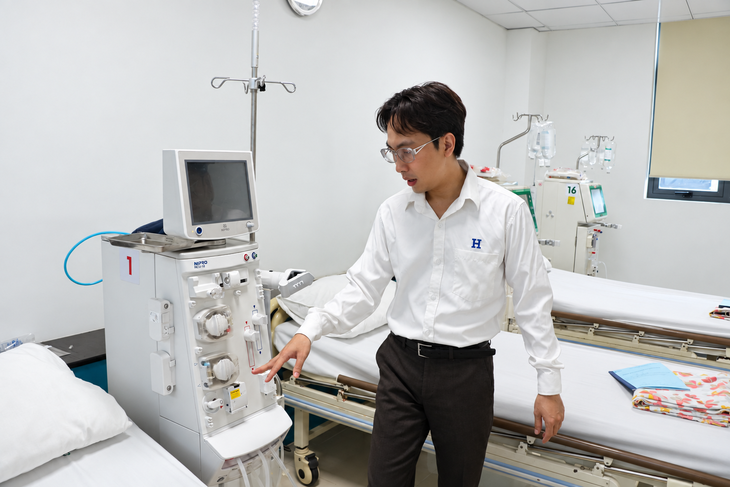
The artificial kidney unit features advanced HDF Online hemodialysis machines, conventional HD dialysis machines, and a CE-certified reverse osmosis (RO) water treatment system, providing optimal filtration and toxin removal for patients suffering from chronic renal failure. Meanwhile, the centralized laboratory is equipped with fully automated analytical chains capable of handling hematology, transfusion science, biochemistry, immunology, microbiology, parasitology, and molecular biology with minimal human intervention.
Strategic Vision: Moving Toward an "AI First Hospital"
Looking to the future, leadership at Hong Bang International University Hospital has outlined an ambitious roadmap to transform the facility into an "AI First Hospital." Under this digital transformation initiative, artificial intelligence and machine learning algorithms will be progressively integrated to streamline patient reception, preliminary medical screening, diagnostic workflows, and post-treatment monitoring.
During the inauguration ceremony, the hospital demonstrated futuristic features such as smart kiosks and intelligent general outpatient examination rooms. While these components represent the facility’s long-term technological trajectory rather than an immediate fully automated operational model, they underscore a commitment to modernizing the patient experience and maximizing operational efficiency through data-driven healthcare solutions.
The Hospital-University Synergy and Clinical Collaborations
Operating under the "Hospital-University" paradigm, the institution functions simultaneously as a premier clinical healthcare provider and an essential practical training ground for health sciences students enrolled at Hong Bang International University. Medical practitioners, university faculty, and clinical experts work collaboratively within its walls, driving academic research, fostering hands-on clinical education, and facilitating the direct transfer of advanced medical techniques.
The facility’s integration into the broader regional healthcare network was further solidified on September 14, 2026, when it was officially approved as a satellite hospital of the University Medical Center HCMC. To foster cross-institutional expertise, Hong Bang International University Hospital has also established professional cooperation agreements with several prominent medical institutions, including Thong Nhat Hospital, Military Hospital 175, the Ho Chi Minh City Oncology Hospital, the Blood Transfusion and Hematology Hospital, and Le Van Thinh Hospital.
Municipal Policy Alignment and the Promotion of Non-Public Healthcare
Speaking at the inauguration ceremony, Nguyen Manh Cuong, Vice Chairman of the Ho Chi Minh City People’s Committee, emphasized the city’s ongoing efforts to refine legal frameworks and administrative mechanisms to support the implementation of the Urban Development Law, which takes effect on October 1, 2026.
Mr. Cuong noted that municipal authorities are actively preparing policies to facilitate medical services for foreign nationals, contract-based public healthcare task assignments, epidemic prevention and control initiatives, public health expansion, and specialized geriatric care. Furthermore, the city is advancing controlled regulatory frameworks—known as controlled sandbox mechanisms—to test innovative, technology-driven healthcare models.
Encouraging the expansion of the non-public healthcare sector, Mr. Cuong urged private hospitals such as Hong Bang International University Hospital to actively participate in developing high-tech, specialized medicine and multi-tiered, multi-center healthcare networks. He highlighted the vital role that private facilities can play in elder care, physical rehabilitation, nursing homes, and welfare support for vulnerable populations, including orphans and individuals with disabilities.
Municipal leadership reaffirmed its commitment to establishing favorable conditions for domestic and international enterprises to invest in Ho Chi Minh City’s health, education, and technology sectors, ensuring sustainable socio-economic development and elevated quality of life for its residents.