Airfare Prices Surge Across Domestic Routes as Demand Climbs for Tet Nguyen Dan 2027 Holiday Travel

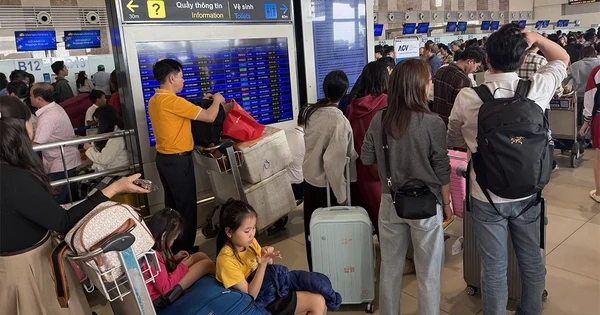
The market for domestic airline tickets during the upcoming Lunar New Year (Tet Nguyen Dan 2027) is experiencing a significant upward trajectory, driven by surging early-bird bookings and a structural imbalance in passenger traffic. Despite airlines introducing millions of seats several months ahead of the traditional peak season, airfares on major routes connecting Ho Chi Minh City to central and northern provinces continue to climb steadily, prompting travel agencies and aviation experts to advise consumers to secure their travel plans well in advance to mitigate rising costs.
Early Booking Trends and Market Dynamics
With approximately three months remaining until the official start of the Lunar New Year celebrations in early February 2027, the domestic aviation landscape has transitioned into a period of high activity. Major carriers initiated the advance sale of Tet flight tickets as early as late August, providing millions of passengers with an initial window of opportunity to plan homecomings, family reunions, and holiday travel. However, following roughly two months of open sales, ticket prices on high-demand corridors have risen notably, reflecting broader economic patterns and supply-demand mechanics typical of Vietnam’s peak travel season.
Market surveys conducted in late October indicate that travelers flying economy class from Ho Chi Minh City to Hanoi for travel on February 3, 2027 (corresponding to the 27th day of the 12th lunar month), face base fares ranging between 3.2 million and 3.8 million Vietnamese dong (VND) for a one-way ticket. Similarly, flights on the Ho Chi Minh City to Da Nang route fluctuate between 2.2 million and 5.7 million VND, depending on the operating carrier and the specific fare class selected.
For flights scheduled on February 4, 2027 (the 28th day of Tet) operated by Vietjet, one-way tickets from Ho Chi Minh City to Hanoi are priced around 3.3 million VND, marking an increase of approximately 500,000 VND compared to initial listings in August. Competing carriers such as Vietravel Airlines and Sun PhuQuoc Airways list equivalent flights between 3.5 million and 3.6 million VND, while flag carrier Vietnam Airlines maintains baseline economy fares starting from 3.7 million VND per one-way journey.
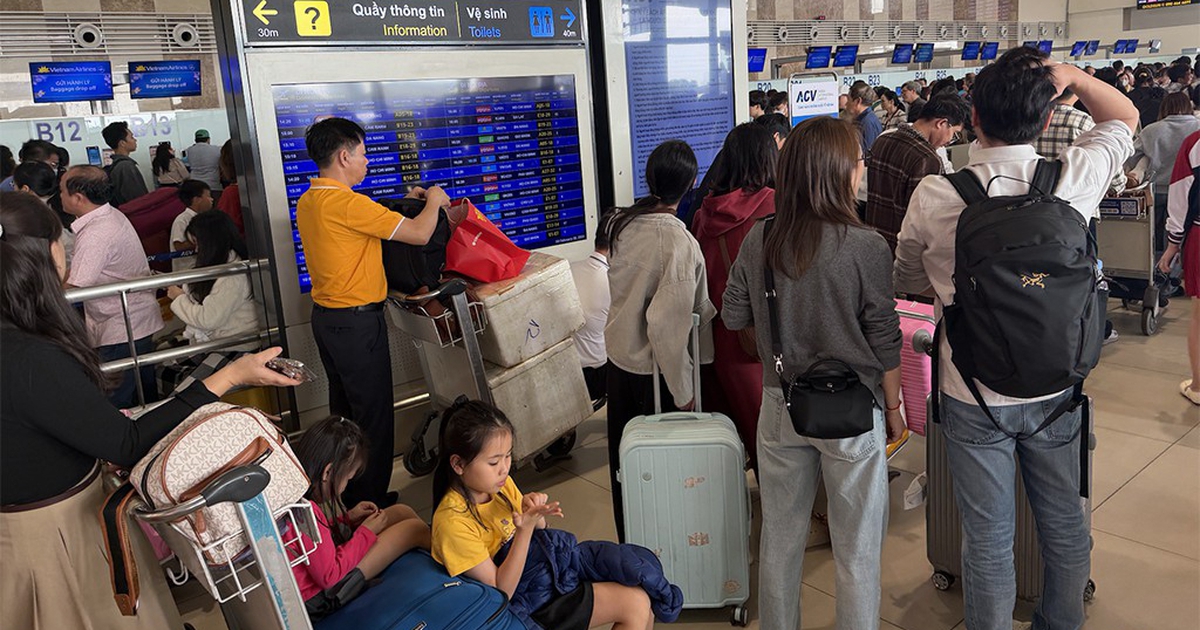
Routes serving North-Central destinations exhibit similarly elevated pricing structures. Flights from Ho Chi Minh City to Vinh departing on February 1, 2027 (the 25th day of Tet) command baseline fares of approximately 3.5 million VND with Vietjet and 3.7 million VND with Vietnam Airlines. For the Ho Chi Minh City to Thanh Hoa route, Vietnam Airlines lists economy tickets at roughly 4.3 million VND per directional leg, with hybrid carriers pricing comparable services up to 6.5 million VND. Overall, ceiling prices across several key domestic corridors have advanced by 10% to 20% compared to opening-day availability, translating to nominal increases ranging from several hundred thousand to nearly one million dong per ticket. Furthermore, flights scheduled during daylight hours and immediately adjacent to peak holiday dates command premiums over early-morning or late-night itineraries.
Financial Implications for Family Travel and Directional Imbalance
For households based in Ho Chi Minh City with ancestral roots in the central and northern regions, transportation expenditures represent a substantial component of overall holiday budgeting. Assuming an average one-way airfare of 3.5 million VND, a family of four must allocate at least 14 million VND strictly for outbound travel, excluding return tickets, checked baggage fees, and miscellaneous local transit expenses.
Compounding this financial pressure is the pronounced asymmetry in directional demand characteristic of the Tet travel season. While outbound flights from the southern economic hub experience near-capacity bookings ahead of the holiday, inbound flights traveling in the reverse direction frequently operate with low load factors. On February 3, 2027, for instance, while passengers departing Ho Chi Minh City for Hanoi face fares approaching 4 million VND, the reverse itinerary from Hanoi to Ho Chi Minh City features promotional fares starting as low as 764,000 VND. This stark pricing differential underscores the logistical challenges airlines face in positioning aircraft to accommodate concentrated, unidirectional population shifts.
Ms. Le Nhat Thien An, Marketing Manager at TransViet Travel, noted that consumer interest has concentrated heavily on pre-Tet routes originating in Ho Chi Minh City and heading toward Hanoi, Vinh, Thanh Hoa, Hue, and Da Nang, alongside post-Tet return services. "Compared to the initial launch period, ceiling prices across many sectors have trended upward, particularly for peak travel days close to the holiday. Notably, ticket inventory at lower price tiers is progressively narrowing as advance bookings accumulate, leaving late-purchasing travelers with fewer economical options," she observed.
Airline Capacity Expansion and Supply-Demand Realities
In response to anticipated holiday demand, Vietnam’s aviation sector has mobilized significant capacity enhancements. According to deployment plans announced in August, the Vietnam Airlines Group—comprising Vietnam Airlines, Pacific Airlines, and Vasco—has made available nearly 3.7 million seats across its domestic and international network between January 22 and February 20, 2027, representing an 11% increase over the 2026 peak period. Capacity on the Hanoi–Ho Chi Minh City corridor is scheduled to expand by 15.4%, while routes connecting Ho Chi Minh City to Da Nang, Hai Phong, Thanh Hoa, Vinh, and Hue will see increases ranging from 6% to 13%. To maximize utilization, carriers are expanding red-eye and early-morning operations, which are projected to account for approximately 17% of total holiday schedules.
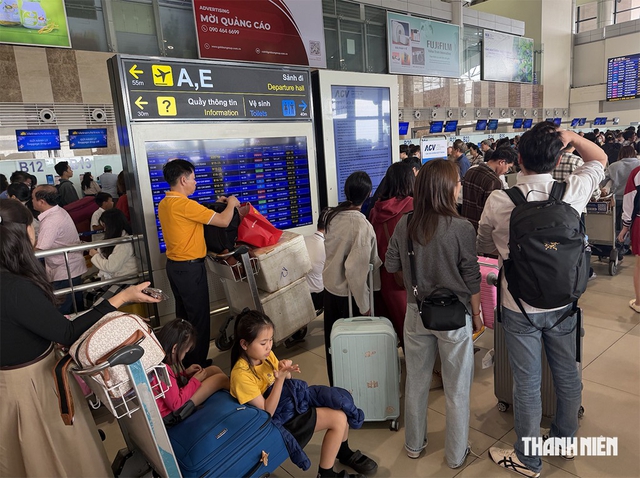
Concurrently, Vietjet has released 3.1 million seats for the Tet period, reflecting a 6% year-on-year increase, with approximately 2 million seats allocated to domestic trunk routes. Initial base fares announced by the carrier started at 890,000 VND for routes from Ho Chi Minh City to Hanoi, Vinh, Thanh Hoa, and Hai Phong, and 490,000 VND for destinations such as Da Nang, Nha Trang, and Buon Ma Thuot, exclusive of taxes and applicable surcharges.
Combined, the nation’s two primary aviation groups have introduced nearly 6.8 million seats and tickets to the market. However, aviation analysts note that despite this quantitative expansion, the structural imbalance between peak-period demand and available aircraft inventory prevents widespread fare reductions.
Mr. Pham Anh Vu, Deputy General Director of Viet Tourism Company, emphasized that overarching fare averages will remain elevated on high-density routes connecting the south to central and northern regions. Beyond family homecomings, a concurrent rise in leisure and recreational travel following the conclusion of the business year places additional strain on transport infrastructure. "The addition of extra flights does not fully absorb price pressures during peak operational windows, specifically between the 28th and 29th days of Tet, as well as the fifth through eighth days of the lunar new year, when passenger demand reaches critical mass and aircraft seat capacities remain finite," Mr. Vu analyzed.
Underlying Cost Factors and Economic Pressures
Operating dynamics within the commercial aviation industry further restrict downward pricing flexibility. Aircraft dedicated to unidirectional holiday traffic must execute return journeys with minimal passenger payloads, directly impacting operational efficiency and asset productivity. Furthermore, macroeconomic volatility—particularly fluctuations in global aviation fuel prices—exerts persistent pressure on airline operating cost structures. While carriers attempt to mitigate these expenses through capacity optimization, fleet availability and infrastructure constraints at regional airports limit the extent to which additional frequencies can be introduced.
Industry forecasts suggest that airfares will likely experience further upward adjustments as the holiday approaches, particularly for passengers who defer bookings until December or January. On high-demand sectors, incremental price increases of 10% to 20% relative to current baseline rates remain probable for late-stage purchasers.
Strategic Recommendations for Travelers
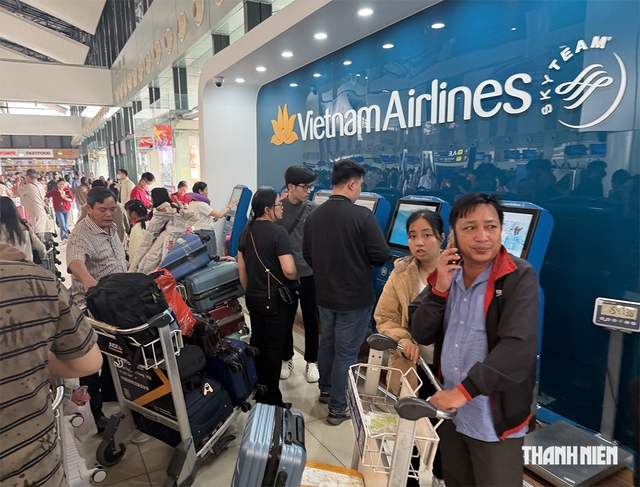
Faced with fluctuating ticket prices, consumers frequently debate whether to finalize bookings immediately or await potential promotional campaigns during the final months of the year. Travel industry specialists advise that passengers who have confirmed travel itineraries should secure tickets without prolonged delay.
Early purchasing not only secures lower baseline fare classes but also broadens the availability of preferred travel dates, operating carriers, and flight times. Because airlines allocate seat inventory across tiered pricing brackets, the exhaustion of lower-cost fare buckets compels subsequent purchasers to absorb higher tariffs. Consequently, while overall market prices do not necessarily inflate uniformly across all categories, opportunities to acquire low-cost inventory diminish progressively over time on high-demand routes.
Mr. Vu reiterated a cautious outlook for late-stage bookers, advising against relying on expectations of deep-discount promotions during peak holiday windows. Promotional initiatives implemented by domestic carriers traditionally target low-demand days or secondary routes, whereas flights operating during peak holiday periods maintain high baseline utilization.
"Airfare pricing on key domestic routes is expected to hold firm as passenger volume intensifies. While capacity additions by airlines provide relief across specific time bands, they are unlikely to generate a broad downward pricing trend, particularly during the days immediately surrounding and following the Lunar New Year holiday," concluded Ms. An.