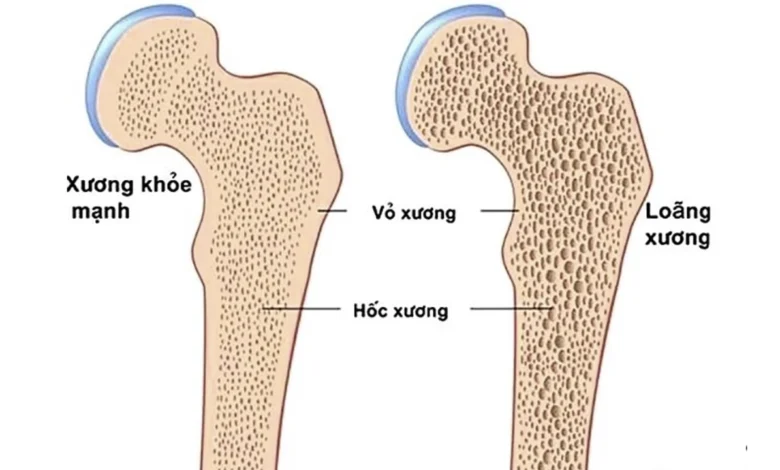
Osteoporosis, a silent but formidable health crisis, is increasingly affecting women globally as they transition into their forties and beyond. Often described as a "silent thief," this condition strips bone density and alters micro-architecture without clear, symptomatic warnings until a life-altering fracture occurs. For many women, the realization of their condition comes only after a minor slip, a trivial fall, or a sudden, unexplained fracture, marking a transition from an active lifestyle to a period of mobility impairment and increased health risk.
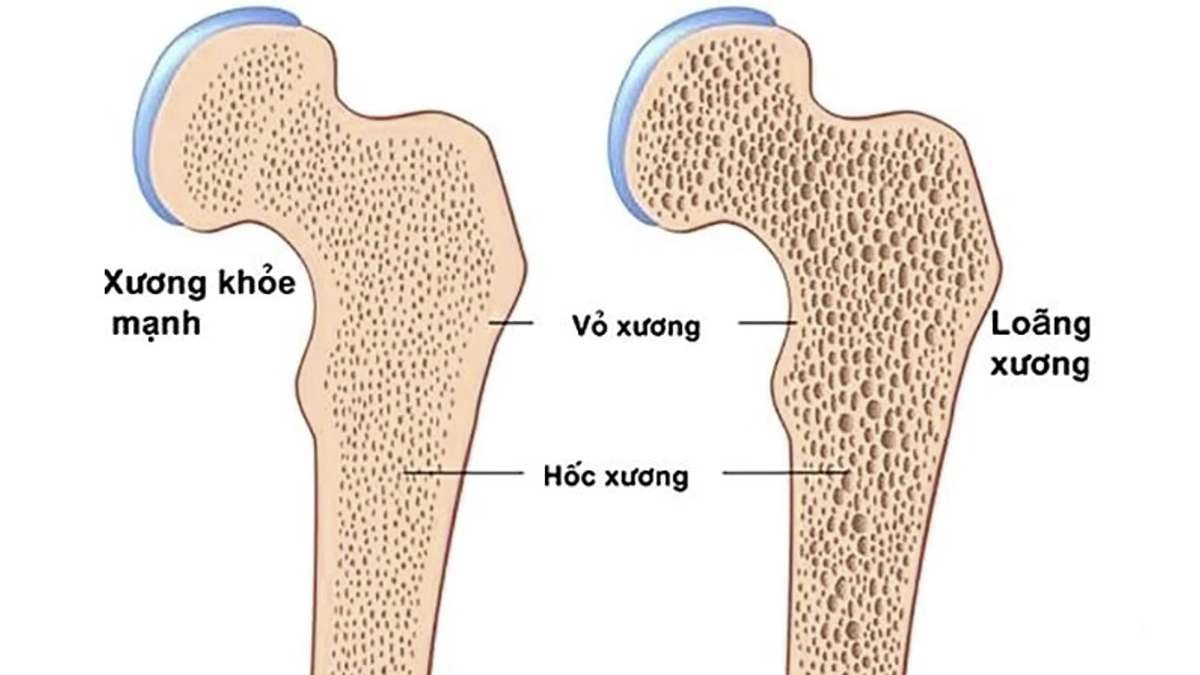
According to Dr. Kieu Xuan Thy, a specialist at the University Medical Center Ho Chi Minh City, osteoporosis is fundamentally a metabolic disorder. It represents a state where the skeletal structure loses mineral density, causing bones to become brittle, porous, and highly susceptible to breakage. The World Health Organization (WHO) defines the threshold for osteoporosis as a bone mineral density (BMD) T-score of -2.5 or lower, meaning the patient’s bone density is at least 2.5 standard deviations below that of a healthy young adult.
The Biological Mechanism of Bone Loss
The progression of osteoporosis in women is a multi-year, often invisible, process. As women cross the age of 40—and particularly as they enter the perimenopausal and menopausal stages—the hormonal landscape shifts dramatically. Estrogen, a hormone that plays a critical role in maintaining the equilibrium between bone resorption (the breakdown of bone tissue) and bone formation (the creation of new bone tissue), begins to decline.
During the initial 5 to 10 years following menopause, women may experience an annual bone mass loss of 1% to 3%. This decline is most pronounced in the lumbar spine and the femoral neck. When estrogen levels drop, the activity of osteoclasts—the cells responsible for bone breakdown—outpaces the osteoblasts, which are responsible for bone formation. This creates a structural deficit that, if left unmanaged, leads to the brittle condition characteristic of osteoporosis.
Data and Prevalence: A Gender-Specific Challenge
Data from the International Osteoporosis Foundation (IOF) highlights a staggering disparity in how this condition affects the population. Approximately one in three women over the age of 50 will experience an osteoporotic fracture during their lifetime, compared to one in five men.
This gender gap is attributed to three primary factors:
- Lower Peak Bone Mass: Women generally reach a lower peak bone mass in their youth compared to men.
- Hormonal Volatility: The rapid decline of hormones post-menopause accelerates bone degradation significantly more than in aging men.
- Longevity: Women, on average, have a longer life expectancy, extending the duration of their exposure to estrogen deficiency and cumulative skeletal wear.
The clinical implications of these fractures are profound. Hip fractures in the elderly are particularly devastating; studies indicate a mortality rate of 15% to 30% within the first year post-fracture. Beyond the immediate threat to life, these incidents frequently lead to a permanent loss of independence, requiring long-term care and resulting in a significant decline in quality of life.
Lifestyle and Environmental Triggers
While hormonal shifts are a primary driver, lifestyle choices and nutritional status after age 40 act as critical determinants for bone health. A deficiency in dietary calcium forces the body to "mine" the skeletal reserves to maintain essential serum calcium levels, effectively sacrificing bone integrity to support organ function.
Simultaneously, a sedentary lifestyle or the absence of weight-bearing exercises deprives the skeletal system of the mechanical stress necessary to stimulate bone remodeling. Modern habits, such as limited exposure to sunlight, lead to Vitamin D deficiencies, which further inhibit the intestinal absorption of calcium. Furthermore, the exacerbation of bone erosion is often linked to lifestyle factors including chronic smoking, excessive alcohol consumption, and the prolonged use of corticosteroid medications, which are known to interfere with bone density maintenance.
Diagnostic Standards and Early Screening
Medical experts emphasize that bone mineral density scanning—often performed via Dual-energy X-ray Absorptiometry (DXA)—remains the "gold standard" in clinical diagnosis.
The current clinical consensus suggests that women aged 65 and older should undergo routine screening. However, for those under 65, early screening is highly recommended if they exhibit specific risk factors. These include a family history of osteoporosis, early menopause, or long-term use of medications that compromise bone density.
Dr. Thy notes that while screening protocols typically begin at age 65, the foundations of bone health must be established long before then. The period leading up to age 40 is the critical window during which an individual should aim to reach their peak bone mass, providing a "buffer" for the natural physiological decline that follows.
Preventive Strategies and Management
Effective management of bone health requires a comprehensive approach, integrating nutrition, physical activity, and medical intervention.
1. Physical Activity: Exercises that incorporate weight-bearing and resistance training are essential. Activities such as brisk walking, jogging, dancing, or specialized resistance training stimulate bone-building cells and improve muscle strength. Improved muscle mass is vital for maintaining balance, which directly reduces the risk of falls—the primary trigger for fractures.
2. Nutritional Optimization: A diet rich in calcium and Vitamin D is non-negotiable. Sources include dairy products, calcium-fortified foods, small fish (eaten with bones), and leafy green vegetables. In cases where dietary intake is insufficient, medical professionals may recommend supplementation to ensure daily requirements are met.
3. Lifestyle Adjustments: Maintaining a healthy body weight is crucial. Both excessive weight loss and malnutrition increase the load on the skeletal system and impair the body’s ability to repair micro-fractures.
4. Clinical Intervention: Depending on the stage of the condition, medical treatment may be necessary. In the early stages of bone loss, lifestyle modifications and supplementation may halt progression. However, for those with confirmed osteoporosis or a high risk of fracture, physicians may prescribe pharmacological agents. These typically fall into two categories: anti-resorptive medications (which slow down the breakdown of bone) and anabolic agents (which stimulate the formation of new bone).
A Call for Environmental Awareness
Beyond individual health, the domestic environment plays a silent role in fracture prevention. For aging populations, home safety is a paramount concern. Simple modifications—such as improving lighting, ensuring floors are kept dry and non-slip, installing grab bars in bathrooms, and removing tripping hazards like loose rugs—are vital steps in preventing falls.
The Broader Societal Impact
The rise of osteoporosis is not merely a clinical issue; it is a public health challenge with significant economic and social consequences. As the global population ages, the burden on healthcare systems to manage fractures and the associated long-term disability is expected to rise.
Public health experts argue that shifting the focus from reactive treatment to proactive screening and education is essential. By identifying "at-risk" populations before the first fracture occurs, the healthcare system can shift the trajectory of the disease. The "silent" nature of the condition is its greatest threat, but with heightened awareness, consistent screening, and informed lifestyle choices, the progression of osteoporosis can be effectively managed, allowing women to maintain their mobility and quality of life well into their later years.
Ultimately, the fight against osteoporosis is a race against time. The skeletal system is not a static structure, but a dynamic, living tissue that requires lifelong attention. Whether through the lens of hormone management, exercise physiology, or clinical diagnostics, the message remains clear: the best time to protect one’s bones is today.
Related posts: