70-Year-Old Diabetes Patient Faces Near-Amputation After Home Ginger Water Foot Soak Sparks Severe Infection


A 70-year-old female patient residing in Hanoi has narrowly escaped a below-knee amputation following a severe diabetic foot complication triggered by a seemingly harmless folk remedy. The patient, identified as Mrs. Đ.T.H., had been managing type 2 diabetes for several years. Due to long-standing peripheral neuropathy—a frequent and debilitating microvascular complication of chronic hyperglycemia—her ability to perceive temperature and pain in her extremities had significantly diminished.
Approximately two months prior to her admission to the hospital, Mrs. H. attempted to relieve minor aches by soaking her feet in a warm, fresh ginger water solution prepared at home. Because her protective sensation in the lower extremities was heavily compromised by nerve damage, she failed to gauge the water’s actual temperature. The scalding liquid caused severe thermal burns across her soles, rapidly developing into an open ulcer on the third toe of her left foot.
Seeking initial care at a local medical facility close to her residence, she was diagnosed with a diabetic foot ulcer. Despite a conventional therapeutic regimen consisting of broad-spectrum antibiotics and routine, localized dressing changes, the wound displayed no signs of clinical improvement. Instead, the localized injury progressively worsened, prompting her family to seek advanced specialized care at Duc Giang General Hospital in Hanoi.
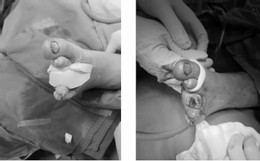
Upon admission, multidisciplinary specialists at Duc Giang General Hospital conducted a comprehensive evaluation. They determined that Mrs. H. was suffering from severe dry gangrene of the left third toe. The pathological process had not remained localized; it had advanced into a diffuse, aggressive soft tissue infection characterized by extensive edema and purulent fluid tracking upward into the sole and dorsal arch of the foot.

Dr. Lê Văn Dương, Head of the Cardiology Department at Duc Giang General Hospital, highlighted the immense clinical risks the patient faced upon arrival. He noted that the deep-seated soft-tissue infection had reached a critical threshold, placing the patient in imminent danger of systemic sepsis—a life-threatening bloodstream infection. Furthermore, without rapid and coordinated medical intervention, the destructive inflammatory cascade would have made a high-level leg amputation unavoidable to preserve her life.
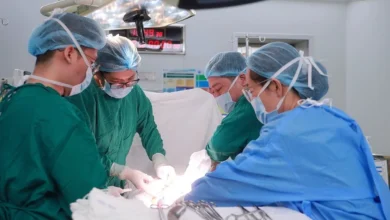
Faced with this limb- and life-threatening scenario, the hospital medical board deployed an advanced multi-modal treatment strategy. This protocol required rigorous, synchronized collaboration across internal medicine, general surgery, and regenerative medicine specialties. Over three weeks of intensive clinical management, the multidisciplinary team successfully stabilized the infection, controlled her systemic parameters, and ultimately salvaged her foot from total amputation.
The Broader Crisis of Diabetic Foot Complications
The harrowing case of Mrs. H. was formally brought to light during a recent international scientific symposium hosted by Duc Giang General Hospital in Hanoi, titled "Multisciplinary Connectivity – Multimodal Treatment – Restoring the Future." During the conference, medical experts underscored that Mrs. H. was exceptionally fortunate to retain her limb, noting that many patients suffering from advanced diabetic foot ulcers arrive too late for limb-salvage interventions.
Assoc. Prof. Dr. Đỗ Đình Tùng, Director of Duc Giang General Hospital, issued a stark public health warning regarding the prevalence and severity of diabetic foot syndrome. According to clinical data shared at the symposium, approximately 5% to 7% of all diabetes patients eventually require surgical intervention involving the amputation of a toe, a portion of the foot, or a full lower limb.
Dr. Tùng emphasized that minor dermal abrasions, blisters, or thermal injuries on the feet of diabetic patients can rapidly escalate into severe, treatment-resistant infections and tissue necrosis if mismanaged. The physiological mechanisms of diabetes—specifically chronic hyperglycemia paired with peripheral vascular disease and neuropathy—drastically impair the body’s natural wound-healing capacity and immune response. Consequently, an injury that would heal within days in a healthy individual can transform into a surgical emergency within a matter of hours for a diabetic patient.
Understanding Diabetic Neuropathy and Peripheral Artery Disease
To fully comprehend the danger of incidents like home foot soaks, medical professionals point to the dual pathological threats of diabetic neuropathy and peripheral artery disease (PAD), which frequently coexist in long-term diabetes sufferers.
Diabetic neuropathy gradually destroys the peripheral nerves, starting in the longest nerves of the body, which lead to the feet and toes. This results in the loss of protective sensation, meaning patients can step on sharp objects, wear improperly fitted shoes, or expose their skin to extreme temperatures without feeling pain. Because pain is the body’s primary alarm system, its absence allows minor wounds to go unnoticed and untreated for days.
Simultaneously, chronic high blood sugar damages the endothelial lining of blood vessels, accelerating atherosclerosis (the hardening and narrowing of arteries). In patients with PAD, blood flow to the lower extremities is severely restricted. Tissues deprived of adequate oxygen and nutrients cannot mount an effective inflammatory response to fight off invading bacteria, nor can they regenerate damaged cells. When thermal injuries, cuts, or pressure sores occur against this backdrop of poor circulation and nerve damage, localized ischemia quickly converts into tissue death, or gangrene.
Dangers of Unverified Folk Remedies and Self-Treatment
In many cultures, including Vietnam, traditional home remedies involving herbal infusions, warm water soaks, and botanical applications are deeply ingrained practices for managing everyday aches and pains. However, medical specialists warn that applying traditional remedies to diabetic extremities without professional medical oversight is a primary catalyst for severe clinical deterioration.
In Mrs. H.’s case, the combination of hot ginger water and her inability to sense temperature led to a direct thermal burn. While ginger possesses anti-inflammatory properties when ingested or used under controlled pharmacological conditions, raw topical application—especially in scalding liquid—introduces severe physical trauma to compromised skin. Furthermore, home environments lack the sterile conditions required for open wounds. Submerging an insensate, burned foot into a non-sterile basin of warm water creates an ideal breeding ground for opportunistic bacteria, facilitating direct microbial entry into deeper subcutaneous tissues.
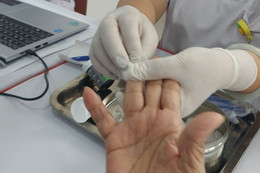
Healthcare authorities continually stress that patients with diabetes must strictly avoid self-treatment, the application of unverified ointments, or alternative therapies for foot lesions. Even minor blisters or skin redness should be evaluated immediately by a qualified healthcare professional specializing in endocrinology or wound care.
Rising Burden of Diabetes and Prevention Strategies
The case of Mrs. H. underscores a broader epidemiological trend across Southeast Asia, where the incidence of type 2 diabetes has risen sharply over recent decades. Driven by rapid urbanization, sedentary lifestyles, dietary shifts toward processed foods and high-sugar beverages, and rising baseline stress levels, diabetes is no longer confined to older populations. Recent clinical data indicates an alarming rise in early-onset type 2 diabetes, with cases now diagnosed among adolescents and young adults due to compounded metabolic risk factors.
For those already diagnosed with diabetes, specialists recommend a comprehensive daily foot-care routine to prevent catastrophic complications:
- Daily Visual Inspection: Patients or their family members should meticulously inspect the entire surface of both feet daily, including the soles and the spaces between the toes, checking for any signs of cuts, bruises, blisters, redness, or swelling.
- Proper Hygiene: Wash feet daily in lukewarm water—always verified by a family member or a reliable thermometer rather than the patient’s own tactile sensation—and dry them thoroughly, especially between the toes.
- Moisturize, But Avoid Interdigital Spaces: Apply appropriate moisturizers to prevent dry, cracking skin, but avoid applying cream between the toes, as excess moisture can encourage fungal and bacterial growth.
- Protective Footwear: Never walk barefoot, even indoors. Inspect the inside of shoes for foreign objects, rough seams, or pebbles before putting them on. Socks should be seamless and non-constricting to maintain proper circulation.
- Professional Podiatric Care: Avoid self-treating corns, calluses, or ingrown toenails with chemical removers or sharp instruments. Professional podiatric care is essential for safely managing routine foot maintenance.
- Glycemic Control: Maintaining tight glycemic control through prescribed medications, regular physical activity, and a balanced diet remains the cornerstone of preventing both microvascular and macrovascular complications.
Implications for Healthcare Infrastructure and Multidisciplinary Care
The success in saving Mrs. H.’s limb at Duc Giang General Hospital highlights the evolving shift toward multidisciplinary care models in modern Vietnamese healthcare. Historically, diabetic foot ulcers were managed in isolation by general surgeons or endocrinologists, often resulting in high rates of primary amputation due to delayed interventions or uncoordinated treatment plans.
By establishing integrated clinical pathways that bridge internal medicine (for glycemic and systemic stabilization), vascular and general surgery (for debridement and infection control), and reconstructive medicine (for tissue salvage and wound closure), modern medical centers are significantly improving limb-preservation statistics. International symposia, such as the one recently hosted in Hanoi, serve as critical platforms for disseminating these advanced treatment paradigms to regional and provincial medical facilities.

Nevertheless, experts reiterate that hospital-based innovations can only mitigate damage after it has occurred. Public health education remains the most critical tool in reducing the burden of diabetic complications. Ensuring that patients recognize the early warning signs of neuropathy, understand the absolute hazards of home remedies, and seek immediate professional care for even the smallest foot lesion will remain paramount in preventing future tragedies.