Hòa Bạch Phương, Veteran Hát Bội Artist, Faces Severe Health Crisis and Destitution in Ho Chi Minh City

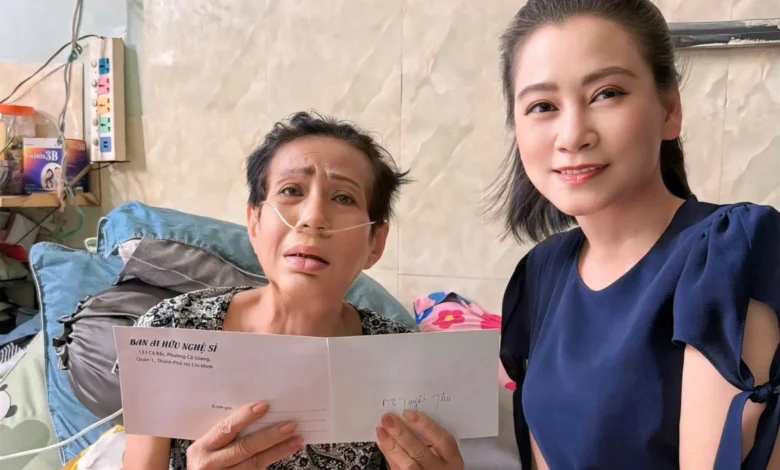
The bleak reality of aging performing artists in Vietnam has once again been brought to light following reports regarding the critical health condition of veteran hát bội (traditional Vietnamese opera) artist Hoa Bạch Phương. At 69 years of age, the once-celebrated stage actress is currently bedridden in a modest rented room in Ho Chi Minh City, battling multiple life-threatening illnesses without adequate financial resources for proper medical treatment. Her plight has prompted immediate intervention from the Ho Chi Minh City Theater Association, highlighting the broader systemic vulnerabilities faced by aging practitioners of traditional arts who lack institutional social safety nets.
According to statements released by People’s Artist Trịnh Kim Chi, Chairperson of the Ho Chi Minh City Theater Association, artist Hoa Bạch Phương—whose legal name is Hoàng Thúy Phương, born in 1957—is suffering from chronic and severe medical conditions. Her diagnosis includes heart failure, renal failure, pulmonary infection, gastric lining infection, and diabetes. Given the multiplicity and severity of these ailments, medical professionals have deemed her prognosis highly unfavorable.
A Lifetime Dedicated to Traditional Stage Arts
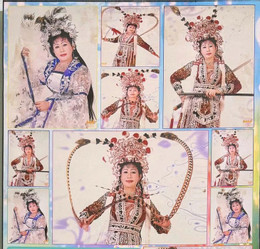
Born into an era when traditional performing arts still enjoyed widespread public patronage, Hoàng Thúy Phương dedicated her entire life to the preservation and promotion of hát bội and classical tuồng theater. Throughout a decades-long career, she served as a prominent actress and representative for several renowned artistic troupes in Southern Vietnam. Her professional trajectory included stints with the Ho Chi Minh City Hát Bội Art Troupe, the Hữu Hạnh Classical Tuồng Troupe, and the Ngọc Khanh Hát Bội – Tuồng Troupe, among others.
For generations of theatergoers in the South, hát bội represented a vital cultural pillar, combining elaborate make-up, stylized choreography, and moral storytelling rooted in national history and folklore. Artists like Phương spent their formative years touring provincial stages, community halls, and urban theaters, bringing classical narratives to life. However, as modern entertainment forms proliferated, the audience for traditional opera dwindled significantly, leaving troupes disbanded or financially crippled and forcing aging artists into precarious livelihoods long after their peak performing years had passed.
The Onset of the Crisis and Daily Struggle for Survival
Despite her advancing age and declining physical capabilities, Phương continued to work informally well into her late sixties, taking on minor tasks or sporadic stage-related duties to earn a meager daily income—a lifestyle locally described as "running day-to-day for a meal."
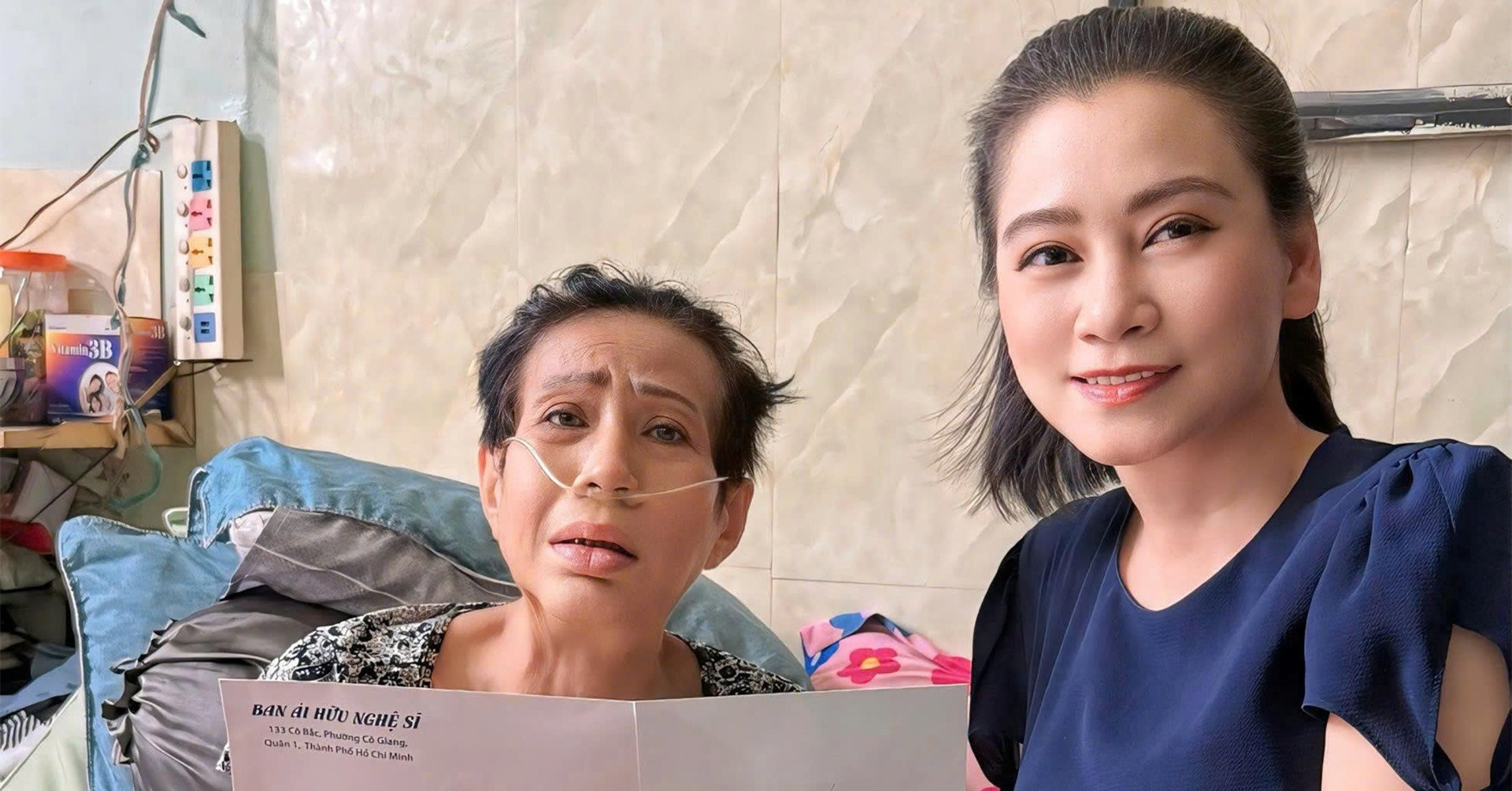
The acute phase of her current crisis began approximately two months ago when worsening physical symptoms forced her to seek formal medical evaluation. Upon receiving diagnoses for multiple systemic organ failures and severe infections, she was discharged due to an inability to cover hospital expenses. Lacking the financial means for sustained inpatient care or advanced pharmaceutical interventions, she returned to her rented accommodation. There, she relies on a makeshift oxygen tank to sustain her breathing on a day-to-day basis. Her daily care and navigation of basic necessities have fallen largely upon a relative who works as a ride-sharing technology driver, dividing his time between precarious labor and tending to the ailing artist.
Immediate Response and Relief Efforts by the Theater Association
Upon receiving distress signals regarding Phương’s situation, the leadership of the Ho Chi Minh City Theater Association acted swiftly. Chairperson Trịnh Kim Chi immediately dispatched Meritorious Artist Tuyết Thu, Head of the Association’s Artists’ Welfare Committee and Vice Chairperson, to the artist’s residence to verify the facts and evaluate her immediate needs.
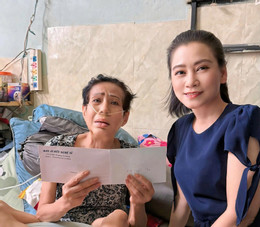
"For a long time, artist Hoa Bạch Phương has had very few active engagements, so the association was unaware of her whereabouts or the severity of her living conditions," Trịnh Kim Chi explained. "When the information reached us, I immediately asked chị Tuyết Thu to assess the situation. We all feel a deep sense of sorrow and empathy upon learning of her plight."
To address her immediate survival needs, the Welfare Committee provided an emergency cash disbursement on-site to cover immediate living and palliative expenses. Additionally, Meritorious Artist Tuyết Thu contributed personal funds to assist with daily provisions.
Following formal administrative verification, Phương’s application for monthly financial assistance was approved. Commencing in November, she has been incorporated into the association’s regular subsidy program, receiving a recurrent stipend of 500,000 Vietnamese Dong per month.
Broader Implications and Systemic Challenges in Arts Welfare
The case of Hoa Bạch Phương underscores a recurring systemic vulnerability within Vietnam’s traditional arts sector. Currently, the Ho Chi Minh City Theater Association extends financial and logistical support to approximately 43 veteran artists. However, the association operates largely without independent commercial revenue streams, relying instead on voluntary donations, philanthropic contributions, and ad-hoc fundraising campaigns.
While leadership bodies make concerted efforts during major holidays, Tết (Lunar New Year), and commemorative dates to distribute relief packages, the fixed monthly subsidies—such as the 500,000 Dong allocation received by Phương—remain symbolic relative to the soaring costs of medical care, housing, and basic sustenance in an urban center like Ho Chi Minh City.
Industry observers note that as the older generation of classical performers—those who carried the torch of hát bội, cải lương, and tuồng through periods of immense social and economic transition—reaches advanced age, the strain on welfare committees intensifies. Without institutionalized pension schemes or comprehensive health insurance subsidies specifically tailored for informal cultural workers, many veteran artists face the twilight of their lives in isolation and material hardship.
For now, community-led initiatives, peer support from fellow artists, and the tireless advocacy of organizations like the Ho Chi Minh City Theater Association remain the primary safety net for figures like Hoa Bạch Phương, ensuring that those who dedicated their youth to the cultural heritage of the stage are not entirely forgotten in their hour of greatest need.