Placing car batteries on concrete floors is a long-standing automotive myth that has been debunked by modern technology.

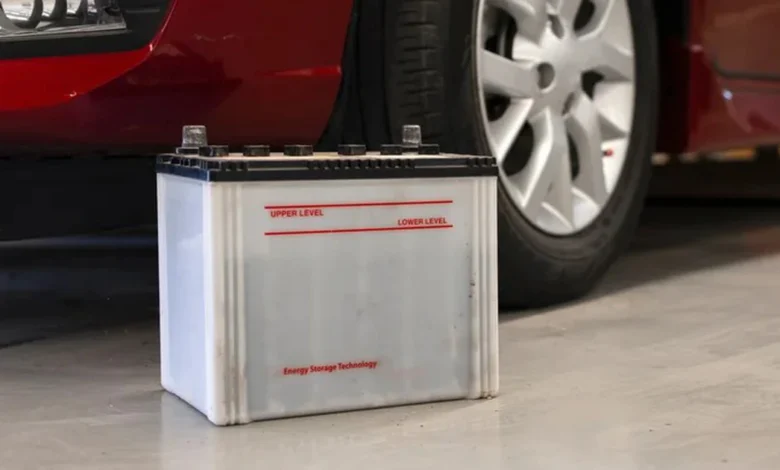
For generations, automotive enthusiasts, amateur mechanics, and casual car owners have passed down a persistent piece of wisdom: never place a lead-acid car battery directly on a concrete floor. The prevailing theory was that the concrete would drain the battery’s charge through a process of electrical conduction or accelerate its degradation, leading to a premature "dead" battery. While this belief was rooted in technical realities during the early 20th century, the advancements in battery manufacturing and materials science have rendered this concern obsolete.
Historical Origins of the Myth
To understand why this myth remains embedded in the collective consciousness of car owners, one must look at the evolution of battery technology over the past century. During the 1920s and early 1930s, automotive batteries were fundamentally different from the sealed, maintenance-free units found in modern vehicles.
Early batteries utilized glass or hard rubber casings. These materials were significantly more porous and prone to microscopic cracks or structural failure when exposed to the extreme vibrations and thermal cycling inherent in automotive operation. Furthermore, the electrolytes—typically a mixture of sulfuric acid and distilled water—were often contained in glass jars.
In the early decades of the automobile, the floor of a home garage was almost exclusively bare concrete. If a battery casing was compromised or if the electrolyte leaked during storage, the acid could react with the calcium compounds present in the concrete. This reaction often created a conductive path or, at the very least, a messy, corrosive chemical byproduct. More importantly, the early rubber and glass housings were poor insulators. If a battery was damp or had a thin layer of acid film on its surface, the concrete could act as a bridge for a minor discharge, known as a "parasitic drain." Given that early battery technology was already notoriously fragile, any small, persistent drain was enough to render a vehicle unable to start after a few weeks of storage.
The Evolution of Battery Materials
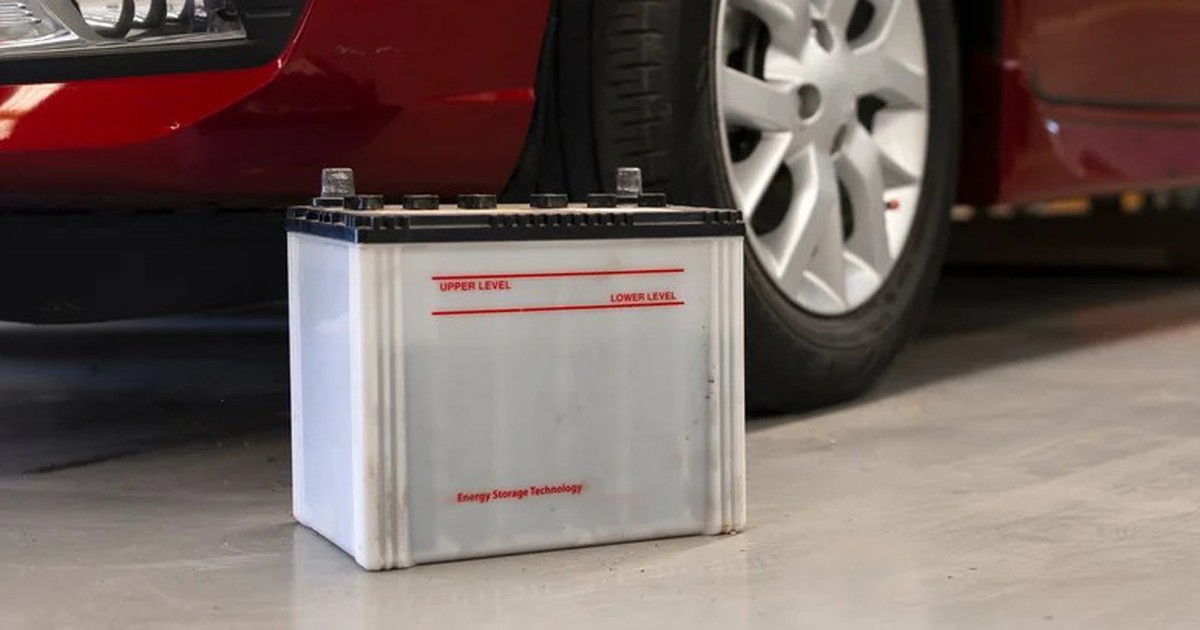
By the mid-20th century, manufacturers began transitioning to high-density polypropylene and other advanced plastics for battery casings. These materials provided superior insulation and resistance to chemical corrosion compared to the hard rubber of the past.
Modern batteries, including those utilizing Absorbent Glass Mat (AGM) technology, are designed to be entirely sealed. In AGM batteries, the electrolyte is suspended within a fiberglass mat, which minimizes the risk of spills and internal movement. Because the external casing of a modern 12V battery is made of non-conductive, high-impact plastic, the "grounding" effect of a concrete floor is physically impossible. The plastic acts as a perfect dielectric, meaning that no current can flow between the battery terminals and the floor, regardless of the composition of the surface beneath it.
The Reality of Battery Self-Discharge
While the concrete floor myth is false, the concern about batteries dying in storage is not entirely unfounded. However, the cause of the power loss lies within the chemistry of the battery itself, not its location.
All lead-acid batteries, regardless of where they are stored, experience a phenomenon known as "self-discharge." This is a natural internal chemical process where the battery loses its charge over time even when it is not connected to a vehicle. Factors influencing the rate of self-discharge include:
- Ambient Temperature: This is the most significant variable. Heat is the enemy of lead-acid batteries. In a hot environment, the chemical reactions inside the battery accelerate, leading to a faster rate of self-discharge. Conversely, storing a battery in a cool, dry place can actually slow down this process, extending the life of the charge.
- Internal Plate Sulfation: Over time, lead sulfate crystals can build up on the battery plates. If a battery is left in a state of partial discharge for an extended period, these crystals harden, reducing the battery’s capacity to hold a charge.
- Age and Condition: As a battery ages, its internal resistance increases, making it more prone to losing its capacity.
Therefore, the advice to keep a battery in a "cool, dry place" is accurate, but not because of the floor surface. A temperature-controlled environment prevents the degradation caused by heat, which is the primary killer of automotive batteries.
The Real Risk: Corrosive Leaks
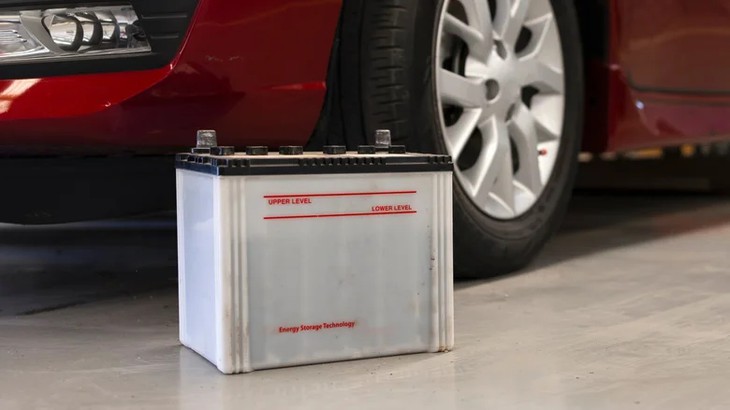
While the concrete will not harm the battery, the inverse is a genuine concern: a failing battery can damage the concrete floor. If a battery is old, cracked, or has been damaged by severe overcharging, it may leak electrolyte.
Sulfuric acid is highly corrosive. When it comes into contact with the calcium-based compounds in concrete, a chemical reaction occurs that can cause pitting, staining, and surface degradation of the floor. If a battery is leaking, it is a sign that the unit is at the end of its service life and poses a safety hazard.
In such a scenario, experts recommend neutralizing the spill rather than simply wiping it up. A mixture of baking soda (sodium bicarbonate) and water creates an alkaline solution that neutralizes the acidic leak. Once the fizzing stops, the area can be safely cleaned. However, handling a leaking battery requires strict adherence to safety protocols, including the use of chemical-resistant gloves, eye protection, and proper ventilation.
Professional Recommendations and Best Practices
The consensus among automotive engineers and industry professionals is that the "concrete floor" rule is a vestige of the past that no longer requires consideration. For modern vehicle owners, the focus should shift from the floor surface to proper maintenance and storage habits.
1. Periodic Charging: For vehicles that remain stationary for long periods, using a "trickle charger" or "battery tender" is the most effective way to maintain battery health. These devices compensate for natural self-discharge and prevent the buildup of lead sulfate crystals.

2. Cleanliness: Ensure that the top of the battery is kept clean and free of moisture or grime. Even though the casing is insulated, dirt and dust mixed with moisture can potentially create a very low-level conductive path between the terminals, though this is rare in modern, sealed systems.
3. Inspection: Regularly inspect the battery casing for signs of swelling or leaks. A swollen battery is a primary indicator of internal damage or overcharging and should be replaced immediately.
4. Proper Storage: If a battery must be removed from a vehicle for storage, place it on a wooden shelf or a plastic mat in a cool, ventilated area. This serves more to keep the battery clean and protected from accidental impacts than it does to prevent electrical discharge.
Conclusion: Modernizing Our Maintenance Mindset
The persistence of the "concrete floor" myth is a testament to the way automotive lore is passed down through generations. While the advice was born from a place of genuine concern during an era when battery technology was less robust, the physical reality of modern engineering has moved far beyond it.
Vehicle owners should feel confident that placing their battery on a concrete garage floor will have no impact on its ability to hold a charge. The real risks—thermal degradation, internal sulfation, and the rare but dangerous possibility of acid leaks—are universal regardless of the surface the battery rests upon. By focusing on proper storage temperature, utilizing modern charging technology, and performing routine visual inspections, owners can ensure their vehicle remains ready to start, regardless of whether it is parked on concrete, wood, or steel. Moving past these outdated myths allows for a more scientific and effective approach to vehicle maintenance in the modern age.