Apple Watch Series 12 Design Changes Spark Debate Over Screen Size and Display Borders

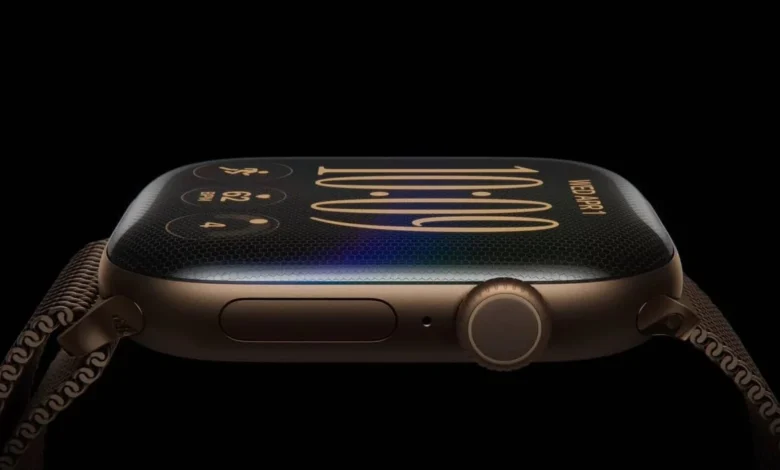
The technology sector has once again turned its collective gaze toward Cupertino as upcoming hardware specifications for the Apple Watch Series 12 emerge, revealing a surprising design paradox. According to the latest supply chain disclosures and product specifications, Apple’s upcoming smartwatch lineup features a curious engineering adjustment: while the physical dimensions of the chassis have expanded, the active display area has paradoxically decreased, leaving industry analysts and consumers questioning the rationale behind the design shift.
As anticipation builds for the official unveiling, detailed examinations of the physical blueprints for the 42mm and 46mm variants indicate a departure from the historical trend of maximizing screen-to-body ratios. Rather than following the industry standard of shrinking borders to deliver expansive viewports, Apple has chosen to widen the physical bezels while making minor adjustments to the underlying glass panel. This strategic reversal has immediately ignited lively discussions across global technology forums, user communities, and design circles, highlighting the delicate balance consumer electronics manufacturers must strike between aesthetic evolution and functional utility.
Unpacking the Specifications: A Closer Look at the Physical Adjustments
A meticulous review of the leaked technical parameters reveals the exact nature of the physical modifications engineered for the Apple Watch Series 12. Both the 42mm and 46mm editions exhibit a measured reduction in usable display surface area of approximately 2%. Simultaneously, the horizontal width of the protective metal chassis and internal bordering has expanded by roughly 1 millimeter, even though the overall native display resolution remains consistent with previous generations.
This configuration creates a distinct visual phenomenon: the screen appears physically smaller when housed within the larger case, while the implementation of a more aggressive curving glass edge accentuates the surrounding black bezels. When users view the device head-on, the dark border encircling the active panel is noticeably more pronounced than it was on preceding iterations. For long-term adherents of the ecosystem who grew accustomed to the progressively thinning borders seen from the Series 9 through the Series 11, this design choice has come as an unexpected visual adjustment.
Despite these architectural shifts, baseline pricing for the lineup is expected to remain anchored at the $399 entry point for the standard aluminum configurations, with an official retail launch scheduled for September 18.
Historical Context: The Evolution of Apple Watch Design Language
To understand the gravity of the Series 12 modifications, it is necessary to examine the historical trajectory of the Apple Watch form factor. Since its inception in 2015, the wearable device has undergone several major structural transformations. The initial generations established a rectangular silhouette with prominent bezels, which served to house the internal sensors and display drivers necessary for early miniaturized computing.
A significant milestone occurred with the introduction of the Apple Watch Series 4, which expanded the display real estate by curving the glass closer to the edges of a newly enlarged chassis, reducing the bezel thickness significantly. This design language persisted with minor refinements until the Series 7 introduced a more dramatic overhaul, shrinking the borders to a mere 1.7 millimeters and maximizing the screen area to edge-to-edge proportions. Subsequent models continued this trajectory, gradually trimming the borders year after year to satisfy consumer demand for more immersive digital interfaces.
Against this predictable backdrop of continuous bezel reduction, the engineering decisions behind the Series 12 represent a stark anomaly. Historically, any regression in usable screen space or expansion of bordering elements is met with immediate scrutiny, as users prioritize maximum visual clarity for fitness metrics, notifications, and complications.
Supply Chain Realities and Engineering Constraints
Within the manufacturing and engineering communities, discussions surrounding the Apple Watch Series 12 have centered on the underlying motivations that could compel a company as meticulously calculated as Apple to reverse course on bezel reduction. Hardware analysts suggest that such modifications are rarely implemented without substantial trade-offs in component architecture, thermal management, or internal spatial optimization.
One prominent hypothesis circulating within engineering forums involves the integration of advanced health-monitoring sensors. As consumer expectations for biometric capabilities grow—ranging from non-invasive blood glucose tracking to advanced blood pressure and hydration monitoring—the interior of the chassis becomes intensely contested real estate. Expanding the physical frame by a fraction of a millimeter while slightly modifying the display margins may be a necessary sacrifice to accommodate denser battery cells, newly miniaturized diagnostic modules, or enhanced structural durability ratings.
Furthermore, supply chain logistics and display manufacturing yields frequently dictate design parameters. Achieving uniform ultra-thin bezels on curved OLED panels at a mass-production scale introduces significant manufacturing complexities and cost overheads. By marginally widening the protective boundary, engineers may have successfully mitigated micro-fracture vulnerabilities inherent in edge-to-edge glass designs, thereby improving the long-term durability of the device against accidental impacts.
Consumer Reactions and the Digital Discourse
The announcement of these dimensional adjustments has generated a vibrant spectrum of commentary across digital platforms and social networks. Online technology communities have engaged in robust debates regarding the trade-offs between aesthetic minimalism and structural durability.
Among dedicated enthusiasts, reactions range from pragmatic acceptance to humorous skepticism. Some community members have theorized that the marginal increase in bezel width is a deliberate structural reinforcement designed to protect the fragile OLED display layers from edge-impact shattering—a common point of failure in earlier models. Others have jokingly suggested that consumer expectations follow a cyclical pattern of praise and critique, noting that if Apple were to reintroduce ultra-thin bezels in a subsequent generation, it would instantly be marketed as a revolutionary technological breakthrough.
Conversely, critics within the forums have raised concerns regarding battery longevity and obsolescence cycles. Skeptics point out that while physical design alterations generate considerable marketing interest, the fundamental user experience—dictated heavily by daily battery endurance and chemical battery degradation over a two-year lifespan—remains the ultimate metric of device value. Despite these varied critiques, historical purchasing patterns indicate that consumer demand for the Apple Watch ecosystem remains resilient, insulated by deep software integration and ecosystem lock-in.
Broader Implications for the Wearable Technology Market
The trajectory of the Apple Watch Series 12 carries broader implications for the global smartwatch industry. As the market matures, hardware innovation has transitioned from rapid, high-impact leaps to incremental refinements focused on health integration, material science, and manufacturing efficiency.
By prioritizing structural integrity or internal sensor accommodation over raw display maximization, Apple demonstrates a willingness to challenge prevailing design dogma in pursuit of long-term product reliability. While a 2% reduction in display area within a slightly larger frame may initially confound consumers accustomed to continuous expansion, it underscores the complex engineering compromises required to push wearable technology forward.
As the September 18 release date approaches, initial impressions from reviewers and early adopters will provide definitive clarity on whether these structural alterations impact daily usability. For now, the Apple Watch Series 12 stands as a fascinating case study in modern product design—proving that even the smallest millimeter adjustments can spark massive conversations across the global technology landscape.