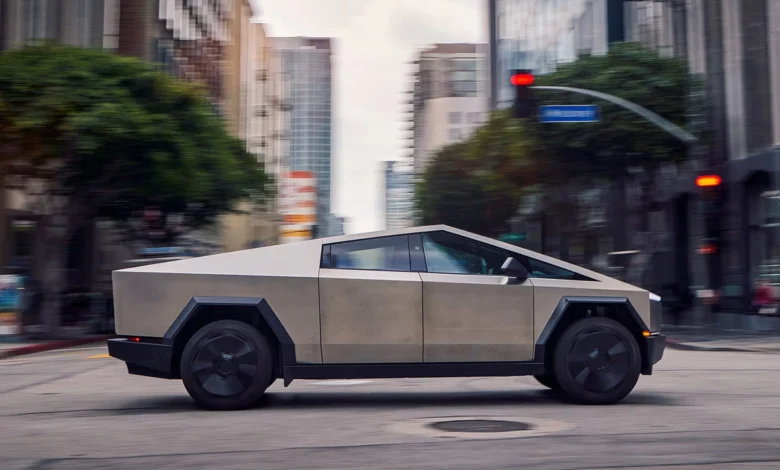
Tesla Inc. has officially announced that it will cease production of its polarizing, futuristic electric pickup truck, the Cybertruck, by mid-2027. The decision, confirmed by Chief Executive Officer Elon Musk on November 6, marks a dramatic retreat from one of the automotive industry’s most ambitious and unconventional vehicle programs. As consumer demand for the heavy-duty electric vehicle (EV) continues to contract sharply, Tesla is pivoting its manufacturing capabilities at Gigafactory Texas to make way for the rapid scaling of its upcoming autonomous robotaxi, the Cybercab.
The move underscores a pivotal strategic shift for the world’s leading electric vehicle manufacturer. Once heralded by Musk as the pinnacle of automotive engineering and the future of truck design, the Cybertruck is now being phased out to clear operational pathways for a future dominated by artificial intelligence, robotics, and shared autonomous transport.
A Sudden End to an Era of Experimental Design
Production of the Cybertruck at Tesla’s sprawling manufacturing facility in Austin, Texas, is scheduled to halt permanently around the middle of 2027. While company executives have not yet clarified whether specialized heavy-machining assembly lines will be repurposed or entirely dismantled, the facility remains the sole operational hub globally equipped to handle the vehicle’s unique stainless-steel exoskeleton, angular geometry, and massive structural casting components.
Responding to inquiries from users on the social media platform X, Musk defended the vehicle’s legacy, describing the Cybertruck as "the best product Tesla has ever made" while characterizing its impending termination as simply "the end of a chapter."
Despite the emotional send-off from its creator, industry analysts note that the writing has been on the wall for some time. The vehicle’s market performance has deteriorated progressively, failing to meet the lofty financial and volume expectations set during its initial rollout.
The Rise and Fall of a High-Risk Automotive Experiment
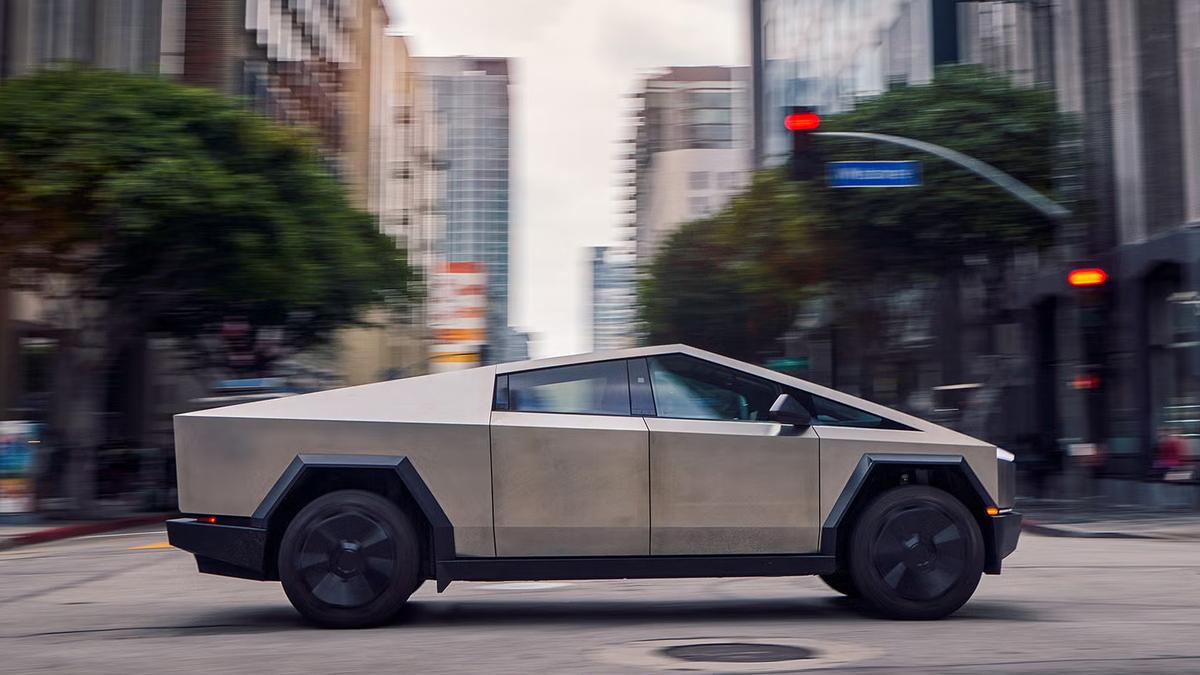
Unveiled amid much fanfare in November 2019, the Cybertruck instantly became a lightning rod for global controversy. Traditional truck enthusiasts ridiculed its wedge-shaped, dystopian aesthetic, while automotive safety regulators raised immediate concerns regarding pedestrian safety and its compatibility with international vehicle standards, effectively locking the pickup out of major global markets such as Europe.
The 2019 unveiling event itself became infamous when Musk sought to demonstrate the vehicle’s supposedly unbreakable "Armor Glass" by hurling a metal ball at the windows, only for both the driver-side and passenger-side glass panes to shatter on impact. Despite the initial embarrassment, Musk remained defiant, predicting that the truck would dominate the American market and challenge traditional internal combustion and electric offerings from legacy automakers like Ford and General Motors.
Deliveries of the heavily delayed vehicle finally commenced in late 2023. However, subsequent sales figures revealed a stark divergence from corporate projections. According to data compiled by Kelley Blue Book, Tesla managed to sell just 20,237 Cybertruck units in the United States throughout 2025. This figure represented a staggering 48% decline compared to the 38,965 units sold during the previous year, falling exponentially short of the ambitious 250,000 units per year target that Musk had initially promised upon the commencement of production.
Financial Realities and the Corporate Balancing Act
Maintaining a low-volume product line that continuously fails to hit sales benchmarks is an untenable strategy for any major publicly traded manufacturer, according to automotive experts.
"Continuing to manufacture a vehicle line that fails to achieve volume sales targets is fundamentally irrational," said Andy Palmer, former CEO of Aston Martin. "Any rational, forward-thinking management team would arrive at a similar decision. While the financial write-down will certainly impact Tesla’s balance sheet, the macroeconomic statistical trends had already spoken volumes."
Interestingly, the vehicle’s unique appeal maintained a niche foothold among corporate affiliates within Musk’s broader business empire. Regulatory filings submitted prior to an initial public offering revealed that aerospace manufacturer SpaceX spent approximately $131 million purchasing Cybertrucks directly from Tesla at list price throughout 2025, serving as one of the truck’s single largest commercial fleet buyers.
Pivoting Toward Autonomous Mobility and Artificial Intelligence
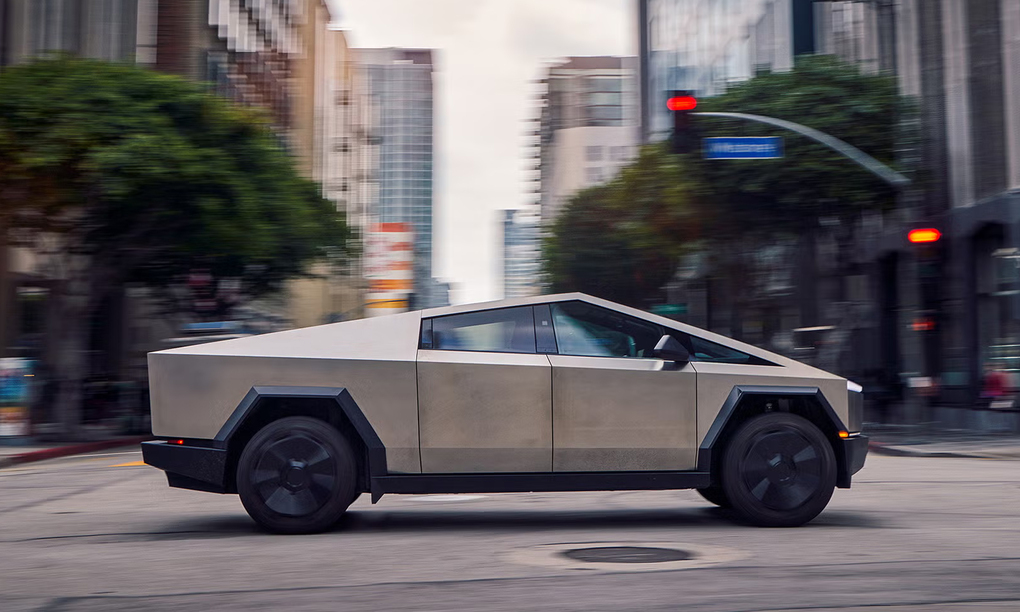
The decision to shutter Cybertruck production is emblematic of a broader institutional pivot at Tesla. Over the past year, the company has systematically reallocated capital, engineering talent, and manufacturing floor space away from traditional consumer vehicle segments and toward artificial intelligence, humanoid robotics, and autonomous ride-hailing infrastructure.
This strategic realignment occurs against a complex competitive backdrop. Tesla’s core electric vehicle business has faced mounting pressure in key international markets, particularly in China, where domestic EV manufacturers have rapidly outpaced Western competitors in both pricing and technological integration.
In this new corporate hierarchy, the Cybercab—Tesla’s dedicated autonomous taxi concept—has emerged as the centerpiece of the company’s valuation and future strategy. Unlike the Cybertruck, which was engineered as a heavy, rugged lifestyle statement for consumer ownership, the Cybercab is designed to spearhead a paradigm shift toward service-based, driverless urban mobility. However, analysts point out that the autonomous vehicle platform has yet to prove its long-term commercial viability or secure the necessary regulatory approvals for widespread public deployment.
The Legacy of the Stainless-Steel Pickup
As the countdown to mid-2027 begins, the automotive industry is left to reflect on the turbulent lifecycle of the Cybertruck. From its shattered windows on a Hollywood stage to its status as a symbol of technological bravado on American highways, the vehicle pushed the boundaries of manufacturing materials and industrial design.
Whether remembered as a visionary miscalculation or a bold technological proof-of-concept that simply arrived ahead of its time, the Cybertruck’s departure signals the definitive closing of an experimental chapter in Tesla’s history—making room for an uncertain, highly automated future centered on the roads of tomorrow.