Khanh Hoa Province Repurposes Former School Sites for Community Infrastructure Projects

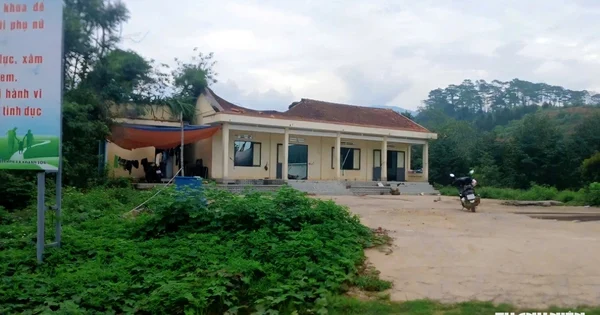
The provincial government of Khanh Hoa, located on the south-central coast of Vietnam, has officially announced a strategic shift in the utilization of public land and state-owned facilities. Instead of proceeding with the liquidation and auction of various former school sites—specifically those located in Khanh Son District—the local administration has decided to reallocate these assets to serve the public interest. This decision reflects a growing emphasis on social welfare and community development, prioritizing the tangible needs of local residents over the immediate revenue generation typically associated with land auctions.
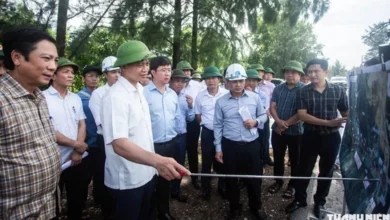
According to statements from Tran Hoa Nam, Vice Chairman of the Khanh Hoa Provincial People’s Committee, the provincial leadership has completed a comprehensive review of state-owned properties as of late October 2026. The findings, which were submitted to the Standing Committee of the Provincial Party for final approval, underscore a pivot toward utilizing underused, state-managed land for the construction of cultural facilities and community hubs.
The Rationale Behind the Policy Shift
For years, the standard procedure for managing redundant public assets in Khanh Hoa involved either long-term lease agreements or the total divestment of property through public auctions. However, the specific case of Khanh Son District serves as a primary example of changing local requirements. In this rural mountainous area, there is a marked scarcity of communal space for social gatherings, cultural events, and essential public services.
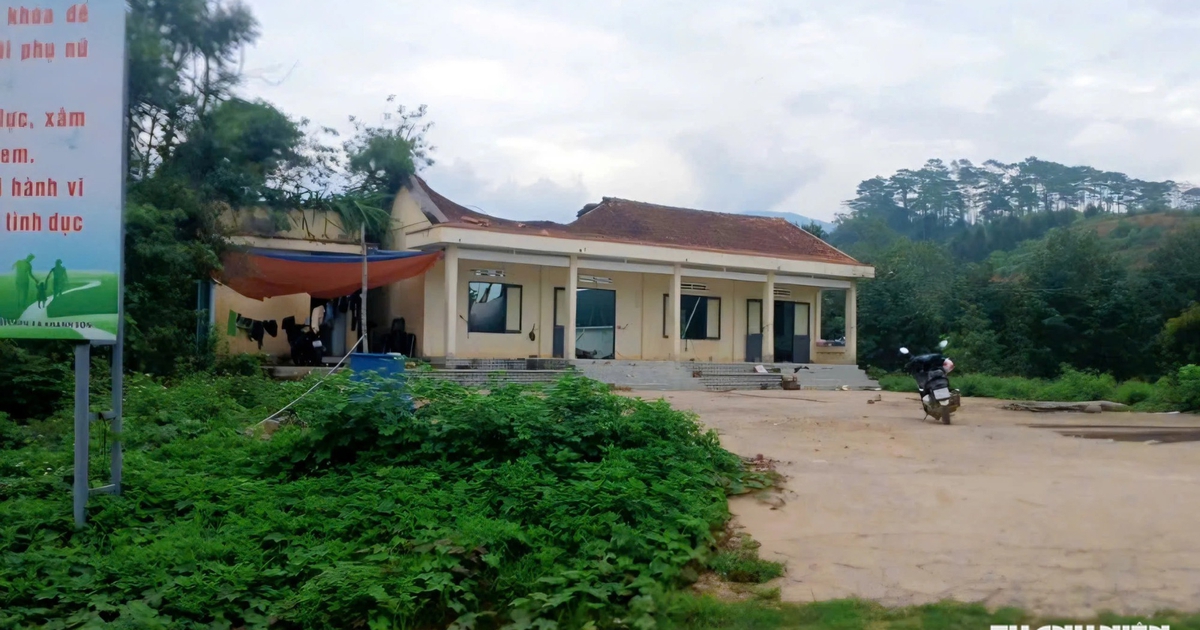
The initial plan for the Primary School sites in Son Hiep (specifically the school branch in Hon Dung Village), the Tu Hap Primary School (Ta Lang branch), and the Khanh Hoa Central Agricultural Extension Station was to initiate a liquidation process. This would have involved selling the assets on the land and potentially auctioning the land-use rights to the highest bidder. However, following strong feedback from the local populace regarding the lack of physical infrastructure for community life, the Khanh Hoa Provincial People’s Committee intervened.
The Committee determined that these properties are better suited as cultural houses and community centers, which are vital for the development of rural social life. The decision is not merely a gesture of goodwill but a calculated move to bridge the gap in basic infrastructure in remote districts where the state has the unique capacity to provide public space that the private sector is unlikely to prioritize.
Implementation Timeline and Operational Deadlines
The transition of these properties into public service entities is governed by a strict administrative timeline. The provincial government has mandated that the People’s Committee of Khanh Son District complete the necessary capital investment and operational integration for the school sites no later than November 20, 2026.
Regarding the Khanh Hoa Central Agricultural Extension Station, the mandate is slightly different due to the nature of the facility. It is designated to become a cultural hub and an extension of the existing community house in Tu Hap village. The district authorities must finalize the asset transfer procedures to the designated management unit—adhering to provincial-level property management regulations—by November 30, 2026. This date is critical, as it ensures that the facilities are not left in a state of administrative limbo, which often leads to the degradation of empty public buildings.
Broader Context of State Asset Management
The initiative in Khanh Son is a microcosm of a larger, province-wide effort to rationalize the management of 342 state-owned properties across Khanh Hoa. The provincial Department of Finance has been tasked with overseeing this massive portfolio, which includes a wide range of assets, from office buildings and medical facilities to residential units and abandoned warehouse sites.
Data from the Department of Finance highlights the complexity of this task:
- 119 facilities: Currently managed by public service units or leased to commercial entities.
- 56 facilities: Marked for liquidation, auctioning, or short-term land leasing.
- 35 facilities: Specifically earmarked for community use.
- 34 facilities: Serving as administrative offices.
- 32 facilities: Dedicated to cultural and sports infrastructure.
- 43 facilities: Serving as medical and educational centers.
- Remaining assets: Includes land under recovery projects, storage for administrative evidence, and resettlement areas.
As of October 26, 2026, 47 facilities remained under active review for potential short-term leasing or auction. Of these, 28 are being handled directly by the Khanh Hoa Land Development Center, while 19 are being managed by the respective People’s Committees of districts and wards.
The Role of the Land Development Center
The Khanh Hoa Land Development Center holds the responsibility for the majority of these complex assets. Out of the 28 facilities under its jurisdiction, 19 have already been formally handed over by local ward and district authorities. The status of the remaining nine, which include properties reclaimed from the Dong Hai and Bao An wards, as well as sites previously managed by the Housing and Apartment Management Center, remains under review.
The Department of Finance has issued clear instructions: for the 19 facilities already transferred, the Center must establish a short-term land exploitation plan. For the remaining nine, the mandate is to establish either a short-term lease strategy or a formal public auction plan. These plans are required to be submitted to the Provincial People’s Committee before November 15, 2026, with the expectation that the exploitation or auction process be completed by December 5, 2026.
Implications for Local Governance
The shift in land management policy signals a transition toward greater accountability in the use of public resources. For the 12 districts and wards where the 19 local-managed facilities are located—including areas such as Ninh Phuoc, Ninh Son, Phuoc Huu, and Cam Lam—the directive requires a rigorous alignment of land-use planning with the intended economic or social outcomes.
Local authorities are now required to coordinate with the Department of Agriculture and Rural Development and the Department of Construction to adjust land-use zoning. This process must be comprehensive, ensuring that if a site is slated for auction, the infrastructure supporting it is upgraded or at least clearly defined to maximize its market value.
This dual-track approach—prioritizing social infrastructure in disadvantaged regions while aggressively optimizing revenue from underutilized urban assets—reflects the provincial government’s attempt to balance economic development with social equity.
Monitoring and Compliance
To ensure these ambitious deadlines are met, the Provincial People’s Committee has implemented a strict reporting mechanism. The Department of Finance is tasked with monitoring the progress of every district and agency. Local authorities, including the People’s Committees of the districts and the Land Development Center, must submit status reports on the 13th and 25th of every month.
The pressure to perform is significant. By mid-December 2026, the province expects the majority of these assets to have either entered a productive lifecycle (as public centers) or to have been successfully moved into the legal framework for asset liquidation. Failure to comply with these directives could result in delays that burden the provincial budget, as unused state properties often incur maintenance costs and security risks without providing any offsetting utility.
Future Outlook and Economic Impact
The repurposing of these sites is expected to have a long-term positive impact on the social cohesion of rural communities. In Khanh Son, the conversion of former schools into community hubs provides a venue for town hall meetings, vocational training, and cultural preservation, which are essential for the integration of remote areas into the broader provincial economy.
Conversely, the drive to auction or lease 47 additional properties in urban and semi-urban centers is expected to provide a much-needed boost to the provincial treasury. By clearing out the backlog of idle assets, the province aims to create a more transparent and efficient real estate market, discouraging the long-term "land hoarding" that has historically plagued some state-managed entities.
Ultimately, the policy serves as a model for how sub-national governments in Vietnam can optimize state-owned assets. By moving away from a one-size-fits-all approach and instead assessing each property based on its local context—whether it is an urgent need for a schoolhouse in a mountainous village or a prime real estate opportunity in a developing city ward—Khanh Hoa is establishing a more responsive and economically sound governance framework for its public land portfolio.