The shift of rural labor from Vietnam’s remote northern border provinces to the capital, Hanoi, has reached a critical juncture as the city accelerates its infrastructure and urban development projects. Among this wave of internal migration are Thao and his wife, Ly, a couple from the mountainous Lai Chau province who, like thousands of others, have abandoned subsistence farming to seek higher wages in the construction sector. Their journey is emblematic of a broader demographic and economic transition occurring across the country, as workers trade the uncertainty of agricultural output for the relative stability of the urban construction market.
The Push and Pull of Urban Development
In late October, after successfully completing the harvest of 40 bags of rice on their terraced fields, Thao and Ly made the difficult decision to leave their home in the highlands. Their departure was not an impulsive act but a calculated response to the persistent economic challenges facing rural households. With the promise of steady income and the urgent demand for skilled and semi-skilled labor in the capital, they joined a growing stream of workers moving toward the construction sites of Hanoi’s expanding outer districts, such as Thuong Tin.
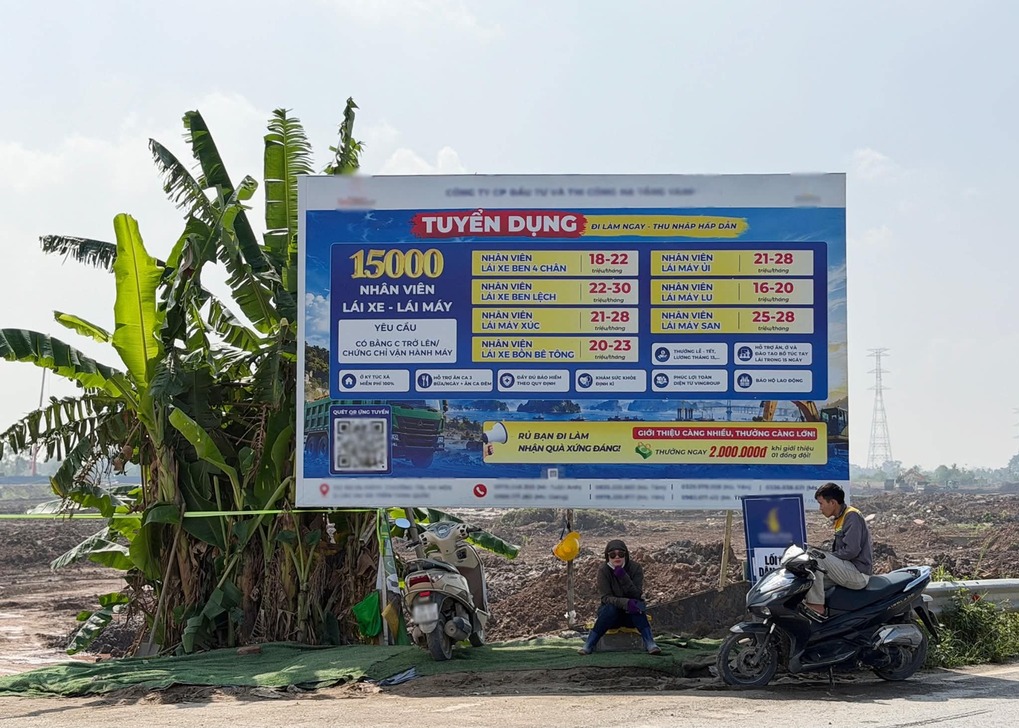
For the past several years, the construction industry in Hanoi has faced a persistent labor shortage. As the city pushes to complete major urban renewal, transport, and commercial projects, developers are struggling to find enough hands to meet strict deadlines. Official data from recruitment platforms and construction unions indicates that nearly 77% of job postings in the sector offer monthly salaries of 15 million VND or higher. Despite these competitive wages—which are significantly higher than the average income of a rural farmer—firms continue to report difficulties in filling vacancies.
Chronology of a Labor Migration
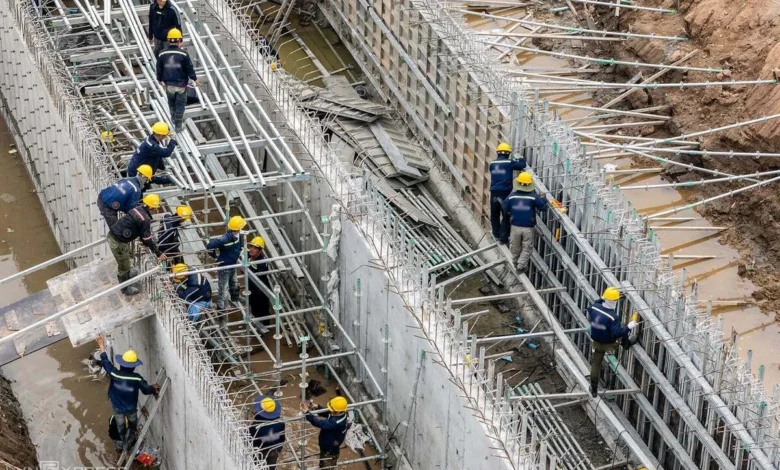
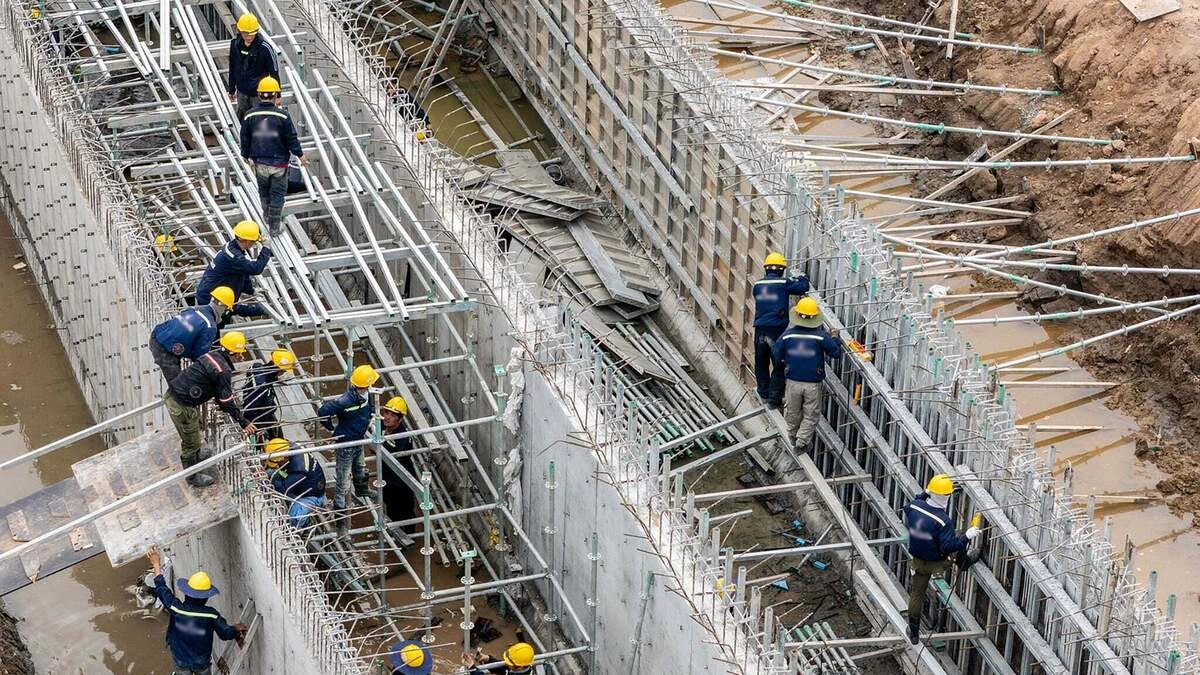
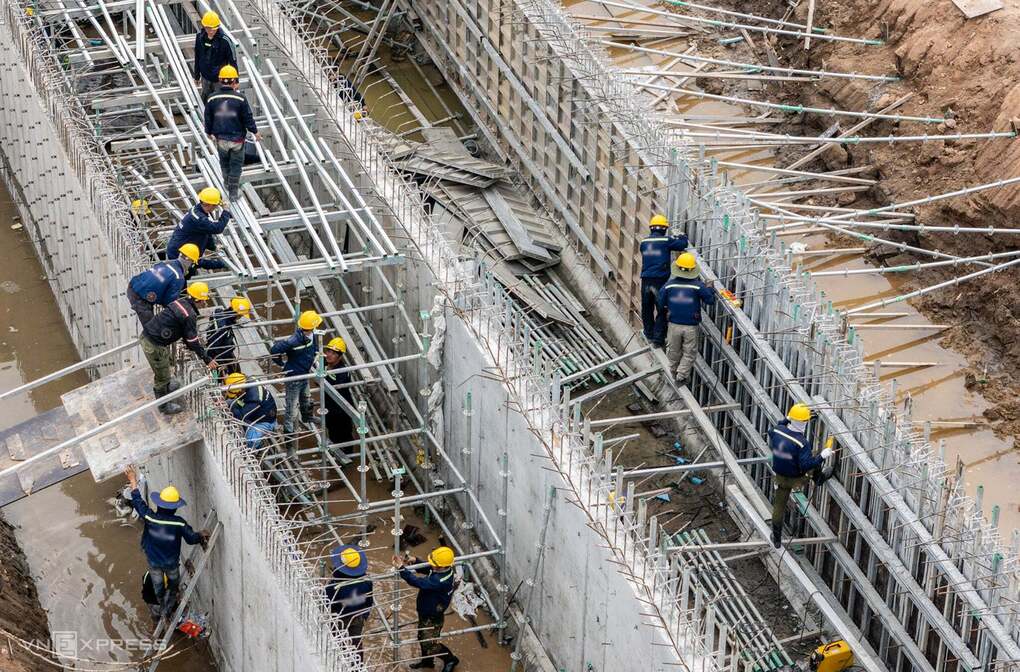
The journey for Thao and Ly began with a night bus ride from their village to the bustling, fast-paced environment of Hanoi. Upon arrival, they were met with the reality of a modern, industrial site: scaffolding rising into the sky, heavy machinery operating at full capacity, and a constant influx of transport trucks.
For the first few weeks, the couple navigated the bureaucratic requirements of their new roles. Thao, who has nearly a decade of experience operating excavators on road and bridge projects in the mountainous regions of Lai Chau, Bac Ninh, and Hung Yen, was quickly vetted for his technical skills. Ly, meanwhile, transitioned into a role specializing in ironwork and rebar binding. Under the current Labor Code, both are undergoing a probationary period, receiving 85% of their base salary—amounting to approximately 10 million VND for Ly and 15 million VND for Thao—with the promise of full pay and additional benefits upon successful completion of their training.
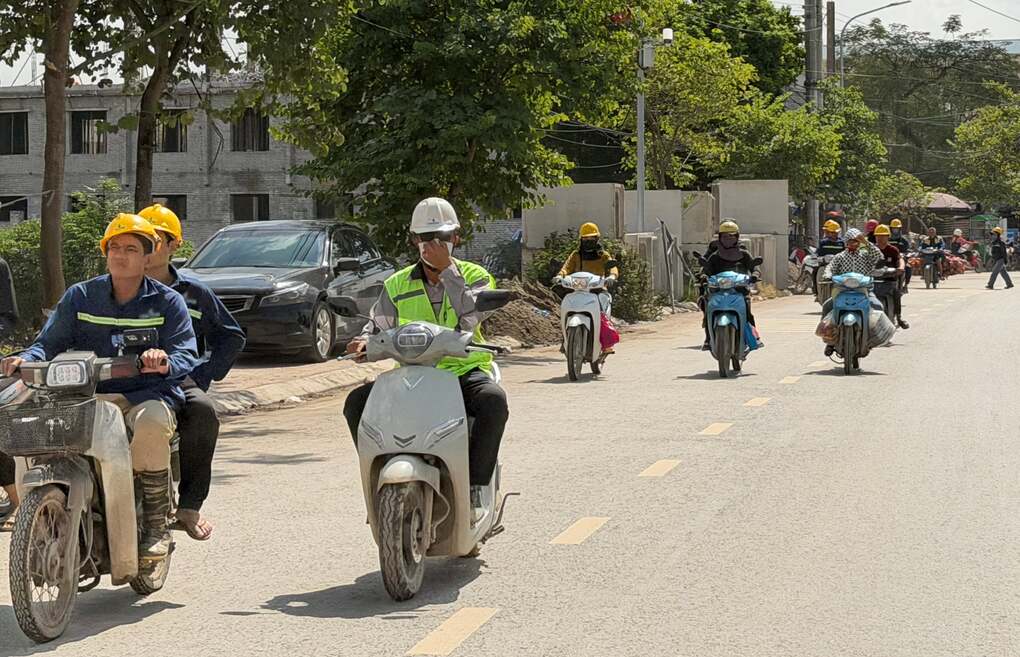
Their daily routine is a stark contrast to their previous lives. They wake before dawn, don their high-visibility safety gear, and spend their days on the construction site, often alongside other workers from the northern provinces, identified by the license plates on the motorbikes parked nearby (11, 22, 23, 25). These workers often share a common origin and language, yet they have little time for social interaction, communicating through brief greetings during shift changes.
Data and Economic Implications
The migration of labor from rural areas to urban centers is a vital component of Vietnam’s current economic growth model. As of late 2026, the demand for construction labor in Hanoi has spiked due to a series of major infrastructure projects aimed at improving connectivity and housing capacity.
A recent analysis of labor market trends shows that while official recruitment channels are active, a significant portion of the workforce is still sourced through informal networks and social media. Recruitment agencies, recognizing the need for speed, have begun offering on-site training programs that can turn an inexperienced worker into a functional laborer in as little as 15 days. These programs often include incentives such as housing support and meal provisions, which are crucial for attracting workers who lack the resources to relocate independently.
The economic impact on households like Thao’s is profound. By moving to the city, they are not only securing a higher monthly income but also building a financial safety net that allows them to plan for the future. Thao expressed a clear long-term goal: to save enough money to build a new house for his family back in the village. This goal, which would have taken decades of farming to achieve, now feels attainable within a few years of construction work in the capital.
Challenges of Urban Integration
Despite the financial benefits, the transition is not without its hardships. Housing in Hanoi is expensive and competitive. Many laborers, including Thao and Ly, live in cramped, makeshift rental rooms with thin walls and limited amenities. The cost of living—including food and utilities—eats into their monthly earnings, forcing them to make difficult choices.
Ly and Thao, for example, often opt to purchase pre-packaged meals for 40,000 VND to save time, as they do not have a kitchen in their rented room. They have also had to balance their professional responsibilities with the care of their eight-year-old son, whom they initially left with grandparents before eventually bringing him to the city to live in a dormitory, ensuring he has access to education while they work.
Local authorities and developers are increasingly aware of these challenges. Some larger projects have begun investing in better on-site facilities, including cleaner housing options and improved meal services, to reduce turnover and increase worker productivity. However, the gap between the demand for labor and the quality of life provided for these workers remains a significant hurdle.
Perspectives from the Industry
Construction managers at the Thuong Tin site note that the influx of workers from the highlands has been a "lifeline" for their projects. "We look for a combination of hard skills and work ethic," one site supervisor noted. "The workers coming from the mountain provinces are accustomed to physical labor and are generally very reliable. Our primary challenge is ensuring they meet the technical safety standards required for large-scale urban development."
To address this, companies have implemented mandatory safety training and technical assessment programs. Workers are evaluated every three months, and those who demonstrate growth in their skills are rewarded with promotions and pay raises. This structured approach to career development is helping to professionalize the labor force and is turning what was once a transient job into a viable career path for thousands of rural migrants.
A Broader Socio-Economic Shift
The movement of people from the rural, mountainous regions of the North toward the industrial hubs of the Red River Delta is a reflection of Vietnam’s ongoing structural transformation. As agriculture becomes more mechanized and land usage shifts, the traditional village model is evolving.
The implications of this shift are wide-ranging:
- Remittances: The money sent back to the villages is helping to modernize rural infrastructure, fund education for the next generation, and improve the standard of living for those who remain behind.
- Skill Acquisition: Migrant workers are returning home with new technical skills—ranging from machine operation to construction management—that can be applied to local development projects in their home provinces.
- Urbanization Strains: The rapid influx of labor places a significant burden on Hanoi’s social infrastructure, including public transport, healthcare, and schools, necessitating a proactive policy response from the municipal government.
As Thao and his peers continue to labor on the front lines of Hanoi’s expansion, they remain driven by the hope of a better future. For them, the city is not just a place of employment; it is a gateway to a life that offers security, opportunity, and the means to improve the conditions of their families back in the mountains. Whether this internal migration will continue to surge or stabilize will depend on the continued growth of the construction sector and the ability of urban centers to integrate this vital, mobile workforce effectively.
Related posts: