Da Nang Accelerates Social Housing Development, Planning Nearly 40,000 Units for 2026-2030 Period

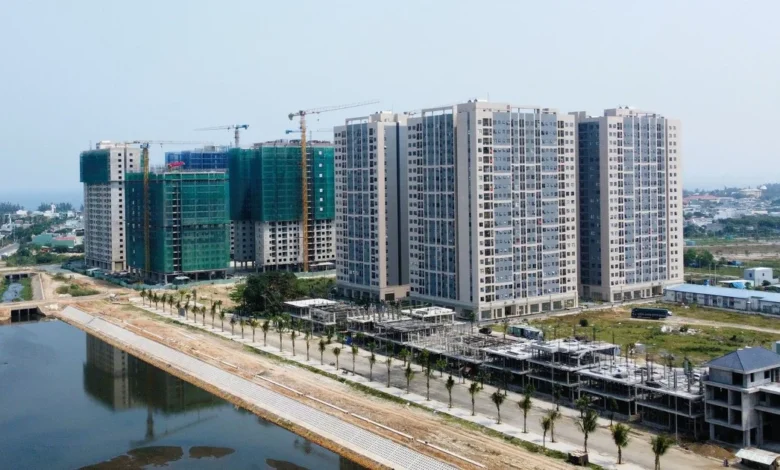
Da Nang, Vietnam – July 23, 2026 – Da Nang City is aggressively pushing forward with its social housing development strategy, with ambitious plans to commence construction on 44 new social housing projects, comprising approximately 39,541 units, between 2026 and 2030. This initiative represents a significant scaling up of the city’s efforts to address housing needs, exceeding the targets set for the current phase. The announcement was made by Mr. Le Van Tuan, Deputy Director of the Department of Construction, who oversees urban development, policies on housing for sale, and social housing affairs.
The city has already achieved considerable success in its social housing endeavors. During the 2021-2025 period, Da Nang successfully completed nine social housing projects, delivering a total of 6,352 units. This figure surpasses the initial plan of 6,121 units by a notable margin, indicating a robust pace of development and a strong commitment from the municipal authorities. Within this timeframe, 2025 alone saw the completion of five projects, providing 2,907 units, exceeding the annual target by 8%.
Building on this momentum, Da Nang’s Municipal People’s Committee has approved new investment projects and initiated the development of an additional two projects, which will contribute 1,259 units to the social housing stock. Furthermore, three new projects have been launched, encompassing 3,266 units. The Management Board of Chu Lai Economic Zone has also approved one project with 684 units, further expanding the city’s social housing pipeline.
The period from 2026 to 2030 is marked by an even more aggressive expansion, with 44 projects slated for development. This forward-looking plan aims to deliver nearly 40,000 units, representing an approximate 150% increase over the current phase’s targets. Of these, one project with approximately 568 units has already been completed. A significant portion of these planned units, 24 projects totaling around 21,563 units, have received approval for investment. These approved projects are at various stages of implementation: five are currently under construction with 4,388 units; 12 are undergoing investment procedures and awaiting commencement with 8,047 units; one project is in the final stages of inspection with 1,176 units; three are in the process of site clearance with 2,072 units; and three are in the selection phase for investment with 5,880 units. Notably, in 2026 alone, approval has been granted for eight new projects, expected to yield approximately 5,872 units. An additional 19 projects, comprising 17,410 units, are still awaiting investment approval.
The city is also looking ahead to the latter half of 2026, with plans to kick off eight more social housing projects, adding an estimated 4,879 units to the market.
Beyond new construction, Da Nang is actively managing its existing social housing assets. The Da Nang Center for Urban Area Management and Exploitation is overseeing the allocation of 10,794 units for social housing purposes. This includes 1,874 studio apartments designated for students, which constitute approximately 70% of the city’s social housing units that are managed by public property. This strategic allocation underscores the city’s multi-faceted approach to housing solutions, catering to diverse demographic needs.
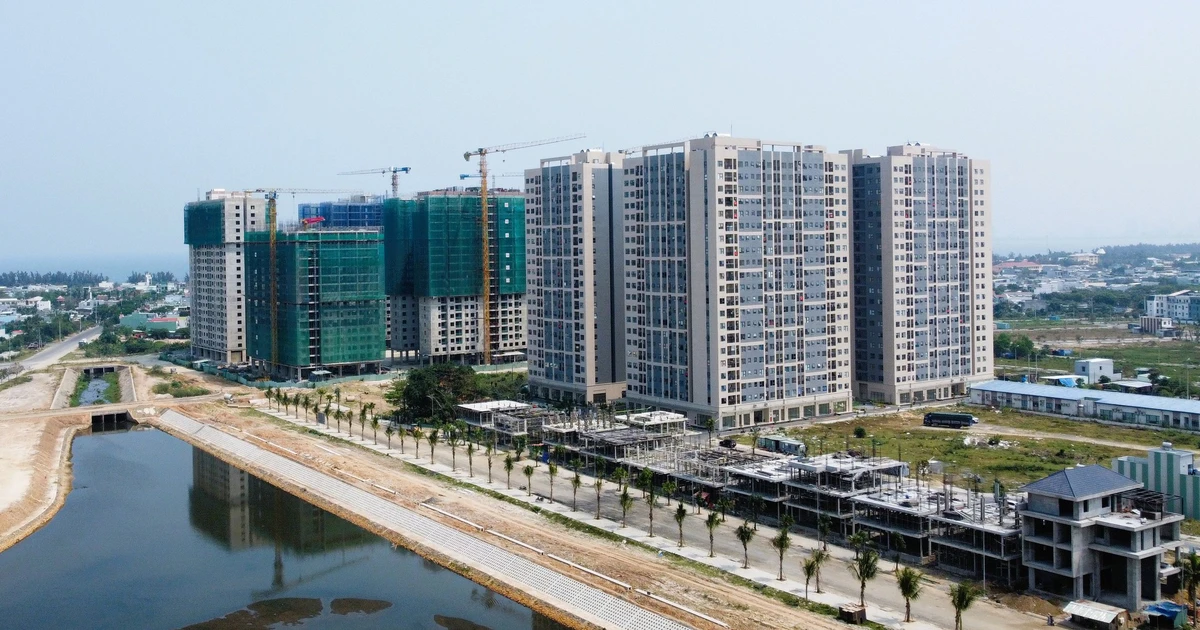
The Department of Finance in Da Nang has reported a strong recovery and significant growth in construction activities within the city during the first six months of 2026. The construction sector has shown robust growth, reflecting the city’s dynamic economic environment and its commitment to infrastructural development. The total investment in construction projects has seen a substantial increase, estimated at around 61,351 billion VND (approximately $2.4 billion USD), indicating a high level of confidence from both public and private investors.
Background and Context of Social Housing Development in Da Nang
Da Nang’s commitment to social housing is deeply rooted in its urban development strategy, which prioritizes affordable and accessible housing for its growing population, particularly for low-income families, workers in industrial zones, and young professionals. The city’s rapid economic growth and influx of skilled labor have created a sustained demand for housing, making social housing a critical component of its urban planning.
The social housing initiatives in Da Nang are not merely about building units; they are designed to foster inclusive communities and support the city’s overall socio-economic stability. By providing affordable housing options, the city aims to retain its workforce, attract new talent, and ensure that its development benefits a broad spectrum of its residents. This approach aligns with national policies promoting social welfare and sustainable urban development.
Timeline of Key Milestones
- 2021-2025: Da Nang successfully completes nine social housing projects, delivering 6,352 units, exceeding the initial target by 4%.
- 2025: Five projects are completed, providing 2,907 units, surpassing the target by 8%.
- Current Phase (Ongoing): Approval of two new investment projects (1,259 units) and commencement of three projects (3,266 units). Chu Lai Economic Zone Management Board approves one project (684 units).
- 2026-2030: Ambitious plan to commence 44 social housing projects, aiming for approximately 39,541 units.
- 2026: One project (568 units) completed. Approval granted for eight new projects (5,872 units). 24 projects (21,563 units) approved for investment. 19 projects (17,410 units) awaiting approval.
- Late 2026: Plans to commence eight additional projects (4,879 units).
Supporting Data and Economic Context
The surge in social housing development is supported by a favorable economic climate in Da Nang. The city has consistently attracted foreign direct investment (FDI), particularly in high-tech industries, tourism, and services. This economic vitality translates into job creation and a growing demand for housing, especially for workers in these sectors who may not be able to afford market-rate housing.
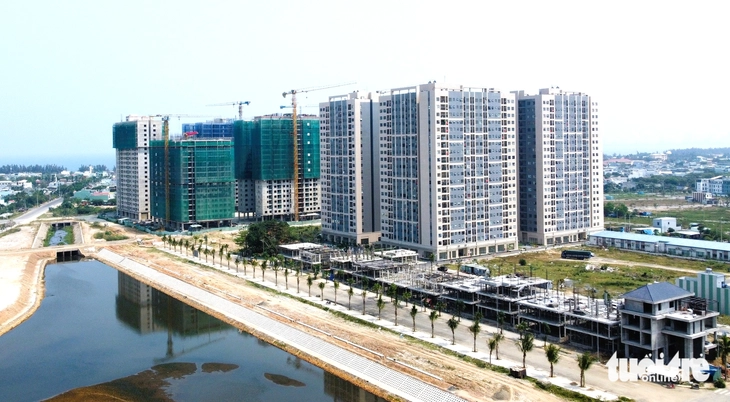
The total investment figures for construction in the city highlight the scale of development. The estimated 61,351 billion VND represents a significant capital injection into the urban landscape, with social housing being a crucial element of this expansion. This investment is expected to stimulate economic activity, create jobs in the construction sector, and contribute to the overall GDP of the region.
Official Responses and Policy Drivers
Mr. Le Van Tuan’s statements emphasize the strategic importance of social housing in Da Nang’s urban planning. The Department of Construction plays a pivotal role in guiding and implementing these policies, ensuring that projects meet quality standards and affordability criteria. The approval of new projects and the proactive management of existing ones demonstrate the municipal government’s responsiveness to the evolving housing market and its commitment to social equity.
The city’s approach is likely influenced by national housing policies that encourage the development of social housing to support economic growth and social welfare. By exceeding targets and setting even more ambitious goals for the next phase, Da Nang is positioning itself as a leader in addressing housing affordability challenges within Vietnam.
Broader Impact and Implications
The accelerated pace of social housing development in Da Nang is expected to have several significant implications:
- Improved Affordability: Increased supply of social housing will help stabilize housing prices and make homeownership or rental more accessible for a larger segment of the population.
- Economic Stimulation: The construction boom associated with these projects will create numerous jobs, boosting employment in the region and contributing to local economic growth.
- Enhanced Quality of Life: Providing stable and affordable housing can improve the quality of life for residents, leading to better health outcomes, educational opportunities, and overall community well-being.
- Urban Planning Integration: The focus on social housing ensures that urban development remains inclusive, preventing the formation of disadvantaged communities and fostering social cohesion.
- Investor Confidence: The consistent progress and ambitious future plans signal a stable and supportive environment for real estate investment, potentially attracting further domestic and international capital to Da Nang’s housing market.
As Da Nang continues to expand its social housing portfolio, it is setting a precedent for other Vietnamese cities grappling with similar housing affordability issues. The success of these initiatives will be crucial in shaping a more equitable and sustainable urban future for the city and its residents.