Multiple Vehicles Suffer Severe Engine Failure Due to Water-Contaminated Fuel at South Australian Service Station

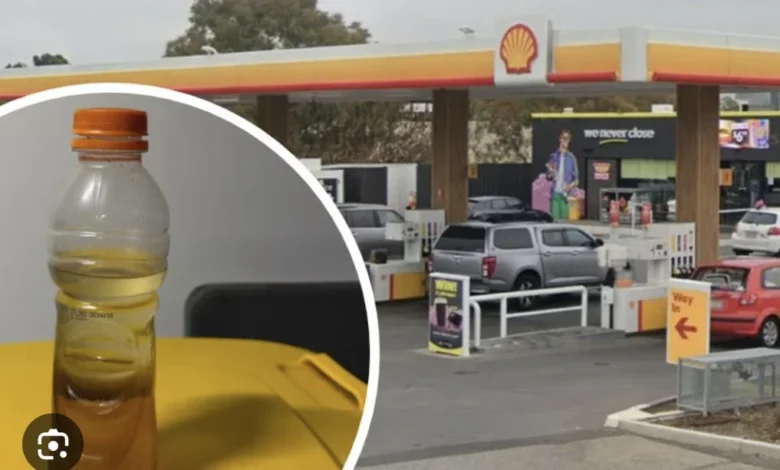
A routine trip to fill up a vehicle’s fuel tank turned into a frustrating and costly ordeal for numerous motorists in South Australia, highlighting vulnerabilities in underground fuel storage infrastructure during adverse weather conditions. The incident, which centered around the OTR Hope Valley service station, left several drivers stranded with heavily contaminated fuel, sparking complaints, mounting repair bills, and calls for accountability from affected consumers.
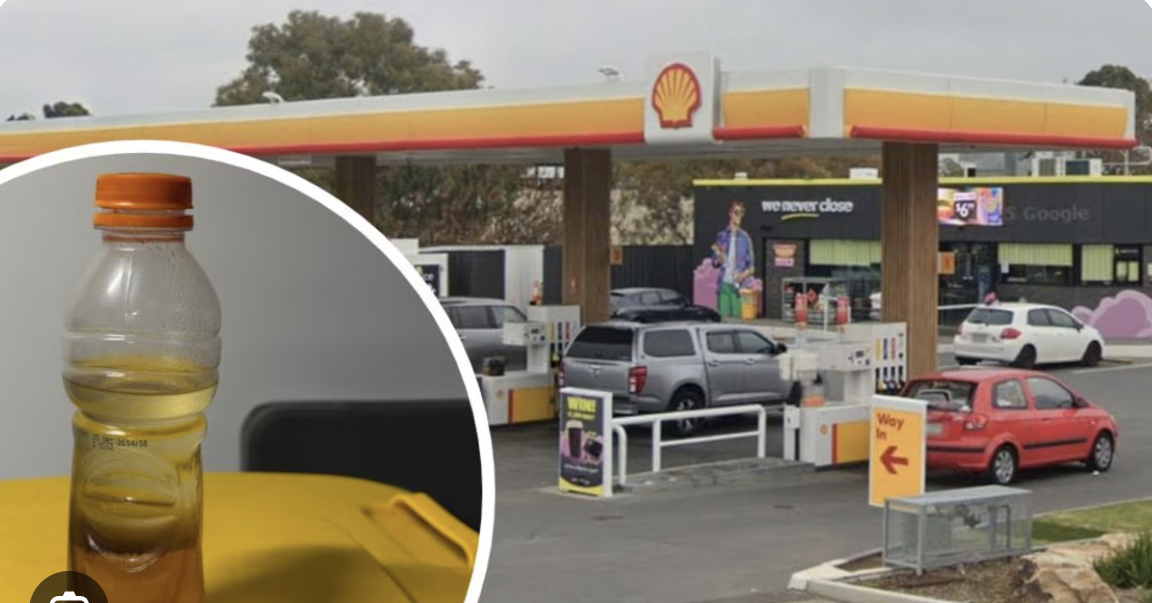
The core of the issue emerged in mid-August when multiple motorists who refueled their cars at the OTR Hope Valley station experienced sudden mechanical failures shortly after leaving the premises. Among those affected was Maja Kruger, a 45-year-old mother of two from Rostrevor. Driving on her way home last month, Ms. Kruger stopped at the Grand Junction Road station, spending approximately 90 AUD (roughly 1.6 million VND) to fill her vehicle’s fuel tank with regular Shell 91 unleaded gasoline.
However, her journey was cut short just four kilometers down the road. The vehicle abruptly lost power, sputtered violently, and shook as if operating on incorrect or failing components. Despite pressing the accelerator and attempting to downshift, the situation deteriorated rapidly until the car stalled completely.
Ms. Kruger managed to pull over to the side of the road, but subsequent attempts to restart the engine proved futile. Ultimately, she was forced to contact the Royal Automobile Association (RAA) for roadside assistance. While the initial roadside technician could not immediately diagnose the root cause of the breakdown, the vehicle was eventually towed to a mechanical workshop nearly two and a half hours later.
By the following day, mechanics made a startling discovery: laboratory and workshop checks confirmed that water had infiltrated the fuel tank, severely compromising the quality of the gasoline and contaminating the entire fuel supply system of the vehicle.
Chronology of Mechanical Failures and Workshop Findings
The mechanical fallout from the contaminated fuel extended far beyond a single isolated vehicle. Daniel La Starza, the owner of Motorossi Mechanical Repairs, reported handling a strikingly similar case around the same period. According to Mr. La Starza, another customer who refueled at the same OTR Hope Valley location experienced severe mechanical sputtering and complete engine shutdown just one kilometer after leaving the station.
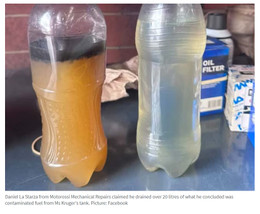
Upon inspecting the vehicle’s fuel rail and electrical systems, Mr. La Starza extracted approximately 20 liters of contaminated fuel from the tank before thoroughly flushing the entire fuel delivery system. With a decade of experience in the mechanical industry, Mr. La Starza noted that this was the most severe case of fuel contamination he had ever witnessed in his career. He added that the second vehicle was fortunate to have stalled early, as continued operation under such conditions could have inflicted catastrophic and irreversible damage to internal engine components.
Based on his professional assessment, Mr. La Starza hypothesized that heavy rainfall recorded shortly before the incidents may have caused rainwater to seep into the underground fuel storage tanks at the service station. While this remains an expert deduction rather than an officially confirmed root cause, such environmental vulnerabilities are a recognized risk for aging or compromised subterranean fuel infrastructure during extreme weather events.
Escalating Financial Burden and Consumer Frustration
Following the confirmation of fuel contamination, affected motorists faced substantial out-of-pocket expenses to restore their vehicles to operational condition. Ms. Kruger subsequently contacted OTR management to lodge a formal complaint and request compensation of approximately 1,300 AUD (around 23 million VND) to cover the costs of tank cleaning and mechanical repairs.
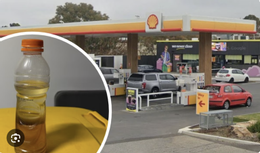
To her dismay, the compensation request was rejected by the company. OTR officials stated that they had not received similar complaints from other customers at the time of her initial outreach, a claim that added to the consumer’s frustration given the emergence of multiple parallel reports.
Reflecting on the stressful ordeal, Ms. Kruger emphasized that her vehicle had been functioning perfectly prior to the refueling incident. When she initially called the service station to inquire about potential fuel issues immediately after breaking down, station staff maintained that routine checks showed everything was operating normally. It was only later, as reports from other drivers surfaced, that the scale of the issue became apparent. Ms. Kruger noted that the prolonged administrative back-and-forth has left her deeply anxious every time she visits a petrol station to refuel.
Corporate Response and Industry Context
As complaints mounted, OTR acknowledged receiving at least four formal reports from motorists who purchased fuel at the Hope Valley branch during mid-August. Prior to this cluster of incidents, another OTR location in Christies Beach had also received complaints regarding water ingress into fuel supplies, prompting internal investigations.
A spokesperson for OTR issued a statement addressing the situation, emphasizing that the company takes fuel quality concerns with the utmost seriousness. The spokesperson confirmed that all reported incidents are currently under active investigation. However, due to the ongoing nature of the inquiries, the corporation noted that it would be premature to speculate on the definitive cause of the mechanical failures or to officially confirm whether the issues were directly linked to the fuel sold at the station.
Industry observers note that fuel contamination events, while relatively rare, pose significant challenges for both retailers and consumers. Underground storage tanks are engineered with rigorous safety and sealing standards to prevent groundwater and rainwater infiltration. However, extreme precipitation events, seal degradation, or structural shifts can occasionally compromise these safeguards. When water mixes with unleaded gasoline, it separates due to density differences, sitting at the bottom of the tank where fuel pumps can easily draw it into customer vehicles, leading to immediate combustion failure.
Broader Implications for Fuel Retail Safety
The incidents at OTR Hope Valley and Christies Beach underscore the critical importance of rigorous quality control and proactive maintenance across retail fuel networks. For motorists, unexpected mechanical failures not only impose heavy financial burdens through towing fees, tank flushing, and parts replacement, but they also create dangerous situations on busy roadways when vehicles lose power unexpectedly.
As independent mechanics and corporate investigators continue to review the data surrounding the South Australian incidents, affected drivers are urging fuel retailers to establish more transparent compensation mechanisms and faster response protocols when fuel quality is compromised. The unfolding situation serves as a stark reminder of the delicate reliance modern transportation places on the integrity of fuel supply chains, from the refinery down to the local service station pump.