The Nutritional Science of Longevity: An Analysis of Traditional Japanese Superfoods and Their Impact on Age-Related Health and Metabolic Function

The global fascination with Japan’s high life expectancy has long directed scientific inquiry toward the nation’s dietary habits, specifically the consumption of fermented soy, nutrient-dense marine vegetation, and antioxidant-rich beverages. Japan consistently ranks at the top of World Health Organization (WHO) longevity charts, a phenomenon attributed not only to an advanced healthcare system but also to the "Washoku" (traditional Japanese) diet. Central to this dietary framework are five specific components: natto, miso, seaweed, ginger, and green tea. These staples provide a complex matrix of probiotics, vitamins, and minerals that collectively combat the physiological decline associated with aging, such as bone density loss, chronic inflammation, and metabolic slowing. As the global population ages, nutritionists and medical professionals are increasingly looking toward these traditional foods as a blueprint for proactive geriatric health management.
The Role of Fermented Soy: Natto and the Nattokinase Enzyme
Natto, a traditional dish consisting of soybeans fermented with Bacillus subtilis var. natto, is perhaps the most distinctive element of the Japanese breakfast. Characterized by its pungent aroma and mucilaginous texture, natto is a nutritional powerhouse particularly beneficial for the aging skeletal and cardiovascular systems. The fermentation process transforms the humble soybean into a delivery vehicle for Vitamin K2, specifically the menaquinone-7 (MK-7) subtype. Clinical data suggests that Vitamin K2 is essential for bone mineralization, as it activates osteocalcin, a protein that binds calcium to the bone matrix. Without sufficient K2, calcium may instead deposit in the arterial walls, leading to calcification and increased cardiovascular risk.
Furthermore, natto is the sole source of nattokinase, a potent fibrinolytic enzyme discovered by Dr. Hiroyuki Sumi in 1980. Nattokinase has been shown in various studies to assist in the dissolution of blood clots and the improvement of blood flow, providing a natural defense against stroke and heart disease. For the elderly, the introduction of Bacillus subtilis through natto also serves to fortify the gut microbiome. A healthy gut flora is directly linked to enhanced nutrient absorption and a more robust immune response, which typically wanes in later decades of life.
Miso: Probiotic Synergy and Digestive Efficiency
Miso, a fermented paste made from soybeans, sea salt, and the koji mold (Aspergillus oryzae), serves as the foundational flavoring for Japanese soups. Beyond its culinary utility, miso is a significant source of probiotics—beneficial bacteria that maintain the balance of the digestive tract. As the human body ages, the production of digestive enzymes naturally decreases, often leading to issues such as bloating, indigestion, and malabsorption of essential nutrients. Miso addresses this by providing a rich array of enzymes that assist in breaking down proteins and carbohydrates more effectively.
Research into fermented foods suggests that regular consumption of miso may also play a role in blood pressure regulation, despite its salt content. Scientists believe that the fermentation process releases specific peptides that act as ACE inhibitors, helping to keep blood vessels relaxed. For the aging population, incorporating miso into the daily diet offers a low-calorie method of maintaining gastrointestinal health and ensuring that the body can derive maximum benefit from other consumed nutrients.
Marine Vegetation: The Mineral Density of Seaweed
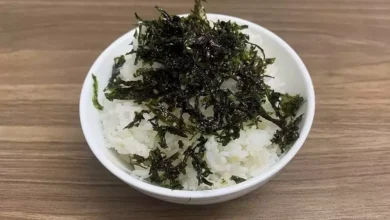
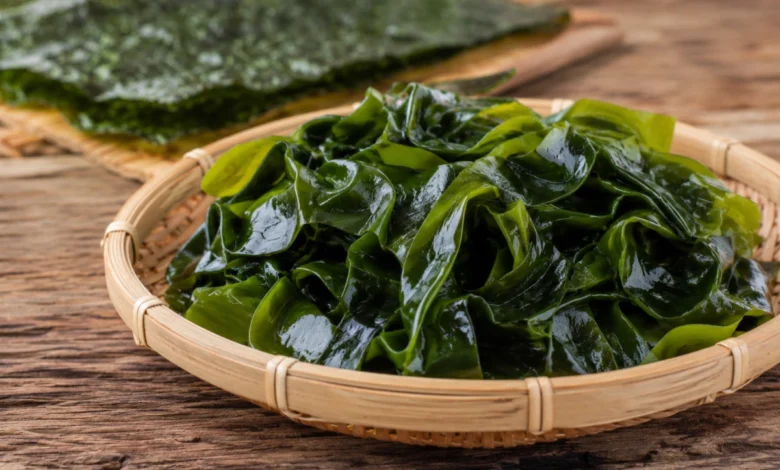
Seaweed, or "sea vegetables," including varieties such as Nori, Wakame, and Kombu, provides a concentration of minerals rarely found in terrestrial plants. For the aging body, seaweed is a vital source of iodine, which is critical for thyroid function. The thyroid gland regulates metabolism, body temperature, and heart rate; a decline in thyroid efficiency is a common hallmark of aging, particularly in women. Additionally, seaweed is rich in calcium and magnesium, two minerals that work in tandem to maintain bone structural integrity and prevent the onset of osteoporosis.
One of the most significant bioactive compounds found in brown seaweeds is fucoidan, a sulfated polysaccharide. Fucoidan has been the subject of numerous oncological and geriatric studies due to its antioxidant and anti-inflammatory properties. Specifically, fucoidan is believed to inhibit the breakdown of bone tissue by free radicals, thereby slowing the rate of age-related bone loss. However, public health experts advise caution regarding the source of seaweed products. Due to the bioaccumulative nature of marine plants, they can contain trace amounts of heavy metals like arsenic, lead, and mercury. Consumers are encouraged to prioritize products that have undergone rigorous purity testing and to consume seaweed as part of a balanced, rather than excessive, diet.
Ginger: A Natural Countermeasure to Inflammaging
Inflammation is a natural immune response, but "inflammaging"—a term coined by geriatricians to describe chronic, low-grade inflammation—is a major driver of age-related diseases. Ginger (Zingiber officinale) has been utilized in Japanese medicine and cuisine for centuries as a potent anti-inflammatory agent. The active compounds in ginger, including gingerols and shogaols, inhibit the synthesis of pro-inflammatory cytokines. By reducing systemic inflammation, ginger helps mitigate the symptoms of arthritis, protects cardiovascular health, and may even slow cognitive decline.
In the context of digestive health, ginger is particularly effective for the elderly who may experience "gastric stasis" or slow digestion. It stimulates the secretion of saliva and gastric juices, facilitating easier movement of food through the digestive tract. A common Japanese practice involves the consumption of ginger tea—freshly sliced ginger steeped in warm water—which can be enhanced with honey or lemon. When consumed in the morning, this tonic acts as a stimulant for the digestive system, preparing the body for the day’s metabolic demands.
Green Tea: The Antioxidant Shield of Catechins
Green tea, specifically the varieties grown and processed in Japan like Sencha and Matcha, is perhaps the most researched beverage in the context of longevity. The primary health benefits of green tea are derived from its high concentration of catechins, a type of natural phenol and antioxidant. The most potent of these is epigallocatechin gallate (EGCG), which has been shown to protect cells from oxidative stress and DNA damage. Regular green tea consumption is associated with a lower risk of type 2 diabetes, as catechins help regulate blood sugar levels and improve insulin sensitivity.
Beyond physical health, green tea contains L-theanine, an amino acid that promotes relaxation and cognitive focus without the jittery effects often associated with coffee. This makes it an ideal beverage for maintaining brain health in older adults. However, nutritional guidelines suggest specific protocols for consumption to maximize benefits. It is recommended to wait at least 30 to 60 minutes after a meal before drinking green tea, as the tannins can interfere with the absorption of dietary iron and protein. Furthermore, due to its caffeine content, it is best avoided in the evening to prevent sleep disturbances, which are already a common concern for the elderly.
Chronology of the Japanese Diet: From Tradition to Global Science
The evolution of these dietary staples follows a long historical trajectory. Natto and miso were popularized during the Edo period (1603–1868) as affordable, storable protein sources for the masses. Green tea, once a luxury for monks and the elite, became a social staple by the 18th century. It was not until the late 20th century, however, that Western medical science began to quantify the "why" behind the health benefits of these foods.
In the 1990s, the "Okinawa Centenarian Study" brought global attention to the Japanese diet, revealing that the islands’ oldest residents had significantly lower rates of heart disease and dementia compared to their Western counterparts. This sparked a decades-long wave of clinical trials focusing on specific compounds like nattokinase and EGCG. Today, these traditional foods are no longer viewed merely as cultural artifacts but as "functional foods"—substances that provide health benefits beyond basic nutrition.
Expert Analysis and Public Health Implications
Public health experts and dietitians emphasize that the benefits of these foods are cumulative and synergistic. "The Japanese diet is not just about the individual ingredients; it is about the frequency and the combination," says Dr. Hiroshi Watanabe, a specialist in geriatric nutrition. "When you combine the probiotics of miso with the minerals of seaweed and the antioxidants of green tea, you are creating a multi-layered defense system for the body."
The implications of adopting aspects of the Japanese diet are significant for global healthcare systems. As countries grapple with the rising costs of treating chronic, age-related illnesses, a shift toward preventative nutrition could alleviate some of the financial burdens on public health infrastructure. Integrating fermented foods and plant-based minerals into the standard diet offers a non-pharmacological approach to managing cholesterol, bone density, and gut health.
Conclusion and Future Outlook
The traditional Japanese diet offers a profound example of how cultural culinary practices can align with modern biological requirements for healthy aging. By focusing on gut health through fermentation, bone integrity through specialized vitamins and minerals, and systemic protection through antioxidants, this dietary model addresses the primary vulnerabilities of the aging human body.
While no single food is a "silver bullet" for immortality, the evidence supporting natto, miso, seaweed, ginger, and green tea suggests that they are vital components of a lifestyle dedicated to longevity. As research continues into the molecular mechanisms of these superfoods, it is likely that they will become even more integrated into global nutritional guidelines, serving as a bridge between ancient wisdom and contemporary medical science. For those seeking to improve their metabolic health and resilience in later life, the Japanese kitchen provides an accessible and scientifically validated starting point.