Mitsubishi Triton 4WD AT Premium Launched at 782 Million VND to Challenge Ford Ranger and Toyota Hilux

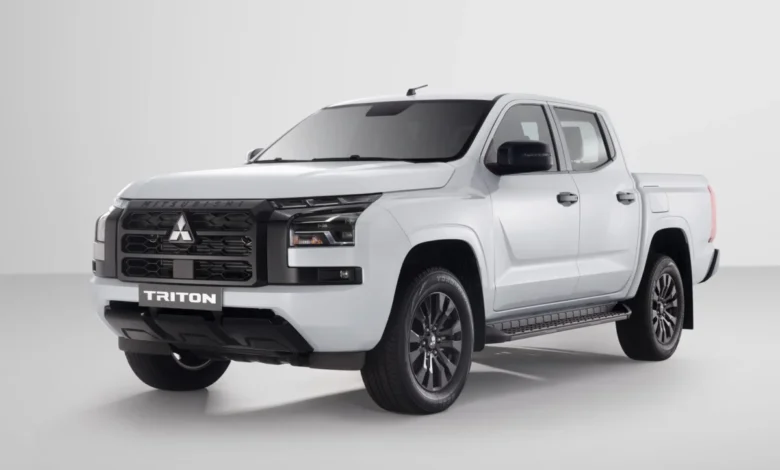
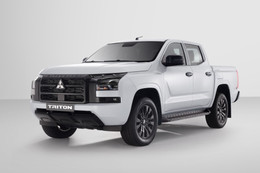
The mid-size pickup truck segment in the Vietnamese automotive market has witnessed a strategic move by Mitsubishi Motors Vietnam (MMV), as the Japanese automaker recently adjusted its lineup by introducing significant hardware upgrades to the Triton mid-grade Premium variant. By transitioning the drivetrain from a single-axle setup (2WD) to a full four-wheel-drive system (4WD), along with the integration of a locking differential and multiple driving modes, Mitsubishi aims to strengthen its competitive edge against formidable segment heavyweights such as the Ford Ranger and Toyota Hilux. Remarkably, despite these extensive mechanical and capability enhancements, the retail price remains unchanged at 782 million VND, effectively positioning the vehicle as an aggressive contender aimed directly at buyers seeking uncompromised off-road capability without breaking the bank.
Strategic Product Realignment and Pricing Strategy
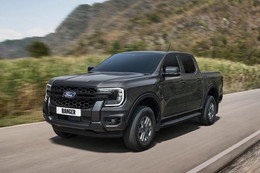
The newly introduced Mitsubishi Triton 4WD AT Premium directly replaces the former 2WD AT Premium variant, signaling a calculated shift in MMV’s product strategy. The deliberate choice to maintain the entry threshold at 782 million VND creates an immediate clash with the Ford Ranger XLS 2.0L 4X4 AT, which carries a manufacturer suggested retail price of 776 million VND. With a nominal price difference of just 6 million VND, the rivalry between these two specific configurations has instantly become one of the most compelling and closely watched battles in the local pickup segment.
While the Ford Ranger enjoys widespread brand recognition and dominant market share, its XLS 4×4 variant relies on a more basic 4WD system, a lower-output 2.0-liter engine generating 168 horsepower, standard halogen headlights, and an absence of a locking differential. Conversely, the Triton 4WD AT Premium steps up to the sophisticated Super Select 4WD-II system, modern LED projector headlights, and larger alloy wheels, giving it an undeniable hardware advantage for buyers who prioritize mechanical prowess.
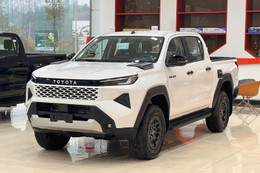
However, industry analysts note that hardware specifications alone do not guarantee total market dominance. Ford leverages an extensive dealership network, a mature parts ecosystem, and a comprehensive lifestyle accessories portfolio—critical selling points for commercial and long-term private owners alike. Meanwhile, the Toyota Hilux Pro 4×2 represents another intriguing alternative priced significantly lower at 706 million VND, offering a larger 2.8-liter engine with 201 horsepower. Nevertheless, because the Hilux Pro remains strictly a two-wheel-drive vehicle, it concedes a massive functional advantage to the Triton when navigating unpaved trails, muddy terrains, or demanding off-road conditions.
Exterior Enhancements and Exterior Adjustments
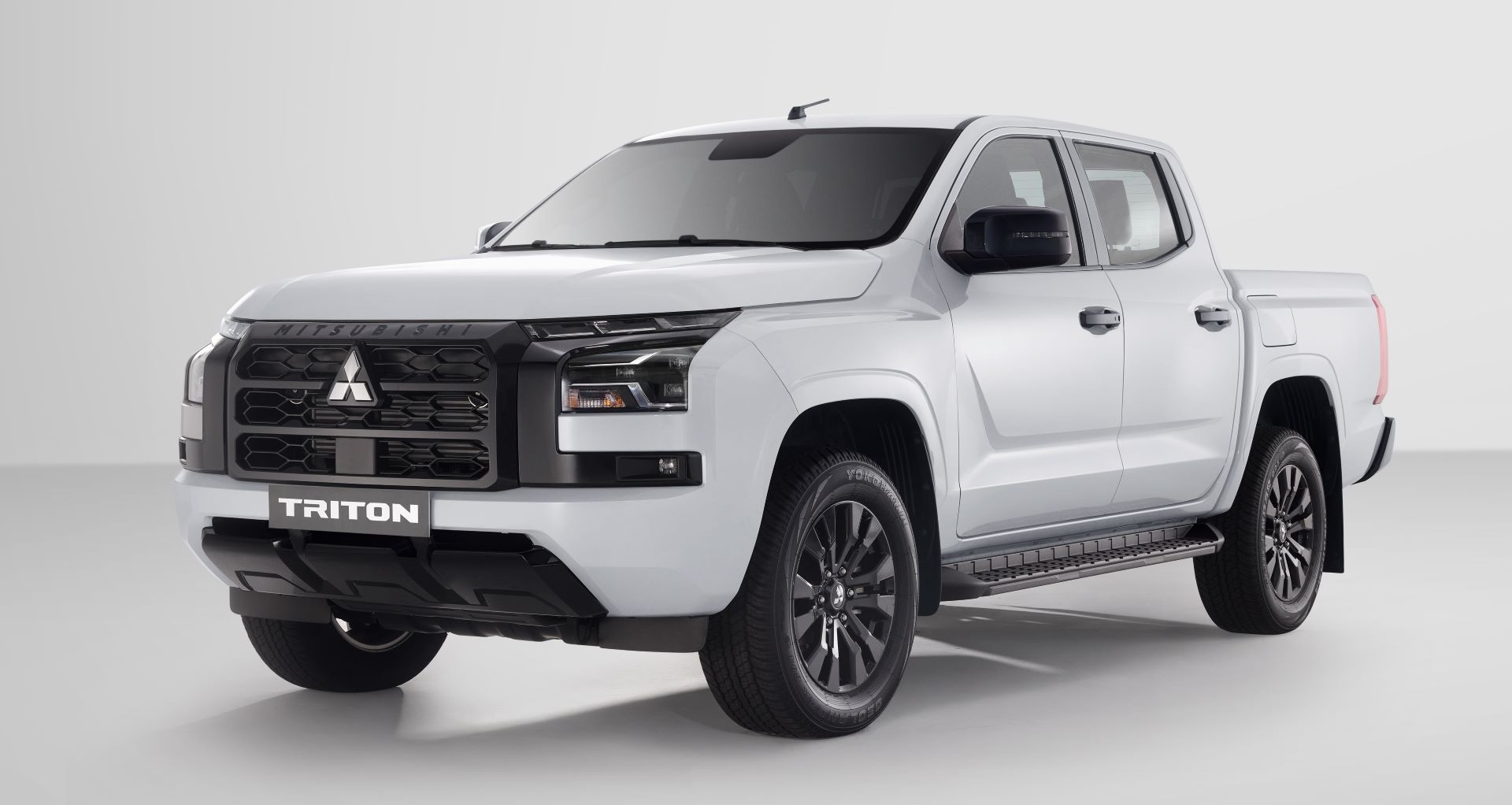
Compared to its 2WD predecessor, the Mitsubishi Triton 4WD AT Premium features a series of distinct exterior modifications tailored to reinforce its rugged aesthetic appeal. The front grille, exterior door handles, and alloy wheels are all treated in a dark, matte-black finish, projecting a bolder and more aggressive stance on the road. Furthermore, the cargo bed has been upgraded with a utility sports bar, which not only enhances the truck’s visual proportions but also improves functional utility by making tailgate operations smoother and more ergonomic for daily users.
In terms of dimensions and structural integrity, the vehicle maintains the robust architectural foundation that underpins the latest-generation Triton platform. The reinforced ladder-frame chassis ensures high torsional rigidity, providing a stable platform capable of handling heavy payloads and enduring severe driving conditions. The integration of advanced aerodynamics and thoughtfully designed body panels helps minimize wind noise at highway speeds while optimizing fuel efficiency during long-distance hauling tasks.
Interior Comfort Adjustments and Safety Trade-offs
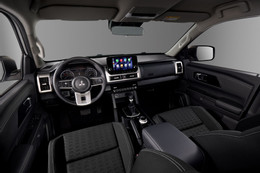
Inside the cabin, the Triton 4WD AT Premium undergoes specific trim adjustments to accommodate the substantial cost of the upgraded four-wheel-drive hardware. Most notably, the vehicle replaces the leather upholstery and eight-way power-adjustable driver’s seat found in the 2WD Premium variant with durable fabric seats and manual seat adjustments. While this interior modification may represent a minor downgrade in terms of luxury touchpoints, it reflects a pragmatic compromise by the manufacturer to deliver advanced off-road capability at an accessible price point.
Safety specifications on the new variant present a balanced mix of standard protections and selective omissions. The vehicle is equipped with stability control for cornering, hill descent control, and a traction management suite designed to assist drivers on challenging inclines. However, the model notably omits the tire pressure monitoring system (TPMS) found on higher-tier trims. Despite this omission, the core safety net remains comprehensive, featuring seven SRS airbags, front and rear parking sensors, a rearview camera, speed-limiting functions, electronic stability control, hill-start assist, and active yaw control.
Powertrain and Off-Road Performance
Beneath the sculpted hood, the Triton 4WD AT Premium retains its proven 2.4-liter MIVEC diesel engine. The powerplant delivers a maximum output of 181 horsepower and a peak torque of 430 Nm, paired smoothly with a 6-speed automatic transmission. This powertrain configuration provides ample pulling power across a wide RPM band, making it well-suited for heavy towing, rapid highway passing, and crawling over rough terrain.
The crown jewel of this new variant is the inclusion of Mitsubishi’s acclaimed Super Select 4WD-II system, complemented by a locking differential and seven distinct driving modes (Normal, Eco, Gravel, Snow, Mud, Sand, and Rock). This advanced system allows drivers to seamlessly switch between two-wheel drive and four-wheel drive high range at speeds up to 100 km/h, offering a level of versatility and terrain adaptability that few competitors in the sub-800-million-VND price bracket can match. Whether tackling slick muddy worksites or rocky highland passes, the mechanical layout provides drivers with exceptional confidence and control.
Market Context and Recent Sales Momentum
The timing of this product adjustment coincides with a fascinating period of volatility within Vietnam’s pickup truck landscape. In August, the Mitsubishi Triton delivered a sensational performance by capturing the top spot in the segment with 1,145 units sold—a remarkable surge representing nearly an eightfold increase compared to previous monthly figures, allowing it to temporarily outsell segment giants like the Ford Ranger and Toyota Hilux.
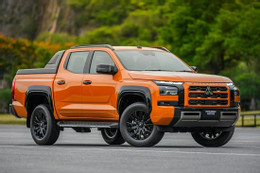
Despite this explosive single-month growth, the cumulative sales volume for the Triton during the first eight months of the year stands at 2,826 units, leaving a significant gap to close against the dominant market leaders. Industry observers suggest that while August proved that the Triton possesses breakthrough potential when incentives and supply alignments converge, maintaining long-term momentum requires a diverse and competitively priced lineup.
By introducing the 4WD AT Premium at a highly strategic price point, Mitsubishi Motors Vietnam hopes to capture a broader demographic of buyers who require genuine dual-purpose utility: comfortable daily commuting combined with serious off-road capability. As the automotive market enters the final stretch of 2026, this strategic maneuver is expected to intensify competition, compelling rival brands to reevaluate their pricing and feature distributions to protect their respective market shares.