Medical Experts Warn of Severe Neurological Complications as Hand Foot and Mouth Disease Cases Surge Across Vietnam

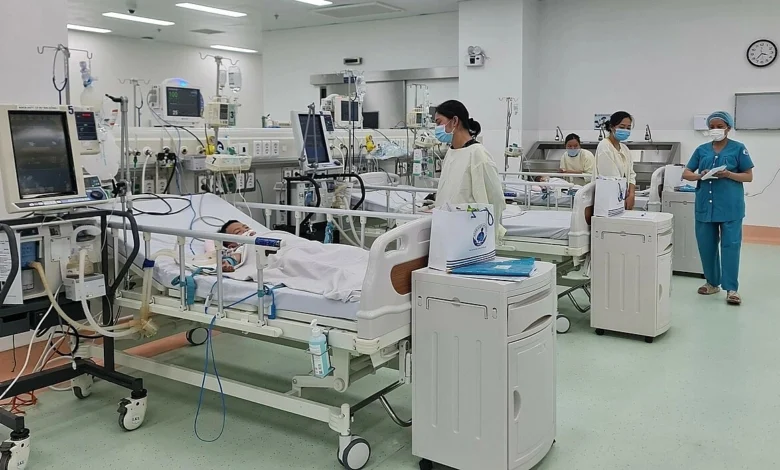
Hand, foot, and mouth disease (HFMD) is currently experiencing a significant and concerning surge across multiple provinces in Vietnam, with healthcare authorities reporting a sharp increase in both the volume of cases and the severity of clinical presentations. In the southern province of Ca Mau, health department figures indicate that more than 1,470 cases have been recorded since the beginning of the year, representing a staggering 149% increase compared to the same period last year. Similarly, Ho Chi Minh City, the nation’s largest metropolitan hub, has seen cumulative cases surpass the 20,400 mark, placing immense pressure on pediatric hospitals and infectious disease departments.
As the outbreak intensifies, medical professionals are emphasizing the critical importance of early detection and the recognition of "red flag" symptoms that often appear between the second and fifth day of the illness. While many cases of HFMD are mild and self-limiting, the current circulation of the Enterovirus 71 (EV71) strain has raised the stakes for parents and caregivers, as this particular genotype is notorious for causing rapid clinical deterioration, severe neurological damage, and, in tragic instances, fatalities.
The Epidemiological Landscape and the EV71 Threat
According to Dr. Truong Huu Khanh, Vice President of the Ho Chi Minh City Infectious Diseases Society, Vietnam typically experiences two distinct peak seasons for hand, foot, and mouth disease. The first major wave generally occurs between April and July, followed by a second surge during the final months of the year as weather patterns shift and children return to communal school environments.
The current epidemiological data for 2026 suggests that the virus is circulating with high virulence. The identification of EV71 in a significant portion of the samples is particularly alarming. Unlike the more common Coxsackievirus A16, which usually results in mild symptoms and a quick recovery, EV71 has a high affinity for the central nervous system. It can cause brainstem encephalitis—an inflammation of the part of the brain that regulates vital functions such as breathing, heart rate, and blood pressure. This biological characteristic explains why children infected with EV71 can appear stable one hour and enter a state of critical organ failure the next.
The Critical Monitoring Window: Days 2 to 5
Clinical experts have identified a specific timeline that dictates the trajectory of the disease. Dr. Khanh notes that while the first day of illness might mirror a common cold or a minor viral infection, the period from the second to the fifth day is the "danger zone" where complications are most likely to manifest. During this window, the virus may begin to breach the blood-brain barrier or cause systemic inflammatory responses.
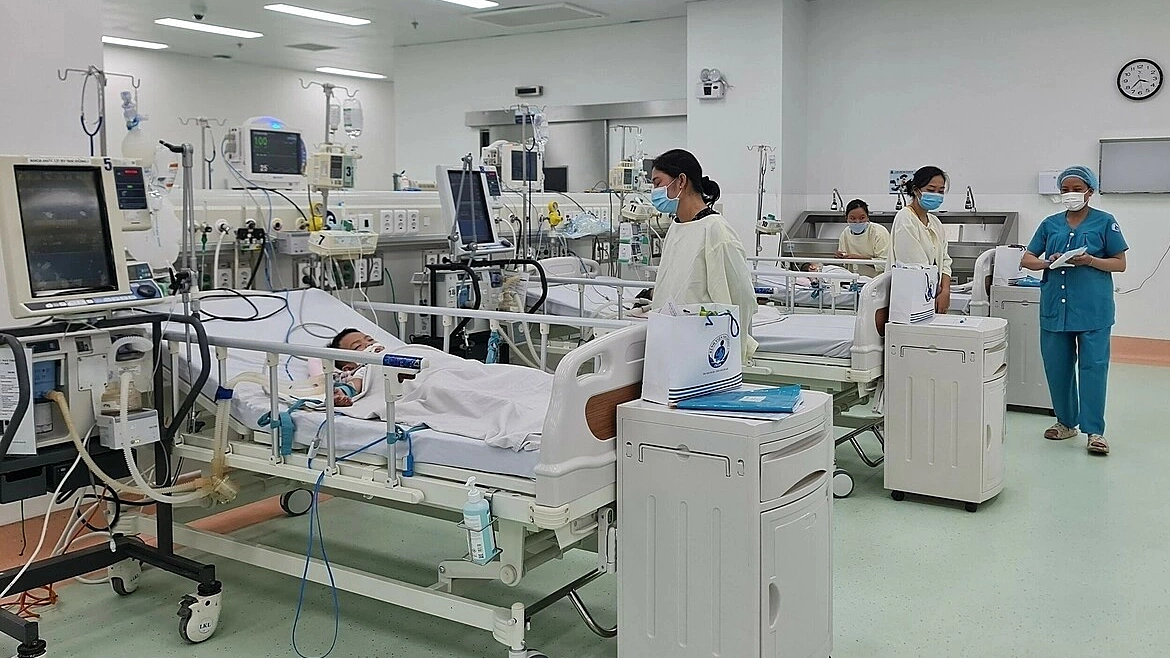
Parents are urged to monitor their children with extreme vigilance during this four-day period. The transition from a mild case to a severe "Grade 2" or "Grade 3" classification can happen within hours. Medical facilities are seeing an influx of patients who require intensive care, including mechanical ventilation and continuous renal replacement therapy (blood filtration), particularly at major institutions like Children’s Hospital 1 in Ho Chi Minh City.
Recognizing the Neurological ‘Red Flags’
One of the most distinctive and dangerous signs of neurological involvement in HFMD is the "startle reflex" (giật mình). Dr. Khanh explains that this is not the typical twitching a child might experience when falling into a deep sleep. Instead, it is a sudden, jerky movement that often occurs as the child is just beginning to doze off or while they are resting. The child may throw their arms out, look startled or frightened, and then quickly return to a restless sleep. If this occurs more than twice in a 30-minute period, or if it increases in frequency, it is a definitive sign that the virus is affecting the brain and requires immediate hospitalization.
Other critical warning signs that necessitate urgent medical intervention include:
- Persistent High Fever: A temperature of 39°C (102.2°F) or higher that does not respond to standard antipyretic medications like paracetamol or ibuprofen.
- Projectile or Persistent Vomiting: Nausea and vomiting that occur even when the child has not eaten, indicating increased intracranial pressure.
- Motor Instability: Tremors in the hands or feet, an unsteady gait (ataxia), or a sudden weakness in the limbs that prevents the child from standing or walking normally.
- Autonomic Nervous System Dysfunction: Rapid pulse (tachycardia), profuse sweating, and cold extremities despite a high core body temperature.
Clinical Progression and Severe Complications
In mild cases, HFMD typically presents with a low-grade fever, loss of appetite, and a sore throat. Within one to two days, painful sores (ulcers) may develop in the mouth, followed by a skin rash with small blisters on the palms of the hands, soles of the feet, knees, elbows, and buttocks. Most children recover fully within seven to ten days with home care, which involves maintaining hydration and managing pain.
However, when the disease progresses to a severe stage, the clinical picture changes drastically. The EV71 virus can lead to:
- Meningitis: Inflammation of the membranes covering the brain and spinal cord, causing severe headache and neck stiffness.
- Encephalitis: Direct infection of the brain tissue, leading to seizures, confusion, and altered consciousness.
- Acute Flaccid Paralysis: A sudden weakness in the muscles that can mimic the symptoms of polio.
- Pulmonary Edema: A life-threatening condition where fluid builds up in the lungs, leading to respiratory failure. This is often the terminal stage in severe EV71 cases and requires advanced life support.
Historical Cycles and Public Health Context
The current surge in 2026 aligns with a historical pattern of HFMD outbreaks in Vietnam. Dr. Le Thi Truc Phuong, a medical expert from the VNVC Vaccination System, points out that the country has historically faced major HFMD cycles every three to four years. Significant outbreaks were recorded in 2011-2012, 2017-2018, and 2023.
The cyclical nature of these outbreaks is often linked to the buildup of a "susceptible population"—newborns and young children who have not yet been exposed to the virus and therefore lack natural immunity. When a virulent strain like EV71 becomes dominant during one of these cycles, the number of hospitalizations and severe outcomes tends to peak. The data from Ca Mau and Ho Chi Minh City suggests that 2026 is a high-risk year within this cycle, necessitating a robust public health response.
Breakthrough in Prevention: The EV71 Vaccine
For years, the primary defense against HFMD was limited to hygiene and isolation. However, a major shift in the preventive landscape has occurred with the Drug Administration of Vietnam, under the Ministry of Health, officially approving the first vaccine against EV71 in the country.
The vaccine is specifically designed to protect children aged two months to under six years—the demographic most vulnerable to severe complications. The VNVC Vaccination System is currently in the process of finalizing the necessary procedures to roll out the vaccine to the public. While the vaccine is a landmark development, Dr. Phuong cautions that it is not a "silver bullet." The vaccine specifically targets the EV71 strain; while this strain causes the most severe cases, children can still contract HFMD from other viruses, such as Coxsackievirus A16 or A6. Therefore, traditional hygiene measures remain indispensable.
Recommendations for Caregivers and Schools
Given the highly contagious nature of the virus, which spreads through saliva, blister fluid, and feces, hygiene remains the cornerstone of prevention. Health authorities recommend the following:
- Frequent Handwashing: Both children and caregivers should wash their hands thoroughly with soap and water after using the bathroom, changing diapers, and before preparing food.
- Sanitization of Surfaces: Toys, doorknobs, and floors in homes and schools should be disinfected daily with chlorine-based solutions or other approved sanitizers.
- Isolation of Infected Children: Children diagnosed with HFMD should stay home from school or daycare for at least 10 days or until all blisters have dried and the fever has subsided to prevent community transmission.
- No Sharing of Personal Items: Utensils, towels, and bedding should not be shared among children.
Conclusion and Analysis
The current escalation of Hand, Foot, and Mouth Disease in Vietnam serves as a stark reminder of the persistent threat posed by pediatric infectious diseases. The 149% increase in cases in provinces like Ca Mau indicates that the virus is spreading efficiently through the community. The presence of the EV71 strain elevates this from a common childhood illness to a significant public health emergency that requires the collective vigilance of the healthcare system and the public.
The approval of the EV71 vaccine marks a new era in the fight against this disease, potentially offering a way to break the cycle of severe outbreaks that have plagued the region for decades. However, until high levels of vaccine coverage are achieved, the safety of children depends on the "golden window" of early diagnosis. By recognizing the neurological warning signs—particularly the startle reflex and persistent high fever—and seeking immediate hospital care, parents can ensure that their children receive the life-saving interventions necessary to combat the most dangerous effects of the virus. Professional monitoring, coupled with the new immunization options, provides the best path forward in reducing the mortality and morbidity associated with this resurgent disease.