Iran Cites Satellite Imagery of Destroyed Facilities Near Jordan, Claims U.S. Military Sites Targeted

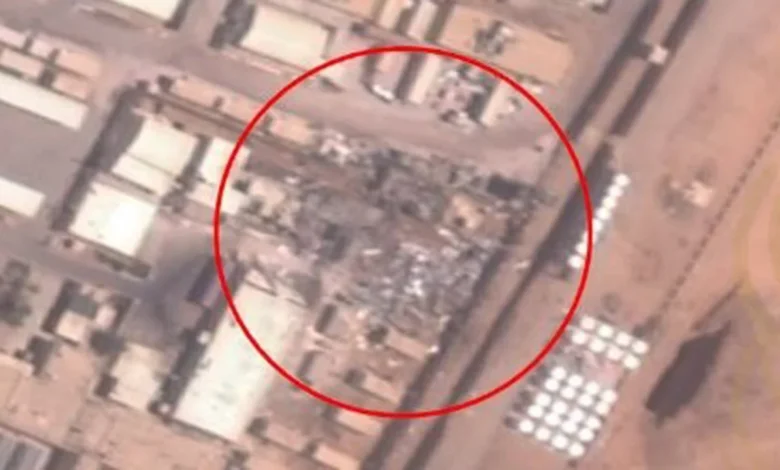
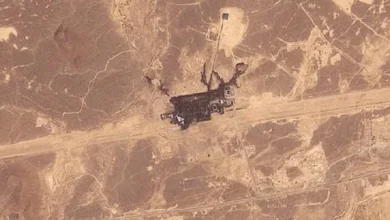
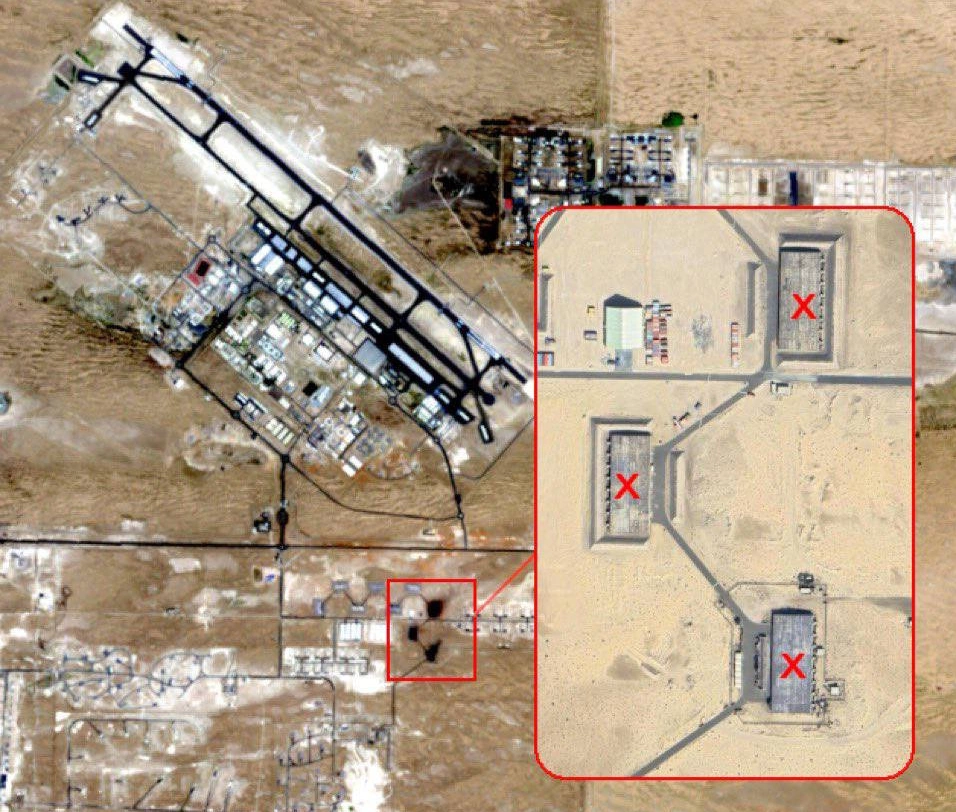
Satellite imagery released by Iran purports to show significant damage to military infrastructure, including facilities allegedly used by U.S. troops, following recent airstrikes. The Iranian news agency Tasnim reported on July 17th that the imagery, captured from high altitudes, depicts the King Faisal Air Base in Jordan as the target of a missile strike. Tasnim claims the attack resulted in the destruction of multiple structures, including at least three distinct areas that were allegedly devastated or rendered unusable.
Iranian media outlets have characterized these targeted sites as "U.S. soldier bases." Concurrently, the Middle East conflict monitoring account EGYOSINT, which tracks military activity, suggested that the damaged locations included warehouses and aircraft hangars within a military installation.
EGYOSINT, a prominent open-source intelligence account on social media, further indicated that one of the targeted facilities was a newly constructed site. "There were certainly casualties at the King Faisal Air Base, and the air force will likely suffer setbacks," the account posted. "This new facility began construction in May 2026, suggesting it was operational amidst the ongoing conflict."
Tasnim did not specify the exact date of the satellite imagery capture or the timing of the strike. However, the agency emphasized that the images "demonstrate the falsity of Jordan’s claims about confronting Iranian missile threats."
CBS News also reported on the same day, citing anonymous U.S. officials, that Iran had attacked at least two military bases in Jordan during the preceding week, resulting in casualties among U.S. personnel. The specific nature of the casualties and whether they occurred at the King Faisal Air Base was not immediately clear, nor were details provided regarding any potential losses among U.S. or Jordanian military personnel. Officials declined to confirm the strikes on the two bases.
Jordanian and U.S. military authorities have yet to comment on the reports.
In a separate incident, the Australia-based imagery analysis group Soar reported on July 16th that satellite imagery had captured damage to the Zayed Military City in the United Arab Emirates. Soar’s analysis indicated that three facilities, identified as storage depots, were completely destroyed. Zayed Military City is a significant military installation for the UAE armed forces, located in the northern part of Abu Dhabi. It also houses the UAE’s military command and the Zayed Military Hospital, which has 260 beds.
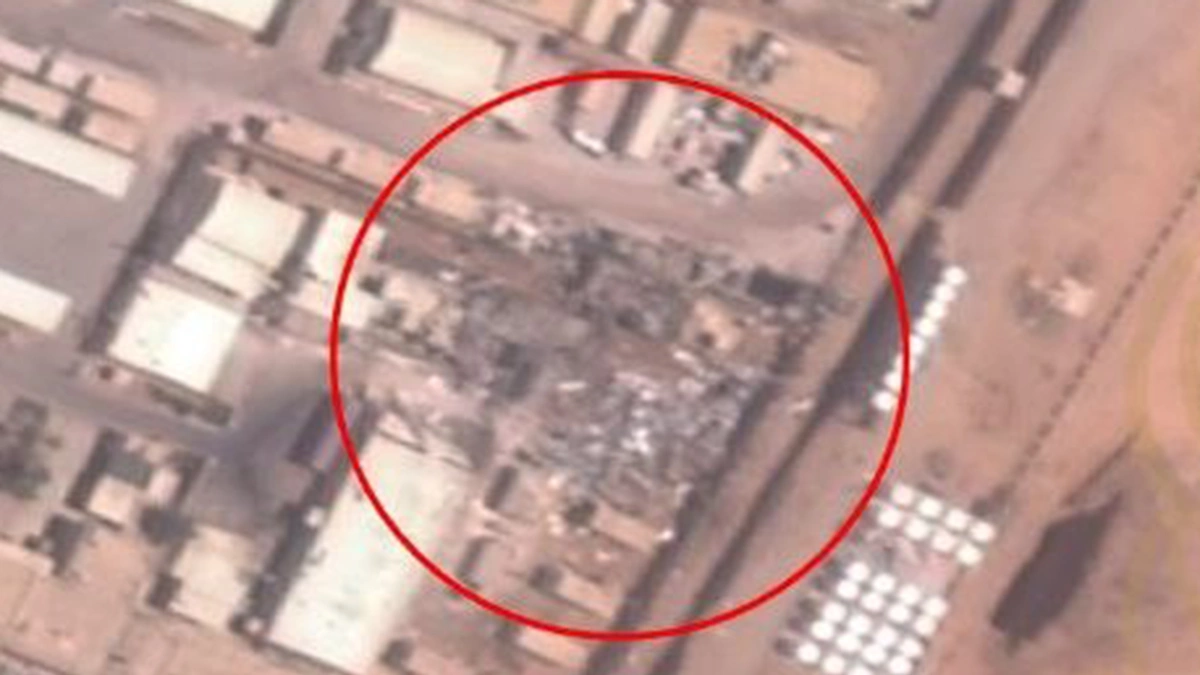
AMK Mapping, an X account specializing in conflict intelligence data, assessed that the damage at Zayed Military City was a consequence of an Iranian missile strike on July 13th. "The debris suggests a newly constructed storage facility was the primary target, with all structures collapsing," the account stated. "It is plausible that Iran successfully overcame the challenge of pinpointing and striking targets with precision missiles, given the number of targets hit. It remains unclear whether this success was achieved with long-range ballistic missiles or other means."
UAE officials have not yet commented on the imagery. The UAE military announced on July 13th that a fire had broken out at a weapons storage facility at Zayed Military City, but they asserted that the fire was quickly brought under control.
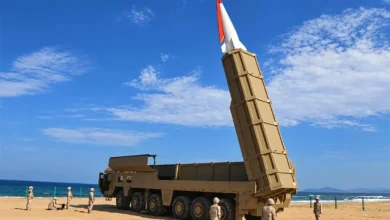
The Islamic Revolutionary Guard Corps (IRGC) of Iran announced on July 14th that it was prepared to launch ballistic missiles at "important military bases and centers of the U.S. military" at a non-nuclear facility in Jordan, as a response to perceived provocations.
Video footage, allegedly released by Iranian state media on the same day, purportedly shows four ballistic missiles descending upon King Faisal Air Base. The base’s air defense system, reportedly a Patriot missile defense system, was reportedly activated but failed to intercept any of the projectiles.
Jordanian military sources stated that they had intercepted four Iranian ballistic missiles.
Background and Context of the Alleged Strikes
The incidents raise significant concerns about the escalating regional tensions and the potential for direct confrontation between Iran and its adversaries. Iran has consistently voiced its opposition to U.S. military presence and influence in the Middle East, framing its actions as defensive responses to perceived threats and provocations. The alleged targeting of U.S. facilities in Jordan and the UAE suggests a strategic shift in Iran’s operational posture, moving beyond rhetoric to direct kinetic action against entities it deems hostile.
The King Faisal Air Base, located in Jordan, is a critical component of the country’s air defense capabilities and also serves as a hub for U.S. military operations in the region. Its strategic importance is amplified by its proximity to conflict zones and its role in regional security initiatives. The alleged destruction of facilities, including those potentially housing U.S. troops, could have significant implications for U.S. force posture and operational readiness in the Middle East.
The Zayed Military City in the UAE represents another key strategic asset in the Gulf region. Its role as a command center and its advanced infrastructure make it a high-value target. The reported destruction of storage depots there could impact the UAE’s logistical capabilities and its ability to project power.
Timeline of Events
While precise dates for all alleged events remain subject to ongoing confirmation and official statements, the reported timeline suggests a rapid escalation:
- July 13th: A fire is reported at a weapons storage facility at Zayed Military City in the UAE. AMK Mapping later identifies this as a consequence of an Iranian missile strike.
- July 13th-16th: Iran allegedly conducts missile strikes targeting military facilities in Jordan and the UAE. Satellite imagery analysis from Soar and EGYOSINT emerges, purportedly showing damage at Zayed Military City and King Faisal Air Base.
- July 14th: The IRGC announces readiness to launch ballistic missiles at U.S. military facilities in Jordan. Videos purportedly showing Iranian missiles targeting King Faisal Air Base are circulated by Iranian media. Jordan announces the interception of four Iranian ballistic missiles.
- July 16th: Soar releases satellite imagery of alleged damage at Zayed Military City.
- July 17th: Tasnim releases satellite imagery of alleged damage at King Faisal Air Base, claiming facilities used by U.S. troops were targeted. CBS News reports on alleged U.S. casualties from strikes in Jordan.
Supporting Data and Analysis
The claims made by Iranian state media and associated intelligence accounts are supported by visual evidence in the form of satellite imagery, which, while requiring independent verification, appears to corroborate significant structural damage. The analysis from entities like Soar and EGYOSINT, which specialize in open-source intelligence, lends credibility to the assertion that military installations were indeed targeted.
The nature of the alleged weapons used – ballistic missiles – indicates a sophisticated and deliberate escalation by Iran. These missiles are designed for long-range precision strikes, and their deployment against established military bases suggests a calculated effort to inflict damage and signal capabilities.
The purported failure of Patriot missile defense systems, as suggested by Iranian media, would be a significant development. If confirmed, it would imply a potential advancement in Iranian missile technology or tactics, capable of overwhelming or evading advanced Western air defense systems. This would have profound implications for regional military balances and the perceived effectiveness of U.S. defensive assets.
Official Responses and Reactions
Official responses to these incidents have been largely cautious and limited, reflecting the delicate geopolitical situation.
- Jordan: The Jordanian military confirmed intercepting Iranian ballistic missiles, suggesting an acknowledgment of an incoming threat but not explicitly confirming the origin or full extent of the strikes.
- United States: U.S. officials, as reported by CBS News, acknowledged alleged Iranian attacks on two Jordanian military bases with potential U.S. casualties. However, they have refrained from confirming specific details or the nature of the targets. The lack of direct confirmation from U.S. military command underscores the sensitivity of the situation and the ongoing efforts to de-escalate tensions.
- United Arab Emirates: UAE officials have not commented on the reports or the satellite imagery concerning Zayed Military City. Their silence may be a strategic choice to avoid further inflaming regional tensions or to conduct internal assessments before issuing a public statement.
- Iran: Iranian media, through agencies like Tasnim, has been proactive in releasing imagery and claims, positioning these actions as justified responses and demonstrations of capability. The IRGC’s statement about targeting U.S. military bases highlights Iran’s declared intent to retaliate against perceived U.S. support for adversaries.
Broader Impact and Implications
The alleged Iranian strikes have several critical implications for regional stability and international relations:
- Escalation of Regional Tensions: The direct targeting of military facilities associated with the U.S. and its regional partners represents a significant escalation. It moves beyond proxy conflicts and into a realm of potential direct engagement, increasing the risk of a wider regional war.
- Shifting Military Balance: If Iran’s claims about successful missile strikes and the evasion of air defenses prove accurate, it could alter the perceived military balance in the Middle East. This would necessitate a reassessment of defensive strategies by the U.S. and its allies.
- Economic Ramifications: Increased geopolitical instability in the Middle East, a vital hub for global energy supplies, can lead to significant fluctuations in oil prices and disrupt international trade routes, impacting the global economy.
- Diplomatic Challenges: The incidents create complex diplomatic challenges. The U.S. and its allies will need to balance deterrence with de-escalation, while Iran will likely continue to assert its regional influence. International bodies will face renewed pressure to mediate and prevent further conflict.
- Future of U.S. Military Presence: The alleged attacks could lead to a reassessment of the U.S. military footprint in the region, potentially prompting adjustments in deployment strategies or security protocols to mitigate risks.
The veracity of Iran’s claims and the full extent of the damage and casualties remain subjects of ongoing scrutiny. However, the release of detailed satellite imagery and corroborating reports from intelligence analysts suggests that significant military actions have taken place, signaling a dangerous new phase in the volatile Middle Eastern geopolitical landscape. The world watches closely as these developments unfold, with the potential for far-reaching consequences.