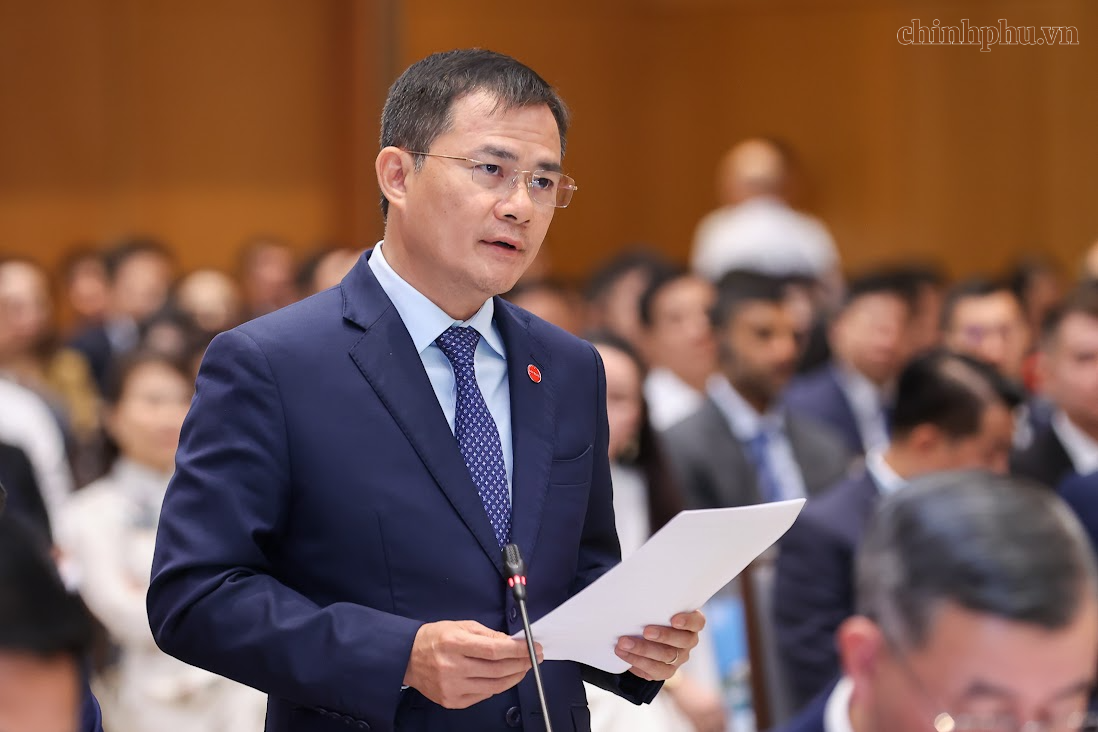
At a recent conference, representatives from domestic enterprises, private businesses, and foreign companies presented a series of crucial proposals aimed at stimulating economic growth. These forward-thinking suggestions were put forth to Prime Minister Pham Minh Chinh, outlining a clear path toward achieving the nation’s ambitious two-digit growth targets and fostering sustainable development.
The discussions, held amidst a backdrop of global economic recalibration, saw a unified front from the business community, eager to contribute innovative solutions and actionable strategies. The core of their proposals revolved around unlocking new growth engines, enhancing competitiveness, and embracing a more sustainable economic model.
Developing Tourism as a Key Economic Growth Driver
One of the most prominent recommendations focused on elevating tourism into a pivotal engine for national economic expansion. The business leaders emphasized the need for strategic investments in large-scale commercial hubs, encompassing integrated tourism, entertainment, and leisure facilities. This vision aims to create a more attractive and comprehensive offering for both domestic and international visitors.
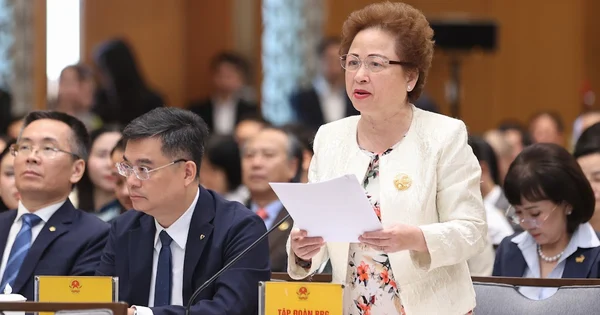
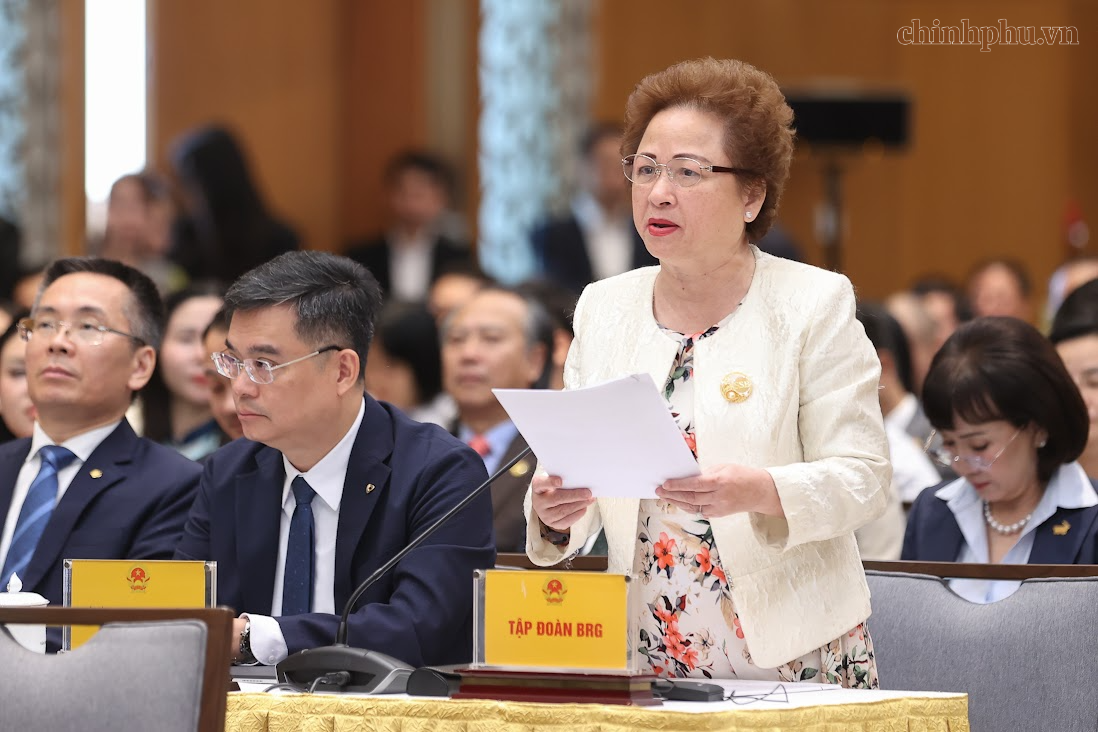
Ms. Nguyen Thi Nga, Vice Chairwoman of the Vietnam Private Business Association and Chairwoman of BRG Group, articulated a key proposal for the government to enhance the efficiency of policy implementation. A significant area highlighted was the acceleration of green finance development, positioning it as a crucial pillar for sustainable growth. While green finance has already reached VND 700,000 trillion, with an average annual growth rate of 20%, it still constitutes only about 4.3% of total outstanding capital.
Ms. Nga specifically urged the government to expedite the completion of a framework for a 2% per annum interest rate subsidy from the state budget for businesses investing in green projects and the circular economy. She also called for the timely implementation of the National Green Classification List and research into supportive mechanisms for financial institutions, including risk-sharing at the interbank level and the diversification of capital sources for domestic and international projects.
Furthermore, the development of a robust domestic retail market was stressed as a means to enhance the connectivity of manufacturing enterprises with supply chains and sophisticated distribution networks. Data from the first six months of the year showed that the retail market for goods and consumer services reached nearly VND 3.9 trillion, an increase of nearly 13%. However, many businesses and cooperatives, particularly small and medium-sized enterprises (SMEs), still face challenges in meeting the standards of modern distribution, incurring high logistics costs and lacking market information, leading to imbalances in supply and demand.
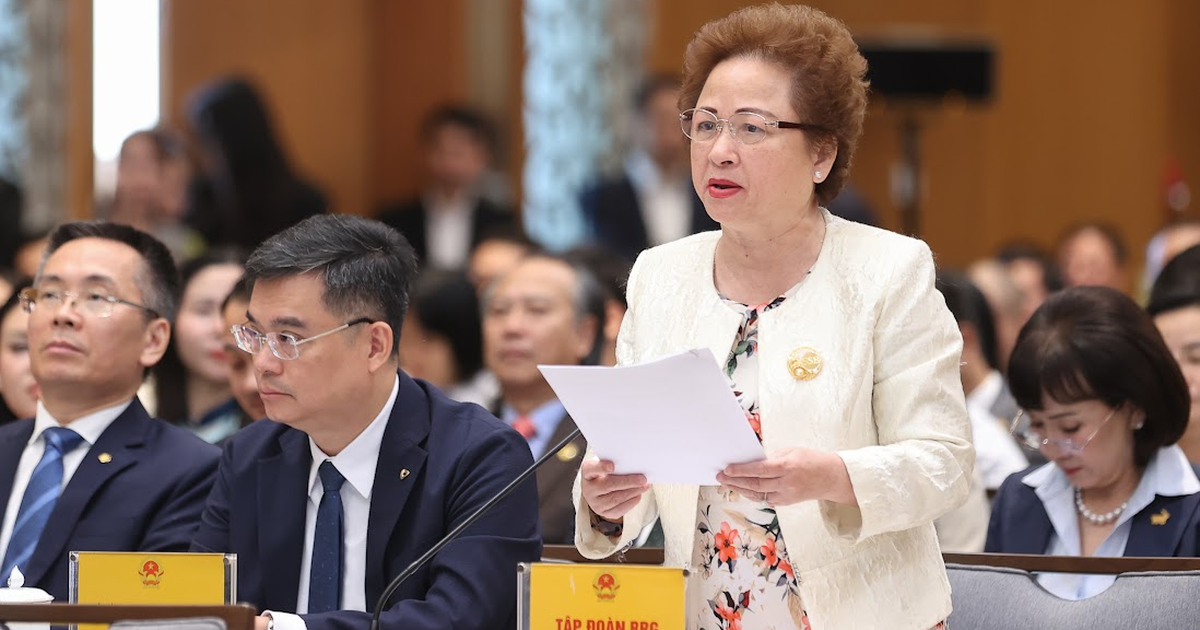
Drawing on BRG Group’s experience in operating a stable retail system, Ms. Nga noted the high demand from consumers for quality Vietnamese products. To effectively capitalize on this demand, an integrated network connecting production with distribution, supported by government initiatives, is essential.
The imperative to develop tourism as a growth driver for the economy was reiterated, with a specific focus on creating attractive destinations for large-scale entertainment and resort complexes. This includes promoting flexible and attractive tax policies for large entertainment complexes, expediting VAT refund procedures for international tourists, and actively researching tax and fee policies that enhance the competitiveness of Vietnam’s tourism sector within the region.
The development of high-quality shopping and entertainment ecosystems, Ms. Nga explained, would contribute to increasing per capita spending, extending tourist stays, and creating ripple effects across various industries such as transportation, logistics, culture, and other service sectors.
"When the strategies for developing human resources and unlocking driving forces are effectively implemented, the business community will be able to contribute more significantly to the two-digit growth target and help the government realize the dream of Vietnam becoming a prosperous nation with modern, sustainable development," Ms. Nga stated.
Forming a High-Tech Investment Enterprise Force
Representing state-owned enterprises (SOEs), Lieutenant General Tao Duc Thang, Chairman of the Board of Directors of Viettel Group, proposed that the government promptly issue a list of major, large-scale SOEs. Concurrently, it is crucial to clearly identify investment enterprises across various sectors to undertake strategic missions, contribute to national defense, and align with SOEs in fully leveraging their leading role in creating momentum for the national economy.
He further urged the government to prioritize SOEs with strong technological capabilities, capital, and market reach to participate immediately in the entire value chain, from design, testing, and research and development to production and commercialization. This includes establishing and supporting systems for data, infrastructure, and standards, as well as fostering human resources with technological expertise to bring products to market.
"Viettel proposes that the government promptly materialize this vision through policies and mechanisms to establish a national force of high-tech investment enterprises, including Viettel, VNPT, MobiFone, FPT, CMC, and others," Lieutenant General Tao Duc Thang added.
Representing foreign enterprises, Mr. Tsuchibashi Akito, General Director of Meiko Vietnam Co., Ltd. and Chairman of JCCI (Japanese Chamber of Commerce and Industry in Vietnam), expressed strong support for the government’s commitment to quality investment and the transfer of technology and human resource development to build stronger Vietnamese enterprises.
Mr. Tsuchibashi Akito presented three recommendations to the Vietnamese government: developing high-quality human resources, promoting domestic enterprises to join global supply chains, and fostering a transparent and stable business environment.
He emphasized the need to strongly promote the development of Vietnamese enterprises participating in global supply chains. Many Japanese companies wish to increase their procurement of domestic products in Vietnam; however, the participation of Vietnamese enterprises in supply chains is still limited.
The supply chains currently exist in sectors such as materials, components, and precision manufacturing, as well as in industrial service industries. Therefore, Vietnam needs to foster large, strong suppliers to support both SMEs and new startups in joining these supply chains.
"Vietnam has been very successful in attracting large-scale FDI. In the future, we must create more Vietnamese enterprises that can develop to become counterparts in global supply chains. We need to focus on upgrading technology, improving quality, investing in research and development (R&D), and training human resources to enhance labor productivity," Mr. Tsuchibashi Akito noted.
Background and Context of the Event
The conference brought together key stakeholders at a critical juncture for Vietnam’s economic trajectory. As the nation navigates post-pandemic recovery and the complexities of global trade dynamics, the government has been actively seeking input from the business sector to refine its economic policies. The Prime Minister’s engagement with these diverse business representatives underscores the government’s commitment to a collaborative approach in charting the future economic landscape.
Vietnam has demonstrated remarkable resilience and growth in recent years, driven by robust manufacturing, increasing foreign investment, and a burgeoning domestic market. However, sustained growth requires continuous adaptation and strategic foresight. This conference served as a platform for the business community to proactively offer their insights and propose solutions aligned with national development goals, particularly the ambitious target of achieving two-digit economic growth.
Timeline and Chronology of Proposals
The proposals presented at the conference represent a culmination of ongoing discussions and observations within the business community. While the specific timeline of their internal deliberations is not detailed in the provided text, the structured nature of their recommendations suggests a well-coordinated effort.
- Prior to the Conference: Business associations and individual enterprises likely engaged in internal consultations, market analysis, and research to formulate their most pressing concerns and potential solutions. This would have involved identifying key sectors for growth, areas needing policy support, and challenges hindering competitiveness.
- During the Conference: Representatives from the private sector, state-owned enterprises, and foreign investors presented their curated proposals to the Prime Minister and relevant government officials. Each group likely focused on specific areas of expertise and concern, but with an overarching goal of contributing to national economic advancement.
- Post-Conference (Implied): The government is expected to review these proposals, engage in further dialogue, and consider their integration into future policy decisions. The success of these recommendations will depend on the government’s capacity to implement them effectively and efficiently.
Supporting Data and Analysis
The data presented by the business leaders offers a snapshot of the current economic landscape and highlights areas ripe for intervention.
- Green Finance: The figure of VND 700,000 trillion in green finance indicates a significant, yet nascent, market. The 20% annual growth is encouraging, but its small share (4.3%) of total outstanding capital suggests a substantial opportunity for expansion. The proposal for a 2% interest rate subsidy aims to de-risk green investments for businesses, making them more attractive and aligning with global sustainability trends. This could stimulate investment in renewable energy, energy efficiency, and other environmentally friendly sectors, contributing to both economic growth and climate goals.
- Retail Market: The nearly 13% growth in retail sales is a positive indicator of domestic consumption power. However, the challenges faced by SMEs in meeting distribution standards and high logistics costs point to inefficiencies in the supply chain. Addressing these issues could unlock greater potential for domestic businesses, reduce reliance on imports, and create more value within the country.
- Tourism Development: The emphasis on large-scale entertainment and resort complexes, coupled with proposed tax incentives and streamlined VAT refunds, signals a strategic push to elevate Vietnam’s tourism sector. This not only aims to attract more international visitors but also to increase their spending and extend their stays, generating significant economic spillover effects. The development of a comprehensive tourism ecosystem is vital for long-term, sustainable growth.
- High-Tech Investment: The call for identifying and nurturing a force of high-tech investment enterprises, including SOEs like Viettel, VNPT, and MobiFone, reflects a national ambition to move up the value chain. By focusing on R&D, innovation, and the commercialization of advanced technologies, Vietnam can enhance its competitiveness in the global market, create high-skilled jobs, and foster a more knowledge-based economy. The inclusion of foreign expertise, as suggested by JCCI, further reinforces this strategy.
Broader Impact and Implications
The proposals presented at this conference carry significant implications for Vietnam’s economic future.
- Sustainable Growth: The strong emphasis on green finance and sustainable development indicates a strategic shift towards an environmentally conscious economic model. This aligns with global trends and can enhance Vietnam’s international reputation and attractiveness for responsible investment.
- Enhanced Competitiveness: By addressing issues in supply chain efficiency, logistics, and technological capabilities, the business community aims to bolster the competitiveness of Vietnamese enterprises on both domestic and international fronts. This can lead to increased exports, greater market share, and more resilient economic structures.
- Job Creation and Human Capital Development: The focus on high-tech industries and quality human resource development promises to create more high-skilled, well-paying jobs. This is crucial for addressing unemployment and underemployment, while also fostering a more skilled and adaptable workforce capable of driving innovation.
- Foreign Investment Synergy: The active engagement of foreign business representatives, particularly from Japan, highlights the potential for synergistic partnerships. By facilitating the integration of Vietnamese businesses into global supply chains and promoting technology transfer, Vietnam can leverage foreign investment for its own long-term development.
- Government-Business Partnership: The proactive nature of these proposals underscores a maturing government-business relationship in Vietnam. The willingness of the private sector to offer concrete solutions signals a collaborative spirit aimed at achieving shared national objectives. The government’s receptiveness to these ideas suggests a commitment to evidence-based policymaking and a dynamic approach to economic management.
The success of these proposals hinges on the government’s ability to translate them into effective policies and to ensure their efficient implementation. The coming months will likely see further discussions and potential policy shifts as Vietnam strives to achieve its ambitious economic growth targets and secure a prosperous future for its citizens.