Gia Lai Calls for Assistance from Former Adversaries to Locate Remains of Fallen Soldiers

Central Highlands Province Mobilizes Efforts, Seeks Information from Those Who Fought on the Other Side of the Battlefield
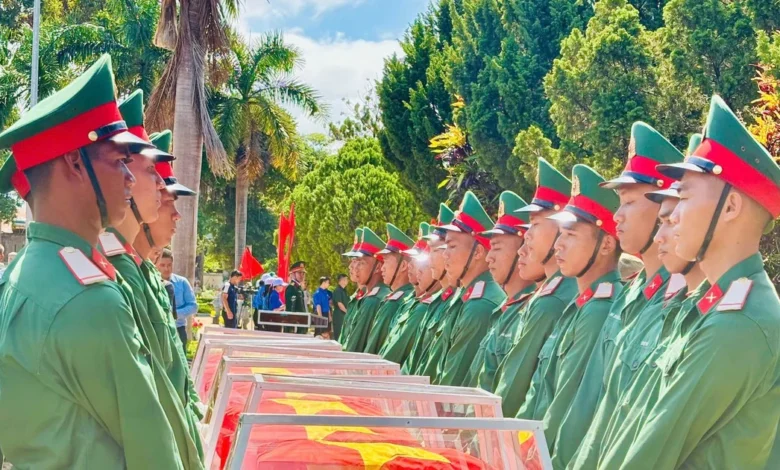
Gia Lai Province, Vietnam – Decades after the cessation of hostilities, the central highlands province of Gia Lai continues to grapple with the profound and persistent challenge of locating the resting places of numerous fallen soldiers. In a heartfelt appeal, provincial authorities are urging citizens, former soldiers, and those who once occupied the opposing front lines of past conflicts to come forward with any information that could aid in the identification and repatriation of these national heroes. The province is intensifying its efforts to gather DNA samples and compile comprehensive data to bring closure to families who have long awaited news of their loved ones.
The solemnity of this ongoing mission was underscored on July 20th during a significant meeting convened by the Provincial Steering Committee for the Search, Gathering, and Identification of Fallen Soldiers’ Remains (the Committee). This gathering marked a critical juncture in the province’s commitment to identifying the remains of patriotic martyrs and Vietnamese experts who perished during various war periods, particularly those who sacrificed their lives on Cambodian soil. The focus of the meeting was to outline and accelerate the implementation of a vital DNA sampling program aimed at confirming the identities of these heroes.
A Lingering Legacy of Sacrifice: Half a Century of Unanswered Questions
During the proceedings, Mr. Nguyen Thuy Thanh Lanh, Deputy Chairman of the Gia Lai Provincial People’s Committee, eloquently articulated the enduring impact of past conflicts. He emphasized that even over half a century after the country achieved peace and reunification, many families remain in a state of uncertainty, having never located the remains of their kin. This profound human tragedy underscores the critical importance of the ongoing search and identification efforts. Beyond mere official duty, Mr. Lanh stressed that this work carries immense humanitarian significance, reflecting deep societal values of remembrance and respect.
In response to this pressing need, the provincial leadership issued a direct plea to all relevant agencies to intensify public awareness campaigns. The call extends to motivating the general populace, former combatants, and youth volunteers to actively seek out and engage individuals who may possess crucial information about the burial sites of fallen soldiers. This includes individuals who were on the "other side of the battlefield," recognizing that perspectives and knowledge gained from all sides of a conflict can be invaluable in piecing together the fragmented history of wartime sacrifices. Concurrently, functional forces are tasked with meticulously tracking and verifying information sourced from social media and other channels to enrich the existing database for the search operations.
A Robust Initiative: Over 1,800 DNA Samples Processed for Fallen Soldier Identification
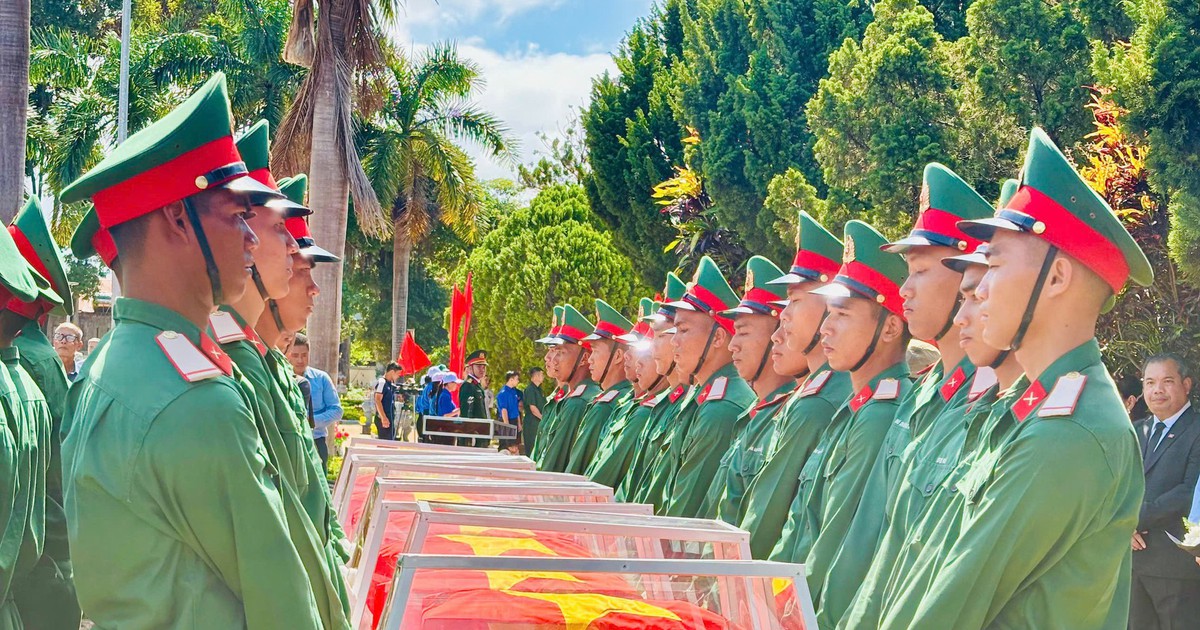
The first six months of the year have seen the Gia Lai Provincial Steering Committee diligently conduct surveys and cross-referencing at 119 martyrs’ cemeteries, documenting and digitizing nearly 42,000 remains. Within this extensive dataset, over 18,000 remains have been cataloged with identifying information, while more than 11,800 have accompanying fragmented details. A significant portion, nearly 12,000 sets of remains, still lack any identifying information. All compiled data is undergoing centralization and analysis to support the crucial task of confirming the identities of fallen soldiers.
Since June 15th, specialized teams have been systematically collecting biological samples from remains within Gia Lai Province. As of July 17th, these teams had exhumed over 2,800 sets of remains from 19 martyrs’ cemeteries, with 13 of these cemeteries having completed the sampling process. This initiative has yielded over 1,800 samples suitable for DNA identification, alongside more than 1,000 samples deemed unsuitable for immediate analysis. Over 1,500 of these collected samples have already been transferred to the Forensic Medicine Institute under the Ministry of National Defense for further processing.
Navigating the Complexities: Challenges in Locating and Identifying Remains
Colonel Vu Thanh Hai, Head of the Political Department of the Gia Lai Provincial Military Command, shared insights into the inherent difficulties encountered during this extensive operation. He noted that many remains have been interred for decades, some predating the country’s reunification, and have suffered significant degradation over time, rendering them unsuitable for DNA extraction. Furthermore, delays in the digitization of data have impacted the pace of identification efforts.
The passage of time has also brought about profound demographic shifts. Many individuals who possessed direct knowledge of burial sites are now elderly, with some having passed away. This age factor, coupled with the changing landscape and the passage of many years since the war, makes the task of searching for and identifying fallen soldiers increasingly arduous. The logistical challenges associated with transporting DNA samples from Gia Lai, particularly when matching them with existing reference samples, present another layer of complexity. The province’s DNA samples are being transported to specialized laboratories for analysis, but the successful matching of these samples relies heavily on the availability of corresponding reference DNA.
Leveraging New Information Streams: Enhancing the Search for Fallen Soldiers’ Remains
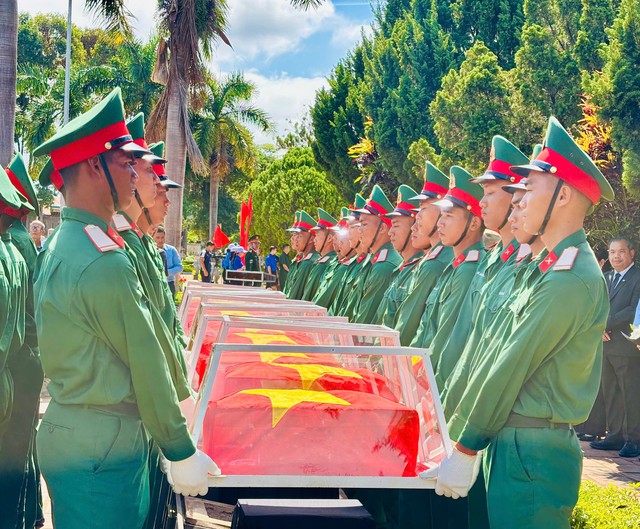
The Provincial Steering Committee in Gia Lai has identified a crucial source of information concerning 147 fallen soldiers from the French colonial era who perished in the Dak Po region. Consequently, there is an urgent need to collaborate with former soldiers and living witnesses, many of whom are now over 90 years old, to accurately pinpoint the burial locations of these heroes. This proactive engagement is vital to ensure that their resting places are identified before the last surviving witnesses pass away.
One particular area that has garnered significant attention is Xuan Son commune (formerly part of Hoai An district, Binh Dinh province, but now within Gia Lai province). This location is historically significant as the site of a fierce battle involving the 22nd Regiment of the 3rd Sao Vang Division in late December 1966. Previously, authorities had successfully located and repatriated 60 sets of fallen soldiers’ remains from a cemetery in Hoai An. However, according to military records and the accounts of eyewitnesses, the area may still hold additional fallen soldiers whose remains have yet to be discovered. This necessitates continued extensive excavation and verification.
Further underscoring the scale of the challenge, Major Vu Tan Tai, Chief of the Political Department of the Gia Lai Provincial Military Command, reported that the K’Bang commune also contains a significant burial site in the Knak area with a large number of fallen soldiers’ remains. Initial searches in this area yielded 18 sets of remains, followed by the discovery of approximately 250 more in a subsequent phase. Although no additional remains have been found in the most recent search, eyewitnesses remain convinced that the area likely holds more fallen soldiers’ resting places, requiring further investigation.
Innovative Approaches and Collaborative Efforts for Remembrance
During the meeting, the Gia Lai Provincial Association of Former Soldiers proposed several innovative solutions to support the ongoing mission. These include establishing a "Gia Lai Fallen Heroes’ Bank," developing a map of areas with fallen soldiers’ remains utilizing GIS technology, and creating an information portal to receive data from the public. This initiative aims to foster greater public participation in sharing information and contributing to the ADN database.
In conclusion, Mr. Nguyen Thuy Thanh Lanh urged all relevant departments, branches, and localities to streamline the logistical process for transporting DNA samples. He stressed the importance of ensuring that these samples reach the identification laboratories promptly after collection. Concurrently, he called for the continuation of data surveying and the proactive cultivation of relationships with individuals who can provide information, thereby enhancing the effectiveness of the search and repatriation of fallen soldiers’ remains. The commitment to honoring these sacrifices remains a paramount objective for Gia Lai Province, reflecting a deep-seated national imperative to remember and respect those who gave their lives for the country’s freedom and future.