Challenges in Divesting Capital from 14 Subsidiaries: Vinafood 1 Reports Failed Auctions and Regulatory Hurdles in Restructuring Journey


The Northern Food Corporation, commonly known as Vinafood 1, is currently grappling with significant obstacles in its mandatory restructuring and divestment process, as the enterprise seeks to fulfill government-mandated targets by the end of 2025. According to recent reports from the corporation’s leadership, the primary challenges stem from complex enterprise valuation procedures, unresolved land-use rights, and a lack of investor interest in subsidiaries that operate with razor-thin profit margins. Despite numerous attempts to auction off state stakes in various member units, many offerings have concluded without a single bidder, highlighting a disconnect between the government’s divestment goals and the current appetite of the private market.
The Strategic Mandate: Decision 1616 and the Path to 2025
The restructuring of Vinafood 1 is governed by Decision No. 1616/QD-TTg, issued by the Prime Minister of Vietnam. This decision outlines the comprehensive plan for the reorganization of the corporation through the 2021–2025 period. Under this mandate, Vinafood 1 is required to maintain its status as a 100% state-owned enterprise, operating as a single-member limited liability company. While the parent corporation remains under state control to ensure national food security, it has been tasked with a rigorous "slimming down" process.
Specifically, the corporation must complete the total divestment of its capital from 14 different subsidiaries and affiliated companies. This move is part of a broader national strategy to withdraw state capital from non-core or underperforming sectors, allowing the private sector to take a larger role in commerce while the state focuses on macro-level stability and essential services. However, as the 2025 deadline approaches, the pace of these divestments has lagged behind expectations, prompting concerns regarding the feasibility of the current timeline.
Financial Realities: The "50 VND" Profit Margin Problem
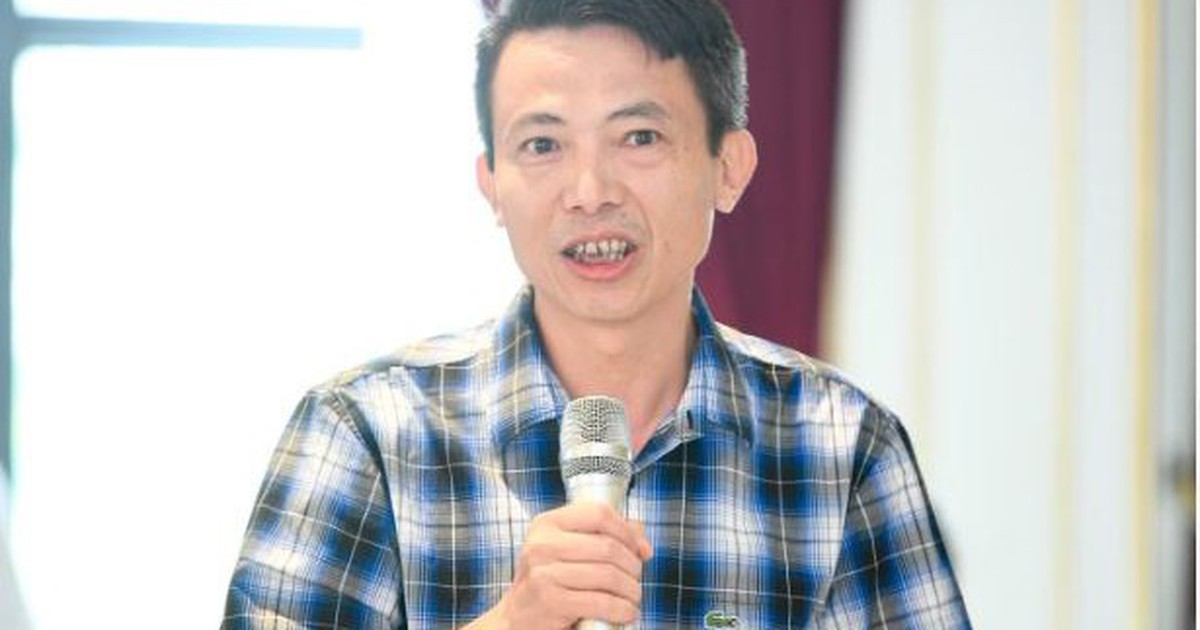
During a recent high-level seminar titled "Restructuring State-Owned Enterprises: From Resource Arrangement to Growth Leadership," Mr. Nguyen Vu Hoan, a member of the Board of Directors of Vinafood 1, provided a candid assessment of the corporation’s struggles. He noted that the food and agriculture sector, particularly rice and salt, is characterized by extremely low profitability, which significantly diminishes the attractiveness of these companies to potential investors.
Mr. Hoan revealed a startling statistic: at certain periods, the profit margin for rice trading has been so narrow that the corporation earns only about 50 VND (less than one-quarter of a U.S. cent) per kilogram of rice sold. When overhead costs, logistics, and market fluctuations are factored in, the financial incentive for private investors to take over these operations is minimal.
Furthermore, many of the 14 subsidiaries slated for divestment are small-scale operations with charter capital ranging between 5 billion VND and 10 billion VND. For institutional investors or large-scale private firms, these entities do not offer the necessary scale or high-growth potential to justify the complex legal and administrative hurdles associated with purchasing state-owned stakes. The small capital base, combined with the low-margin nature of the agricultural commodity business, creates a "valuation trap" where the cost of the divestment process might occasionally outweigh the financial recovery from the sale.
A Chronology of Divestment Efforts and Failures
Vinafood 1 has actively tried to offload its stakes in several units over the past two years, but the results have been underwhelming. In 2024, the corporation initiated procedures to transfer its capital contribution at the Lao Cai Food Joint Stock Company (JSC), valued at approximately 1.5 billion VND. Despite the relatively small amount, the process faced delays due to administrative requirements and market indifference.
Looking ahead to 2025, the corporation is scheduled to divest from the Central Salt and Agricultural Product Processing JSC, where its investment is valued at over 3.6 billion VND. Similar efforts are planned for other units involved in salt production, packaging, and regional food distribution. However, Mr. Hoan emphasized that multiple auction attempts have already been held for various units, yet they frequently fail to attract participants. "We have organized auctions many times, but there are no investors participating," he stated, pointing to a systemic lack of demand for state assets in the agricultural processing niche.
The Land Valuation and Legal Gordian Knot
Beyond financial performance, the most persistent "bottleneck" in the restructuring process is the issue of land-use rights and enterprise valuation. Many Vinafood 1 subsidiaries hold rights to use land in prime locations or have extensive warehouse networks established decades ago. Under current Vietnamese law, particularly Decree 91 and subsequent amendments regarding the management of state capital in enterprises, the valuation of land for divestment purposes is an incredibly sensitive and complex task.
Vinafood 1 leadership pointed out that overlapping regulations and frequent changes in land laws have made it difficult to finalize the legal dossiers required for divestment. In many cases, the historical records of land use are incomplete, leading to years of litigation or administrative "limbo." Investors are often wary of stepping into an enterprise where the land-use rights are not crystal clear, fearing future disputes with local authorities or changes in zoning laws that could render their investment worthless.
The corporation argues that the current "one-size-fits-all" approach to valuation does not account for the specificities of the agricultural sector. When land is valued at market rates for commercial development, it drives the enterprise’s price up to a level that no agricultural business can sustain. Conversely, if the land is undervalued, officials risk being accused of causing "loss of state assets." This regulatory paralysis has effectively stalled the divestment of several key units.
Success Stories: The Power of International Joint Ventures
While the divestment from 100% domestic subsidiaries has been difficult, Vinafood 1 has seen remarkable success in its joint ventures with foreign partners. These partnerships provide a blueprint for how state capital can be effectively managed when combined with global expertise and private-sector efficiency.
A primary example is the Oriental Food Company, a joint venture between Vinafood 1 and the global commodities giant Louis Dreyfus Company (LDC). This entity has successfully increased its capital by reinvesting retained profits and has consistently ranked among the top rice exporters in Vietnam. By leveraging Louis Dreyfus’s global distribution network and Vinafood 1’s local sourcing capabilities, the venture has overcome the margin pressures that plague smaller, state-run units.
Similarly, the Cai Lan Oils and Fats Industries (Calofic) and the Hakumatsu joint venture in the salt sector have demonstrated robust operational health. These examples suggest that while direct divestment through public auctions is struggling, strategic partnerships and joint ventures remain a viable path for maintaining the value of state capital while modernizing the industry.
Policy Recommendations and the Road Ahead
To break the current deadlock, Vinafood 1’s leadership has proposed several policy shifts to the government and the Committee for Management of State Capital at Enterprises (CMSC). These recommendations focus on moving away from rigid, profit-only metrics toward a more holistic evaluation of enterprise performance.
- Diversification of Divestment Methods: Instead of relying solely on public auctions, which have proven ineffective for small agricultural units, the corporation suggests exploring private placements or direct negotiations with strategic partners who have a long-term interest in the food supply chain.
- Specialized Land Handling: There is an urgent need for a simplified legal framework to resolve land-use rights specifically for SOEs undergoing restructuring. This would involve clearer guidelines on how to value agricultural land versus commercial land to prevent overpricing.
- New Evaluation Criteria: Mr. Hoan argued that the performance of state-owned enterprises should be judged based on capital efficiency, innovation, and contribution to national growth rather than just short-term profit margins. For an enterprise like Vinafood 1, which manages 1.3 to 1.5 million tons of rice exports annually, its value lies in its role in the global supply chain and national security.
- Increased Decentralization: The corporation is seeking more autonomy in the divestment process, paired with a strong "post-audit" mechanism. Current regulations require multiple layers of approval for even small divestments, which often leads to missed market opportunities.
Historical Context and National Importance
Vinafood 1 was established on May 24, 1995, following the reorganization of the Central Food Corporation I and various local food businesses from Thua Thien Hue province to the North. For nearly three decades, it has served as the backbone of the grain trade in Northern Vietnam.
As one of the three largest food enterprises in the country, Vinafood 1 plays a dual role: it is a commercial giant competing in the global market and a state tool for stabilizing domestic food prices. During times of natural disasters or global supply shocks, Vinafood 1 is responsible for maintaining national reserves and ensuring that food supplies reach the most vulnerable regions.
The current struggle to restructure is not just a corporate issue but a national economic one. If Vinafood 1 cannot successfully divest from its inefficient subsidiaries, those units will continue to drain resources that could otherwise be used to modernize the corporation’s core infrastructure, such as high-tech silos and processing plants.
Conclusion: Balancing Efficiency and Security
The journey of Vinafood 1 highlights the broader challenges facing Vietnam’s state-owned sector. As the country moves toward a more market-oriented economy, the "baggage" of the past—in the form of small, inefficient subsidiaries and complex land issues—continues to hinder progress.
The 2025 deadline is fast approaching. For Vinafood 1 to meet its targets, a significant shift in regulatory flexibility and market engagement will be required. The corporation remains a vital pillar of the Vietnamese economy, but its future success depends on its ability to transform from a sprawling administrative entity into a lean, commercially competitive food powerhouse. Whether the government will provide the necessary legal "thaw" to allow these divestments to proceed remains the critical question for the coming year.