Vietnam officially unveils comprehensive master plan for information and communications infrastructure to drive national digital transformation

For the first time in its history, Vietnam has introduced a comprehensive master plan for its information and communications technology (ICT) infrastructure, marking a pivotal shift in the nation’s strategic development. This long-term blueprint, covering the period through 2030 with a vision toward 2050, aims to establish a cohesive, modern, and highly integrated infrastructure network. By harmonizing disparate systems across regions and provinces, the government seeks to foster a unified digital ecosystem that will serve as the backbone for a thriving digital government, digital economy, and digital society.
The core objective of this master plan is to overcome previous fragmentation, where local infrastructures often operated in silos. By centralizing standards and integrating digital and physical networks, Vietnam aims to create a robust national foundation capable of supporting rapid economic growth in an increasingly competitive global landscape.
A New Strategic Era for Digital Infrastructure
The master plan for information and communications infrastructure is not merely an upgrade of existing systems; it is a fundamental redesign of how Vietnam processes, transmits, and secures information. Under this new framework, the postal network is no longer viewed solely as a traditional delivery service. Instead, it is being elevated to a critical component of the national logistics and e-commerce infrastructure.
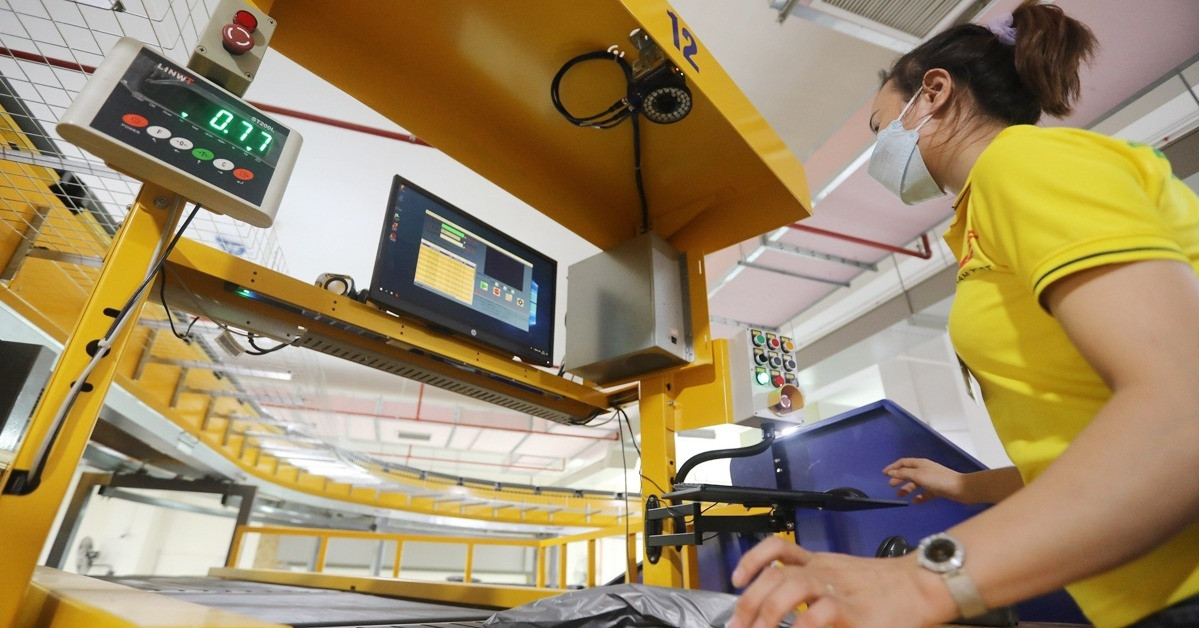
Historically, the Vietnamese postal sector faced significant challenges, including a lack of synergy between public service providers and private commercial entities. By the end of 2020, while the country had established an impressive network of over 21,600 service points, these were largely underutilized for e-commerce and high-efficiency logistics. The new master plan seeks to rectify this by standardizing the flow of physical goods alongside data, creating a seamless, automated, and intelligent logistics chain.
Chronology and Development Milestones
The journey toward this master plan began several years ago, as the Ministry of Information and Communications (MIC) recognized that the rapid expansion of the digital economy required more than just sporadic infrastructure investments.
- Pre-2020: Vietnam operated a vast, decentralized postal and telecom network. Service points were widespread, but connectivity and interoperability between different service providers were minimal.
- 2021-2023: The government initiated a rigorous drafting process, involving extensive consultations with the Vietnam Post (VNPost), Viettel Post, and other key logistics stakeholders. Data from existing networks was analyzed to identify gaps in service delivery, particularly in rural and remote regions.
- February 23, 2024: The government officially announced the master plan. During the launch, Deputy Minister of Information and Communications Phan Tam emphasized the necessity of a "shared-use" approach to infrastructure to reduce costs and increase national competitiveness.
- 2025 Target: The immediate focus is to reach a processing capacity of 93,000 tons of mail per day, with delivery times for inter-provincial and international shipments capped at five days, and local delivery within two days.
- 2030 Vision: The establishment of three to five regional postal hubs equipped with advanced automated sorting technology and Internet of Things (IoT) sensors to handle massive increases in parcel volume.
Data-Driven Infrastructure Goals
The technical requirements set forth in the master plan are ambitious. To compete with regional logistics powerhouses, Vietnam is mandating a shift toward high-tech sorting and distribution. The plan outlines the development of a multi-tiered hub system:
- Regional Hubs: Three primary regional centers will be established, each capable of handling over 11,000 tons of mail daily, with a service radius of approximately 350 kilometers.
- Zonal Hubs: Fourteen secondary zonal centers will be developed, with a capacity exceeding 4,500 tons per day and a service radius of 115 kilometers.
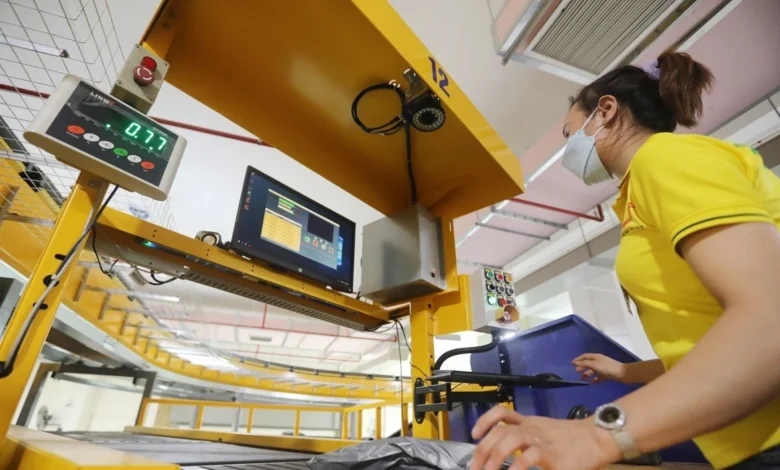
- Automation and AI: The plan requires that all major hubs implement AI-driven sorting, automated conveyor systems, and real-time tracking via IoT to minimize human error and operational overhead.
These targets are based on detailed forecasts of e-commerce growth, which has consistently seen double-digit annual increases in Vietnam. By aligning postal infrastructure with these growth projections, the government aims to lower logistics costs—which currently account for a significant portion of GDP—and enhance the efficiency of the domestic supply chain.
Official Responses and Stakeholder Engagement
The Vietnam Institute of Strategy for Information and Communications (VISC), which played a central role in drafting the plan, has stressed that the document is designed to be highly "executable."
"From the initial drafting stages to the selection of targets and development scenarios, every aspect was scrutinized through data-driven analysis," a representative from the VISC noted. "We worked closely with the Central Postal Department and major industry players to ensure that these goals are not only ambitious but also commercially and technically feasible."
Industry leaders, including representatives from Vietnam Post, have welcomed the clear policy direction. They argue that the master plan provides the necessary regulatory certainty to justify long-term capital investments in high-tech machinery and digital platforms. By mandating that infrastructure be "shared" where possible, the policy encourages private and state-owned enterprises to cooperate, rather than compete, on basic infrastructure, thus preventing redundant spending.
Broader Economic and Social Implications
The implications of this master plan extend far beyond the logistics sector. In the era of the digital economy, the quality of infrastructure is a key determinant of national competitiveness. By ensuring that even the most remote citizens have access to stable, high-quality, and affordable postal and communications services, the government is effectively narrowing the "digital divide."

This is particularly relevant for the "Make in Vietnam" digital ecosystem. As the nation pivots toward domestic technology production, having a reliable infrastructure for hardware distribution and software service delivery is essential. The integration of the postal network with the national digital infrastructure allows for a "phygital" (physical + digital) approach to public services, where e-government documents and physical goods can be delivered with the same level of reliability and speed.
Furthermore, the master plan includes a "resilience" clause, requiring that the network be designed to withstand emergencies and disasters. This focus on security and continuity ensures that the national supply chain remains operational under various external stressors, such as global pandemics or geopolitical tensions.
Conclusion: A Foundation for the Future
The unveiling of the national ICT infrastructure master plan marks a turning point for Vietnam’s economic modernization. By moving away from fragmented, ad-hoc development toward a centralized, long-term strategic vision, the country is laying the groundwork for a more efficient and resilient economy.
The success of this plan will ultimately depend on the consistent execution of its technical mandates and the continued cooperation between the public and private sectors. As Vietnam moves toward 2030, the ability of its digital and physical infrastructure to adapt to rapid technological change will be the litmus test for its status as a rising regional digital power. Through these initiatives, Vietnam is not only preparing for the future of trade and communications—it is actively building it.
Related posts: