Massive Food Poisoning Outbreak Linked to An Khe Bakery Triggers Severe Penalties and Nationwide Food Safety Crackdown in Vietnam


The quiet town of An Khe in Gia Lai province, Vietnam, recently became the epicenter of one of the most alarming mass food poisoning incidents in recent regional memory. What began as an ordinary morning routine for hundreds of local residents purchasing breakfast quickly escalated into a severe public health crisis. A popular local bakery and food establishment, the Bin Bin business household, found itself at the center of an investigation after serving contaminated banh mi—Vietnam’s iconic crispy baguette sandwich—that ultimately sent hundreds of consumers to hospital emergency wards with agonizing gastrointestinal symptoms.
The catastrophic health fallout has prompted swift, uncompromising legal and administrative action from local and provincial authorities. The People’s Committee of An Khe Ward has formally submitted a rigorous disciplinary dossier to the Chairman of the Gia Lai Provincial People’s Committee, recommending maximum punitive measures against the owners of the Bin Bin establishment. The proposed penalties include a substantial monetary fine of 100 million Vietnamese dong ($4,000 USD) alongside a mandatory four-month suspension of business operations. Beyond the immediate financial and operational penalties, the incident has catalyzed a high-level government directive across Gia Lai province, demanding absolute accountability from local leaders and signaling a zero-tolerance approach to regulatory negligence in the food service sector.
The Anatomy of a Crisis: How the Outbreak Unfolded
The crisis unfolded rapidly, overwhelming local healthcare infrastructure within a matter of hours. The establishment in question, located at 1041 Quang Trung Street in An Khe Ward, was a frequent stop for commuters, students, and workers seeking a quick morning meal. However, the batches of banh mi sold during this critical period harbored invisible biological hazards.
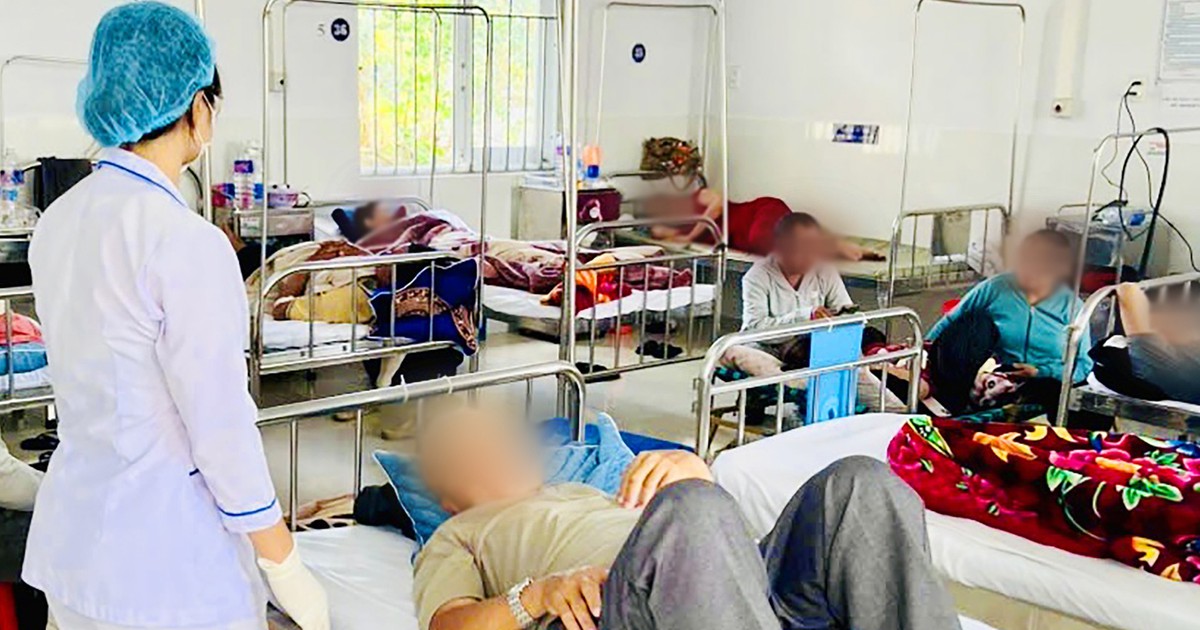
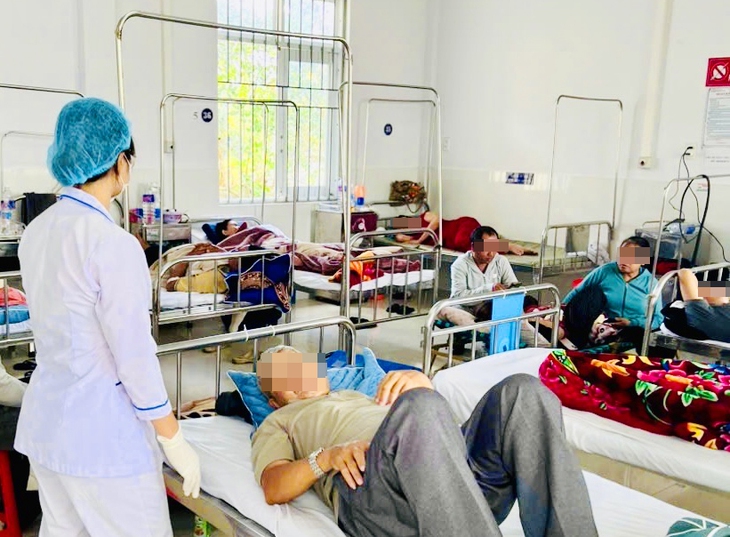
Shortly after consuming the food, patrons began experiencing acute and debilitating health issues. Patients flooded local medical facilities reporting severe abdominal cramps, violent and repeated vomiting, persistent diarrhea, and high fevers. The sheer volume of incoming patients overwhelmed the capacity of local clinics, requiring emergency transfers and mobilization of medical personnel to manage the sudden influx. Among those struck down by the severe food poisoning were not only everyday consumers but also families, including both a father and his child who had purchased the sandwiches from the establishment.
As medical professionals worked around the clock to stabilize the victims, health authorities scrambled to identify the source of the contamination. Initial estimates of the scale of the outbreak were staggering, with official tallies eventually confirming that 254 individuals required hospital admission and emergency medical treatment. The scale of the outbreak immediately elevated the incident from a routine food safety violation to a major public health emergency, triggering intervention from provincial health departments and specialized inspection teams.
Laboratory Findings: The Salmonella Threat
To uncover the precise biological catalyst behind the mass poisoning, the Gia Lai Provincial Department of Health, in coordination with municipal regulatory bodies, seized and analyzed multiple food samples collected from the Bin Bin establishment. Laboratory testing focused on the various components that make up a traditional banh mi, with a particular emphasis on perishable protein-based fillings known to be high-risk vectors for bacterial proliferation.
The results of the laboratory analysis confirmed the worst suspicions of food safety inspectors. Tests conclusively identified the presence of Salmonella spp. bacteria across multiple food samples. Specifically, biological screenings of three distinct food components—pate, shredded chicken, and fried fish cakes—tested positive for the pathogen.
Salmonella is a genus of rod-shaped bacteria notorious for causing salmonellosis, a common bacterial disease affecting the intestinal tract. Symptoms typically include diarrhea, fever, and abdominal cramps, which can manifest anywhere from six hours to six days after exposure. In severe cases, particularly among children, the elderly, and immunocompromised individuals, the dehydration resulting from persistent vomiting and diarrhea can become life-threatening, necessitating intravenous fluid administration and antibiotic therapy. The detection of Salmonella in multiple high-risk ingredients pointed directly to severe cross-contamination, inadequate cooking temperatures, or improper storage conditions within the food preparation facility.
Systematic Violations and Regulatory Lapses
Subsequent investigations by food safety inspectorates revealed a pattern of systemic negligence and blatant disregard for hygiene regulations at the Bin Bin business household. The inspection reports painted a grim picture of operational practices that directly violated national food safety standards.
According to enforcement officers, the facility’s food storage and preservation infrastructure was fundamentally inadequate. The storage areas lacked proper shelving, pallets, temperature control mechanisms, and adequate ventilation. Furthermore, the establishment failed to maintain clear operational guidelines, hygiene protocols, and mandatory temperature logs.
Most critically, inspectors found a complete absence of dedicated preservation equipment and separate storage utensils for raw ingredients versus cooked and ready-to-eat foods. In a professional kitchen, cross-contamination between raw poultry and ready-to-consume fillings like pate is a primary hazard that requires strict physical separation. At the Bin Bin establishment, food items were routinely stored on unhygienic surfaces, equipment, and utensils that failed basic sanitation benchmarks. These compounding failures created an ideal environment for bacterial proliferation, directly paving the way for the catastrophic outbreak.
Local Enforcement and Broader Crackdowns
While the primary focus remained on the Bin Bin establishment due to the unprecedented scale of the poisoning event, local authorities initiated a broader sweep of all bakeries and food processing operations within An Khe Ward. This sweep aimed to root out similar latent hazards before they could manifest into public health tragedies.
Local enforcement agencies inspected numerous establishments engaged in the production and sale of banh mi and related street food items across the municipality. While none approached the catastrophic scale of the Bin Bin outbreak, inspectors uncovered various minor and moderate infractions at other locations. Consequently, local authorities issued administrative fines to two additional food business operators, totaling 6 million Vietnamese dong. These localized crackdowns underscored a growing determination among municipal leaders to enforce strict compliance across the entire food service supply chain.
At the national level, the Vietnam Food Administration under the Ministry of Health intervened, issuing formal official dispatches urging the Gia Lai Provincial Department of Health to accelerate epidemiological investigations. The ministry demanded thorough supply chain traceback operations to identify the origin of the contaminated ingredients, determine the precise chain of transmission, and ensure that all legal, administrative, and potential criminal liabilities were rigorously pursued against responsible individuals and corporate entities.
Political Accountability and Administrative Responsibility
The ramifications of the An Khe food poisoning incident quickly transcended local health enforcement, reaching the highest levels of provincial governance in Gia Lai. Recognizing that administrative fines alone are insufficient to deter systemic negligence, the Provincial People’s Committee issued a stern directive addressed to all provincial departments, agencies, and local government leaders.
The provincial leadership articulated a clear philosophical shift in food safety governance: regulatory authorities must adopt a proactive, preventative stance rather than a reactive one. The directive explicitly stated that citizens should not be forced to pay the ultimate price—in health, safety, or life—for administrative oversights, regulatory blind spots, or dereliction of duty by local officials.
To enforce this standard, the provincial government mandated an immediate intensification of food safety inspections across all districts, with a strict mandate to penalize violators severely. A cornerstone of the new directive addresses the threshold between administrative infractions and criminal conduct. Provincial leaders instructed local authorities that whenever inspections uncover evidence pointing to potential criminal liability—such as gross negligence resulting in widespread injury or severe public endangerment—cases must be transferred immediately to investigative police agencies. The directive firmly established that administrative sanctions cannot and must not substitute for criminal prosecution when criminal thresholds are crossed.
Furthermore, the policy establishes strict hierarchical accountability. Chairmen of commune and ward People’s Committees are now held directly accountable to the provincial government for food safety management within their respective jurisdictions. Under the decentralized governance model, any locality that experiences a severe food safety incident resulting from managerial apathy, lax oversight, or superficial inspections will trigger formal reviews of administrative responsibility for all involved organizations and individuals.
Broader Economic and Social Implications
The mass poisoning in An Khe serves as a cautionary tale regarding the vulnerabilities inherent in the rapid commercialization and widespread consumption of street food and artisanal bakery products in Vietnam. Banh mi is not merely a popular culinary export; it is a dietary staple for millions of Vietnamese citizens daily. Incidents of this magnitude threaten consumer confidence in the safety of traditional street food culture, which plays a vital role in the domestic urban economy.
From an economic perspective, the penalties imposed on the Bin Bin establishment—though significant by local standards—highlight the severe financial fallout business owners face when cutting corners on food hygiene. Beyond the 100 million dong fine and the four-month mandatory shutdown, the loss of brand equity, customer trust, and future revenue streams represents an existential threat to small and medium-sized family-owned food enterprises.
Moreover, the strain placed on the local healthcare system during the outbreak underscores the hidden public health costs of lax food safety standards. Emergency admissions, extended hospital stays, diagnostic testing, and pharmacological interventions consume valuable public healthcare resources that could otherwise be allocated elsewhere.
Conclusion and Future Outlook
The resolution of the An Khe food poisoning investigation marks a pivotal moment for food safety enforcement in Gia Lai province and sets a rigorous precedent for regulatory bodies nationwide. By combining heavy administrative penalties, operational suspensions, comprehensive epidemiological tracing, and strict political accountability for local officials, the Vietnamese government is signaling a definitive end to casual oversight in the food service industry.
As the Bin Bin establishment serves out its mandated closure and navigates the legal consequences of its regulatory failures, the broader community remains watchful. The tragedy has galvanized both consumers and regulators, fostering a heightened awareness of hygiene standards in food preparation. Ultimately, the stringent measures enacted in the wake of the An Khe crisis aim to ensure that public health is never again compromised by institutional complacency, safeguarding the health and well-being of consumers across the region.