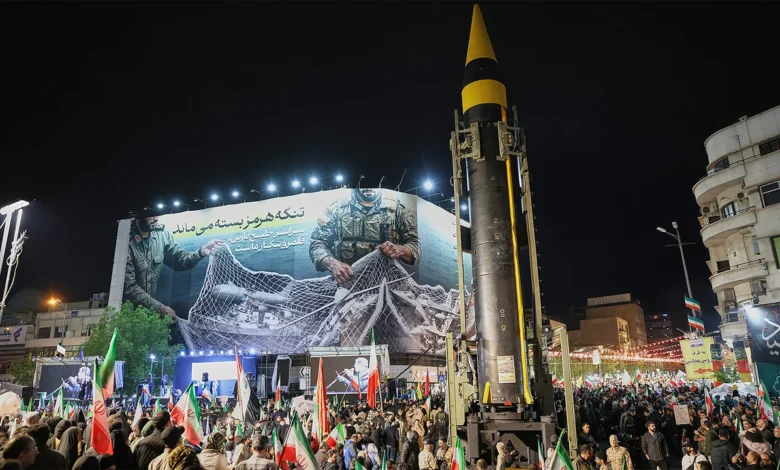
The geopolitical landscape of the Middle East is undergoing a period of acute volatility as Iran signals a potential shift in its military posture in response to the United States’ "maximum pressure" economic strategy. As Washington continues to tighten its sanctions, targeting Tehran’s critical energy infrastructure and financial conduits, the Iranian leadership has adopted an increasingly defiant rhetoric, hinting that it may transition from a policy of strategic patience to one of active, calculated confrontation.
The Anatomy of the Escalation
Since the initiation of a broad-scale strategic pressure campaign by the United States and its regional allies on February 28, the Persian Gulf has transformed into a theatre of persistent, low-intensity conflict. Tehran has responded to what it characterizes as "illegitimate acts of economic warfare" with a series of tactical strikes against U.S.-aligned military outposts and energy infrastructure across the Gulf region.
These actions, according to analysts, are not indicative of a desire for an immediate, full-scale war, but rather represent a calculated effort to force Washington back to the negotiating table. The Iranian strategy appears to be one of "cost-imposition"—making the status quo of economic isolation so expensive and dangerous for international stakeholders that a return to diplomatic engagement becomes the only viable path forward.
Chronology of Recent Tensions
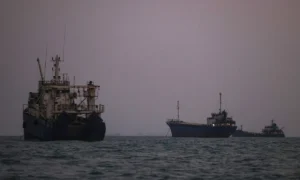
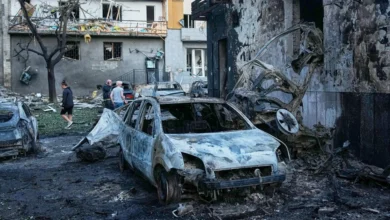
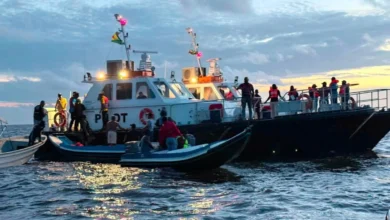
The current cycle of hostility reached a new nadir in early September 2026. On September 1, a series of precision airstrikes—attributed by Iranian officials to U.S. forces—resulted in the deaths of 18 individuals, including five personnel at a maritime facility. This prompted a sharp, retaliatory response from Tehran, which subsequently targeted regional infrastructure and maritime vessels transiting the Strait of Hormuz.
The timeline of recent events is as follows:
- February 28, 2026: The U.S. and Israel launch a synchronized campaign of intensified economic sanctions and naval containment against Iran.
- June 2026: Initial overtures regarding a ceasefire agreement are floated by Tehran and Washington, though these ultimately fail to materialize into a concrete framework.
- September 1, 2026: A major airstrike leads to 18 fatalities, marking the most significant loss of life in the recent cycle of hostilities.
- September 7, 2026: Hossein Taeb, commander of the Basij militia, publicly reiterates that Iran will not abandon its core rights under the guise of diplomatic negotiations.
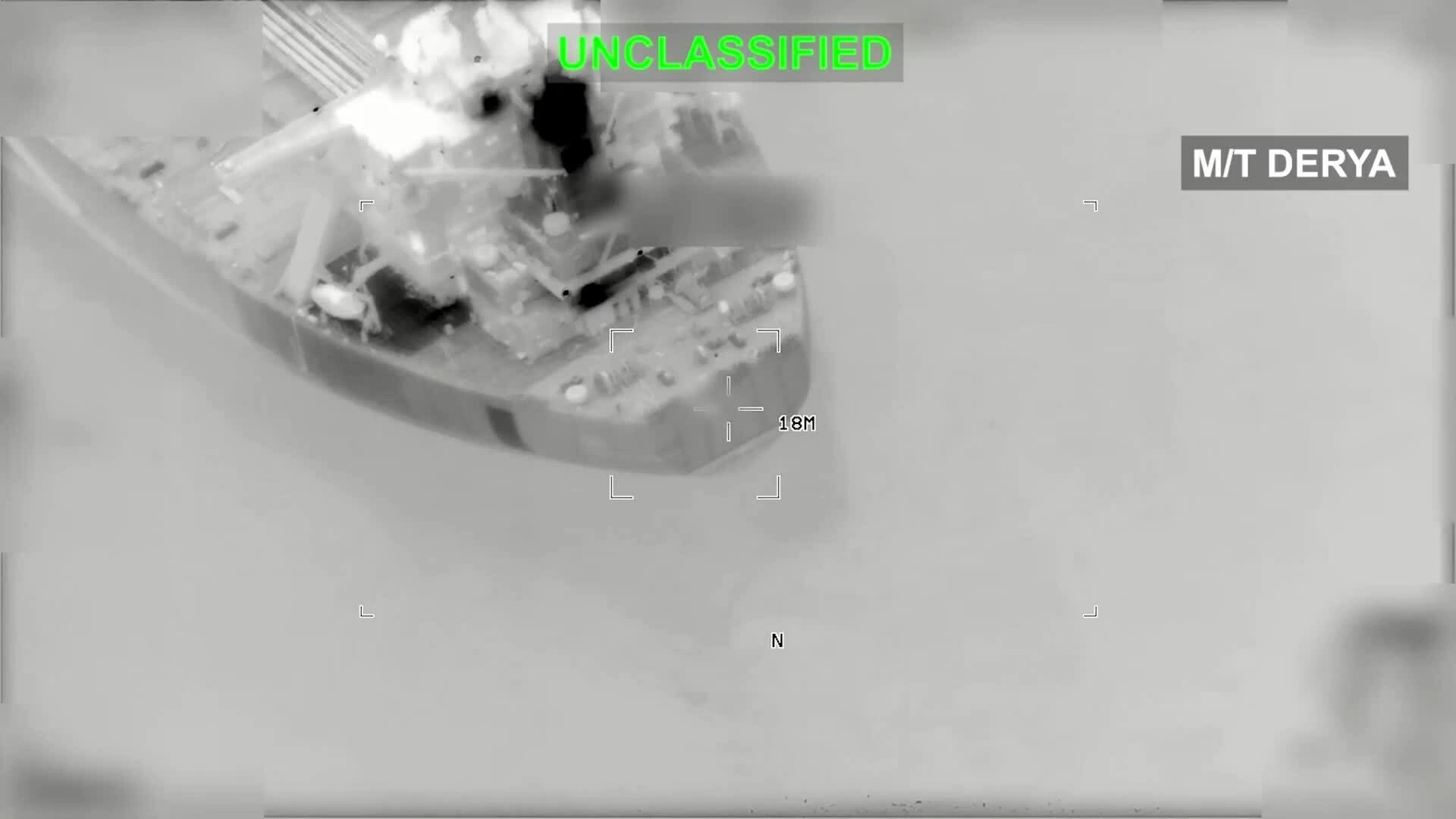
- September 8, 2026: U.S. Central Command (CENTCOM) releases visual evidence confirming the destruction of five oil tankers linked to Iranian illicit export operations.
- September 12, 2026: Iranian President Masoud Pezeshkian and other high-ranking officials hold firm, asserting that the nation will not capitulate to economic coercion.
Economic Warfare and the Strait of Hormuz
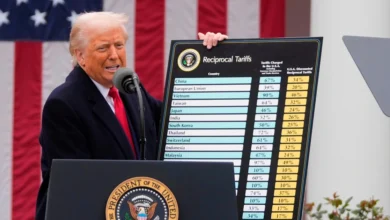
At the heart of the standoff is the economic strangulation of Iran, specifically aimed at its petroleum exports. President Donald Trump, overseeing the current U.S. administration, has publicly expressed satisfaction with the efficacy of these measures. "I like the current situation better, where we control nearly the entire Strait of Hormuz and the Iranian economy is collapsing," the President stated recently.
The Strait of Hormuz remains the world’s most critical maritime oil chokepoint. Through this narrow passage, roughly 20% of the world’s total petroleum consumption transits daily. By threatening to disrupt this flow, or by engaging in localized naval skirmishes, Tehran creates an immediate global energy price volatility that forces the international community to pay attention to the regional crisis.
Official Stances and Diplomatic Deadlocks
The internal politics of Iran remain polarized. While President Pezeshkian and his diplomatic team have expressed a willingness to engage in dialogue, the conservative factions of the Iranian government—including the Islamic Revolutionary Guard Corps (IRGC)—remain vehemently opposed to what they view as "weakness" in negotiations.
Mohsen Rezaei, a senior advisor to the Supreme Leader, recently noted: "We have concluded that it is necessary to apply a new strategy in our approach to warfare, negotiations, and our response to the blockade." This sentiment is echoed by military leadership, such as General Amir Hatami, who has warned that any "hostile actions" against Iran would be met with an immediate and decisive response from both the national army and the IRGC.
Conversely, the U.S. administration maintains that its policy is designed to compel Iran to adhere to international standards regarding its ballistic missile program and its regional influence. Washington remains steadfast in its belief that the economic pressure is working, even as critics warn that the lack of an "off-ramp" for Tehran could lead to unintended consequences.
Implications of Strategic Miscalculation
Expert analysis from organizations like the International Crisis Group (ICG) suggests that both sides are currently engaged in a dangerous game of "testing the red lines." The primary risk is not necessarily a premeditated declaration of war, but rather an accidental escalation triggered by a tactical error.
"When you begin probing the red lines of an adversary, the risk of miscalculation increases exponentially," says Hamidreza Azizi, a researcher with the ICG. "A single attack resulting in a large number of casualties, or a move that crosses a strategic threshold, could rapidly push the situation beyond the point of controlled tension, leading to an all-out regional conflict."
Furthermore, the economic impact on the Iranian populace has been severe. The combination of hyper-inflation, currency devaluation, and the inability to import essential medical and food supplies has created a humanitarian burden. While the Iranian government frames these hardships as a necessary sacrifice for national sovereignty, the long-term domestic stability of the country remains a key variable that observers are closely monitoring.
Future Outlook
As of mid-September 2026, the diplomatic path forward remains obscured. While Qatar and other regional intermediaries continue to advocate for a de-escalation, the fundamental requirements for a breakthrough—such as the lifting of specific sanctions in exchange for verified constraints on Iranian naval activity—remain unaligned.
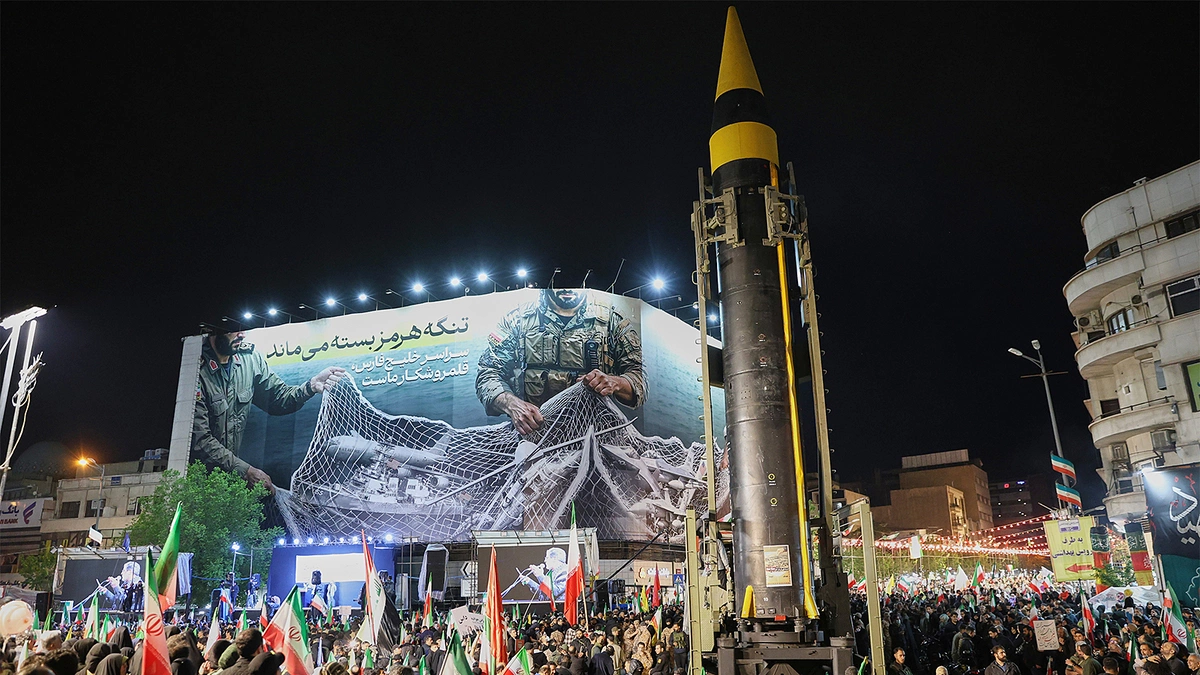
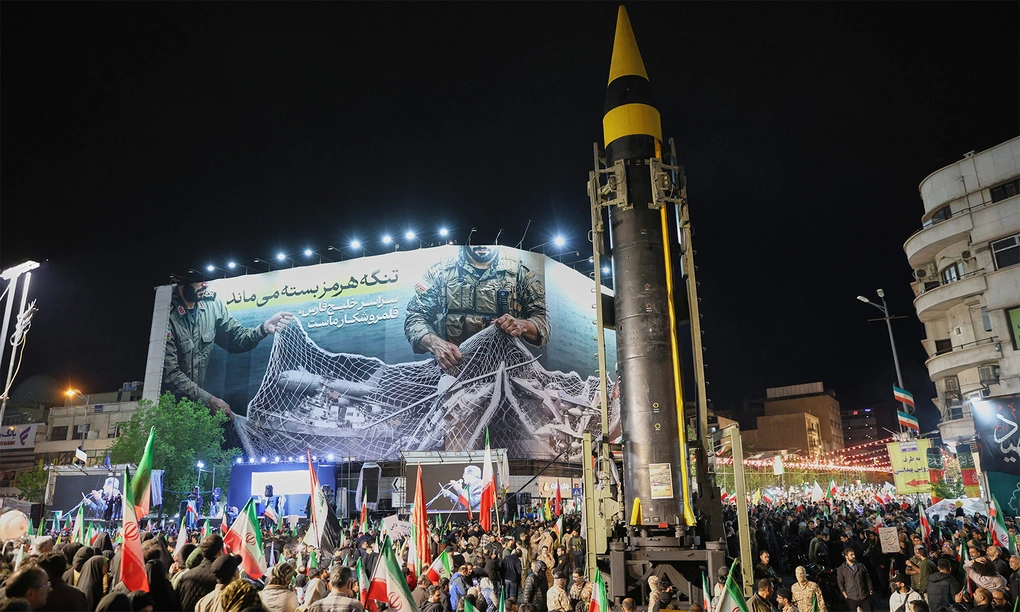
The U.S. continues to increase its naval footprint in the Gulf, while Iran continues to unveil new iterations of its "asymmetric warfare" capabilities, including advanced drone technology and anti-ship missile systems. The situation is a classic "security dilemma": each action taken by one side to ensure its own security is perceived as a threat by the other, leading to a cycle of reinforcement and further escalation.
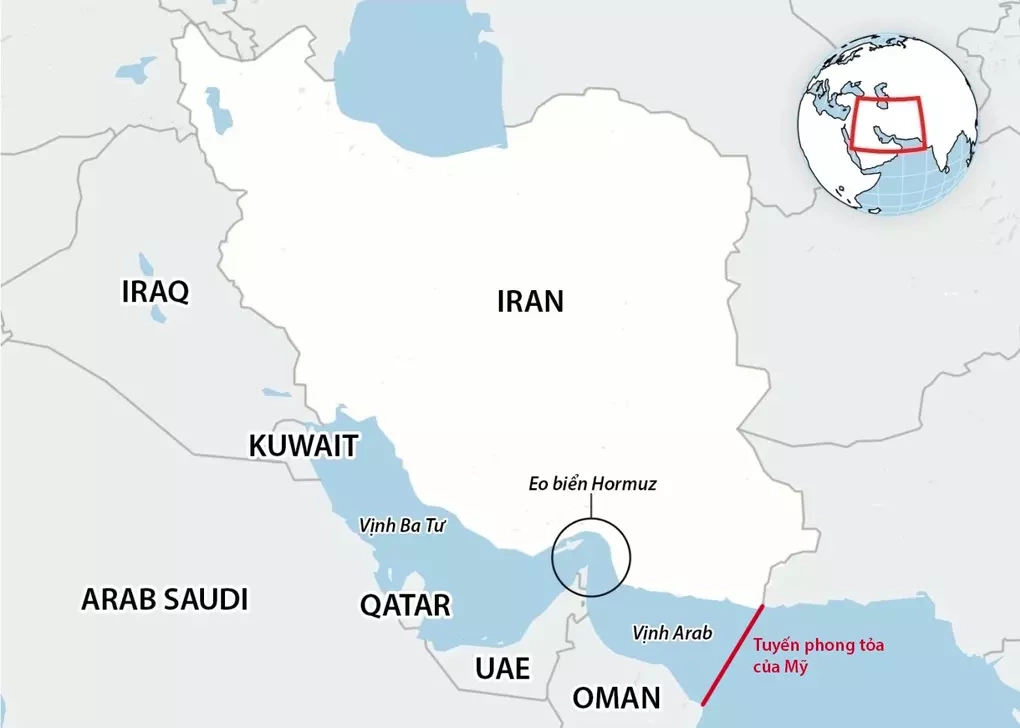
For the global economy, the stakes are high. Any sustained closure or significant disruption of the Strait of Hormuz would likely trigger a global energy crisis, affecting supply chains far beyond the Middle East. As both Washington and Tehran continue their current trajectory, the international community remains concerned that the window for a peaceful, negotiated settlement is closing, replaced by a high-stakes, high-risk confrontation that threatens to reshape the stability of the entire region.