Government Pledges to Unblock Business Bottlenecks and Foster Growth at High-Level Dialogue

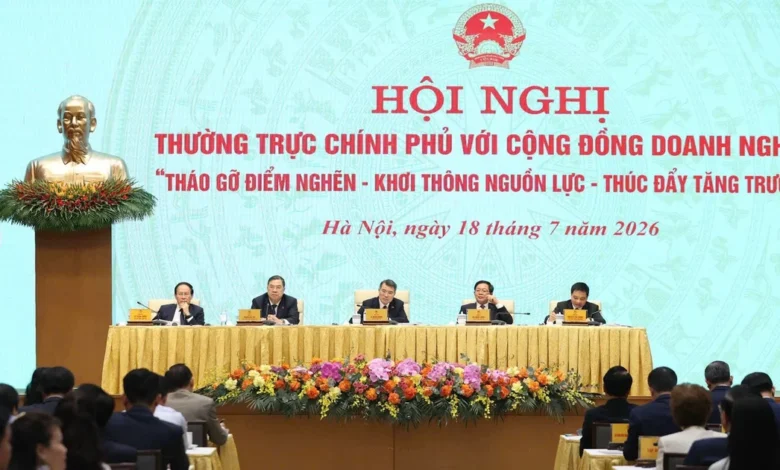
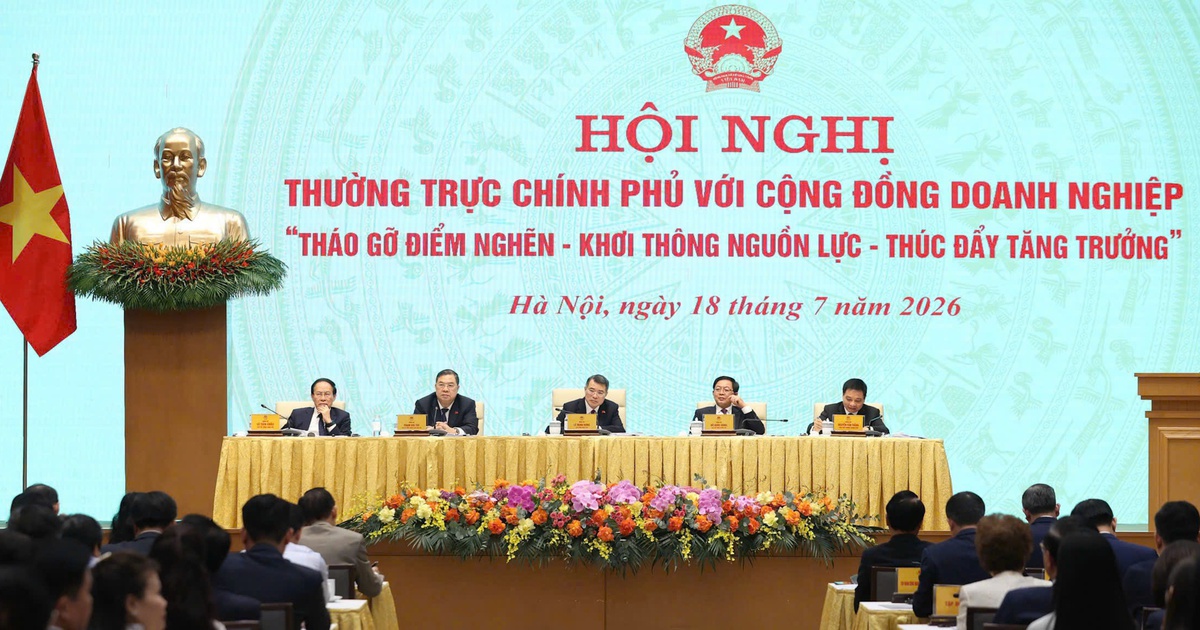
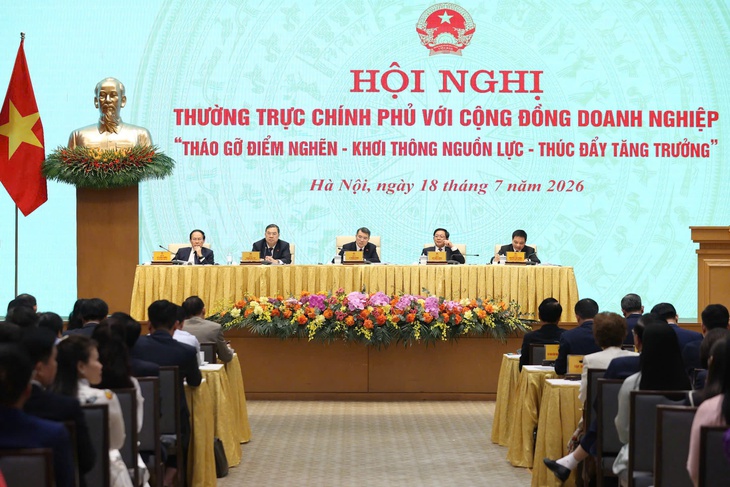
Hanoi, Vietnam – A crucial high-level government dialogue with the business community, themed "Removing Bottlenecks – Unleashing Potential – Driving Growth," took place on July 18th, underscoring the administration’s commitment to addressing critical challenges faced by enterprises and fostering a more dynamic economic landscape. Presided over by Prime Minister Le Minh Hung, the event convened business leaders from across various sectors to exchange insights, voice concerns, and collaboratively chart a path towards sustained economic expansion.
The Prime Minister, in his opening remarks, emphasized that the government’s growth targets for the current year and the coming years hinge significantly on the robust performance and engagement of the business community. Recognizing the pivotal role of the private sector, the administration has prioritized the creation of a transparent, efficient, and supportive business environment, aiming to systematically dismantle existing obstacles and streamline operational processes for enterprises. This proactive approach signals a strategic shift towards actively engaging with the private sector as a primary driver of national development.
Key Concerns and Proposed Solutions Emerge
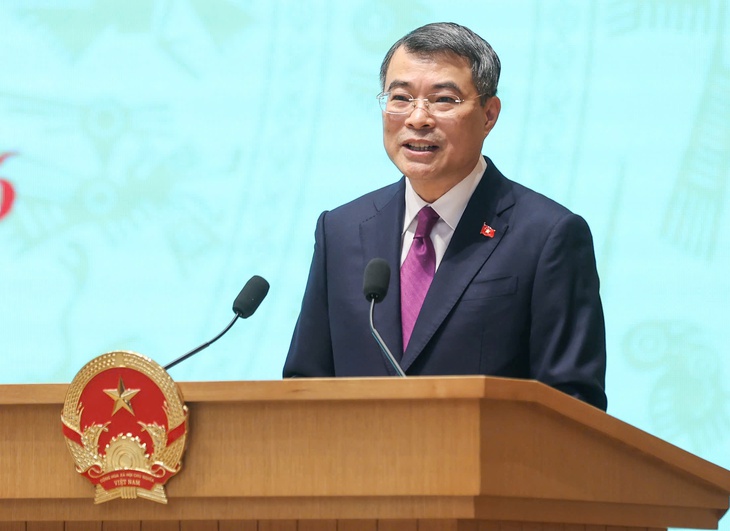
The dialogue served as a vital platform for business associations to articulate their most pressing concerns and offer concrete recommendations. Nguyen Van Than, Chairman of the Small and Medium Enterprise Association, highlighted the critical need for accessible credit, particularly referencing Resolution 68, which encourages banks to lend based on creditworthiness rather than solely on collateral. He advocated for policy adjustments that would permit credit institutions to extend loans based on creditworthiness, thereby promoting equitable distribution of financial resources and fostering interconnectedness within the economic ecosystem. Mr. Than specifically proposed that the government allow business associations to facilitate credit assessments for their member enterprises, streamlining the lending process and ensuring fairer access to capital.
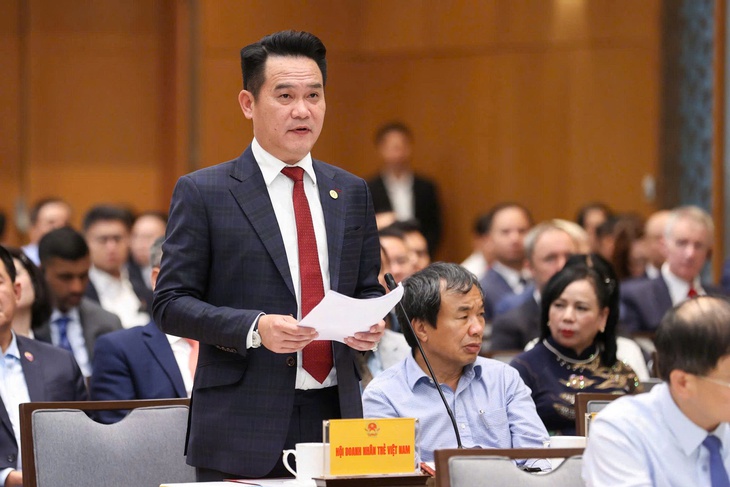
Representing the Vietnam Entrepreneurs’ Association, Dang Huong Anh, the association’s chairman, reported on the productive outcomes of 13 dialogue sessions held during the Vietnam Private Sector Forum (VPSF) 2026. These sessions generated over 450 distinct opinions and recommendations from the business community, reflecting a deep and varied engagement with policy formulation.
While acknowledging the progress made in addressing various administrative and operational challenges at provincial and municipal levels, the business leaders pointed to a persistent need for enhanced oversight and a more streamlined approach to policy implementation. To that end, the Vietnam Entrepreneurs’ Association urged the government to establish a more effective feedback mechanism, enabling businesses to track the progress of their submitted recommendations and identify responsible agencies for timely resolution. This proposed "follow-up" system aims to ensure greater accountability and transparency in addressing business concerns.
Addressing Specific Sectoral Challenges
A significant portion of the discussion focused on specific impediments hindering business operations. Among the key areas highlighted were land management, investment procedures, tax policies, and the need for clearer regulations in areas such as fire prevention and control. The business community stressed the importance of establishing specialized task forces with clear mandates and integrated workflows to expedite administrative processes and eliminate the need for businesses to navigate multiple bureaucratic channels for a single issue. This would create a more cohesive and efficient system for resolving business-related matters.
Economic Data and Policy Analysis
The dialogue occurred against a backdrop of evolving economic indicators. Vietnam’s GDP growth has shown resilience, with recent data indicating a steady upward trend. However, challenges persist in certain sectors, influenced by global economic fluctuations and domestic policy implementation. The government’s focus on dual-digit growth targets underscores the ambition to leverage the private sector’s potential.
Resolution 68, a cornerstone of the government’s economic agenda, aims to inject vitality into the economy by promoting credit access and enhancing business confidence. The recommendations put forth by the business associations, particularly regarding creditworthiness-based lending and the role of industry associations in facilitating this, are seen as crucial steps towards realizing the objectives of this resolution. The proposal to allow associations to participate in credit assessment could significantly broaden access to finance for SMEs, which often struggle with traditional collateral requirements. This aligns with international best practices where credit rating agencies and industry bodies play a more active role in evaluating borrower risk.
Broader Impact and Implications
The commitment to unblocking business operations and fostering a more conducive investment climate has far-reaching implications. By addressing the "pain points" of the private sector, the government aims to stimulate domestic investment, create more employment opportunities, and ultimately enhance the overall competitiveness of the Vietnamese economy. The emphasis on transparency and accountability in policy implementation is expected to build greater trust between the government and the business community, fostering a more collaborative and productive relationship.
The proposed "follow-up" mechanism for business recommendations, if effectively implemented, could set a precedent for more responsive governance and policy-making. It signifies a willingness to move beyond mere consultation towards tangible action and accountability, ensuring that the voices of the private sector translate into concrete policy improvements.
Furthermore, the focus on streamlining administrative procedures, particularly in areas like land management and investment, is critical for attracting both domestic and foreign direct investment. By reducing bureaucratic hurdles, Vietnam can enhance its attractiveness as an investment destination, thereby contributing to long-term sustainable growth. The government’s acknowledgement of the need for "supervision with greater detail" reflects a recognition that policy intent must be matched by effective and consistent execution across all administrative levels.
Looking Ahead: A Collaborative Path Forward
The high-level dialogue represents a significant step in the ongoing efforts to build a robust and dynamic private sector in Vietnam. The administration’s proactive stance in engaging with business leaders, coupled with the specific recommendations put forth, lays the groundwork for meaningful policy reforms. The success of these initiatives will depend on the effective implementation of the proposed solutions, fostering a consistent dialogue, and ensuring that the commitment to a supportive business environment translates into tangible results for enterprises across the nation. The government’s commitment to "removing bottlenecks" and "unleashing potential" signals a clear intent to harness the full power of the private sector to drive Vietnam’s economic prosperity in the years to come.