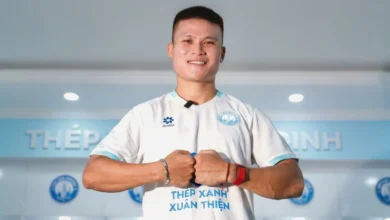
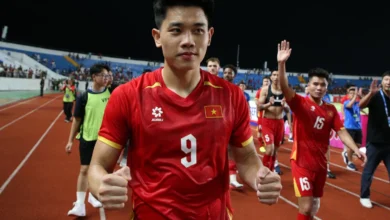
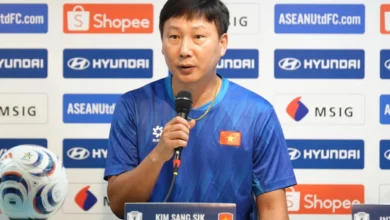
Phạm Xuân Mạnh: ‘This year, opponents in ASEAN Cup 2026 are more evenly matched’


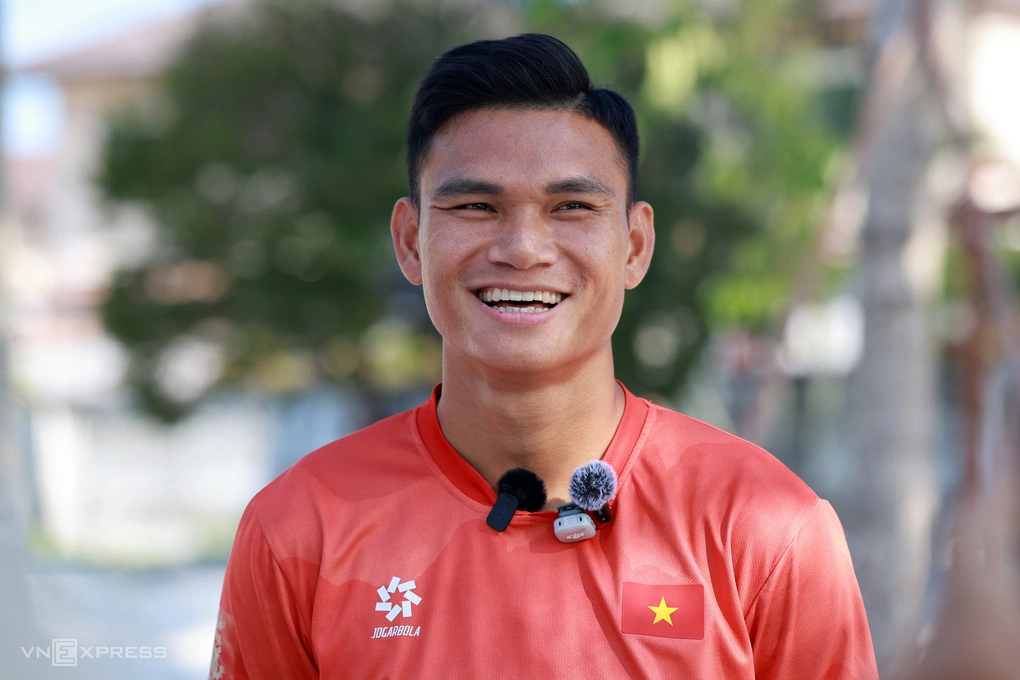
Defender Phạm Xuân Mạnh, a key figure in the Vietnamese national football team, expressed a blend of caution and resolute confidence regarding the upcoming ASEAN Cup 2026. Speaking from Chonburi, Thailand, on the eve of the tournament, Mạnh acknowledged the escalating competitiveness within Southeast Asian football, stating that the "opponents are more evenly matched" this year. Despite this heightened challenge, the seasoned defender firmly believes that the Golden Star Warriors possess the collective spirit and tactical acumen to overcome obstacles and successfully defend their coveted ASEAN Cup title. Vietnam, having lifted the trophy in 2024, now faces the arduous task of retaining regional supremacy in a landscape where rivals are rapidly improving.
Vietnam Prepares for a Formidable Challenge
The Vietnamese national team, under the guidance of head coach Kim, is currently in Chonburi, approximately 100 km southeast of Bangkok, completing their final preparations for the ASEAN Cup 2026. The squad’s morale appeared high as they underwent a training session at the Legends Academy on the evening of July 22, with Mạnh taking time to address the media. His reflections underscored the immense pressure and expectations resting on the defending champions. "Winning the title is hard, defending it is even harder," Mạnh articulated, echoing a common sentiment in competitive sports. This statement encapsulates the unique challenge Vietnam faces, as they transition from hunters to the hunted in the regional tournament.
The ASEAN Cup, previously known as the AFF Championship, holds significant prestige in Southeast Asian football, serving as a biennial showcase of the region’s best talent. Vietnam’s recent triumph in the 2024 edition marked their third victory, following successes in 2008 and 2018. This history positions them among the elite, alongside footballing powerhouses like Thailand and Singapore. However, the interval between tournaments has seen considerable development across national teams, with many investing heavily in youth development, coaching expertise, and professional league structures. This regional growth is precisely what Mạnh alluded to when highlighting the "evenly matched" nature of the competition. He emphasized that despite the anticipated difficulties, the team’s commitment remains unwavering. "Even though we know it will be tough, we will overcome it. The entire team will play with full determination, unity, and support each other to protect what we have earned," he affirmed, projecting a message of collective resolve.
Intensive Preparations Under Coach Kim
Vietnam’s journey to the ASEAN Cup 2026 has been meticulously planned, commencing with an intensive three-week training camp in South Korea. This international exposure allowed the squad to fine-tune their tactics, build physical conditioning, and foster team cohesion away from the domestic spotlight. During this crucial period, the team engaged in three friendly matches, emerging victorious in all of them, which provided a significant boost to their confidence and offered valuable match practice. Upon returning to Southeast Asia, Vietnam continued their strong form by decisively defeating Myanmar 4-0 in a friendly held in Thái Nguyên, further solidifying their preparedness.
Coach Kim’s tactical philosophy for the upcoming tournament appears to be a balanced approach, focusing on both defensive solidity and offensive potency. During training sessions at Vàng Pagoda, the coach emphasized a "deep defensive focus," ensuring that the backline and midfield operate as a cohesive unit to thwart opposing attacks. This strategy is particularly vital in tournament play, where clean sheets and disciplined defending can be the bedrock of success. Simultaneously, Coach Kim has been cultivating an "all-out attack" strategy, leveraging the talents of several promising forwards. The article specifically highlighted the attacking trio of Xuân Son, Hoàng Hến, and Tài Lộc, whose synergy and goal-scoring abilities are expected to spearhead Vietnam’s offensive efforts. Adding to this firepower is the rising star Đình Bắc, whose emergence has injected fresh energy and unpredictability into the team’s attack. This combination of experienced and burgeoning talent provides Coach Kim with diverse options to adapt to various match scenarios and opponent styles.
Navigating Setbacks and Building Cohesion
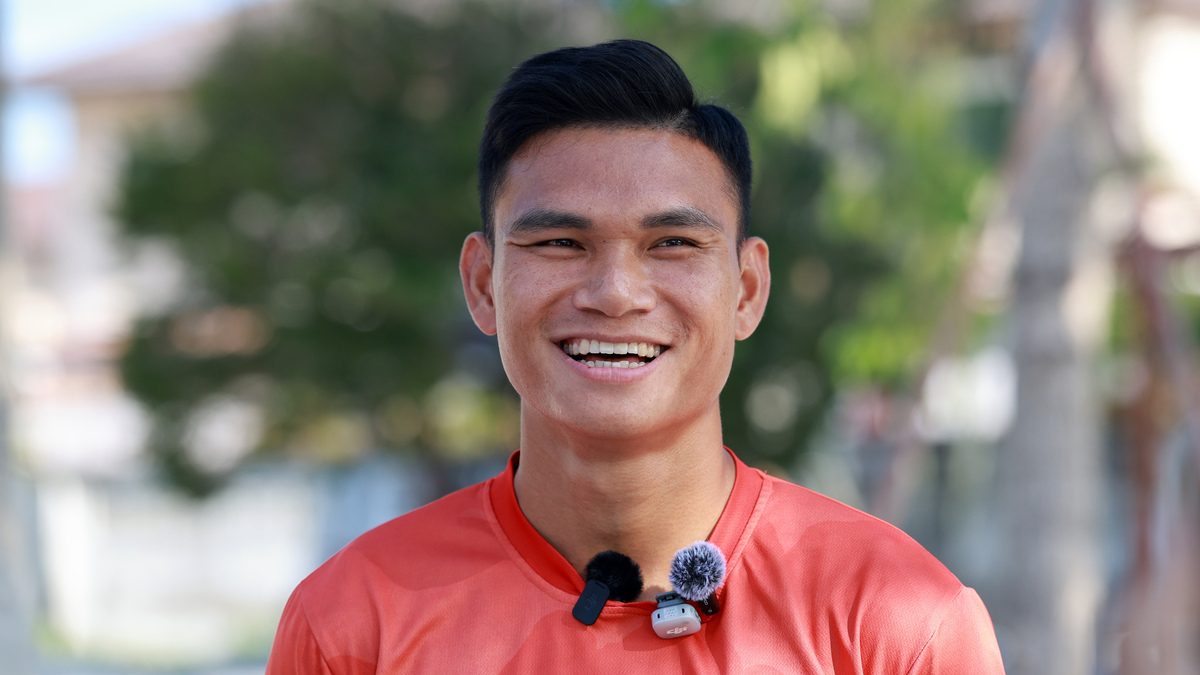
While preparations have been largely positive, the team has not been immune to challenges. A significant blow came with the injury of central defender and team captain, Duy Mạnh. Losing a player of Duy Mạnh’s caliber, both for his defensive prowess and leadership qualities, is undeniably a setback for any squad. Mạnh openly acknowledged this unfortunate incident, stating, "We lost central defender and captain Duy Mạnh, which is something no one wants." However, he quickly underscored the proactive measures taken by Coach Kim to mitigate this loss. The coach has meticulously prepared alternative solutions for the defensive line, demonstrating strategic depth and foresight.
These solutions involve enhanced coordination and communication among the remaining defenders. Phạm Xuân Mạnh revealed that there has been intensive dialogue and collaborative training among himself, Nhật Minh, Văn Hậu, and Thành Chung. This collective effort is geared towards ensuring seamless communication and robust defensive play to prevent conceding goals. The emphasis on shared responsibility and effective communication is critical, especially when a key leader is absent. It reflects a mature approach to problem-solving within the team, prioritizing collective strength over individual reliance.
Furthermore, Mạnh shed light on the team’s philosophical approach to early tournament matches. Despite facing Timor Leste in their opening fixture, a team Vietnam is historically expected to beat, the focus remains primarily on internal improvement rather than immediate opponent analysis. "Vietnam has not analyzed Timor Leste yet. Currently, we are focusing on the best plans for our own team. We need to create the best playing style, and only after that will we analyze the opponents," he explained. This method suggests a belief in mastering their own game first, establishing a strong foundation, and then adapting to specific adversaries as the tournament progresses. This self-centric approach allows the team to solidify its identity and tactics before delving into the intricacies of each opponent’s strengths and weaknesses.
The ASEAN Cup 2026: Format and Group Stage Overview
The ASEAN Cup 2026 is scheduled to take place from July 24 to August 26, promising a month-long footballing spectacle across the region. The tournament structure is designed to foster intense competition and provide ample opportunities for teams to showcase their abilities. The group stage features ten national teams divided into two groups of five.
Vietnam finds itself in Group A, a challenging but manageable pool that includes Indonesia, Cambodia, Singapore, and Timor Leste. Indonesia, a perennial rival, often presents a physical and technically adept challenge, making their encounter a highly anticipated fixture. Singapore and Cambodia, while perhaps not as historically dominant, are known for their resilience and potential to cause upsets, particularly in front of their home crowds. Timor Leste, while often considered an underdog, can still pose a threat if underestimated.
Group B comprises Thailand, Malaysia, the Philippines, Laos, and Myanmar. This group is equally competitive, with Thailand consistently being one of the strongest contenders and a record seven-time champion. Malaysia and the Philippines have also shown significant improvements in recent years, making Group B a potential "group of death" depending on form.
The group stage format ensures maximum engagement for fans, with each team playing four matches: two at home and two away. This home-and-away structure adds an extra layer of excitement and pressure, as teams must perform consistently both in familiar surroundings and hostile territories. Following the group stage, the top two teams from each group will advance to the semi-finals. The semi-finals and the final will both be contested over two legs, on a home-and-away basis, adding to the strategic depth and drama of the knockout rounds. Notably, the tournament does not include a third-place playoff, meaning the focus will be solely on crowning the champion and runner-up.
A Legacy of Champions: Vietnam’s Pursuit of Regional Dominance
The ASEAN Cup, with its rich history, has seen several nations rise to prominence. After 15 editions, Thailand stands as the most successful team, boasting an impressive seven titles in 1996, 2000, 2002, 2014, 2016, 2020, and 2022. Their consistent performance over decades underscores their status as regional giants. Singapore follows with four titles (1998, 2004, 2007, 2012), demonstrating periods of strong dominance. Vietnam, with its three championships in 2008, 2018, and 2024, has firmly established itself as a modern footballing powerhouse in Southeast Asia. Malaysia has also tasted glory once, in 2010.
Vietnam’s ascent in regional football has been particularly notable in recent years. The 2008 victory, often credited to the "Golden Generation," sparked a renewed passion for the sport in the country. The 2018 triumph, under the guidance of former coach Park Hang-seo, cemented Vietnam’s place at the top, achieving widespread acclaim and fostering immense national pride. Their latest victory in 2024 further solidified their position as a formidable force. These successes have not only brought silverware but also inspired a new generation of footballers and significantly boosted the professionalization of the sport within Vietnam.
The rivalry between Vietnam and Thailand, in particular, has become a defining feature of the ASEAN Cup. Matches between these two nations are often highly charged, tactical battles that capture the imagination of fans across the region. Mạnh’s comment about "evenly matched" opponents hints at the increasing challenge posed by not only traditional rivals but also improving teams like Indonesia and the Philippines, who are constantly striving to close the gap. The tournament’s evolution reflects a broader trend of development in Southeast Asian football, where competitive parity is slowly but surely becoming the norm.
Broader Implications for Vietnamese Football
The ASEAN Cup 2026 represents more than just a trophy for Vietnam; it is a critical platform for the continued development and global recognition of Vietnamese football. Successfully defending the title would not only affirm their current standing as a regional leader but also provide invaluable experience for players, especially the younger talents who are being integrated into the squad. Such achievements boost national pride, increase fan engagement, and attract further investment into the sport, from grassroots academies to professional leagues.
For players like Phạm Xuân Mạnh, the tournament is an opportunity to showcase their leadership and defensive prowess on a regional stage. For emerging stars like Đình Bắc, it is a chance to solidify their positions and gain crucial international exposure that could propel their careers to higher levels. Coach Kim’s strategies and tactical adjustments will also be under intense scrutiny, as he navigates the complexities of a major international tournament. The outcomes of the ASEAN Cup often serve as benchmarks for national football programs, influencing future policies, investments, and strategic directions.
As the tournament approaches, all eyes will be on Vietnam as they embark on their quest to defend their title. The journey promises to be challenging, filled with tough opponents and demanding fixtures. However, with the confidence expressed by players like Phạm Xuân Mạnh, the meticulous preparations, and a clear tactical vision, Vietnam remains a strong contender. The ASEAN Cup 2026 is set to be a captivating display of regional football, and Vietnam’s performance will undoubtedly shape the narrative of Southeast Asian football for years to come.