Understanding Early Warning Signs of Bone Cancer and the Impact of Daily Walking Habits on Long-Term Health


Medical professionals and oncologists are increasingly highlighting the importance of distinguishing between routine orthopedic discomfort and the more sinister indicators of bone malignancy. While musculoskeletal pain is a common ailment affecting millions of individuals globally, particularly as they age, certain characteristics of bone pain should never be dismissed as mere signs of aging or physical overexertion. Clinical data suggests that early detection remains the most critical factor in the successful treatment of bone cancer, a rare but aggressive form of the disease that often presents with symptoms that mimic more benign conditions such as arthritis, sports injuries, or general fatigue.
The Clinical Profile of Persistent Bone Pain
Bone pain is frequently misinterpreted by patients as a symptom of osteoarthritis, a lingering injury from past physical activity, or the result of a strenuous workout. However, the nature of the pain associated with bone cancer—primarily primary bone cancers like osteosarcoma, chondrosarcoma, and Ewing sarcoma—possesses distinct characteristics. Experts note that if a localized ache in the bone persists for several weeks without improvement, it warrants immediate medical investigation.
Unlike the pain from a typical muscle strain, which usually subsides with rest and time, malignant bone pain often intensifies during periods of inactivity. Many patients report that the discomfort becomes significantly more pronounced at night, often waking them from sleep. This nocturnal pain is a significant "red flag" in oncology. As the tumor grows, it can stretch the periosteum—the dense layer of vascular connective tissue enveloping the bones—which is highly sensitive to pressure and pain.
Furthermore, as the disease progresses, the pain tends to become constant and unresponsive to over-the-counter anti-inflammatory medications. Beyond the pain itself, other physical manifestations may include localized swelling or a palpable lump near a joint, a noticeable reduction in the range of motion of a limb, and unexplained weight loss or fever. In advanced stages, the structural integrity of the bone becomes so compromised that a "pathological fracture" can occur from a minor fall or even routine daily movements that would not typically cause a break in healthy bone tissue.

A Chronology of Symptom Progression and Diagnosis
The progression of bone cancer symptoms typically follows a chronological path that can help patients and doctors identify the urgency of the situation.
- Phase One: Intermittent Discomfort. Initially, the pain may come and go. It might be mistaken for a "growing pain" in adolescents or a minor strain in adults. It is often localized to the long bones of the arms or legs.
- Phase Two: Persistence and Nocturnal Intensity. Within three to six weeks, the pain becomes more frequent. The patient begins to notice that resting does not alleviate the discomfort and that the pain is most severe during the late-night hours.
- Phase Three: Physical Changes and Functional Limitation. Swelling becomes visible. The skin over the affected area may feel warm or appear red. If the tumor is near a joint, such as the knee or shoulder, the patient may begin to limp or find it difficult to lift objects.
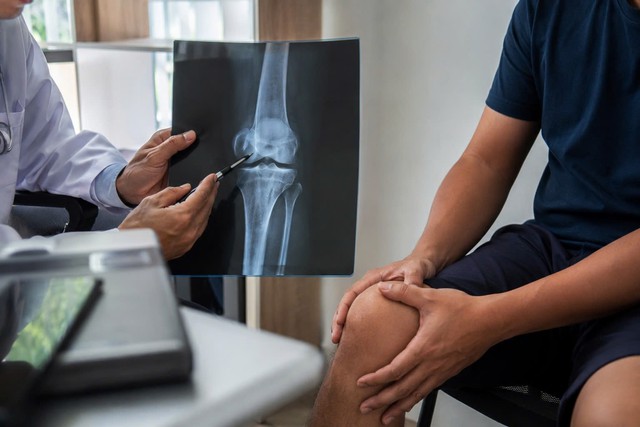
- Phase Four: Structural Failure. The bone becomes brittle. At this stage, the risk of a fracture is high. Diagnostic imaging, such as X-rays, CT scans, or MRIs, usually reveals a "sunburst" pattern or a moth-eaten appearance in the bone, indicating aggressive tumor growth.
Oncologists emphasize that moving from Phase One to Phase Three can happen rapidly. Therefore, the medical community advocates for a "two-week rule": if localized bone pain does not improve within fourteen days of rest and basic care, a professional consultation is mandatory.
The Metabolic Advantages of Post-Dinner Walking
While identifying serious illness is vital, maintaining daily habits that prevent chronic metabolic diseases is equally important for long-term health. One of the most effective, yet simplest, interventions recommended by endocrinologists is a short, 10-to-15-minute walk following the evening meal. This practice, often referred to as a "postprandial stroll," has profound implications for blood glucose management.
When we consume a meal, particularly one high in carbohydrates, the body breaks down the food into glucose, which enters the bloodstream. In response, the pancreas releases insulin to help cells absorb this glucose for energy. However, sedentary behavior immediately after eating can lead to significant blood sugar spikes. By engaging in light physical activity like walking, the skeletal muscles—which are the primary consumers of glucose in the body—begin to contract. This muscle contraction allows cells to take up glucose even without a high demand for insulin, effectively lowering blood sugar levels and reducing the strain on the pancreas.
Supporting data from various metabolic studies indicates that a short walk after dinner can reduce the glucose spike by as much as 20% to 30%. Over time, this habit significantly lowers the risk of developing Type 2 diabetes and helps manage weight by preventing the excess glucose from being stored as fat. Additionally, the rhythmic movement of walking stimulates the digestive tract, aiding in peristalsis—the wave-like muscle contractions that move food through the digestive system. This can alleviate common issues such as bloating, acid reflux, and constipation.
Footwear Biomechanics: The Case Against Flip-Flops for Exercise
Despite the benefits of walking, the efficacy and safety of the exercise are heavily dependent on the equipment used—specifically, footwear. Many individuals, seeking convenience, opt for flip-flops or loose sandals when taking a casual walk around their neighborhood. Podiatrists and orthopedic surgeons warn that this choice can lead to a cascade of musculoskeletal issues.
The primary function of an athletic shoe is to provide arch support, heel stability, and shock absorption. Flip-flops offer none of these. Because flip-flops are not secured to the foot, the wearer must subconsciously "scrunch" their toes to keep the shoe from sliding off. This repetitive action overstrains the tendons in the foot and can lead to tendonitis or a painful condition known as plantar fasciitis, which is the inflammation of the thick band of tissue that runs across the bottom of the foot.
Furthermore, flip-flops lack a structured heel cup. This lack of stability causes the ankle to wobble, increasing the risk of lateral sprains, especially on uneven pavement. From a biomechanical perspective, wearing improper footwear alters a person’s natural gait. It shortens the stride and increases the impact force on the knees, hips, and lower back. Over several months, what started as a healthy habit of walking can turn into a source of chronic joint pain due to the lack of proper foot alignment provided by sandals.
Broader Public Health Implications and Analysis
The intersection of cancer awareness, metabolic health, and biomechanical safety represents a holistic approach to modern medicine. As global populations age and sedentary lifestyles become more prevalent, the burden on healthcare systems increases.
Analysis of current health trends suggests that the "normalization" of minor pains is a significant barrier to early cancer diagnosis. Public health campaigns must focus on educating the population that "pain is a signal, not a standard part of aging." By the time many bone cancer patients seek help, the tumor may have already metastasized to the lungs, significantly lowering the five-year survival rate. In contrast, localized bone cancer that is caught early has a much higher success rate with modern limb-sparing surgeries and advanced chemotherapy.

On the metabolic front, the promotion of low-intensity exercise like post-dinner walking is a cost-effective strategy to combat the global obesity and diabetes epidemic. Unlike expensive gym memberships or high-intensity interval training, walking is accessible to almost everyone. However, the "equipment gap"—the lack of understanding regarding proper footwear—often leads to secondary injuries that discourage people from staying active.
Official responses from physical therapy associations suggest that the best approach to evening exercise is "moderate and mindful." One should wait approximately 15 to 20 minutes after eating before starting a walk to allow the initial phase of digestion to begin, and one should always wear shoes that provide a firm grip and arch support. High-intensity running or heavy lifting immediately after a large meal is discouraged, as it diverts blood flow away from the digestive organs to the skeletal muscles too aggressively, which can cause cramping and gastrointestinal distress.
Conclusion: A Proactive Stance on Skeletal and Metabolic Health
Protecting one’s health requires a combination of vigilance regarding unusual symptoms and the discipline to maintain healthy daily routines. The persistent nature of bone pain should be treated with the same urgency as a chest pain or a suspicious mole. By recognizing the specific patterns of bone cancer—such as pain that worsens at night and lasts for weeks—individuals can seek life-saving intervention.
Simultaneously, the adoption of a post-dinner walking routine serves as a powerful tool for metabolic regulation. When performed with the correct footwear and at a moderate pace, this simple habit can transform a person’s long-term health profile, reducing the risk of chronic disease and improving overall quality of life. The synergy between medical awareness and preventive lifestyle choices remains the cornerstone of modern wellness. As we navigate an era of increasing health complexity, the most effective defense remains a well-informed and proactive patient.