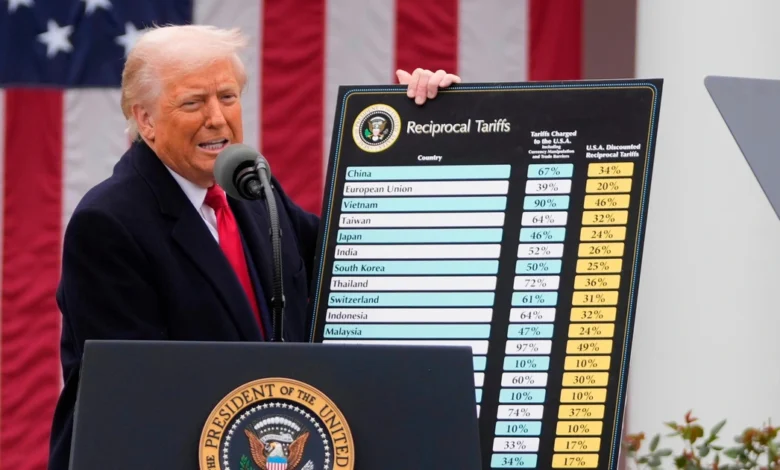
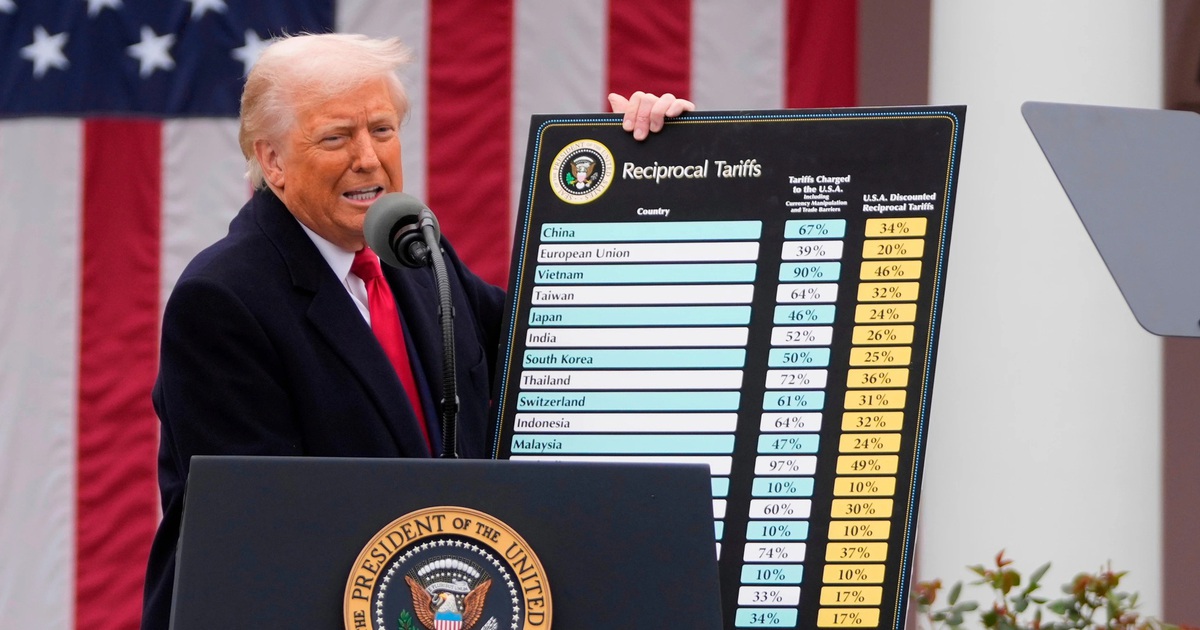
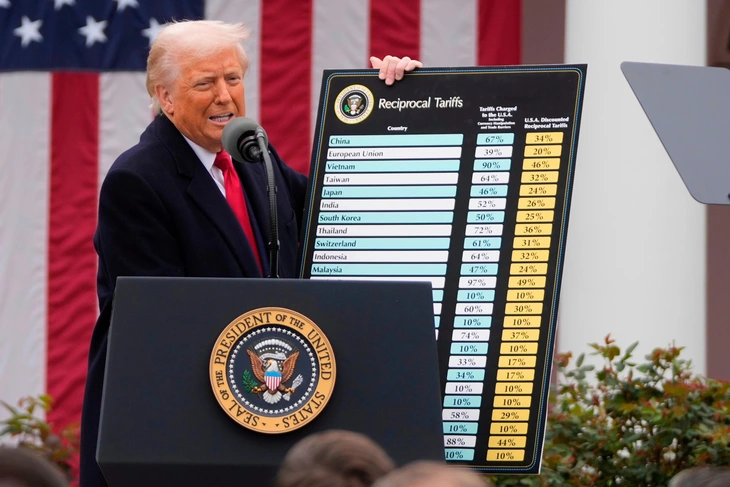
The United States has announced a significant escalation in its trade policy, imposing new import tariffs on a wide range of goods, a move that has triggered immediate and widespread criticism from key trading partners. The new measures, effective April 2, 2025, will see tariffs ranging from 10% to 12.5% applied to over 60 countries under Section 301 of the Trade Act of 1974. This latest action supersedes an earlier 10% tariff imposed by the Trump administration in February, which had been challenged and subsequently deemed non-compliant with existing trade law by the US Supreme Court.
The administration justified the decision by citing the failure of numerous countries to effectively implement bans on goods produced through forced labor. However, this rationale has been met with strong dissent from many of Washington’s major trading partners, who argue the new tariffs lack sufficient legal basis and could destabilize the global economic order.
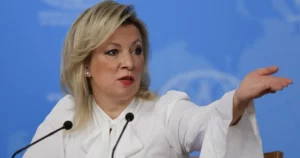
China, a primary target of the new tariffs, has vehemently condemned the move. A spokesperson for the Chinese Ministry of Foreign Affairs stated that Beijing opposes all forms of import tariffs, labeling the action a "trade war" that will not benefit any party. Under the new policy, Chinese goods will face a 12.5% tariff.
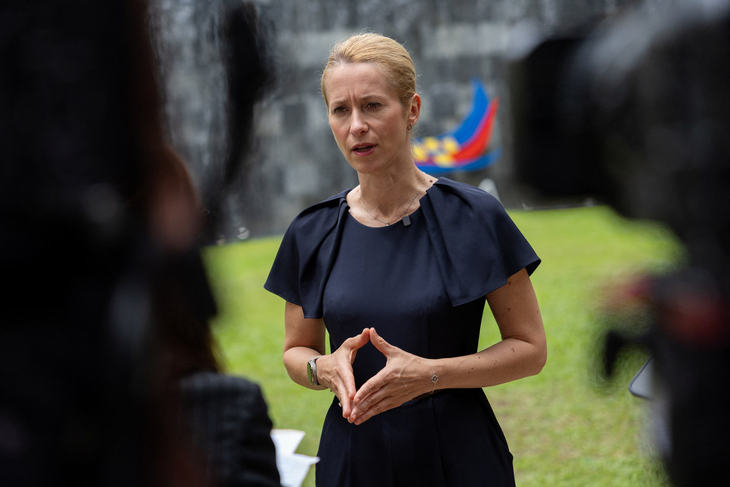
The European Union, another significant trading bloc, has also voiced strong objections. Kaja Kallas, a senior representative for the EU, criticized the US policy, asserting that the United States lacks a "basis" for imposing these tariffs on the EU. Speaking at a press conference in Manila, Philippines, Kallas emphasized the EU’s stringent labor standards and its commitment to fair labor practices, stating that the bloc has already fulfilled its trade commitments with the US, including those outlined in the Transatlantic Trade and Investment Partnership discussions, aiming for a zero-tariff environment by 2025. She characterized Washington’s sudden imposition of these tariffs as an "unpleasant surprise."
Brazil has also joined the chorus of disapproval, arguing that the new tariffs lack a legitimate foundation and appear to be a political maneuver by the US. Similarly, Norway has refuted the US claims, asserting that its regulations are clear and that it has no policies that would necessitate US tariffs. Norway maintains that its labor laws effectively prohibit the import of goods produced through forced labor, and therefore, there is no justification for the US to impose tariffs on its products.
New Zealand’s Prime Minister, Christopher Luxon, described Washington’s actions as "completely unnecessary," noting that the US has yet to provide any "substantive evidence" to justify these measures against alleged forced labor practices. Japan, while not explicitly stating a rejection of the tariffs, has indicated that its trade and industrial activities adhere to international regulations. The Japanese Ministry of Foreign Affairs stated that Tokyo’s trade and industrial activities are conducted in accordance with international standards.
The UK government has also responded to the new tariffs, stating that the US decision will not adversely affect British businesses. London reiterated that its bilateral trade agreement with Washington remains in effect. However, the UK has indicated a desire for improvements in trade conditions, specifically regarding the reduction of tariffs on its whisky exports and the potential for zero tariffs on certain industrial goods.
Background and Context: The Evolving Trade Landscape
The imposition of these new tariffs marks a significant intensification of trade tensions that have been simmering for years. The Trump administration’s initial use of Section 301 of the Trade Act of 1974, a provision designed to address unfair trade practices, signaled a departure from traditional multilateral trade agreements and a move towards a more protectionist stance. Section 301 grants the US President broad authority to investigate and act against foreign trade practices deemed unfair or burdensome to US commerce.
The focus on forced labor as a justification for tariffs is not new. International bodies and various nations have long grappled with the ethical and economic implications of products made under such conditions. However, the application of broad tariffs, rather than targeted sanctions against specific entities or products proven to be linked to forced labor, has drawn criticism for its potential to disrupt global supply chains and penalize entire economies.
The timeline of these actions reveals a pattern of escalating trade disputes:
- February [Year]: The Trump administration initially imposed a 10% tariff on a specific set of imported goods, citing concerns related to trade practices.
- Subsequent Period: The legality and scope of these tariffs were challenged in US courts.
- Present: The Supreme Court ruled against certain aspects of the initial tariffs, prompting the current administration to revise and expand the measures, now ranging from 10% to 12.5% on a broader spectrum of goods from over 60 countries.
- April 2, 2025: The new, higher tariffs officially come into effect.
The underlying rationale of addressing forced labor is a complex issue. The International Labour Organization (ILO) estimates that millions of people are subjected to forced labor globally, with significant economic implications. While the intent to combat this practice is widely supported, the methodology employed by the US has become a point of contention.
Economic Implications and Global Reactions
The economic implications of these new tariffs are far-reaching. For the countries targeted, the increased cost of exporting goods to the United States could lead to reduced trade volumes, potential job losses, and slower economic growth. Businesses reliant on the US market will face the difficult task of absorbing these additional costs or finding alternative markets.
Conversely, the stated aim of the US administration is to protect domestic industries and jobs by making imported goods more expensive. However, economists warn that broad-based tariffs can also lead to higher prices for American consumers and businesses that rely on imported components, potentially fueling inflation and hindering domestic competitiveness.
The global reaction underscores the interconnectedness of the modern economy. The swift and largely negative responses from major economic powers like China and the EU suggest a potential for retaliatory measures, which could further escalate trade tensions and lead to a broader trade war. Such a scenario would likely have detrimental effects on global economic stability, investment, and growth.
Analysis of the Justification: Forced Labor and Trade Law
The US administration’s reliance on Section 301 of the Trade Act of 1974 for these broad tariffs is a subject of debate. While Section 301 grants significant authority, its application in this instance is being scrutinized. Critics argue that using it to impose blanket tariffs based on allegations of forced labor, without more specific evidence and due process for individual countries, stretches the statute’s intended purpose.
The administration’s claim that countries have failed to implement bans on forced labor products is a serious accusation. However, the effectiveness and comprehensiveness of such bans can vary significantly by nation, and establishing a universally accepted standard for compliance is a complex challenge. International organizations like the ILO provide frameworks and guidelines, but enforcement and implementation remain national responsibilities.
The EU’s response, particularly, highlights the perceived lack of a strong legal basis for the US action. Kaja Kallas’s statement that the EU has rigorous labor standards and has met its trade commitments suggests that the US criteria for compliance may be exceptionally high or perhaps selectively applied. The reference to the 2025 trade agreement target also indicates a commitment to a more open trade environment, which contrasts sharply with the unilateral imposition of tariffs.
The Path Forward: Investigations and Potential for De-escalation
The announcement of these new tariffs is likely not the final chapter in this trade dispute. The US administration has indicated that it is currently conducting investigations into 16 other economies, scrutinizing potential signs of overcapacity in industrial production. This suggests that further trade actions could be forthcoming, broadening the scope of US tariff policies.
The current approach of imposing tariffs, especially those that supersede court rulings, raises questions about the long-term strategy of US trade policy. While proponents argue it’s a necessary tool to level the playing field, critics fear it could lead to a fragmented global trading system, undermining decades of progress in international economic cooperation.
The challenge for policymakers on all sides will be to navigate these complex trade issues without resorting to measures that inflict significant damage on the global economy. A return to multilateral dialogue, transparent enforcement of trade laws, and targeted interventions based on clear evidence would likely be more conducive to achieving sustainable and equitable trade relations than broad-based protectionist measures. The coming months will reveal whether this latest move by the US is a catalyst for further conflict or an opening for renewed diplomatic engagement to resolve these critical trade concerns.