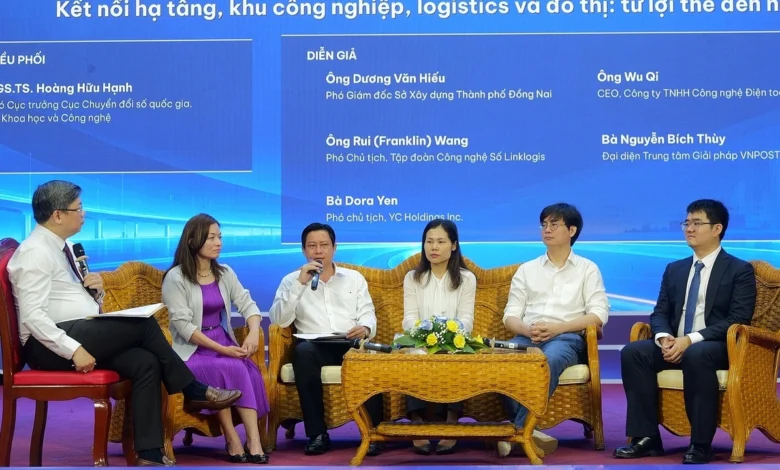
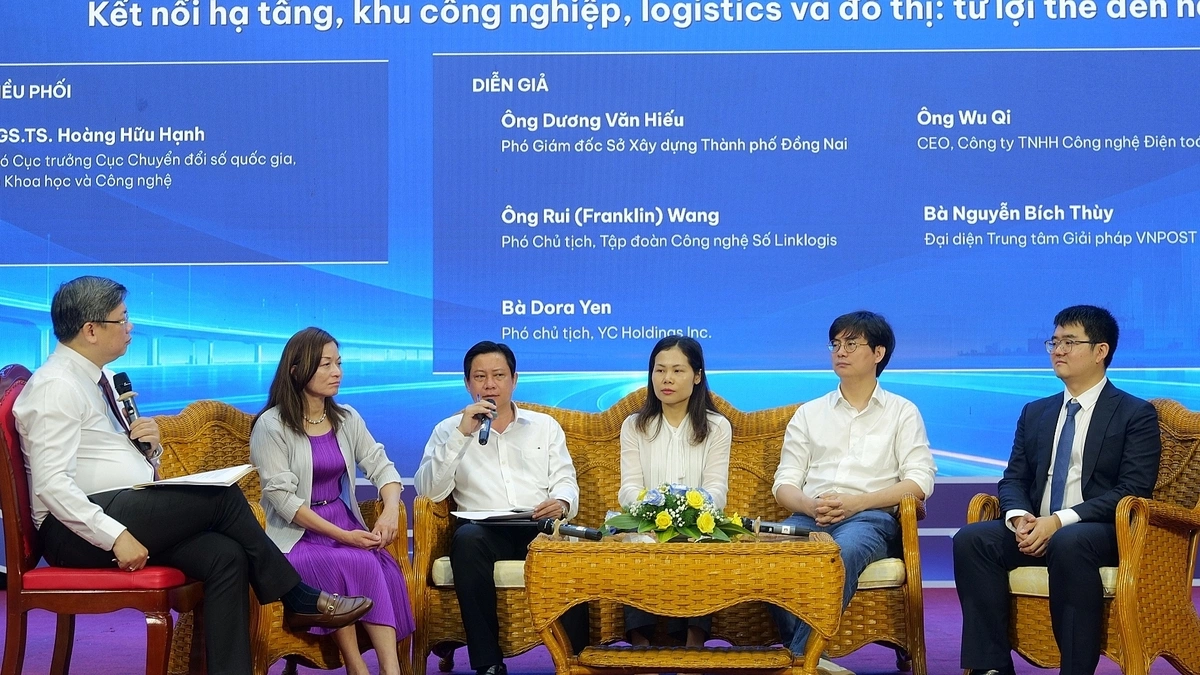
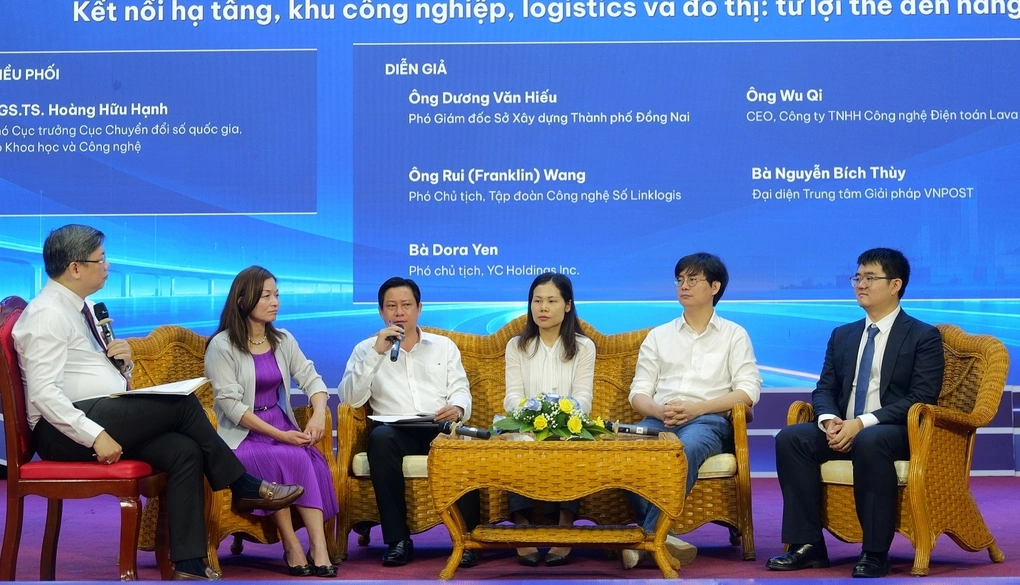
Dong Nai province is aggressively positioning itself as a premier logistics hub in Southern Vietnam, leveraging the strategic development of the Long Thanh International Airport and a robust network of deep-water seaports. During a high-level conference held on November 1, government officials, industry experts, and representatives from the Vietnam Union of Science and Technology Associations convened to deliberate on the structural transformation of the province’s logistics sector. The focus is no longer merely on building physical infrastructure but on fostering a smart, data-driven, and interconnected ecosystem capable of supporting global supply chain demands.
The Strategic Vision: A Logistics Powerhouse
The geographical positioning of Dong Nai—situated at the heart of the Southern Key Economic Zone—provides it with unparalleled advantages. With the ongoing construction of the Long Thanh International Airport, the province is set to become a vital node in international air freight, supplementing the existing heavy-duty maritime capabilities of the Cai Mep-Thi Vai port cluster.
Duong Van Hieu, Deputy Director of the Dong Nai Department of Construction, emphasized during the conference that the province is at a critical juncture. The integration of international aviation, seaport infrastructure, industrial parks, and multi-modal transport networks creates a unique "opportunity window." However, the challenge lies in moving beyond the siloed development of individual projects. "We are not simply looking for physical infrastructure that exists side-by-side," Hieu stated. "We are looking for a cohesive system where every component—from airports to warehouses—functions as a unified, smart, and efficient entity."
Chronology of Infrastructure Development
The roadmap for Dong Nai’s logistics transformation is tied to several milestone projects that have reshaped the regional economic landscape over the last decade:
- 2015-2018: Initial planning and land acquisition phases for the Long Thanh International Airport, sparking interest in surrounding service and industrial real estate.
- 2019-2021: Acceleration of the Bien Hoa-Vung Tau expressway project, a critical artery connecting industrial zones in Dong Nai to regional ports.
- 2022-2024: Rapid expansion of logistics service centers and cold storage facilities to accommodate the growing export of agricultural products and high-tech manufacturing components.
- November 2024: The "Development of Smart Logistics Ecosystems" conference, marking the pivot from physical construction to digital operational management.
Integrating Technology into Supply Chain Management
The modern logistics landscape is increasingly defined by the "Three Ds": Data, Digitalization, and Decentralization. Industry experts at the conference argued that the traditional management models are insufficient for the current scale of Dong Nai’s economic output.
By adopting Artificial Intelligence (AI), the Internet of Things (IoT), and cloud computing, Dong Nai intends to create a transparent supply chain. These technologies offer real-time tracking, predictive analytics, and automated routing, which significantly reduce operational costs and lead times. For a province heavily invested in manufacturing and agricultural exports, the ability to optimize these flows is not merely a convenience—it is an economic imperative.
Expert Insights: Tailoring Logistics to Industry Needs
Le Quoc Anh, a member of the Board of Directors at Vietnam Post, provided a nuanced perspective on the diverse needs of different industries. He noted that the requirements for cold-chain logistics in agriculture differ vastly from the requirements for electronics manufacturing.
"For the agricultural sector, the logistics chain must focus on rapid collection, preservation, and distribution to minimize post-harvest losses," Quoc Anh explained. He suggested that by integrating localized collection points with advanced cold-storage facilities, Dong Nai can ensure higher product quality for international markets, thereby increasing the value proposition for local farmers and producers.
For the high-tech manufacturing sector, the focus shifts to "just-in-time" delivery and seamless inter-modal connectivity. Vietnam Post proposed a collaborative model where the province acts as a facilitator, matching the specific needs of industrial zones with tailored logistical chains designed to maximize throughput and minimize waste.
Data-Driven Development: The "Three Actuals" Framework
Nguyen Minh Quang, Deputy Director of the Dong Nai Department of Science and Technology, introduced a rigorous framework for project implementation, referred to as the "Three Actuals":
- Actual Problem: Every initiative must originate from real-world demand and be capable of implementation under current conditions.
- Actual Solution: Proposed technological or structural changes must be grounded in verified methodology.
- Actual Efficiency: Success must be measurable through concrete metrics—time, cost, and socio-economic impact.
This framework is designed to prevent "vanity projects" and ensure that the digital transition remains rooted in the practical requirements of the businesses operating within the province.
Economic Implications and Future Challenges
The shift toward a smart logistics ecosystem carries significant implications for Dong Nai’s long-term economic growth. By reducing logistics costs—which currently represent a high percentage of product value in Vietnam—the province can improve the competitive edge of its exported goods. Furthermore, the development of a high-tech logistics corridor will likely attract high-value foreign direct investment (FDI) from multinational corporations looking for stable, efficient, and technologically advanced regional hubs.
However, challenges remain. The synchronization of various regulatory bodies, the need for a highly skilled workforce proficient in logistics technology, and the massive capital requirement for infrastructure upgrading are hurdles that must be cleared. The provincial government has signaled its intent to review all existing urban and industrial planning, ensuring that future logistics developments are aligned with the broader digital transformation goals of the Vietnamese government.
Official Directives and Next Steps
As a follow-up to the conference, the Department of Science and Technology has been tasked with working alongside other provincial departments to synthesize the recommendations into a comprehensive action plan. This plan will be submitted to the Dong Nai People’s Committee for approval.
The mandate is clear: the province must conduct a thorough audit of existing infrastructure and data systems to identify gaps in connectivity. The goal is to move toward a "Digital Twin" model of the provincial logistics infrastructure, allowing authorities to simulate traffic flows, identify bottlenecks, and optimize resource allocation before physical changes are made.
Conclusion: A New Era for Dong Nai
The movement toward a smart logistics ecosystem represents a maturation of Dong Nai’s economic strategy. No longer satisfied with being a production site, the province is evolving into a comprehensive logistics service provider. By blending its geographical advantages with the precision of AI and the efficiency of modern management systems, Dong Nai is setting a precedent for other provinces in the region.
The success of this endeavor will depend on the commitment to the "Three Actuals" framework and the ability of the public and private sectors to work in concert. As the Long Thanh airport nears completion, the pressure to integrate these systems will only intensify. With a clear vision and a focus on practical, measurable outcomes, Dong Nai is positioning itself to be a cornerstone of Vietnam’s future as a global logistics player.
Related posts: