Miraculous Survival: Myanmar Tourist Recovering in Da Nang After Severe Gastrointestinal Hemorrhage and Multi-Organ Failure

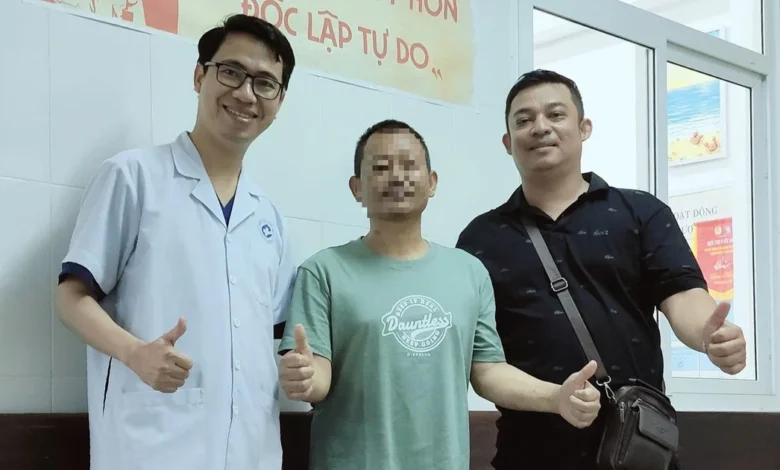
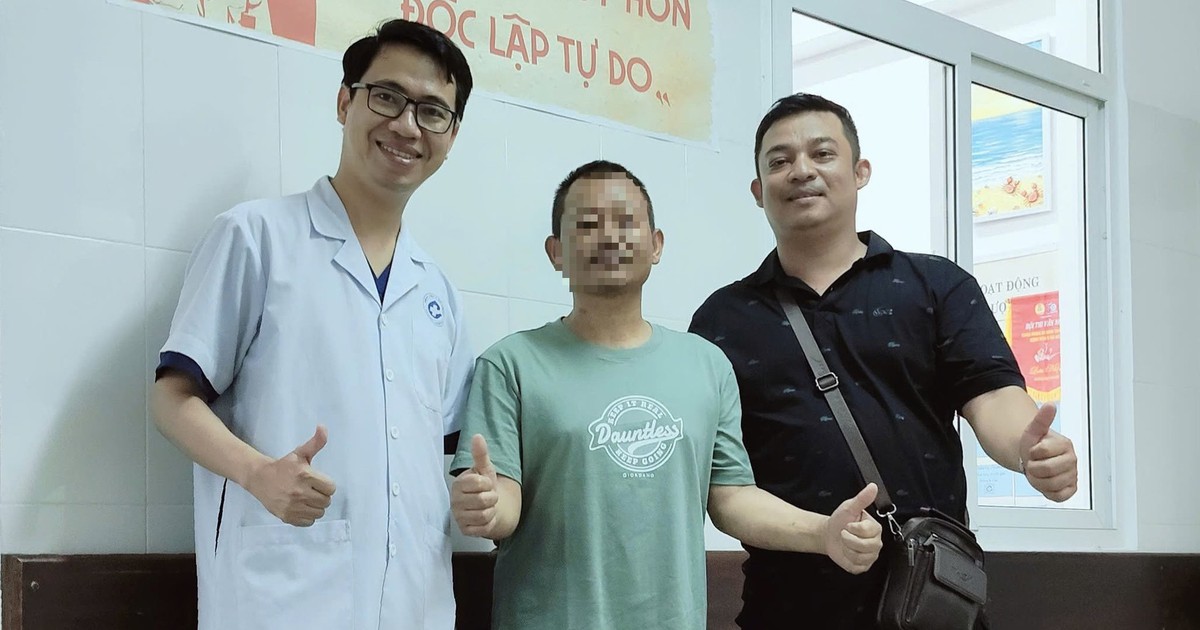
Medical professionals at Hospital C in Da Nang, Vietnam, have successfully discharged a 39-year-old foreign national who experienced a near-fatal medical emergency following a commercial flight from Macau, China. The patient, identified as L.A., a citizen of Myanmar, was thrust into a critical battle for survival after suffering a massive upper gastrointestinal hemorrhage, severe hemorrhagic shock, and subsequent multi-organ failure shortly after touching down in central Vietnam.
The incident, which unfolded in mid-September, highlights the unpredictable nature of acute medical crises during international travel and underscores the high standard of critical care provided by Vietnamese medical institutions to foreign visitors. Hospital C’s leadership and specialized intensive care units managed a complex, high-risk case involving a foreign national with limited local support networks, ultimately achieving a successful clinical recovery after more than a week of intensive intervention.
The Critical Arrival and Initial Presentation
The sequence of events began immediately after L.A. completed his flight from the Special Administrative Region of Macau to Da Nang International Airport. Upon arrival, the traveler unexpectedly began vomiting large quantities of fresh blood. The sudden and severe hemorrhage rapidly compromised his physical state, plunging him into acute shock and prompting immediate emergency response measures. Airport medical personnel and travel companions coordinated swiftly to transfer him to Hospital C in Da Nang for emergency intervention.
When the patient arrived at the emergency department, his clinical presentation was alarming. He was in a state of extreme agitation, with a critically low blood pressure reading and clear signs of impending cardiovascular collapse. Recognizing the life-threatening severity of his condition, the medical team immediately transferred him to the Intensive Care Unit (ICU) and Poison Control Department for advanced resuscitation.
Upon admission, attending physicians diagnosed L.A. with a massive upper gastrointestinal bleed, strongly suspected to have originated from the rupture of esophageal varices—enlarged veins in the esophagus typically linked to underlying liver conditions. This acute hemorrhage had triggered profound hemorrhagic shock and systemic multi-organ dysfunction, placing the patient at an exceptionally high risk of mortality.
Intensive Resuscitation and Emergency Intervention
Laboratory investigations and clinical monitoring in the ICU painted a grim picture of the patient’s systemic status. L.A. was suffering from acute, profound blood loss accompanied by severe metabolic acidosis, indicated by a soaring blood lactate level reaching 19 mmol/L—a marker of extreme cellular stress and inadequate tissue perfusion. Furthermore, comprehensive diagnostic evaluations revealed acute hepatic (liver) and renal (kidney) failure.
At various points during the initial hours of treatment, the patient experienced altered mental states bordering on coma, persistently low blood pressure, and required high-dose vasopressor medications to maintain even minimal systemic vascular resistance and organ perfusion.
The ICU medical team rapidly deployed a comprehensive, multi-faceted critical care protocol. To secure his airway and ensure adequate oxygenation, physicians performed endotracheal intubation and placed the patient on mechanical ventilation. Massive transfusion protocols were immediately initiated, involving the administration of packed red blood cells and various blood products to correct the severe coagulopathy and volume depletion. Continuous vasopressor therapy was maintained to stabilize his hemodynamics and protect vital organs from ischemic injury.
Simultaneously, a multidisciplinary team coordinated an emergency gastrointestinal endoscopy. The procedure was critical not only to accurately locate the source of the bleeding but also to apply immediate therapeutic measures to control and halt the hemorrhage. Throughout this intensive phase, physicians maintained rigorous monitoring of the patient’s blood gas parameters, coagulation profiles, and the functional recovery of his liver and kidneys. Advanced supportive therapies, including continuous renal replacement therapy or blood filtration options, were evaluated and kept on standby to manage the acute renal impairment.
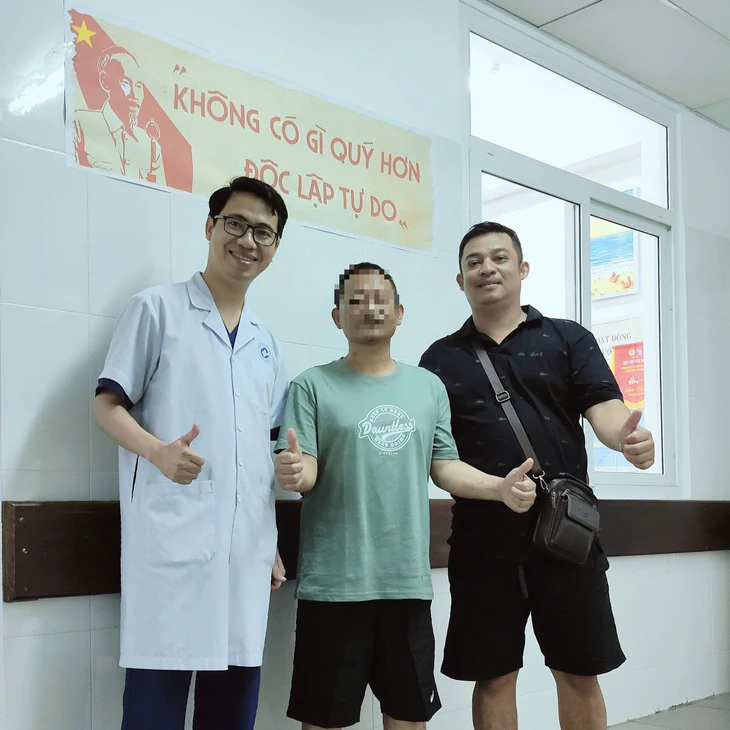
Navigating Linguistic and Logistical Challenges
The complexity of the medical intervention was compounded by significant logistical and communication hurdles. L.A. arrived in Vietnam without family members present in the country. His sole companion was a fellow Myanmar national who was also traveling abroad, leaving the two visitors in an unfamiliar environment with significant language barriers.
Hospital C’s administrative and medical staff stepped beyond traditional clinical duties to address these challenges. While the primary focus remained on aggressive, round-the-clock resuscitation and clinical management, the hospital team provided continuous logistical and emotional support to the patient and his accompanying friend. Navigating foreign medical systems, managing cross-cultural communication, and coordinating updates under high-stress conditions tested the adaptability of the hospital’s support staff, who worked to bridge the linguistic divide to ensure informed and compassionate care.
For the first several days of his hospital stay, L.A. remained entirely dependent on mechanical ventilation and high-level cardiovascular support. The complex interplay of multi-organ failure led medical specialists to project a very high mortality risk during the initial treatment window.
Gradual Stabilization and Clinical Recovery
Despite the grim initial prognosis, the sustained and rigorous efforts of the ICU team began to yield positive results after several days of continuous intervention. The patient’s hemodynamic parameters gradually stabilized, blood pressure came under pharmacological control, and the aggressive fluid and blood resuscitation successfully restored adequate systemic perfusion.
Laboratory markers began to reflect a slow but steady recovery of organ function. The severe metabolic acidosis resolved, lactate levels normalized, and indicators of liver and renal stress showed progressive improvement. As his internal environment stabilized and the risk of recurrent hemorrhage diminished, the clinical team initiated weaning protocols.
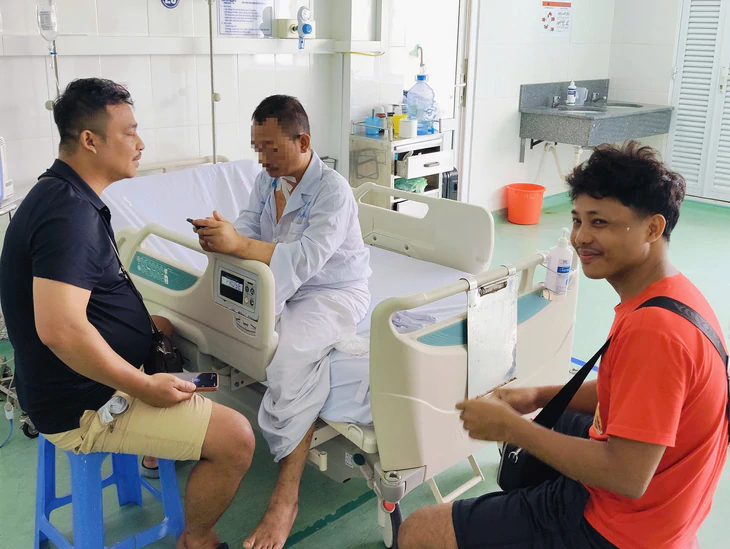
After nearly two weeks of intensive hospital care, L.A. regained full consciousness. The medical team successfully performed a spontaneous breathing trial and safely extubated the patient, removing the endotracheal tube. Respiratory function and daily physiological activities returned to baseline parameters, marking a triumphant conclusion to a critical medical ordeal.
Broader Implications and Healthcare Context
The successful management of this complex case highlights the advanced capabilities of regional healthcare facilities in Vietnam’s major tourist hubs, such as Da Nang. As Vietnam continues to position itself as a premier global destination welcoming millions of international visitors annually, the capacity of local hospitals to handle severe, unexpected medical emergencies involving foreign nationals remains a cornerstone of the country’s tourism infrastructure.
Hospital C in Da Nang, a leading medical institution in the central region, has frequently managed high-acuity cases involving international travelers, ranging from acute trauma to complex internal medicine emergencies. The successful outcome in L.A.’s case reflects the efficacy of standardized emergency protocols, advanced ICU capabilities, and the dedication of multidisciplinary medical teams capable of executing high-level interventions under pressure.
Medical experts note that severe upper gastrointestinal bleeding resulting from variceal rupture requires immediate, coordinated intervention within hours of symptom onset to prevent irreversible organ damage or death. The prompt transfer from the airport to a specialized facility, followed by immediate endoscopic control and aggressive hemodynamic support, proved decisive in saving the patient’s life.
With his condition fully stabilized and cognitive and respiratory functions restored, L.A. was cleared for discharge following a ten-day inpatient stay. The case stands as a notable example of modern critical care medicine successfully overcoming severe multi-organ trauma and systemic shock far from a patient’s home country.