International Delegates Praise Ho Chi Minh City’s 2026 Public Diplomacy Initiative as a Milestone for Global Urban Cooperation

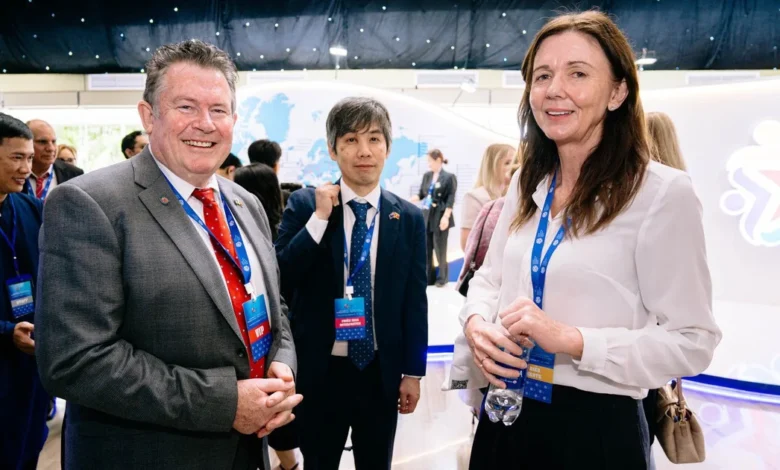
Ho Chi Minh City’s third annual Public Diplomacy Initiative, convened on September 11, 2026, concluded with resounding praise from international representatives, local officials, and foreign diplomats. Bringing together over 500 delegates from twin cities, provinces, and international organizations worldwide, the day-long event served as a high-level platform for discussing sustainable urban development, research and development (R&D) integration, and decentralized cooperation. As metropolitan areas globally face unprecedented structural, environmental, and economic pressures, the event underscored the critical importance of city-to-city diplomacy in fostering regional stability and practical local innovation.
A High-Level Gathering Grounded in Direct Dialogue
The 2026 edition of the Ho Chi Minh City Public Diplomacy program featured comprehensive discussions structured around two major plenary sessions. These panels focused on the strategic role of local governments in driving research and development (R&D) and enhancing co-branded partnerships across international municipal networks.
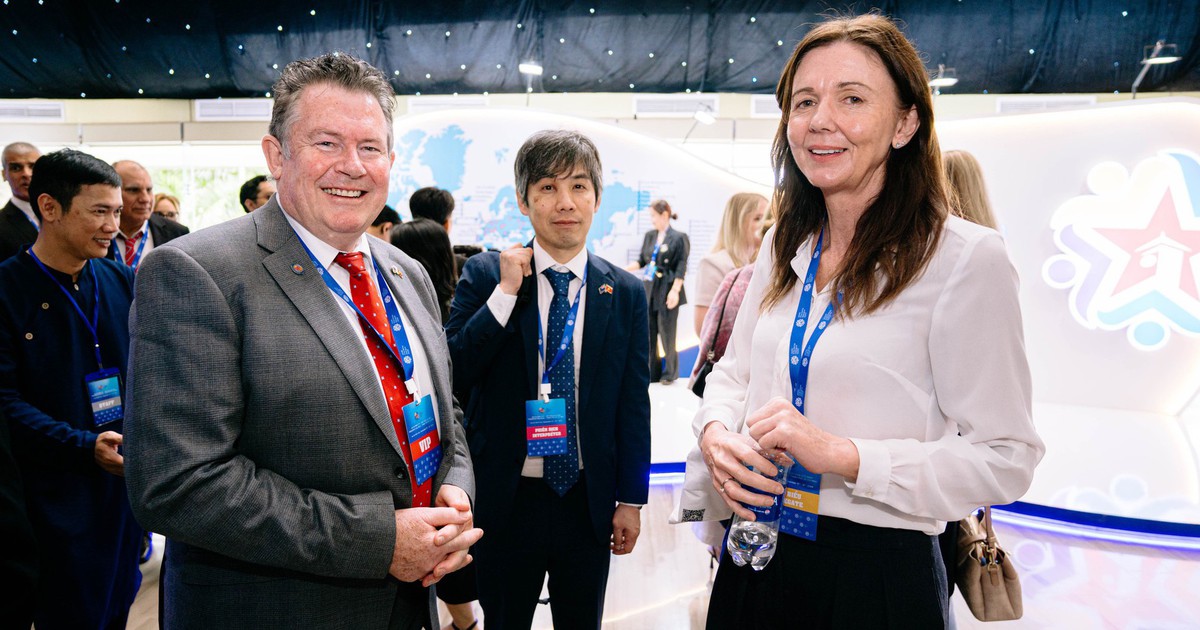
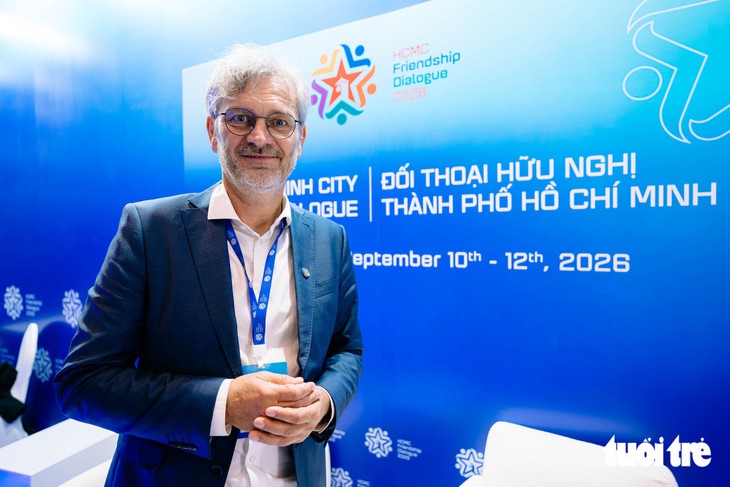
Opening the sessions, distinguished foreign municipal leaders emphasized that digital communication tools—while essential for modern administration—can never fully replicate the trust and mutual understanding built through face-to-face diplomacy. Tobias David, Senior Advisor and former Chief of Staff to the Lord Mayor of Leipzig, Germany, noted that personal engagement is indispensable for bridging administrative cultures.
"When you face each other, you build relationships and trust much better," Mr. David explained following a day of intensive workshops. "Therefore, I think public diplomacy is the perfect tool to tighten relations between two cities, two local governments, and two regional economies."
Despite the distinct scale differences between Leipzig and Ho Chi Minh City, Mr. David pointed out that both urban centers grapple with overlapping challenges, including climate change adaptation and the intense socioeconomic pressures of rapidly expanding populations. His sentiment was echoed by municipal delegates from across Europe, the Americas, and the Asia-Pacific region, who praised Ho Chi Minh City’s hospitality and the overarching openness of its residents.

Expanding Global Footprints: Perspectives from New Zealand and Cuba
The event served as an active marketplace for reviewing existing bilateral agreements and forging new cooperative frameworks across diverse sectors, ranging from green logistics and trade to higher education and scientific research.
Grant Smith, Mayor of Palmerston North, New Zealand, highlighted the fruitful relationship his city has maintained with Vietnam, noting a significant surge in mutual tourism and cultural exchanges in recent years.
"We have a memorandum of understanding on educational cooperation signed with Ho Chi Minh City back in 2021," Mayor Smith stated. "We came here to explore ways to elevate that framework and expand it into other critical pillars such as commerce, logistics, and advanced sciences."
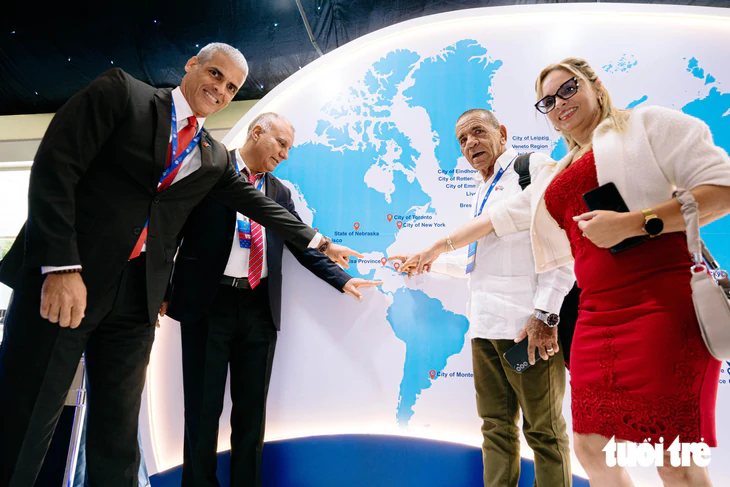
Similarly, robust ties between Vietnam and Latin America were prominently featured during the program. Ricardo Concepción Rodríguez, Governor of Artemisa Province in Cuba, remarked on the deep-rooted historical and emotional connections binding the two nations.
"In Vietnam, we always feel like we are among family," Governor Rodríguez said. "Among all of Vietnam’s cities, Ho Chi Minh City perhaps holds the deepest affection between Cuban and Vietnamese people. I sincerely thank the city administration for organizing such an exceptional event that not only connects municipalities but deeply integrates our citizens."
Enai Diamela Palacios Acosta, President of the People’s Council of Santiago de Cuba, echoed this praise, emphasizing the warm hospitality extended by local hosts and expressing high optimism for future joint projects stemming from the 2026 dialogue. Mauricio Martínez Duque, Consul General of Cuba in Ho Chi Minh City, actively participated in coordinating delegations from both Santiago de Cuba and Artemisa, reinforcing the diplomatic bridges between Caribbean and Southeast Asian local authorities.

Closing Plenary and Municipal Vision for Sustainable Growth
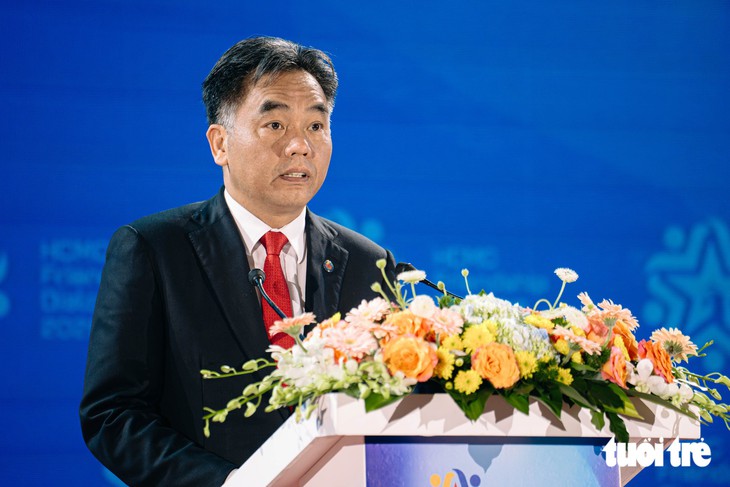
As the conference drew to a close on the evening of September 11, Nguyen Loc Ha, Vice Chairman of the Ho Chi Minh City People’s Committee, delivered the official closing remarks. He commended the delegates for contributing practical insights, philosophical perspectives, and actionable cooperation models throughout the day.
Addressing the assembly, Vice Chairman Ha stressed that contemporary international markets impose increasingly strict demands on local economies, extending far beyond traditional commercial parameters into stringent technological standards, carbon emission reductions, and maritime sustainability.
"No matter the sector, the participating localities are fully aware that no single administration can independently meet the escalating demands of the global market," Mr. Ha stated. "Actionable integration, interconnection, and mutual reliance among local governments, business sectors, and industrial ecosystems represent the definitive pathway to elevating the competitive capacity of every region."
At the subsequent Gala closing event, Mr. Ha emphasized that the true measure of success for the annual initiative lies not in the volume of meetings or speeches, but in the active participation, responsibility, and inspiring contributions of both domestic and international delegates. He noted that the dialogue embodies the foundational ethos of understanding, mutual respect, and shared progress.
Historical Evolution and Future Implications of the Initiative
The Public Diplomacy Initiative has evolved rapidly since its inception, positioning Ho Chi Minh City as a proactive diplomatic actor in the ASEAN region. By facilitating decentralized cooperation, the municipal government aims to bypass bureaucratic bottlenecks that often encumber state-level diplomatic channels, allowing cities to implement agile, localized solutions to global crises.
Experts analyzing the implications of the 2026 conference point out that decentralized cooperation frameworks—such as the agreements renewed between Ho Chi Minh City, Leipzig, Palmerston North, and various Cuban provinces—provide a vital testing ground for green transition policies. As global supply chains undergo structural realignments, cities equipped with robust international partnerships are better positioned to attract foreign direct investment (FDI), secure technological transfers for smart-city infrastructure, and accelerate workforce training programs tailored to digital economies.
Although the formal proceedings of the 2026 Public Diplomacy Initiative have concluded, municipal authorities from participating countries affirmed their commitment to translating the dialogue’s outcomes into binding, long-term cooperation projects. These initiatives are expected to shape urban policies through the remainder of the decade, cementing Ho Chi Minh City’s reputation as a dynamic hub for international municipal solidarity.