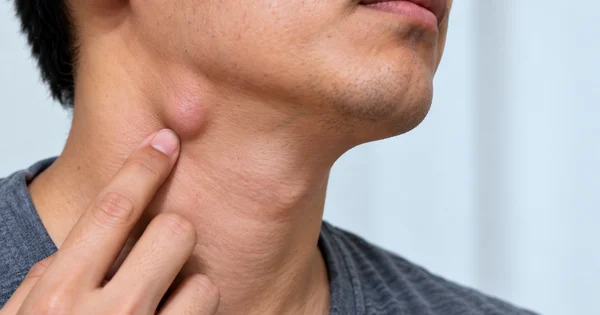
The lymphatic system serves as one of the most critical components of the human immune response, acting as a sophisticated filtration network that traps pathogens, bacteria, and viral particles before they can spread throughout the body. When an individual develops an infection—such as a common cold, strep throat, an ear infection, or dental inflammation—the lymph nodes located in the neck, or cervical lymph nodes, often swell as they work to combat the invading threat. In the vast majority of benign cases, this swelling is a transient physiological response; as the infection subsides, the nodes typically return to their normal size within one to two weeks. However, medical professionals emphasize that not all neck lumps or palpable nodes are the result of immune system activation. Distinguishing between a routine inflammatory response and a more serious underlying pathology requires vigilance. According to guidelines established by health experts and institutions such as the Mayo Clinic and Healthline, certain persistent or morphologically distinct nodes necessitate immediate medical evaluation to rule out chronic conditions or malignancies.
The Physiology of Lymphatic Response
To understand why neck nodes swell, one must first consider the anatomical function of the lymphatic system. Lymph nodes are bean-shaped organs distributed throughout the body, with a high concentration in the neck, armpits, and groin. Their primary function is to store white blood cells, specifically lymphocytes, which identify and destroy foreign antigens. When a person contracts a localized infection in the head or neck region, these nodes undergo hyperplasia—an increase in the number of cells—leading to palpable enlargement.
Under normal circumstances, these nodes are soft, mobile, and often tender to the touch. Once the body’s immune system clears the pathogen, the inflammatory cytokines dissipate, and the node returns to its baseline size. Clinical literature suggests that for healthy adults, the recovery timeline for reactive lymphadenopathy is typically between 7 and 14 days. If the enlargement persists beyond this window, the diagnostic focus shifts from simple infection to potential autoimmune disorders, chronic inflammatory conditions, or, in less common but significant cases, metastatic cancer or lymphoma.
When to Seek Medical Attention: Four Key Warning Signs
Medical practitioners categorize certain features of neck nodes as "red flags." If a patient notices any of the following four conditions, a consultation with a primary care physician or an otolaryngologist (ear, nose, and throat specialist) is strongly recommended.
1. Persistence Beyond the Standard Window
As previously established, the majority of reactive nodes show significant improvement within two weeks. If a node remains unchanged in size after 14 days, or if it continues to enlarge, it ceases to be a typical inflammatory response. While a node persisting for two weeks is not an automatic diagnosis of malignancy, it is a threshold that signals the need for investigation. Physicians often look for "nodes of unknown origin" that linger for up to four weeks as a primary indicator for further diagnostic imaging, such as an ultrasound or a CT scan.
2. Progressive Increase in Size
A node that exhibits a growth trend is fundamentally different from a static node. While reactive nodes may enlarge rapidly during the initial phase of an infection, they should reach a plateau and eventually decrease. A node that continues to grow over several weeks, or one that appears to be "expanding" without an associated active infection, requires urgent biopsy or specialized screening. It is important to note that not all neck lumps are lymph nodes; they could represent thyroid nodules, salivary gland obstructions, or even lipomas. A clinical examination is essential to differentiate between these structures.
3. Texture and Consistency: Firmness and Fixation
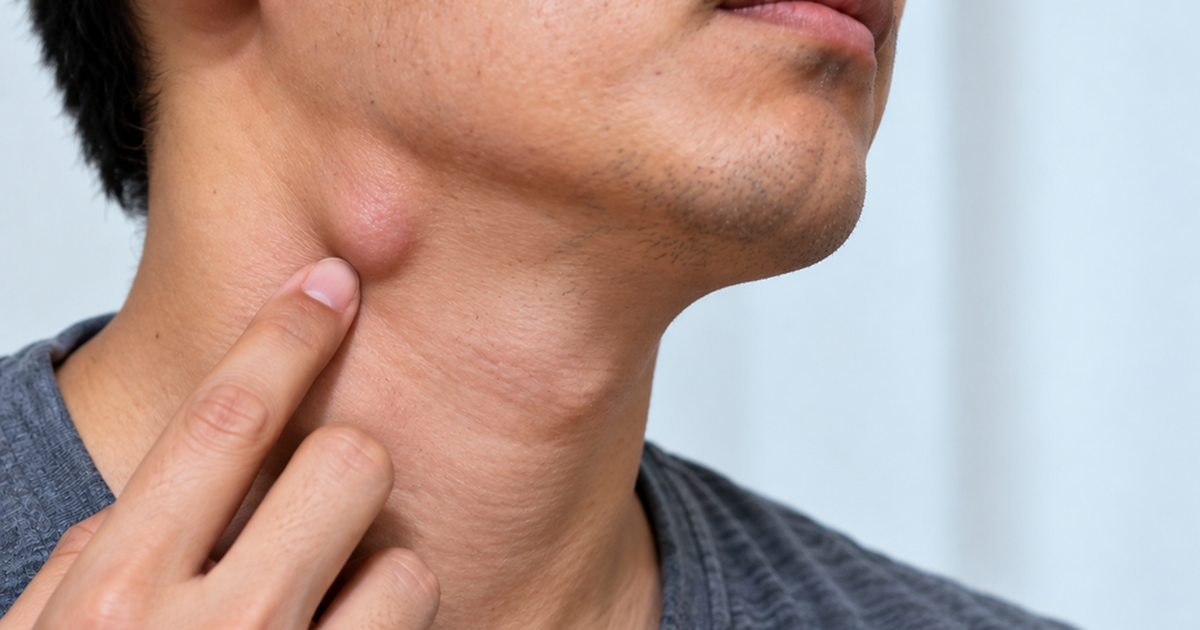
The physical characteristics of the node are arguably the most important diagnostic clues. A healthy or reactive node is typically soft and "rubbery" to the touch. In contrast, a node that feels hard, stone-like, or fixed to the surrounding tissue is highly suspicious. When a node is "fixed," it means it does not move easily under the skin when pressure is applied. This lack of mobility often suggests that the growth may have infiltrated surrounding anatomical planes. Medical guidelines suggest that any node exceeding 1.5 centimeters in diameter that also displays firm or fixed characteristics should be treated with high clinical suspicion, as these traits are frequently associated with lymphoma or metastatic head and neck cancers.
4. Systemic Symptoms (The "B" Symptoms)
The presence of a neck lump accompanied by systemic symptoms, often referred to in oncology as "B symptoms," is a significant warning. These include unexplained weight loss, persistent fever, drenching night sweats, or chronic, unexplained fatigue. When these symptoms occur in conjunction with lymphadenopathy, the clinical picture suggests that the node is likely not just a localized reaction to a minor cold. These symptoms are hallmarks of systemic diseases, including lymphoma, tuberculosis, or advanced stages of other malignancies.
Chronology of Diagnostic Procedures
When a patient presents with a concerning neck lump, the standard clinical pathway generally follows a structured timeline to ensure both efficiency and accuracy.
- Initial Presentation (Week 0-2): The patient observes a lump. The physician conducts a physical examination, checking the oral cavity, throat, and ears to identify a source of infection. A wait-and-see approach may be adopted if the patient has other symptoms of a cold or dental issue.
- Evaluation Phase (Week 2-4): If the lump persists or grows, the physician may order blood tests to check for inflammatory markers (like CRP or ESR) or signs of infection (white blood cell counts).
- Imaging and Biopsy (Week 4+): If the node remains unchanged, the physician will likely order an ultrasound, which is highly effective at determining if a node is cystic or solid. If the imaging is ambiguous, a fine-needle aspiration (FNA) or an excisional biopsy is performed. This provides a definitive tissue diagnosis.
Broad Implications and Public Health Context
The incidence of neck masses is relatively common, yet the anxiety surrounding them is often disproportionate to the actual diagnosis. Most neck masses in primary care settings are benign. However, the risk lies in the "diagnostic delay." In cases of head and neck cancers, which can arise from the oral cavity, larynx, or pharynx, the lymph node is often the first site of metastasis. Early detection of these nodes can significantly alter the prognosis.
According to data from various health agencies, the prevalence of malignancy in patients presenting with a persistent neck mass increases with age, particularly in those over the age of 40. Smoking and alcohol consumption are well-documented risk factors that complicate the clinical picture, as they are strongly linked to squamous cell carcinomas in the head and neck region.
The Role of Professional Assessment
It is imperative that patients do not attempt to self-diagnose by manipulating or "testing" the node’s mobility. Excessive palpation can sometimes cause localized irritation and further swelling. Instead, patients should document the date of discovery, any associated symptoms (such as sore throat or fever), and whether the node has changed in size or texture over the observation period.
Medical institutions emphasize that while the information provided here is intended to help the public understand the significance of neck nodes, it does not replace the professional judgment of a clinician. A physical examination by a doctor is the only way to accurately assess the anatomy of the neck and the nature of the lump. If a patient is concerned, the safest course of action is always a professional consultation. By recognizing these four signs—persistence, growth, structural hardness, and systemic symptoms—individuals can make informed decisions about their health and seek timely care when it matters most. Understanding that these nodes are part of a complex defense system allows for a more rational, rather than fearful, approach to monitoring one’s health and seeking medical guidance.