The Science of Banana Consumption and Its Role in Maintaining Glycemic Stability for Diabetes Management

The nutritional management of diabetes and pre-diabetes has evolved from simple sugar restriction to a sophisticated understanding of how food structure, ripeness, and preparation methods influence blood glucose response. Recent clinical observations and nutritional research, including studies published in the journal Plos One, have highlighted the banana—a fruit often avoided by those with blood sugar concerns—as a potential tool for glycemic control when consumed with specific strategies. Central to this approach is the distinction between green and ripe bananas, the physical state of the fruit, and the strategic pairing of carbohydrates with proteins and healthy fats. By understanding the biochemical transition of the fruit during ripening and its interaction with the human digestive system, individuals can leverage the nutritional benefits of bananas without inducing dangerous spikes in insulin and glucose levels.
The Biochemical Transition: Starch vs. Sugar in the Ripening Process
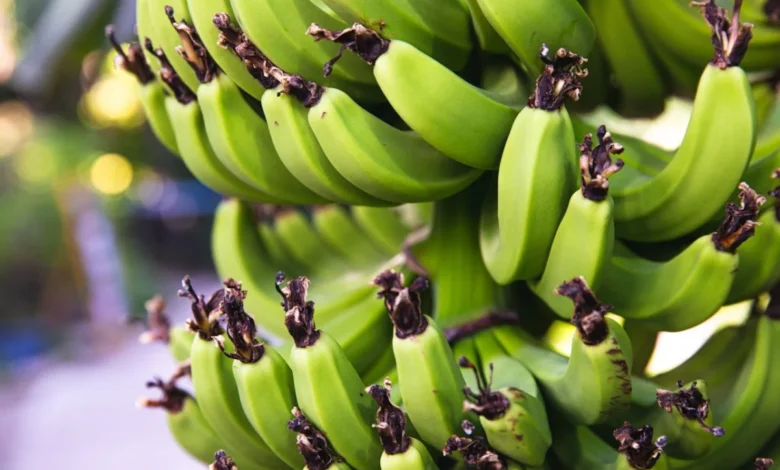
The primary reason medical professionals emphasize the timing of banana consumption lies in the fruit’s carbohydrate composition, which changes dramatically as it matures. In its unripe or "green" state, a banana is predominantly composed of starch. Specifically, it contains high levels of resistant starch, a type of carbohydrate that functions more like fiber than a traditional sugar. Unlike simple carbohydrates that are rapidly broken down into glucose in the small intestine, resistant starch passes through to the large intestine relatively intact.
Once it reaches the colon, resistant starch undergoes fermentation by gut microbiota, leading to the production of short-chain fatty acids (SCFAs) such as butyrate. This fermentation process is critical for metabolic health; it not only supports the health of the intestinal lining but also improves insulin sensitivity. From a glycemic perspective, the slow digestion of resistant starch ensures that glucose is released into the bloodstream at a gradual pace, preventing the rapid hyperglycemia often associated with high-sugar fruits.
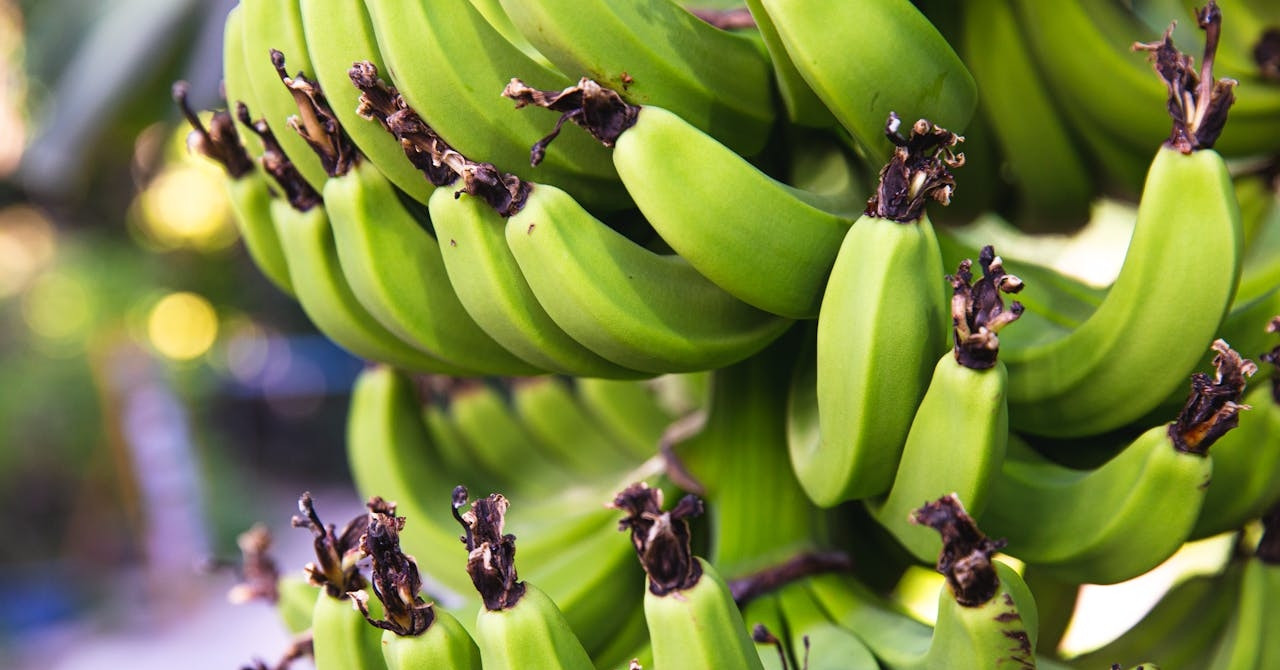
As a banana ripens, enzymes such as amylase break down these long-chain starches into simple sugars, including glucose, fructose, and sucrose. This is why a yellow or spotted banana tastes significantly sweeter than a green one. For an individual with diabetes, this chemical shift means that a ripe banana has a much higher Glycemic Index (GI). While a green banana may have a GI as low as 30 to 40, a fully ripe banana can reach a GI of 50 to 60 or higher, depending on its size and sugar concentration.
Clinical Evidence and the Impact on Long-term Glycemic Markers
Research published in Plos One and other clinical trials involving patients with Type 2 diabetes and pre-diabetes have demonstrated the tangible benefits of resistant starch. These studies indicate that regular consumption of foods high in resistant starch can lead to a modest but significant reduction in fasting blood glucose levels. Perhaps more importantly, these dietary interventions have shown a positive impact on HbA1c levels.
HbA1c, or glycated hemoglobin, is a vital clinical metric that reflects a person’s average blood sugar levels over the preceding two to three months. Because it provides a long-term picture of glucose management, it is considered the gold standard for assessing the effectiveness of a diabetes treatment plan. The ability of resistant starch to lower HbA1c suggests that the metabolic benefits of green bananas extend beyond a single meal, contributing to a more stable and controlled internal environment over time.
Furthermore, the fiber content in bananas—both soluble and insoluble—acts as a secondary defense against glucose spikes. Fiber adds bulk to the diet and slows gastric emptying, the process by which food leaves the stomach and enters the small intestine. By delaying this process, fiber ensures that the absorption of any present sugars is staggered, providing the body more time to process the incoming energy.
Strategic Consumption: Freshness, Portions, and Preparation
Beyond the ripeness of the fruit, the physical form in which a banana is consumed plays a pivotal role in its metabolic impact. Nutritional experts advocate for the consumption of fresh or frozen bananas over dried varieties. The dehydration process involved in making dried fruit removes water, which concentrates the natural sugars and calories into a much smaller volume. This makes it exceptionally easy to overconsume sugar without realizing it. Additionally, the lack of water in dried fruit can speed up the digestion process, leading to a faster release of sugar into the blood.
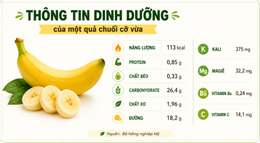
Portion control remains a cornerstone of the American Diabetes Association (ADA) recommendations. Even a healthy food can negatively impact blood sugar if consumed in excess. For individuals managing diabetes, a standard serving is often defined as half of a medium-sized banana, which contains approximately 13 to 15 grams of carbohydrates. By limiting the "carbohydrate load" of a single sitting, patients can keep their postprandial (after-meal) glucose within a safe range.
The method of preparation also introduces variables in glycemic response. Interestingly, some research suggests that blending a banana with ice and water to create a simple smoothie may lower the Glycemic Index compared to eating the fruit whole. This is attributed to the inclusion of water and the aeration of the mixture, which can influence how the stomach processes the fruit. However, caution is advised regarding commercial smoothies. Many retail outlets use fruit juice concentrates, sweetened yogurt, or heavy creams as bases, which can turn a potentially healthy snack into a high-calorie sugar bomb. Home preparation using only whole fruit and ice is the recommended alternative.
The Power of Food Pairing: Integrating Proteins and Fats
One of the most effective strategies for stabilizing blood sugar is the "bridging" of carbohydrates with other macronutrients. Consuming a banana in isolation, even a green one, can still cause a rise in glucose. However, when paired with a source of protein or healthy fat, the absorption rate is significantly blunted.

Protein and fats require more complex digestive processes than carbohydrates. When they are present in the stomach alongside a banana, they slow the overall rate of digestion. Common recommendations include pairing banana slices with Greek yogurt, cottage cheese, or a tablespoon of natural peanut butter. These combinations not only provide a more sustained release of energy but also increase satiety, the feeling of fullness, which can prevent overeating later in the day.
Broader Nutritional Context: A Holistic Approach to Health
While the banana is a focal point of many dietary discussions, it is part of a broader spectrum of foods that contribute to metabolic and neurological health. For instance, maintaining a robust nervous system and healthy blood formation requires Vitamin B12, often found in natural sources like clams. For individuals focusing on bone health but who may be averse to dairy, certain leafy green vegetables offer a high-calcium alternative.
The dialogue surrounding traditional foods, such as pork trotters, also highlights the complexity of modern nutrition. While often praised for their collagen content and benefits for skin and joint health, they are high in saturated fats, requiring middle-aged and elderly populations to consume them with caution. This underscores a universal truth in nutrition: no single food is a panacea. Rather, the synergy of various nutrients—fiber from bananas, B12 from shellfish, and calcium from greens—creates a foundation for long-term wellness.
Chronology of Dietary Research and Evolving Guidelines
The understanding of fruit in the diabetic diet has undergone a significant transformation over the last five decades.

- 1970s – 1980s: Early guidelines often suggested a blanket avoidance of "sweet" fruits, including bananas and grapes, under the assumption that all fruit sugars were equally detrimental.
- 1990s: The introduction of the Glycemic Index (GI) revolutionized dietary planning, allowing clinicians to differentiate between fruits based on how quickly they raised blood sugar.
- 2000s: Research into "resistant starch" began to gain mainstream traction, highlighting that the physical structure and ripeness of a carbohydrate-rich food were just as important as its sugar content.
- 2010s – Present: Modern nutritional science now emphasizes "personalized nutrition" and "food pairing." The focus has shifted from "what not to eat" to "how to eat," empowering patients to include fruits like bananas in their diet through strategic preparation and portioning.
Analysis of Implications for Public Health
The shift toward managing blood sugar through informed dietary choices has profound implications for public health. With the global prevalence of Type 2 diabetes rising, the ability of individuals to manage their condition through accessible, whole-food options like green bananas can reduce the burden on healthcare systems.
Education on resistant starch and the glycemic index allows for a more flexible and sustainable diet, which improves patient compliance compared to highly restrictive "no-carb" regimens. Furthermore, the emphasis on whole, fresh fruit over processed or dried alternatives aligns with broader efforts to combat the obesity epidemic and the rise of metabolic syndrome.
In conclusion, the banana is not a forbidden fruit for those with diabetes; rather, it is a fruit that requires a strategic approach. By prioritizing green bananas for their resistant starch, practicing strict portion control, and pairing the fruit with proteins and fats, individuals can enjoy the nutritional benefits of this potassium-rich fruit while maintaining the stable blood sugar levels necessary for long-term health. As nutritional science continues to advance, the integration of such "food as medicine" strategies will remain a critical component in the fight against chronic metabolic diseases.