Dozens Hospitalized in Lái Thiêu Suspected Food Poisoning Outbreak Linked to Street-Side Bánh Mì Stall

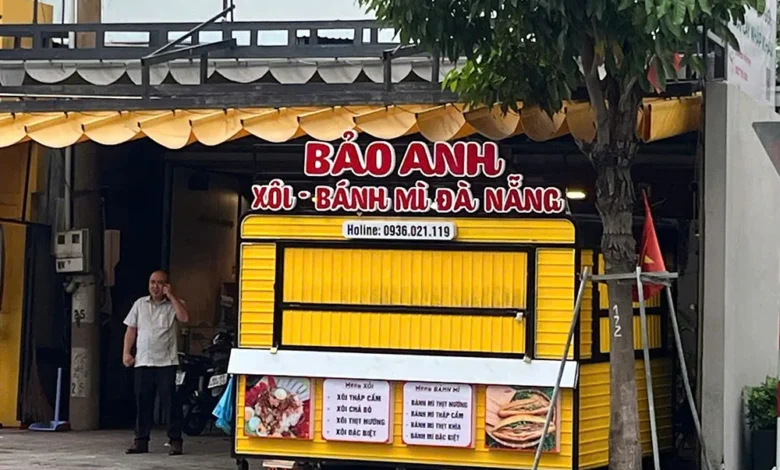
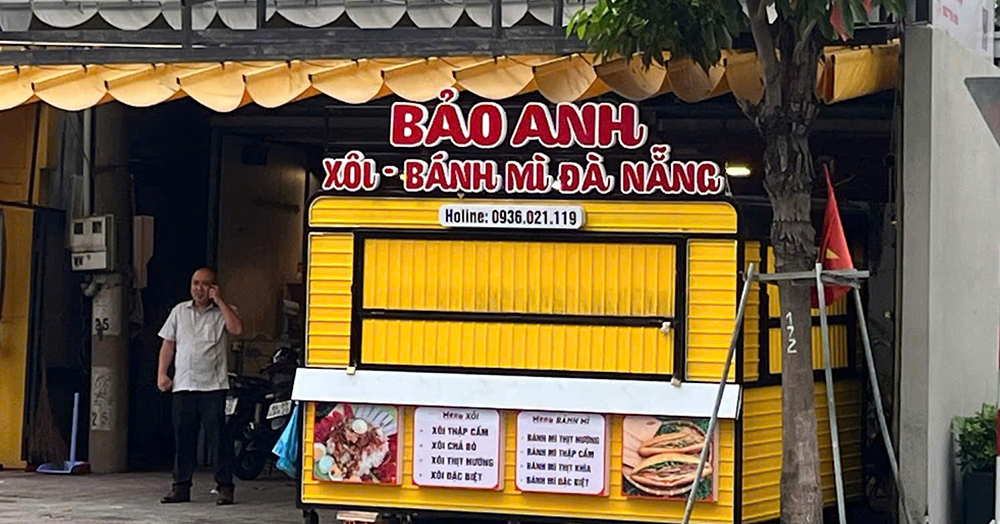
A serious public health concern has emerged in Lái Thiêu Ward (formerly part of Bình Dương province, currently integrated under Hồ Chí Minh City’s expanded administrative framework) following a suspected mass food poisoning incident. Approximately twenty individuals required urgent medical intervention after consuming mixed-ingredient bánh mì purchased from a mobile street vendor operating along Nguyễn Văn Tiết Street. Local authorities have swiftly intervened, temporarily suspending the business operations of the establishment in question and launching a comprehensive joint investigation alongside the Hồ Chí Minh City Food Safety Department to determine the exact etiology of the outbreak.
The incident has once again focused public and regulatory attention on the stringent safety protocols required for street-vended foods, a staple of urban Vietnamese cuisine. As food safety inspectors comb through supply chains and sanitary conditions, affected consumers recount harrowing experiences of sudden illness that transformed a routine meal into a medical emergency.
Chronology of the Outbreak
The alarming sequence of events began unfolding over the weekend, primarily centered on Monday, September 16. According to preliminary reports gathered by local health and municipal authorities, patrons began purchasing mixed pork and cold-cut bánh mì from an unattended pushcart stationed outside a local coffee shop on Nguyễn Văn Tiết Street. The mobile setup was identified as an extension of a registered bread production facility—the "Đà Nẵng Sơ Hào" bakery—headquartered in Hóc Môn District, Hồ Chí Minh City.
By the early hours of Tuesday, September 17, the first wave of symptoms materialized among consumers. Victims reported waking up in the middle of the night suffering from acute gastrointestinal distress, including severe abdominal cramps, violent bouts of diarrhea, dizziness, and sudden high fevers.
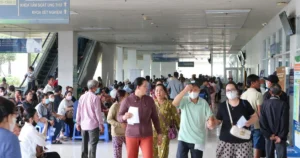
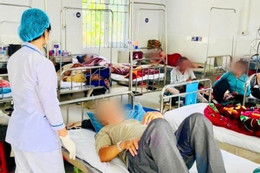
The influx of patients straining local healthcare infrastructure began late on September 16 and continued through September 17. Approximately twenty patients presenting with identical symptoms—characterized medically as acute bacterial enteritis or suspected foodborne illness—were admitted to various medical facilities across Lái Thiêu Ward. Among them was Mr. P.Q.Y., a 26-year-old Hồ Chí Minh City resident, who purchased a mixed bánh mì from the street vendor on the afternoon of September 16.
"Around two o’clock in the morning, I woke up with agonizing stomach pain, relentless diarrhea, severe dizziness, and extreme fatigue," Mr. Y. recounted. Realizing his condition was deteriorating rapidly, he sought emergency care at the Becamex International Hospital. Attending physicians diagnosed him with acute bacterial intestinal infection triggered by contaminated food toxins. Mr. Y.’s case was far from isolated, as emergency wards filled with fellow patrons who had consumed products from the exact same mobile cart within the same operational window.
Immediate Regulatory and Administrative Action
Upon receiving reports of the sudden surge in hospitalizations, the People’s Committee of Lái Thiêu Ward acted with urgency. Municipal authorities established a dedicated inspection team tasked with verifying the source of the outbreak, tracing the distribution chain, and holding responsible parties accountable.
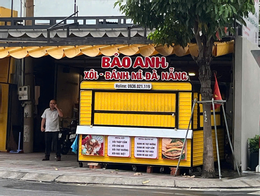
An initial compliance check revealed critical vulnerabilities in the food safety management of the supply chain. While the parent establishment—the Đà Nẵng Sơ Hào bakery in Hóc Môn District—possessed baseline legal paperwork and regulatory clearance confirming its formal registration status, operational conditions at the point of sale fell severely short of mandatory health standards. Investigators noted that the mobile pushcart lacked appropriate temperature control infrastructure, proper sanitary washing facilities, and, crucially, failed to preserve mandatory food samples (lưu mẫu thức ăn) required by Vietnamese food safety regulations for retroactive laboratory testing.
Faced with these regulatory infractions and the mounting number of hospitalized victims, the inspection team ordered the immediate suspension of business activities for the implicated establishment. This temporary shutdown applies to both the mobile vending cart and the overarching production unit pending the conclusion of laboratory analyses, microbial testing of ingredients, and a thorough administrative review. Furthermore, local authorities are coordinating closely with the Hồ Chí Minh City Food Safety Department to trace the origins of perishable ingredients—such as mayonnaise, liver pâté, and cured meats—which are prime vectors for bacterial proliferation like Salmonella, Staphylococcus aureus, or Escherichia coli in tropical climates.
Broader Context: A Wave of Food Safety Incidents
This latest incident in Lái Thiêu does not occur in a vacuum; it highlights an alarming national trend of street-food-related mass poisonings that have plagued various localities across Vietnam in recent months. Food safety experts point out that ambient temperatures, high humidity, and inadequate cold-chain logistics during the preparation and storage of ready-to-eat street foods create a fertile breeding ground for pathogenic bacteria.
Just days prior to the Lái Thiêu event, a catastrophic mass poisoning shook Gia Lai Province, where 254 individuals fell violently ill after consuming food from the "Bin Bin" bánh mì establishment. That incident resulted in severe regulatory penalties, including a 100 million VND fine levied against the bakery owners, alongside a mandated court order to fully reimburse all medical, diagnostic, and treatment expenses incurred by the victims.
Similarly, in Quảng Trị Province, a newly inaugurated bakery—Minh Tâm Bánh Mì shop in Cam Lợi Commune—became the center of a public health scare right after its grand opening. A total of 46 customers experienced severe abdominal pain, vomiting, and fever. In a poignant twist that underscored the indiscriminate nature of food contamination, the mother and the wife of the bakery’s owner also fell victim to the tainted food and required hospitalization, prompting emotional public apologies from the proprietors.
These recurring episodes have sparked intense public debate regarding the oversight of street food vendors and small-scale bakeries. While Vietnam’s vibrant street food culture is an integral part of its culinary identity and local economy, consumer advocacy groups are increasingly demanding stricter enforcement of hygiene standards, mandatory food safety training for all handlers, and more aggressive random sampling by municipal inspectors.
Public Health Implications and Recommendations
Medical professionals emphasize that bacterial food poisoning, if left untreated or mismanaged, can lead to severe dehydration, electrolyte imbalances, septic shock, and, in extreme cases, multi-organ failure. Pathogens commonly found in improperly stored sandwich ingredients—particularly mayonnaise made from raw eggs, unpasteurized dairy spreads, and inadequately chilled meats—multiply exponentially when exposed to tropical ambient heat for even a few hours.
Health authorities in Hồ Chí Minh City and surrounding regions have issued advisory guidelines for consumers and food vendors alike:

- For Consumers: Individuals are advised to purchase ready-to-eat foods only from establishments that demonstrate high standards of visible hygiene, maintain adequate refrigeration for perishable ingredients, and use enclosed display cases to protect food from dust, exhaust fumes, and insects. Anyone experiencing symptoms such as nausea, abdominal cramps, or fever after eating street food should seek immediate medical attention rather than self-medicating.
- For Food Businesses: Commercial operators—regardless of scale—must strictly adhere to the "three-step food inspection" (kiểm thực ba bước) and mandatory sample retention rules. Ensuring the integrity of cold chains from the central kitchen to the final point of retail sale is non-negotiable for preventing microbial contamination.
As the investigation in Lái Thiêu continues, the results of laboratory tests on clinical samples from the hospitalized patients and food specimens retrieved from the supply chain are expected to provide definitive answers. In the interim, the swift suspension of the Đà Nẵng Sơ Hào-linked pushcart serves as a stern warning to food vendors across the urban landscape: public health and consumer safety must take absolute precedence over commercial convenience.