Young Professionals Face Alarming Rise in Cervical Spondylosis Due to Sedentary Lifestyles and Mismanaged Treatment

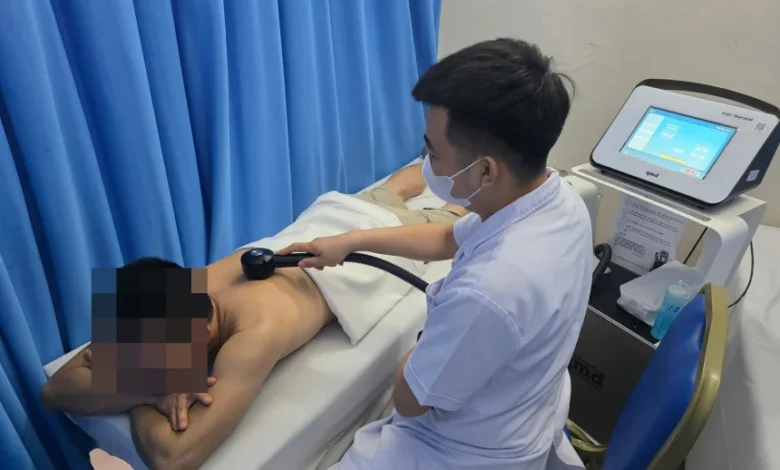
Modern office environments and digital dependency have fundamentally transformed daily routines, but this shift has brought unintended health consequences that increasingly affect young adults. Once considered a degenerative condition exclusive to the elderly or middle-aged population, chronic neck and shoulder pain—alongside more severe spinal disorders—is becoming alarmingly prevalent among individuals in their twenties and thirties. Medical professionals across metropolitan healthcare institutions report a steady influx of young professionals seeking treatment for debilitating musculoskeletal issues, highlighting a growing public health concern driven by prolonged sedentary behavior, poor ergonomics, and delayed or improper self-management.
The human cost of this modern occupational hazard is vividly illustrated by everyday experiences in urban centers like Hanoi. For 31-year-old office worker V.T.H., residing in the Thanh Xuan district, the daily routine begins at 5:00 AM with yoga sessions undertaken in a desperate bid to alleviate persistent neck and shoulder stiffness. These painful symptoms first manifested before she reached the age of thirty, progressively worsening to include numbness in her hands and severely disrupting her daily activities. At times, the stiffness became so acute that she lost the ability to turn her neck or elevate her arms comfortably.
A subsequent magnetic resonance imaging (MRI) scan revealed a sobering diagnosis: cervical disc herniation spanning from the C3 to C6 vertebrae. Her professional obligations required her to remain seated in front of a computer screen daily from 8:00 AM until 5:30 PM, with only a brief one-hour midday break. The physical toll of this lifestyle forced a demanding dual routine. On days when the pain intensified, she attempted to stretch early in the morning, and if relief failed to materialize, she sought physical therapy or visited a clinic before heading to her office job.
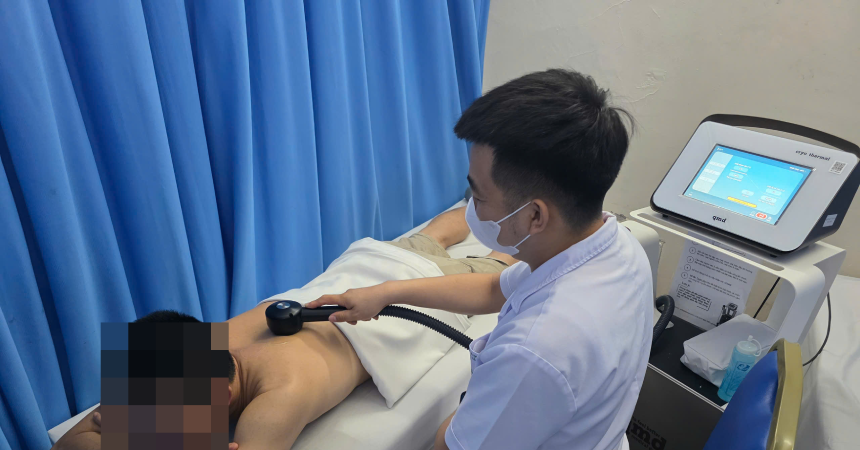
This narrative is far from isolated. Younger demographics are increasingly seeking clinical intervention for musculoskeletal complaints that mirror those of older generations. N.H.A., a 24-year-old resident of Hanoi, frequently requires specialized care at the Department of Traditional Medicine at Bach Mai Hospital due to chronic neck and shoulder pain. Driven by intensive work demands, H.A. routinely spends between 12 and 15 hours a day hunched over a laptop computer. Over the preceding year, recurrent flare-ups have forced her to undergo multiple rounds of rehabilitation therapy in an attempt to maintain functionality.
Clinical Insights and Shifting Demographics
According to Associate Professor, Doctor Nguyen Minh Trang, Deputy Head of the Department of Traditional Medicine at Bach Mai Hospital, the volume of patients presenting with cervical and shoulder pain is on a noticeable upward trajectory, with the average age of onset continuing to drop. The primary demographic groups seeking medical assistance consist of office workers, educators, software developers, and individuals whose occupations demand prolonged computer operation, static sitting positions, or extended hours behind the wheel of a vehicle. The vast majority of these patients fall squarely within the 25 to 35 age bracket.
Dr. Trang emphasizes that among younger patients, cervical and shoulder pain is rarely an isolated incident; rather, it is deeply intertwined with daily lifestyle habits and occupational demands. Maintaining incorrect postures, sleeping in awkward positions, or freezing in a single physical posture for excessive periods subjects the muscular structures of the neck and shoulders to prolonged tension and microscopic strain.
Compounding the physical burden is a concerning tendency among young adults to tolerate discomfort or resort to self-treatment at the earliest sign of symptoms. Many individuals rely heavily on over-the-counter analgesics and anti-inflammatory medications in an effort to achieve rapid pain relief and return to their demanding work schedules without delay. While pharmaceutical interventions can successfully interrupt pain signaling pathways and provide temporary relief, they fail to address the underlying biomechanical causes of the condition. Consequently, clinical symptoms frequently recur as soon as the medication wears off, leading to a frustrating cycle of temporary relief and subsequent relapse. Furthermore, prolonged reliance on painkillers—particularly when undertaken without professional medical supervision or diagnostic imaging—carries significant risks of adverse gastrointestinal, hepatic, and renal side effects.
The Underlying Pathology of Modern Neck Pain
Cervical spondylosis and associated neck and shoulder pain can originate from a wide array of pathological sources. In younger populations, while postural and lifestyle-related myofascial pain syndrome remains the most common etiology, clinicians are diagnosing an increasing number of structural pathologies, including cervical disc herniation and degenerative disc disease, as seen in patients like Ms. H.
The typical clinical presentation involves localized pain in the nuchal and cervical regions, which frequently radiates toward the occiput, upper back, shoulders, or down the upper extremities. Patients often experience muscle spasms, a restricted range of motion in the cervical spine, and, in severe cases, a sensation of locking in the neck that prevents normal rotation or extension. Advanced cases may feature paresthesia, sensory disturbances in the hands, or weakness in the upper limbs.
When these symptoms become chronic, recurring, or progressively worse, relying on temporary palliative measures is insufficient. Clinicians stress that accurate diagnosis through comprehensive physical examinations and imaging studies is the critical first step in formulating an effective, individualized treatment strategy. Treating the symptom rather than the structural pathology allows underlying mechanical dysfunctions to worsen unchecked.
Preventative Measures and Workplace Ergonomics
Addressing the epidemic of early-onset cervical disorders requires a fundamental reassessment of workplace habits and daily posture. For individuals whose livelihoods depend on computer-based tasks, implementing proactive ergonomic adjustments can significantly mitigate the risk of developing chronic pain or halting its progression.

Medical experts recommend that desk workers avoid maintaining a single static posture for extended periods. Simple behavioral modifications—such as setting reminders to stand up, stretch, and alter physical positions every 30 to 60 minutes—can dramatically reduce sustained muscular tension. Additionally, optimizing workstation ergonomics is paramount. Chairs should provide adequate lumbar and upper back support, desks must be set at an appropriate height, and computer monitors should be positioned at eye level to prevent the chronic forward-head posture that places immense strain on the cervical spine.
Regular, low-impact physical activity tailored to strengthen the core and upper back musculature can also provide structural resilience against occupational strain. However, activities must be approached with caution; as demonstrated by clinical cases where unguided or overly aggressive exercise routines exacerbate injuries, professional guidance is essential to ensure that physical conditioning supports rather than harms spinal health.
Broader Health Implications and Warnings from the Medical Community
The rising incidence of musculoskeletal disorders among young adults mirrors a broader trend of stress-related and lifestyle-induced chronic conditions presenting at younger ages. Medical literature increasingly documents severe cardiovascular, neurological, and musculoskeletal events occurring in individuals previously perceived as entirely healthy.
For instance, healthcare providers have issued repeated warnings regarding acute myocardial infarctions and neurological crises manifesting in individuals in their early forties and twenties, respectively. Conditions once monitored primarily in geriatric populations are now appearing in emergency departments with alarming frequency. These trends underscore a systemic vulnerability within modern working populations, where chronic psychological stress, sleep deprivation, physical inactivity, and poor nutritional habits synergistically undermine long-term physiological resilience.

In the context of cervical spine health, ignoring early warning signs can lead to permanent neurological deficits. Symptoms such as persistent radiating pain, progressive weakness in the arms, diminished grip strength, or frequent recurrence despite conservative care demand immediate medical evaluation. Specialized interventions—ranging from structured physical therapy and targeted rehabilitation to advanced medical procedures—must be administered under the direct supervision of qualified specialists.
Healthcare authorities continue to urge young adults to view physical discomfort not as an inevitable cost of career progression, but as a critical biological signal requiring attention. By prioritizing preventative ergonomics, rejecting the superficial fix of unmonitored medication, and seeking timely professional evaluation for persistent symptoms, the workforce can better safeguard both immediate productivity and long-term health.