Vietnam Takes Historic Leap in Semiconductor Sovereignty with Direct State Support and New Manufacturing Strategy

Vietnam is aggressively pivoting from a purely assembly-driven electronics hub to a self-reliant technology creator, backed by unprecedented legislative reforms and state financial commitments. In a decisive move to secure its position in the global high-tech supply chain, the Vietnamese government has capped state investment at 12.8 billion VND (approximately $500,000 USD, with specific project financial thresholds scaling up to 10,000 billion VND in direct infrastructure aid) to construct its first specialized semiconductor chip manufacturing plant. This facility will handle comprehensive research, design, fabrication, packaging, and testing operations, cementing a new chapter for the nation’s technological independence.
Strategic Vision and Legislative Turning Points
The journey toward semiconductor sovereignty gained definitive legal and strategic momentum under the leadership of Prime Minister Phạm Minh Chính, who signed into law Vietnam’s first long-term Semiconductor Industry Development Strategy extending to 2030, with a visionary outlook toward 2050. According to Mr. Nguyễn Khắc Lịch, Director-General of the Department of Information Technology and Communications under the Ministry of Information and Communications (MIC), mastering research and development (R&D) in electronics and semiconductors is non-negotiable for nations striving to escape the middle-income trap and pure outsourcing models.
This strategic ambition received vital legislative backing when the National Assembly voted to approve a landmark resolution piloting special mechanisms and preferential policies to spur breakthroughs in science, technology, innovation, and digital transformation. Crucially, this legislative framework authorizes direct financial support for the construction of Vietnam’s pioneering semiconductor fabrication and training facility.
Under the approved guidelines, domestic enterprises selected to build this flagship microchip foundry are eligible for extensive state incentives. If the facility achieves successful commercial production and operational check-offs prior to December 31, 2030, the State will subsidize up to 30 percent of the total project investment directly from the central budget, with funding capped at 10,000 billion VND. Furthermore, during the project preparation and execution phases, companies are permitted to allocate between 10% and 20% of their annual taxable corporate income—exceeding standard statutory provisions—into their corporate science and technology development funds, provided the cumulative allocations do not surpass the total project investment cost.
Additionally, selected enterprises will be granted land use rights without undergoing mandatory auction or bidding processes, streamlining a historically cumbersome administrative bottleneck. The Prime Minister holds the executive authority to personally designate the executing enterprise and dictate the exact disbursement of state subsidies.
Bridging Research, Production, and National Security
Speaking on the paradigm shift, MIC Minister Nguyễn Mạnh Hùng emphasized that this marks the first time the Vietnamese state has actively co-invested in laboratory and fabrication infrastructure. The premier semiconductor plant is intentionally designed to bridge R&D and small-scale manufacturing—keeping initial investments under the billion-dollar threshold while focusing heavily on specialized, mission-critical chips.
This pragmatic yet visionary approach addresses dual imperatives: commercial viability and national security. In an era where global supply chain disruptions can paralyze domestic industries, having local fabrication capabilities ensures that critical infrastructure, defense systems, and telecommunications networks remain operational during geopolitical crises.
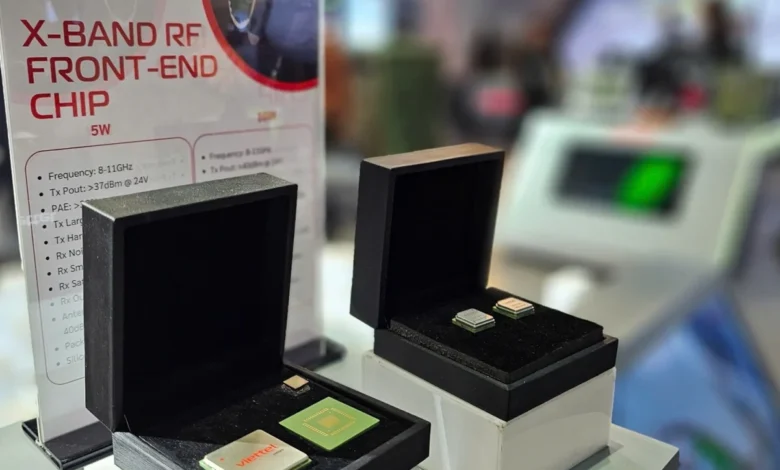
Minister Nguyễn Mạnh Hùng’s sentiments are echoed across the industry. Major domestic technology conglomerates such as FPT and Viettel have already dived headfirst into the semiconductor arena. Most notably, Viettel made regional history by successfully designing the 5G DFE (Digital Front-End) chip—the most complex indigenous semiconductor developed in Southeast Asia to date.
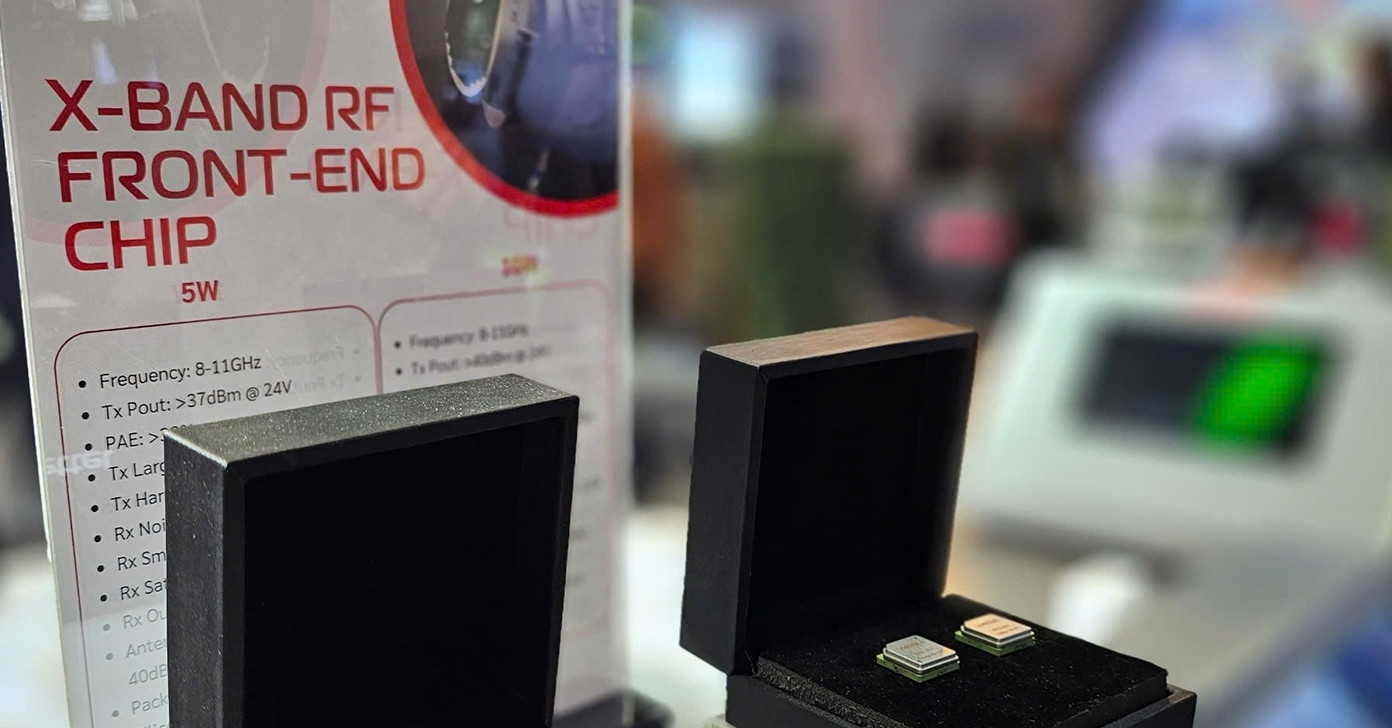
Capable of executing 1,000 billion calculations per second, Viettel’s 5G DFE chip acts as the vital radio frequency and baseband signal processor required for millions of 5G transmission and reception stations. As Vietnam rolls out next-generation telecommunications infrastructure, possessing indigenous processing silicon guarantees security, operational autonomy, and scalability.
Dr. Nguyễn Trung Kiên, Deputy Head of Viettel’s Semiconductor Technology Department, noted the sheer gravity of the endeavor: “Semiconductor industry development is an arduous discipline, requiring deep multidisciplinary knowledge across electronics, information technology, and advanced industrial manufacturing. These are the monumental tasks Viettel has set for itself throughout its developmental journey, giving us the foundational capacity to step decisively into semiconductor manufacturing.”
Echoing this long-term perspective, Major General Nguyễn Đình Chiến, Deputy CEO of Viettel Group, characterized the initiative as a marathon requiring a disciplined, step-by-step approach balancing fundamental research with commercial pragmatism. Developing domestic microchips satisfies internal market demands, safeguards national security, and lays the groundwork for advanced technological evolution and future international exports.
Industry Perspectives and the "Once-in-a-Century" Window
The geopolitical friction reshaping global technology supply chains has opened an unprecedented window of opportunity for emerging economies in Southeast Asia. Industry leaders view state intervention not merely as a localized subsidy program, but as a catalyst for a national high-tech renaissance.
Mr. Lê Quang Đạm, CEO of Marvell Technology Vietnam, described the current climate as a "once-in-a-century opportunity" for Vietnam’s semiconductor sector. He pointed out that Resolution 57 has provided a crystal-clear roadmap and developmental targets for the microchip industry, aligning government policy with commercial ambitions.
“Vietnam is standing before a stellar opportunity. This opportunity will not simply fall into our laps; we must actively create it,” Mr. Lê Quang Đạm asserted. Emphasizing the importance of ecosystem cohesion, he added, “We possess a clear strategy, strong government backing, and a wealth of brilliant engineering talent—both domestic and overseas. Industry professionals, whether operating locally or globally, must unite to generate genuine value for the nation.”
Future Implications and Global Integration
As Vietnam establishes its initial high-tech foundry, the broader macroeconomic implications are profound. By absorbing technology transfers, cultivating specialized engineering talent through direct practical training, and integrating localized chips into domestic products, Vietnam is systematically moving up the global value chain.
While major international foundries in Taiwan, South Korea, and the United States continue to dominate ultra-advanced sub-nanometer nodes, Vietnam’s targeted strategy focuses on mature, specialized, and trailing-edge nodes (such as those required for automotive systems, IoT devices, power management, and telecommunications). This niche approach minimizes initial financial exposure while maximizing strategic utility.
Ultimately, the combination of aggressive legislative reform, state co-financing, and the engineering prowess of enterprises like Viettel and FPT positions Vietnam to transition from a passive assembly participant to a resilient, self-sufficient semiconductor hub on the global stage.