Dubai Unveils AI SARAAB: A Groundbreaking Tool to Detect Deepfakes in Real-Time Video

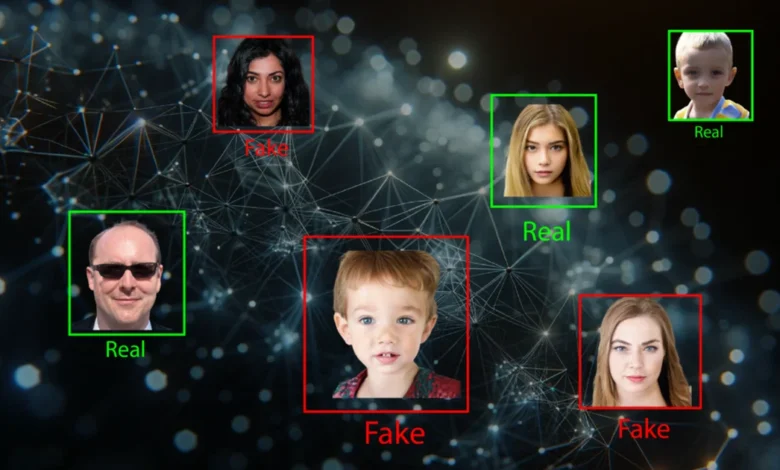
The rapid advancement of generative artificial intelligence has fundamentally transformed digital media, enabling the creation of hyper-realistic synthetic video and audio content commonly known as deepfakes. While these technologies hold innovative potential in entertainment and marketing, their malicious applications pose unprecedented threats to global security, financial systems, public trust, and individual reputations. In response to this escalating digital crisis, the Dubai Electronic Security Center (DESC), operating under the auspices of the United Arab Emirates government, has officially unveiled SARAAB, a pioneering artificial intelligence model engineered to detect deepfake video manipulations with remarkable speed and precision.
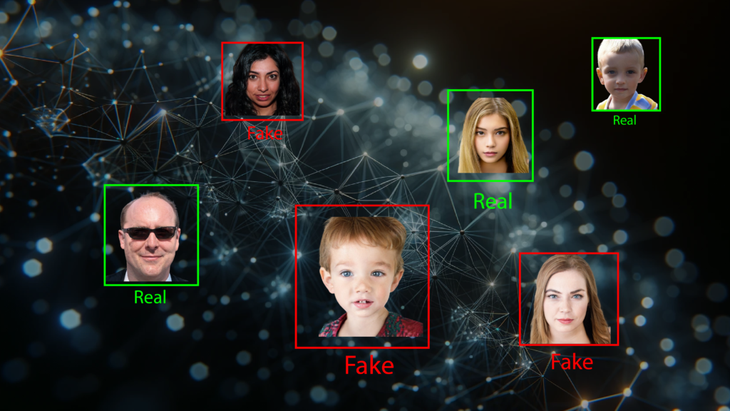
Announced during the prestigious GISEC Global 2026 cybersecurity exhibition and conference held at the Dubai Exhibition Centre in Expo City Dubai, SARAAB represents a watershed moment in regional and international cyber defense. As the first government-backed AI deepfake detection model developed within the Arab world, SARAAB is designed to scan entire video files, isolate manipulated facial features, and employ sophisticated thermal-imaging techniques to expose digital tampering. With an impressive accuracy rate of 91% and the capability to unmask fraudulent content hidden within fractions of a minute, this tool provides a robust line of defense against sophisticated disinformation campaigns.
The Mechanics of SARAAB: How the AI Detects Digital Deception
At its core, SARAAB utilizes a multi-layered analytical framework designed to dissect digital video content down to individual frames and pixel clusters. Unlike traditional detection software that often requires complete video examination or relies on superficial visual anomalies, SARAAB is engineered to identify localized modifications even when only a fraction of a video has been subjected to deepfake generation.
For instance, in a scenario involving a two-minute video where only the final thirty seconds have been synthetically altered or artificially injected, the SARAAB system possesses the analytical depth to accurately pinpoint and flag that specific localized segment. This targeted detection capability is crucial in contemporary cyber forensics, where threat actors frequently embed brief, highly deceptive deepfake clips within otherwise authentic, long-form footage to manipulate context, defame public figures, or fabricate evidence.
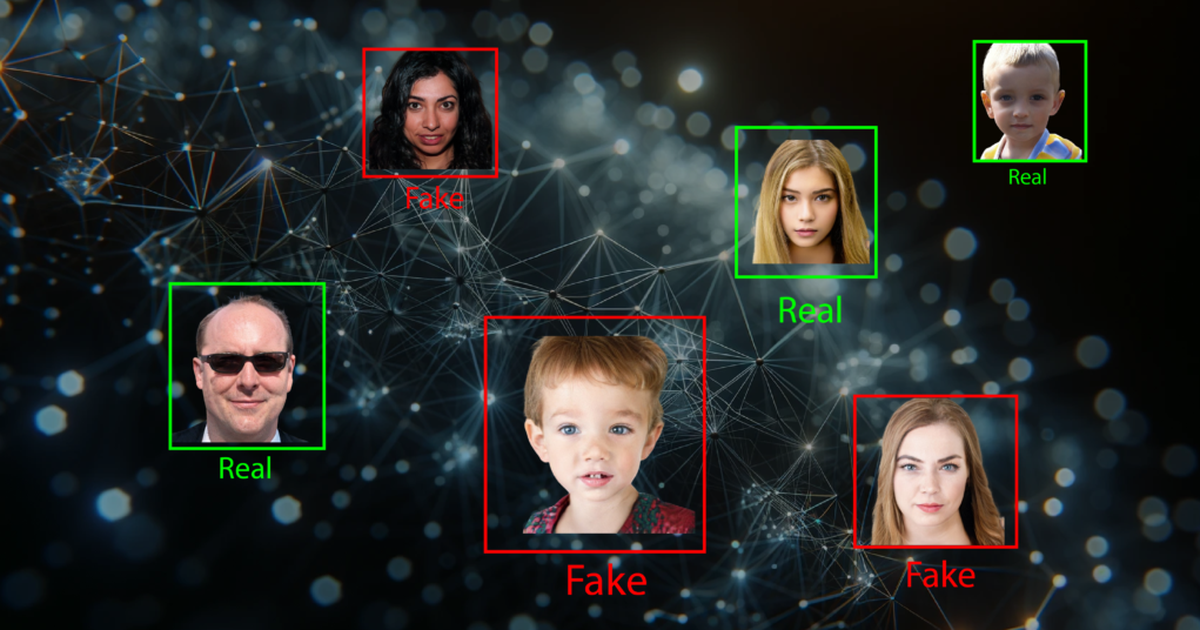
To achieve this level of precision, SARAAB employs a dual-pronged methodology. First, it systematically scans the entirety of a video file to identify facial regions that exhibit signs of digital alterations, such as unnatural blending, lighting inconsistencies, or aberrant pixel patterns around the eyes, mouth, and jawline. Second, the model incorporates thermal-mapping algorithms to highlight areas of the face that have undergone artificial manipulation. By translating subtle digital discrepancies into distinct thermal variances, the AI makes it exceptionally difficult for sophisticated deepfake generation tools to evade detection.
Open-Source Accessibility and Collaborative Development
In a strategic move reflecting a commitment to global cybersecurity collaboration, the Dubai Electronic Security Center has announced plans to deploy SARAAB on Hugging Face, a globally recognized open-source machine learning platform. By hosting the model on this accessible repository, DESC empowers researchers, developers, cybersecurity professionals, and international agencies to examine, modify, and upgrade the AI framework continuously.
This open-source approach recognizes an immutable truth of the modern technological landscape: the arms race between deepfake creators and detection software cannot be won in isolation. Synthetic media generation tools evolve at an exponential pace, driven by open-source communities and illicit actors alike. By releasing SARAAB to the wider developer ecosystem, Dubai aims to crowdsource improvements, accelerate the adaptation of the algorithm against emerging generative techniques, and foster a collaborative global defense network capable of mitigating the societal harms associated with digital forgery.
The Broader Context: The Global Deepfake Epidemic
The unveiling of SARAAB arrives against a backdrop of escalating financial and social damages inflicted by malicious deepfakes worldwide. In recent years, cybercriminals and state-sponsored actors have weaponized synthetic media to execute sophisticated corporate fraud, manipulate stock markets, interfere in democratic elections, and perpetrate identity theft on an unprecedented scale. Financial intelligence reports from 2025 indicated that deepfake-related scams had accounted for hundreds of millions of dollars in losses globally within just the first quarter of the year alone, demonstrating that individuals, corporations, and government institutions are all vulnerable targets.
Public figures, executives, and journalists frequently find their likenesses hijacked to endorse fraudulent investment schemes or propagate geopolitical disinformation. As generative video tools become increasingly democratized—requiring minimal technical expertise to operate—the threshold for producing convincing synthetic media has dropped dramatically. Consequently, the ability to independently verify the authenticity of visual evidence has transitioned from a specialized forensic task to an essential pillar of societal stability and national security.
Milestones at GISEC Global 2026
The debut of SARAAB was a centerpiece of DESC’s comprehensive presentation at GISEC Global 2026, which convened leading cybersecurity experts, policymakers, and industry pioneers from September 16 to 18. The annual exhibition served as an ideal platform to showcase Dubai’s proactive posture in addressing emerging technological threats.
Alongside the deepfake detection model, DESC introduced the Dubai Cybersecurity Skills Framework. This strategic initiative establishes a unified reference system designed to standardize competency levels, professional certifications, specialized training programs, and career progression pathways for cybersecurity practitioners across the emirate. By aligning workforce development with international standards, the framework aims to cultivate a highly skilled domestic talent pool capable of navigating complex digital environments.
Furthermore, DESC unveiled the ISR (Information Security Regulation) Auditor Certification Program. This program equips cybersecurity professionals with standardized methodologies to evaluate and ensure organizational compliance with rigorous information security mandates. Together, these releases underscore a holistic strategy that combines cutting-edge technological innovation with robust regulatory compliance and human capital development.
Strategic Vision and Future Implications
Addressing attendees at the conference, Yousuf Hamad Al Shaibani, Chief Executive Officer of DESC, articulated the overarching philosophy guiding Dubai’s digital security initiatives. He emphasized that the emirate is systematically moving toward an advanced cybersecurity paradigm centered on anticipating disruption, aggressively building domestic capabilities, and transforming contemporary technological challenges into strategic opportunities for growth and innovation.
The introduction of SARAAB exemplifies this forward-thinking philosophy. Rather than reacting passively to the proliferation of synthetic media, Dubai has positioned itself as an active developer of countermeasures that protect the integrity of digital communications. As SARAAB transitions from development to active deployment later this year, its performance will be closely monitored by international cybersecurity agencies seeking scalable solutions to the deepfake dilemma.
Ultimately, the deployment of SARAAB marks a critical milestone in the ongoing battle for digital authenticity. While no technological solution can single-handedly eradicate the threat of malicious deception, tools like SARAAB provide essential verification capabilities that empower institutions, preserve public trust, and establish a new benchmark for governmental leadership in the age of artificial intelligence.