Ensuring Food Safety from Farm to Table: Ho Chi Minh City Pushes for Supply Chain Transparency and Regional Agricultural Integration

The safety of consumer goods—ranging from pesticide-tainted vegetables to banned substances in livestock farming and the persistent circulation of unverified meat—remains a critical public health challenge for major metropolitan areas in Vietnam. Despite ongoing regulatory efforts, municipal authorities in Ho Chi Minh City continue to express deep concern regarding the persistent loopholes in food safety governance. Addressing these vulnerabilities requires a systemic shift that begins long before agricultural products reach urban markets, anchoring oversight directly at the point of origin rather than relying solely on downstream inspections at city gates.
The Persistent Threat of Unsafe Food and Downstream Control Limits
In recent discussions with agricultural and food safety regulators, concerns have been repeatedly raised regarding the structural limitations of inspecting food products exclusively at the final distribution points. Dr. Pham Khanh Phong Lan, Director of the Ho Chi Minh City Food Safety Department, emphasized that relying solely on end-market checks is akin to treating symptoms rather than curing the disease. According to regulatory assessments, if quality control is not strictly enforced at the production zones—such as the major farming hubs in Lam Dong and surrounding livestock provinces—subsequent inspection efforts within Ho Chi Minh City become exceptionally burdensome, inefficient, and largely superficial.
The complexity of safeguarding the food supply chain is further magnified by the sheer volume of agricultural goods consumed daily in a metropolis of over ten million residents. The vast majority of pork, poultry, and vegetables consumed within Ho Chi Minh City originate from external provinces, stretching the monitoring capacity of local authorities thin. Recent veterinary incidents, including the detection and handling of thousands of tons of pork contaminated with growth-promoting agents in neighboring Dong Nai province, underscore the persistent vulnerability of the supply chain. Independent brokers frequently bypass established slaughter and distribution channels to source livestock from various regions to balance profit margins, often circumventing stringent traceability protocols and quality controls.
Strategic Interventions and Regional Inter-Agency Cooperation
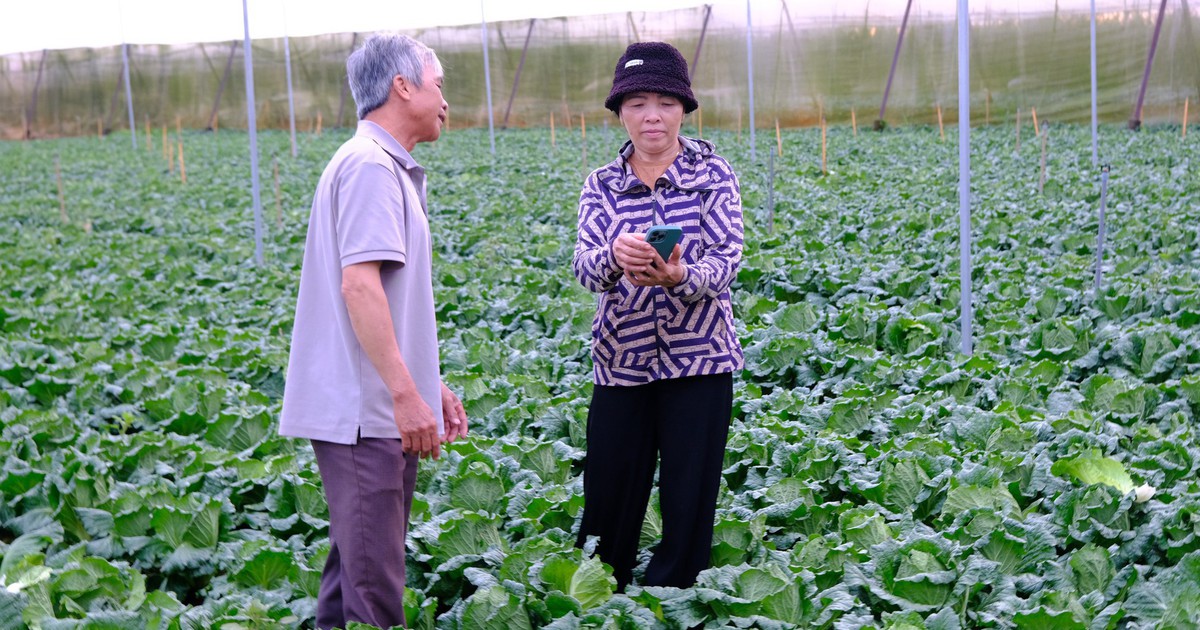
To mitigate these risks, Ho Chi Minh City has rolled out a multi-layered framework aimed at reinforcing food safety governance across provincial borders. A cornerstone of this strategy is the ongoing implementation of the Safe Food Chain initiative, carried out in tandem with the Department of Agriculture and Rural Development across key supplying provinces for the 2026–2030 period. This initiative is designed to synchronize regulatory standards between agricultural production sites and urban consumer markets.
Regulatory bodies have formally urged people’s committees, departments, and local authorities across urban districts and industrial zones to intensify public awareness campaigns. These campaigns actively encourage commercial kitchens, collective dining facilities in industrial parks, export processing zones, and educational institutions to exclusively source ingredients that comply with certified safe food chains. Concurrently, the Department of Animal Health and Veterinary agencies have committed to strengthening inspection protocols at all entry and exit gateways into Ho Chi Minh City. By deploying enhanced screening mechanisms, authorities aim to intercept non-compliant products before they infiltrate wholesale markets, wet markets, and supermarket shelves.
The Evolution of the From Farm to Table Model
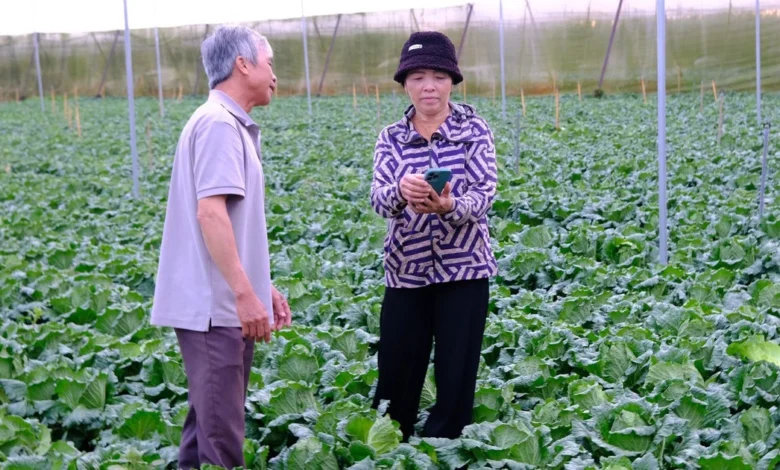
Given the logistical challenges of monitoring thousands of decentralized farms, regulatory agencies are increasingly championing integrated supply models encapsulated by the "From Farm to Table" philosophy. A prominent example of this approach is the long-term partnership between major retail enterprises, such as MM Mega Market, and agricultural cooperatives in Lam Dong province.
This agricultural partnership model shifts the paradigm from reactive enforcement to proactive, standardized production management. Under such frameworks, local farmers receive comprehensive technical guidance, adhere to strict cultivation protocols, and implement standardized quality management systems. In return, participating retail corporations guarantee the absorption of agricultural outputs at stable, fair market prices. For retailers, this guarantees a secure, high-quality, and traceable supply of fresh produce; for farmers, it eliminates market volatility and secures sustainable livelihoods.
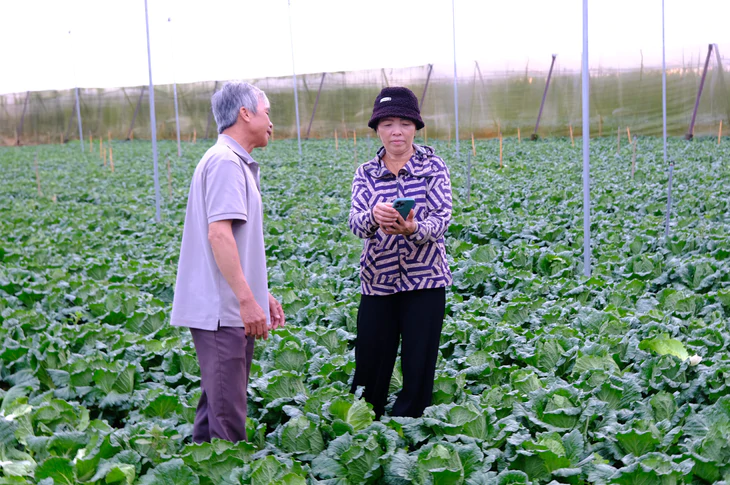
During recent milestones marking two decades of operations in Vietnam, retail leadership outlined strategic projections for the 2026–2030 period aimed at deepening these supply chain integrations. Current operational metrics highlight a mature network involving dozens of primary supply partners and agricultural cooperatives managing hundreds of hectares of dedicated farming zones in the Central Highlands. Thousands of tons of produce are systematically procured, quality-tested, packaged, and labeled with origin-tracking stamps before being dispatched to urban retail networks.
Expanding Scale and Elevating Agricultural Standards
Looking toward the 2030 horizon, major retail distributors have announced aggressive expansion targets to reinforce supply chain resilience. Plans include scaling up annual procurement volumes significantly, expanding the network of contracted farming partners and cooperatives, and nearly doubling the total acreage of dedicated, certified cultivation zones. This strategic expansion is designed to transition traditional farming communities away from fragmented, high-risk practices toward modern, transparent, and sustainable value chains.
Agricultural authorities in Lam Dong province have praised these integrated retail models as exemplary frameworks that other localities can study and replicate. Provincial agricultural departments are actively deploying complementary administrative measures, including the systematic issuance and management of growing area codes, the promotion of mandatory traceability software, and the expansion of production subsidies tied to VietGAP (Vietnamese Good Agricultural Practices) certifications. Furthermore, investments in local post-harvest processing, sorting, and packaging infrastructure are being accelerated to reduce loss rates and elevate the export-readiness and domestic market compliance of regional agricultural products.
Implications for Long-Term Consumer Health and Market Stability
The transition toward fully integrated, transparent agricultural supply chains represents a fundamental maturation of Vietnam’s domestic food economy. As urbanization accelerates and consumer awareness regarding health and safety rises, the tolerance for systemic regulatory failures diminishes. The collaborative synergy between municipal regulatory bodies in consumption hubs like Ho Chi Minh City and agricultural producers in sourcing regions such as Lam Dong establishes a viable blueprint for sustainable food governance.
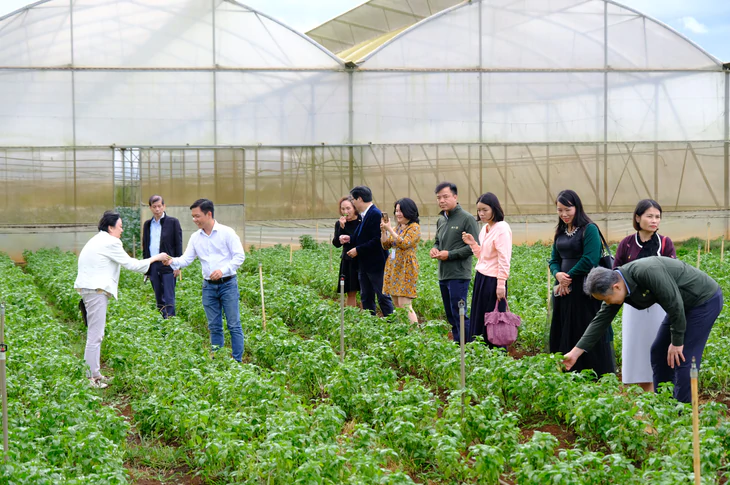
Ultimately, achieving enduring food security requires continuous technological adoption, rigorous legal enforcement against illicit farming and distribution practices, and the institutionalization of direct producer-to-retailer linkages. By bridging the gap between rural production and urban consumption, regulatory agencies and private enterprises are not only safeguarding public health but are also laying a robust foundation for the modernization and international integration of Vietnam’s agricultural sector.