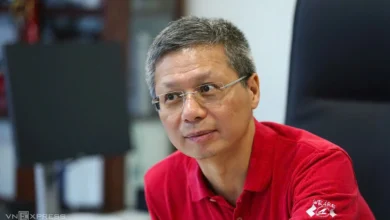
Vietnam Development Bank Convenes Mid-Year Review, Sets Ambitious Goals for 2026 Second Half Amidst Economic Challenges

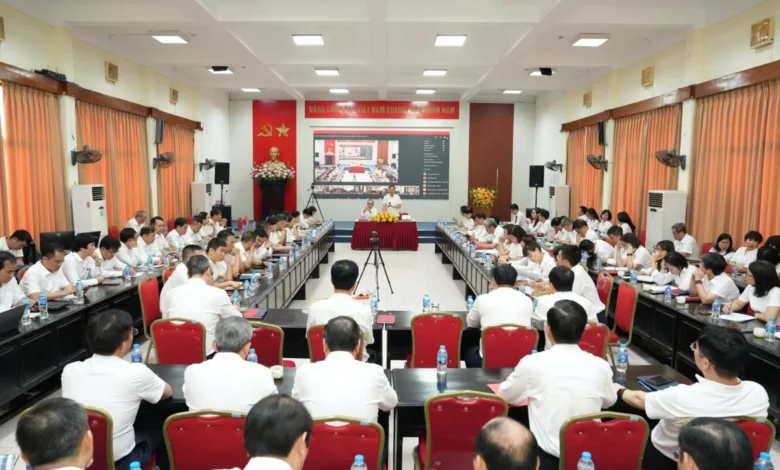
On July 16, 2026, the Vietnam Development Bank (VDB) convened its pivotal mid-year review conference to assess performance over the first six months of the year and to outline strategic directives for the latter half of 2026. The high-level gathering underscored VDB’s critical role in national economic development, particularly in a period marked by both domestic growth ambitions and lingering global uncertainties. The conference served as a crucial platform for leadership to reinforce commitments to the bank’s ongoing restructuring plan and to galvanize efforts across its extensive network.
Distinguished Participants and Strategic Insights
The conference was graced by a distinguished array of attendees, reflecting the importance of VDB’s mission to various national stakeholders. Among the prominent figures was Lieutenant General, Associate Professor, Dr. Vu Cuong Quyet, Director of the Institute for National Defense Strategy of Vietnam. His presence highlighted the intricate nexus between national security, geopolitical stability, and economic resilience, a theme central to Vietnam’s long-term development strategy. Dr. Quyet shared critical insights into the evolving domestic and international defense and security landscape, elucidating their potential impacts on the current economic situation. This macro-level perspective provided VDB leadership and branch managers with a comprehensive understanding of the broader environment in which the bank operates, informing their strategic decision-making.
Also in attendance was Ms. Ngo Lan Phuong, Head of Policy Utilization Department under the Financial Institutions Department of the Ministry of Finance. Her participation underscored the close oversight and strategic alignment between VDB, a state-owned policy bank, and the national financial regulatory body. The Ministry of Finance’s involvement is vital in ensuring VDB’s operations are consistent with national fiscal and monetary policies, particularly regarding public investment and financial stability.
Representing the Vietnam Development Bank were key members of its leadership, including Mr. Le Van Hoan, Secretary of the Party Committee and Chairman of the Board of Directors, and Mr. Dao Quang Truong, Deputy Secretary of the Party Committee and General Director. They were joined by other members of the Party Committee’ Standing Board, the Board of Directors, the Supervisory Board, Deputy General Directors, and heads of various departments and centers at the headquarters. Crucially, directors of VDB’s branches and transaction offices from across the country also participated, emphasizing the unified approach required to implement the bank’s strategies nationwide. The comprehensive representation ensured that policy directives from the central leadership could be effectively communicated and discussed with those on the operational frontlines.
VDB’s Mandate and Background
The Vietnam Development Bank (VDB) is a state-owned development bank established to implement the Vietnamese government’s development investment and export credit policies. Unlike commercial banks, VDB primarily focuses on providing medium and long-term capital for large-scale, strategically important projects that contribute to socio-economic development, infrastructure building, and export promotion. Its activities are crucial for sectors such as energy, transportation, agriculture, industrial zones, and social housing. VDB often operates where commercial banks might be hesitant due to high capital requirements, long gestation periods, or perceived risks, thus acting as a vital catalyst for national growth. The bank’s operations are intrinsically linked to Vietnam’s five-year socio-economic development plans, making its mid-year performance review a significant indicator of progress towards national targets.
Review of First-Half Performance and Key Achievements
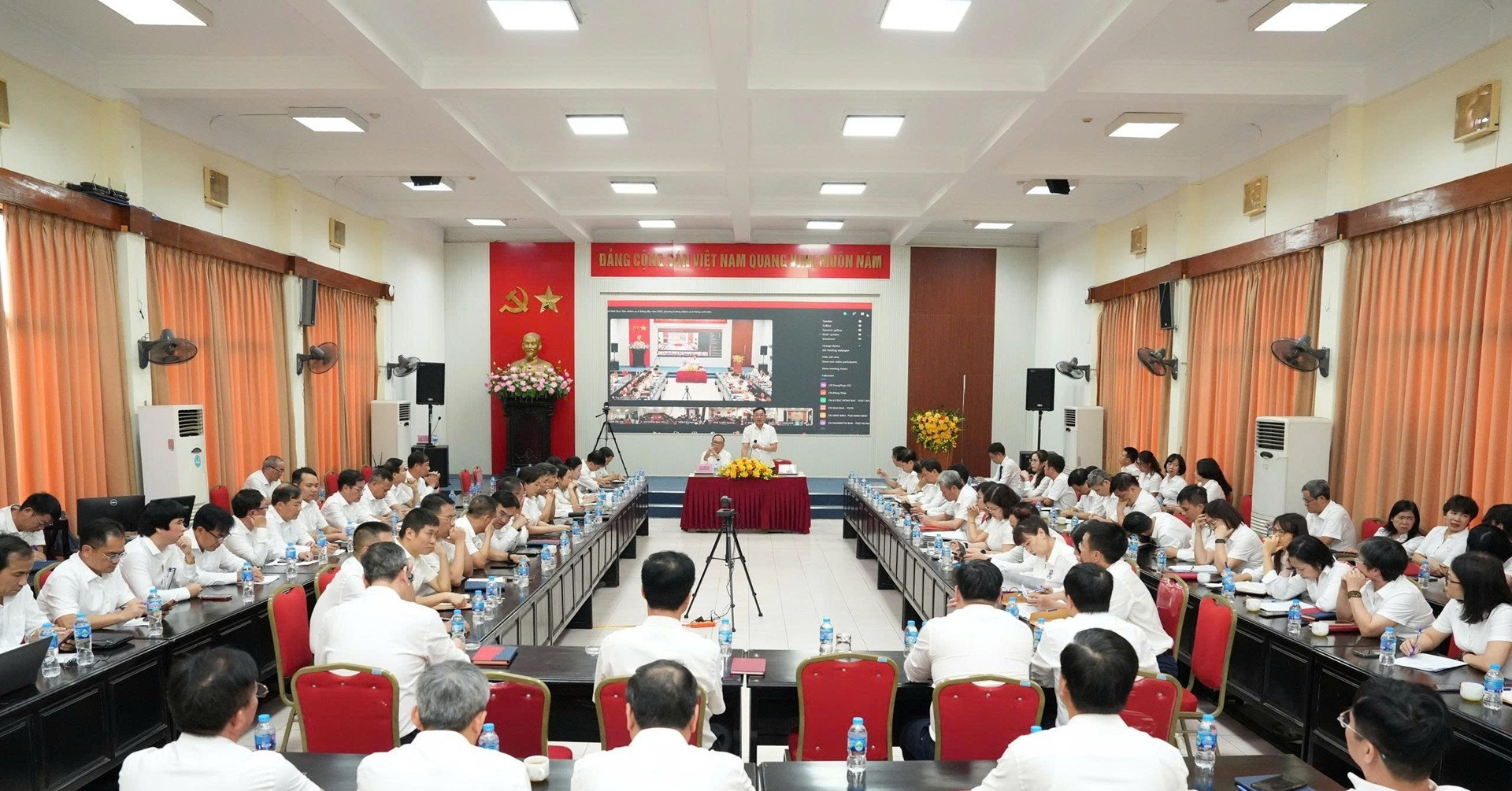
The morning session of the conference featured a detailed report on VDB’s performance during the first six months of 2026. The report outlined the implementation status of various tasks, with a particular focus on debt resolution, non-performing loan (NPL) recovery, and overall credit utilization. The leadership noted that VDB had largely met its key performance indicators, especially those related to business operations under the bank’s comprehensive restructuring plan. This achievement signals significant progress in VDB’s efforts to enhance operational efficiency, strengthen its financial health, and improve its asset quality, which has been a long-standing priority for state-owned enterprises.
The restructuring plan, initiated in previous years, aims to transform VDB into a more robust and sustainable financial institution capable of effectively supporting national development goals. Key components of this plan typically include optimizing the organizational structure, improving risk management frameworks, enhancing human resource capabilities, and modernizing IT infrastructure. The reported success in meeting most business targets, particularly under the restructuring mandate, underscores the dedicated efforts of VDB staff and management in navigating a complex economic environment. This also reflects the government’s continued commitment to reforming its state-owned financial institutions to align with international best practices and to bolster their capacity to contribute to economic stability and growth.
Strategic Directives and Ambitious Targets for H2 2026
Chairman of the Board of Directors, Mr. Le Van Hoan, delivered a keynote address, emphasizing that 2026 is a "decisive year" for VDB. He underscored the imperative for the bank to achieve three critical objectives in the second half of the year:
- Reduce the ratio of non-performing loans (NPLs): This remains a paramount concern for VDB, as high NPLs can hinder lending capacity and financial stability. Aggressive measures for debt resolution and recovery are expected.
- Increase credit growth: As a development bank, VDB must continue to expand its lending activities to support strategic national projects and contribute to economic expansion. This requires identifying viable projects and prudent risk assessment.
- Replenish reserves to offset accumulated losses: Addressing past financial challenges and strengthening the bank’s capital base is crucial for long-term sustainability and resilience against future economic shocks.
Mr. Hoan stressed the need for a fundamental shift in VDB’s operational model, mindset, and governance. He advocated for adopting governance practices akin to commercial banks, particularly in the realm of credit risk management. This move signifies a proactive approach to enhancing prudence and efficiency, moving away from purely policy-driven lending towards a more balanced approach that integrates commercial best practices in risk assessment and mitigation.
Regarding human resources, Chairman Hoan called for the implementation of comprehensive job frameworks and position descriptions. This initiative aims to ensure that employees are compensated based on their actual competence and their ability to meet job requirements, thereby fostering a meritocratic culture and enhancing productivity. This move is consistent with broader public sector reforms in Vietnam focused on improving efficiency and accountability.
Afternoon Discussions: Operational Deep Dive
The afternoon session facilitated in-depth discussions among leaders of various departments, centers at the headquarters, and directors from select branches and transaction offices. These working-level deliberations focused on practical solutions and information sharing concerning key operational challenges. Topics included:
- Managing and utilizing investment credit portfolios: Strategies for optimizing the deployment of development capital.
- Addressing bad debts: Sharing best practices and innovative approaches for NPL resolution and recovery. This would involve discussing legal frameworks, collateral management, and negotiation tactics.
- Organizational structure and personnel management: Discussions on optimizing departmental functions, improving internal communication, and enhancing staff deployment.
- Policy and solutions for credit risk management: Exploring robust frameworks and tools to identify, assess, monitor, and mitigate credit risks effectively, aligning with Chairman Hoan’s directive for commercial bank-like risk management.
- Legal compliance and operational frameworks: Ensuring all activities adhere to regulatory standards and internal policies, thereby minimizing legal and reputational risks.
- Operational models, functions, and unit responsibilities: Clarifying roles and responsibilities across the VDB system to enhance coordination and accountability.
These focused discussions allowed for a granular examination of challenges faced at the branch level and fostered a collaborative environment for developing actionable solutions. The exchange of information and experiences among different units is crucial for ensuring uniform application of policies and for adapting strategies to diverse regional contexts.
General Director’s Concluding Remarks and Future Roadmap
Concluding the conference, General Director Mr. Dao Quang Truong acknowledged the collective efforts of the entire VDB system during the first half of 2026. He recognized that the bank had successfully initiated and implemented various tasks according to plan, achieving commendable results despite prevailing economic headwinds.
Mr. Truong then outlined the core tasks and solutions that require immediate and sustained focus for the remainder of the year. His directives echoed and further elaborated on Chairman Hoan’s strategic vision:
- Human Resources Management: Emphasizing a paradigm shift in thinking and working methods, the General Director reiterated the need to develop job frameworks and position descriptions. This initiative will serve as the foundation for classifying, evaluating, and compensating employees based on their specific job roles, ensuring alignment with individual capabilities and job requirements. This is a critical step towards modernizing VDB’s workforce management and fostering a high-performance culture.
- Information Technology Modernization: Mr. Truong mandated the synchronized deployment of data transmission systems and internet connectivity across the entire VDB network. This push for digital transformation includes developing specialized software for NPL classification and human resource management, which will significantly enhance operational efficiency, data accuracy, and decision-making capabilities. Furthermore, he called for equipping all units with necessary tools and equipment to meet operational demands, ensuring that VDB leverages technology to its fullest potential.
- Credit Activities: The General Director urged a swift acceleration of credit growth while maintaining rigorous risk management. He also directed a review and adjustment of interest rates to ensure they are competitive and aligned with market conditions, facilitating greater access to development capital.
- Capital Mechanisms: To strengthen VDB’s financial foundation, Mr. Truong called for the development of clear regulations for interest rate determination and the refinement of mechanisms for capital allocation, decentralization, and authorization within the lending process for branches and transaction offices. This will empower local units to respond more flexibly to market opportunities while adhering to overall risk parameters.
Mr. Truong concluded by urging the entire VDB system to exert maximum effort to complete all planned tasks in the second half of the year. He emphasized the importance of meeting all targets and objectives outlined in VDB’s comprehensive restructuring plan, reiterating that the successful execution of these strategies is paramount to VDB’s long-term health and its continued contribution to Vietnam’s socio-economic development.
Broader Implications and Outlook
The VDB’s mid-year conference and its forward-looking directives carry significant implications for Vietnam’s economic trajectory. In early 2026, Vietnam’s economy, while showing resilience, continues to navigate complex global dynamics, including supply chain disruptions, inflationary pressures, and geopolitical tensions. Domestically, the government is committed to accelerating public investment, promoting sustainable development, and improving the business environment.
VDB, as a key instrument of state economic policy, is central to these efforts. Its ability to manage NPLs effectively, expand prudent credit, and strengthen its capital base directly impacts the availability of long-term financing for critical infrastructure projects, strategic industries, and social programs. The push towards adopting commercial bank-like risk management practices is a crucial step in modernizing VDB, enhancing its financial prudence, and ensuring the efficient allocation of state resources. This transformation is not merely an internal matter for VDB but a vital component of Vietnam’s broader financial sector reform agenda.
The emphasis on human resources development and IT modernization reflects a recognition that a modern, efficient, and skilled workforce, supported by cutting-edge technology, is indispensable for a financial institution of VDB’s scale and importance. By empowering its branches and decentralizing certain aspects of the lending process, VDB aims to increase agility and responsiveness to local economic needs while maintaining central oversight of strategic objectives.
The successful implementation of the goals set forth at this conference will be critical in bolstering investor confidence, ensuring the stability of Vietnam’s financial system, and driving sustainable economic growth in line with the nation’s ambitious development agenda for the coming years. VDB’s commitment to strengthening its internal capabilities and aligning its operations with national priorities positions it as a resilient pillar in Vietnam’s ongoing economic transformation.
Related posts: