Tinhte Rewards September 2026 Minigame Launches With Exciting Tech Prizes and Asks Users How Often They Upgrade Their Smartphones

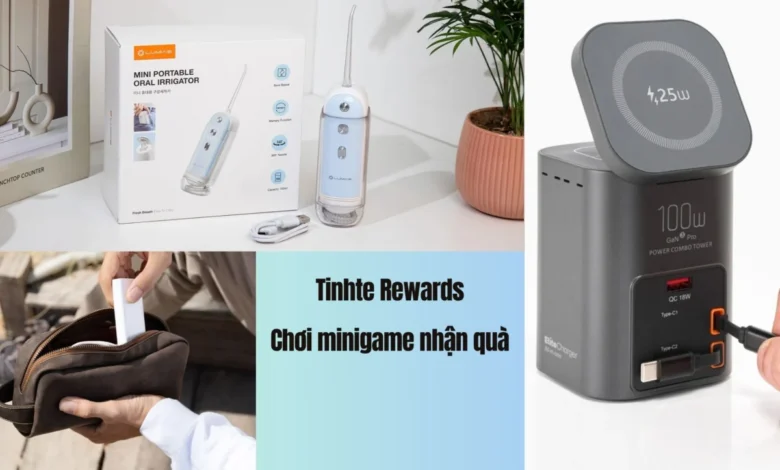
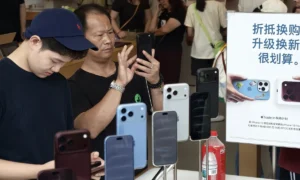
The intersection of consumer electronics, upgrade cycles, and user loyalty has once again taken center stage as Tinhte, one of Southeast Asia’s leading technology and community platforms, officially rolled out its latest interactive community engagement initiative. Titled Tinhte Rewards September 2026, the newly launched minigame invites thousands of active tech enthusiasts to participate in a discussion centered around a deceptively simple yet universally debated question: How often do you think it is necessary to upgrade your smartphone?
As the mobile device market matures and hardware iteration cycles evolve from frantic yearly overhauls to more measured, incremental advancements, this question carries significant weight. To incentivize participation, the platform has curated a selection of appealing prizes, highlighted by three portable LUMIAS LWF-180 Mini oral irrigators, alongside additional lifestyle and tech accessories designed to reward community engagement. The campaign not only serves as a lighthearted contest but also acts as an informal case study into modern consumer behavior, shedding light on how long everyday users hold onto their pocket-sized supercomputers before trading them in for the latest generation.
The Evolution of the Smartphone Upgrade Cycle
To understand the core premise of the Tinhte Rewards September 2026 minigame, one must look at the broader macroeconomic and technological shifts governing the global smartphone market over the past decade. During the explosive growth phase of the smartphone industry throughout the 2010s, consumers routinely updated their devices every 12 to 24 months. Telecommunications carriers heavily subsidized these upgrades through two-year service contracts, and manufacturers introduced groundbreaking hardware leaps—such as the transition from 3G to 4G, massive leaps in camera sensor resolution, and the widespread adoption of high-definition capacitive touchscreens—on an annual basis.
However, by the mid-2020s, that landscape transformed dramatically. Industry analysts and market research firms, including IDC and Counterpoint Research, have documented a steady lengthening of the average smartphone replacement cycle. By 2025 and 2026, the average consumer retention period for a primary smartphone had stretched to approximately 36 to 48 months, with many users holding onto devices for four years or even longer.
This plateauing of upgrade urgency is driven by several compounding factors. First, flagship and even mid-range hardware has reached a plateau of functional maturity. Modern processors are more than capable of handling demanding multitasking, high-frame-rate gaming, and complex artificial intelligence tasks without lagging. Second, the incremental nature of recent annual hardware releases—such as minor bezel reductions, subtle camera bumps, or iterative chipsets—offers fewer compelling reasons for consumers to justify spending upwards of one thousand dollars every year. Finally, rising global inflation and economic pressures have made consumers far more deliberate and pragmatic with their personal technology expenditures.
Engaging the Community Through Interactive Dialogue
Against this backdrop of shifting consumer habits, the Tinhte Rewards campaign leverages gamification to capture real-time sentiment from its user base. By prompting members to drop a comment below the announcement post with a specific timeframe—ranging from a single year to five years or more—the platform generates a living dataset of opinions, personal anecdotes, and financial justifications.
The mechanics of the minigame are straightforward, lowering the barrier to entry while maximizing user participation. Members of the forum are instructed to visit the discussion thread, answer the designated prompt, and adhere to community guidelines. In return, organizers have lined up a prize pool tailored to modern lifestyle preferences. Among the headline items are three LUMIAS LWF-180 Mini water flossers, a popular personal care gadget known for its compact footprint and high-pressure pulse technology. By blending tech-adjacent lifestyle products with core mobile hardware discussions, the campaign successfully bridges the gap between gadget enthusiasts and everyday consumers.

Industry Implications: Sustainability, Right to Repair, and Longevity
While minigames and community giveaways are structured primarily for engagement and entertainment, they tap into much larger industry-wide conversations regarding environmental sustainability and corporate responsibility. The electronic waste (e-waste) crisis remains one of the most pressing challenges facing the consumer technology sector. Discarded smartphones contain precious metals, toxic chemicals, and non-biodegradable polymers that pose long-term ecological risks when not properly recycled.
As consumers increasingly adopt the mindset of holding onto their devices for three to five years, manufacturers have been forced to adapt their product strategies. Companies like Apple, Samsung, and Google have significantly extended their software support lifecycles, offering up to seven years of operating system upgrades and security patches for their flagship lineups. This shift directly addresses a primary historical driver of early upgrades: planned software obsolescence and the cessation of critical security updates.
Furthermore, the global momentum behind the "Right to Repair" movement has empowered consumers to replace aging batteries, cracked screens, and charging ports rather than discarding the entire unit. Independent repair shops and manufacturer-sanctioned self-service repair programs have made device longevity economically viable. Consequently, when community members on platforms like Tinhte discuss whether they should upgrade after two years or five years, they are reflecting a mature market where devices are built—and expected—to last longer.
Broader Context of Digital Community Platforms
Initiatives like Tinhte Rewards highlight the enduring value of dedicated online tech communities in an era dominated by algorithmic social media feeds. While platforms like TikTok, Instagram, and X (formerly Twitter) prioritize short-form, high-velocity content, specialized forums provide a structured environment for nuanced, long-form discussion. Users can share detailed battery health logs, drop comprehensive reviews of aging hardware, and debate the true cost-to-benefit ratio of annual upgrades with peers who share an equal passion for technology.
Community managers and moderators on these platforms utilize engagement campaigns to maintain active dialogue, stimulate organic traffic, and reward loyal contributors. The inclusion of diverse prizes—ranging from audio gear and smart home accessories to personal care electronics like the LUMIAS LWF-180 Mini—ensures broad appeal across different demographics within the user base.
Looking Ahead
As the Tinhte Rewards September 2026 minigame progresses toward its conclusion, the qualitative insights gathered from the comment section will undoubtedly paint a vivid picture of contemporary consumer psychology. Whether the prevailing sentiment favors holding onto devices until hardware failure or refreshing tech stock at every major milestone, the conversation underscores a fundamental truth: the relationship between humans and their personal devices is deeper, more calculated, and more economically nuanced than ever before.
With participants eagerly awaiting the announcement of the lucky winners, the event stands as a successful model of how digital media platforms can combine community interaction, tangible rewards, and meaningful discourse on the future of consumer technology.