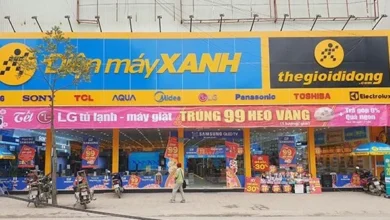
Many retail systems in Vietnam have halted the display of several Chinese smartphone brands following the discovery of distorted map data.


This recent development marks a significant shift in the retail landscape of Vietnam’s consumer electronics sector. Major retail chains across the country have initiated a coordinated withdrawal of demo units and sealed stock from various Chinese smartphone manufacturers, including Xiaomi, Oppo, Vivo, Honor, Huawei, Tecno, Nubia, and Meizu. This precautionary measure was triggered by reports of critical software vulnerabilities that allegedly misrepresent Vietnam’s sovereign territory in the South China Sea, specifically concerning the Paracel and Spratly Islands.
The Trigger: Mapping Discrepancies
The controversy centers on a pre-installed weather and location-tracking application found on several smartphone models distributed through official channels. Users reported that the application displayed inaccurate geopolitical information, failing to correctly identify the sovereignty of the Paracel and Spratly Islands.
In the standard operating environment for smartphones, mapping services—typically integrated with Google Maps—are expected to adhere to internationally recognized administrative boundaries. The presence of inaccurate data within a system application on these devices has led to significant concern among both consumers and retail distributors. Tech forums in Vietnam became hubs for these reports, with users sharing screenshots of the incorrect displays, prompting a rapid investigation by retail chains.
Chronology of Events
The situation escalated rapidly between early November 2026 and the time of the withdrawal order.
- Late October 2026: Tech-savvy users on local forums began flagging inconsistencies in the geographical data displayed by the weather and location services on newly purchased Chinese smartphone models.
- November 1–3, 2026: Retailers began conducting internal audits of their display units (demo machines) and inventory to verify these claims. The internal reviews confirmed that the software interface did not align with Vietnamese official maps.
- November 4, 2026: Major retail chains issued an urgent directive to store managers nationwide. The instruction was to immediately remove all display models of the affected brands from the sales floor and pull all sealed, new-in-box products from the shelves into secure storage.
- November 4, 2026 (Evening): Representatives from various affected smartphone brands began issuing preliminary statements, confirming that they were cooperating with the retailers and working on an urgent software patch to rectify the data inaccuracies.
The Retail Impact and Operational Shift
The decision to pull these products from display is an unprecedented move for major Vietnamese electronics retailers. By removing these devices from the floor, retailers are effectively pausing sales to protect their reputation and ensure compliance with local regulations regarding national sovereignty and information security.
To maintain operational continuity, retailers have begun reallocating floor space to other manufacturers whose devices have not exhibited such software issues. This shift is expected to have a short-term impact on market share distributions, as consumers who previously sought these brands may look toward alternatives while the software issues remain unresolved.
Official Responses and Technical Mitigation
Representatives from the affected smartphone manufacturers have acknowledged the severity of the situation. A spokesperson from one of the major brands stated that the issue is a software configuration error involving third-party data providers.

The technical teams of these companies have confirmed that they have finalized a patch, which will be distributed via Over-the-Air (OTA) updates. This update is designed to correct the display information to reflect accurate geographical and administrative data. Some brands have already begun the process of pushing these updates to devices currently in user hands, while others are working closely with retailers to ensure that inventory in warehouses is updated before it is returned to the sales floor.
Broader Context: A History of Digital Sovereignty Issues
This is not the first time that international companies operating in Vietnam have faced backlash due to the misrepresentation of territorial sovereignty in digital products. Vietnam has maintained a firm stance on ensuring that all products and services operating within its borders comply with its territorial claims.
- The 2019 Customs Incident: The Vietnamese General Department of Customs confiscated several imported vehicles that were found to have GPS systems pre-installed with the "nine-dash line" map, which is considered a violation of Vietnamese law. These vehicles were subsequently seized, and the importers were heavily fined.
- The 2023 Grab Incident: The ride-hailing giant Grab faced scrutiny from Vietnamese authorities after its in-app map service displayed inaccurate information regarding Vietnam’s maritime islands. The company was subject to administrative penalties and was required to rectify its mapping data immediately to continue operating within the country.
- Broader Retail Trends: Beyond mobile phones, international fashion brands and audio-visual product manufacturers have also previously faced penalties for similar infractions. These companies have often been forced to change their data suppliers or pay significant fines to continue their operations in the Vietnamese market.
Economic and Regulatory Implications
The swift action taken by Vietnamese retailers serves as a proactive measure to ensure adherence to national security regulations. In Vietnam, information security and the protection of national sovereignty are considered critical priorities for all foreign-invested enterprises.
From a business perspective, the cost of these errors is high. Not only do the companies face potential administrative fines, but the reputational damage and the loss of shelf space can lead to a long-term erosion of consumer trust. Analysts suggest that this event will likely lead to stricter quality control processes for software localization among international manufacturers entering the Vietnamese market. Companies will need to ensure that their third-party data providers are strictly vetted for compliance with local legal and historical standards before their products hit the shelves.
Looking Ahead
As of the evening of November 4, 2026, at least one major smartphone brand has confirmed that it is in the process of pushing the necessary software updates to its devices. The restoration of normal business operations will depend on how quickly and effectively these patches are implemented across the entire retail network.
For the consumer, this event highlights the growing importance of digital literacy and the role that private companies play in upholding national standards. Retailers in Vietnam have demonstrated that they are willing to prioritize compliance and national sentiment over short-term sales, a move that is likely to resonate with the domestic customer base.
As the market waits for the OTA updates to clear the current inventory, the broader electronics industry will be closely monitoring the situation. For the affected Chinese manufacturers, the coming weeks will be crucial in demonstrating their commitment to correcting these errors and preventing similar incidents in the future. The episode serves as a stark reminder of the complexities of global supply chains and the necessity of localized, accurate digital content in an increasingly interconnected world.