Nordic leaders break long-standing Western taboo with surprise phone calls to President Putin regarding Ukraine conflict

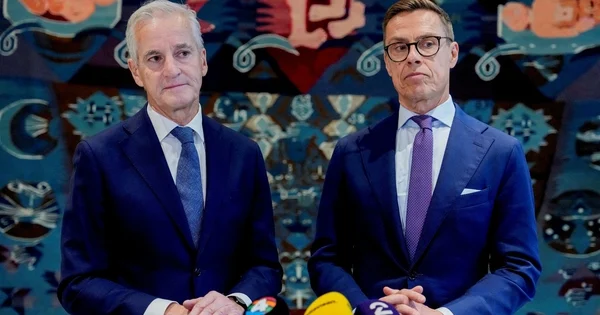
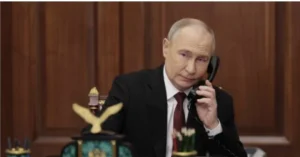
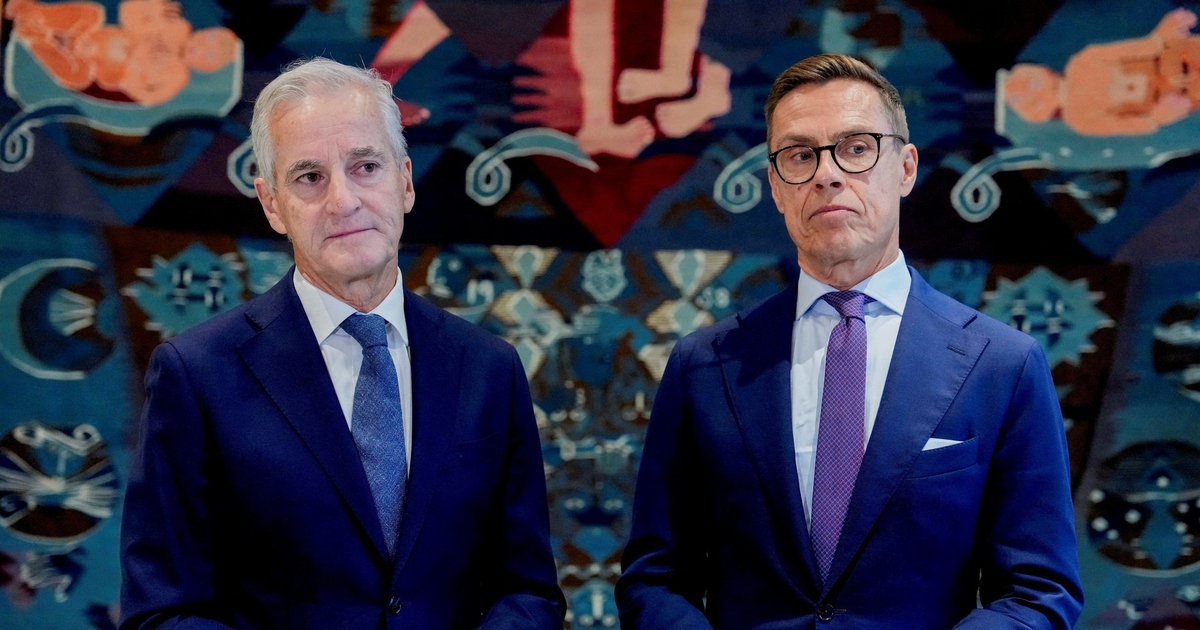
In an unexpected departure from the established diplomatic isolation maintained by most Western nations since the onset of the full-scale invasion of Ukraine in February 2022, the leaders of Finland and Norway have initiated direct high-level communication with Russian President Vladimir Putin. On October 27, 2026, Finnish President Alexander Stubb and Norwegian Prime Minister Jonas Gahr Stoere engaged in separate telephone conversations with the Russian head of state, marking a significant, albeit controversial, shift in the regional diplomatic landscape.
This development, while ostensibly focused on the immediate cessation of hostilities in Ukraine, has sent shockwaves through European diplomatic circles, highlighting a growing tension between the desire for a negotiated settlement and the collective stance of NATO and European Union member states.
A Departure from Established Diplomatic Protocol
For years, the consensus among Western powers—particularly those bordering Russia—has been to maintain a strict "cordon sanitaire" regarding high-level political dialogue with the Kremlin. This isolationist strategy was designed to deny legitimacy to the Russian administration while the conflict in Ukraine continued to escalate. By engaging directly with President Putin, both President Stubb and Prime Minister Stoere have effectively bypassed this unwritten rule.
In a joint statement following the calls, President Stubb described the conversations as "frank and substantive." He emphasized the geographical reality that dictates the Nordic approach, noting, "We are neighbors of Russia. The outcome of this war will have a direct impact on our security and the stability of the European continent. Ending this war requires direct discussions, and as neighbors, we hold a unique responsibility to engage where others might not."
Prime Minister Stoere echoed these sentiments, stressing that the conflict has caused immeasurable human suffering and continues to degrade the regional security architecture. He indicated that his primary objective was to emphasize the urgent need for "de-escalation" and to gauge the current Russian position on a potential ceasefire. Both leaders were careful to clarify that their outreach was conducted in their capacities as representatives of their respective sovereign nations, rather than as formal emissaries of the European Union or NATO.
The Russian Perspective: A Demand for Strategic Concessions
The Kremlin has been quick to frame these interactions through its own narrative. According to reports from the state-run TASS news agency, the Russian side utilized these calls to reiterate that a "stable and long-term peace" is only achievable if Moscow’s core security interests are addressed in full.
The official readout from the Kremlin emphasized that the participants exchanged views on the "resolution of the Ukraine crisis," a term Moscow continues to use to describe the ongoing war. Crucially, the Russian administration utilized the opportunity to criticize the current trajectory of Western foreign policy. The Kremlin stated that the ongoing military and financial support provided by the EU and NATO to Kyiv is directly contributing to the "protracted nature" of the conflict, suggesting that these organizations are prioritizing geopolitical containment over a realistic peace settlement.
Implications for the Kyiv-Moscow Diplomatic Track
While the calls caught many international observers off guard, they appear to be part of a broader, nascent effort to prepare the groundwork for potential trilateral negotiations. Reports emerging from Kyiv indicate that President Volodymyr Zelensky was briefed on the conversations shortly after they concluded.
In a statement released on Telegram, President Zelensky noted that his discussions with the Nordic leaders focused on the logistical and diplomatic preparations for a high-level trilateral negotiation—involving Russia, Ukraine, and potential international mediators—tentatively scheduled for November. The involvement of European powers in these "back-channel" efforts suggests a pivot toward a more proactive, albeit complex, diplomatic strategy.
Contextualizing the Nordic Shift: A Regional Security Imperative
To understand why Finland and Norway—two nations that have been staunch supporters of Ukraine since 2022—would initiate this outreach, one must look at the shifting security climate in Northern Europe.
Since Finland’s accession to NATO in 2023, the border between Russia and the alliance has more than doubled in length. Norway, sharing a strategically sensitive Arctic border with Russia, has also seen a marked increase in military activity in the High North. For these nations, the war in Ukraine is not a distant geopolitical abstraction but a daily reality of military posturing, electronic warfare interference, and the constant threat of miscalculation.
Supporting data regarding the economic impact on these nations is significant. Both countries have faced the burden of hosting thousands of refugees and managing the economic fallout of decoupling from Russian energy markets. The desire to see an end to the conflict is, therefore, tied to domestic political stability as much as it is to regional security.
Internal European Friction
The move has not been without its critics. Danish Prime Minister Mette Frederiksen expressed sharp skepticism regarding the efficacy of these calls. Speaking to the Danish broadcaster DR, she questioned whether such engagement would yield any tangible results, stating, "I do not see any signs that Russia is genuinely seeking a just peace. I believe Europe should remain united in its stance rather than acting unilaterally."

This highlights an emerging rift within the Nordic-Baltic bloc. While the Baltic states—Estonia, Latvia, and Lithuania—have historically advocated for a hard-line approach to Moscow, the Nordic countries appear to be testing the waters for a more pragmatic, if not controversial, approach to crisis management.
Chronology of Recent Diplomatic Activity
- October 2026: Increasing rumors of a diplomatic "thaw" begin to circulate as back-channel communication regarding potential November talks gains momentum.
- October 8, 2026: Prime Minister Stoere and President Stubb hold a joint press conference in Oslo, signaling a unified Nordic stance on regional security, though making no mention of direct talks with the Kremlin at that time.
- October 27, 2026: The surprise telephone calls take place. Both leaders confirm the discussions shortly thereafter, emphasizing the "neighborly" nature of the dialogue.
- Late October 2026 (Ongoing): Diplomatic offices in Kyiv, Brussels, and Washington engage in intense consultation to determine the impact of these calls on the broader coalition’s unity.
Strategic Analysis: What Happens Next?
The decision by Stubb and Stoere to engage directly with Putin is a calculated risk. By doing so, they are testing the Kremlin’s stated willingness to negotiate while simultaneously risking the perception of "breaking ranks" with their Western allies.
The potential implications of these calls are twofold. First, they may provide a "pressure valve" for communication that has been non-existent for nearly four years. Even if the immediate outcome is not a breakthrough, the establishment of a direct line could prevent catastrophic miscalculations during moments of heightened tension.
Second, the move may force a broader debate within the European Union regarding the "endgame" of the conflict. As the war approaches its fifth year, the sustainability of the current military-first policy is being questioned by an increasing number of analysts and policymakers. If the November trilateral talks, as mentioned by President Zelensky, proceed, these phone calls will be viewed as the necessary precursors to a larger diplomatic transition.
However, the risk remains that such engagement could be leveraged by the Kremlin as a sign of Western fatigue or division. President Putin has historically sought to cultivate bilateral relationships to undermine the collective leverage of the EU and NATO. By choosing to speak with individual leaders rather than through established multilateral institutions, the Russian government may be attempting to re-establish a "Great Power" dynamic that favors direct negotiations between heads of state over institutionalized diplomatic processes.
Conclusion
The diplomatic landscape in Northern Europe is undergoing a subtle but profound evolution. The decision by Finland and Norway to engage with the Kremlin represents a pragmatic, if fraught, attempt to navigate the realities of a prolonged conflict that shows few signs of resolution on the battlefield. Whether this initiative serves as a catalyst for a genuine peace process or merely provides a platform for continued stalemate remains to be seen. As the international community looks toward the planned November negotiations, the actions of the Nordic leaders will likely be scrutinized as a bellwether for the future of Western diplomatic strategy in the face of persistent, long-term geopolitical confrontation.
Related posts: