Vietnam Air Force Medical Institute Proposes Comprehensive National Aeromedical Evacuation System to Save Lives in Remote Regions

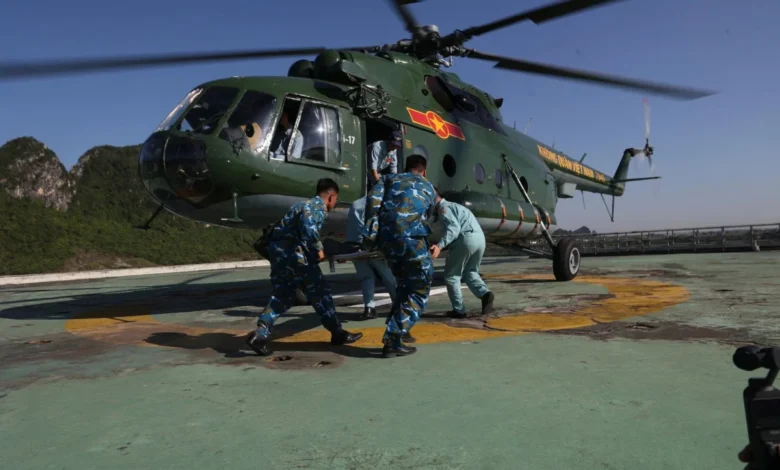
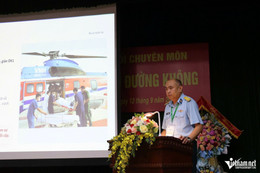
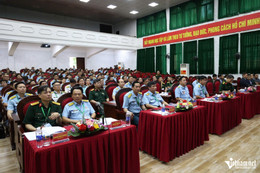
HANOI — In an ambitious strategic push to bridge the healthcare gap for remote communities, islands, and geographically isolated regions, the Air Force Medical Institute under the Air Defense – Air Force of the Vietnam People’s Army has unveiled a comprehensive proposal to build an advanced, standardized national aeromedical evacuation system. The initiative was officially presented during a specialized professional exchange workshop held in Hanoi on September 12, drawing top military medical experts, aviation specialists, and healthcare strategists.
The push for a formalized aerial rescue network addresses a critical geographical and logistical challenge that has historically hindered emergency response times in Vietnam. According to presentations delivered at the conference by Colonel and Doctor Nguyen Hai Dang of the Air Force Medical Institute, Vietnam’s topography presents formidable obstacles to rapid medical intervention. The country features a coastline spanning over 3,260 kilometers, nearly 3,000 large and small islands, and a mainland where approximately three-quarters of the terrain consists of rugged mountains and dense highlands.
The Tyranny of Distance and the "Golden Hour" Crisis
For critically ill patients—particularly those suffering from acute surgical emergencies such as severe traumatic brain injuries, multiple trauma from occupational accidents, acute compartment syndrome, or life-threatening internal medicine crises like acute myocardial infarction and acute stroke—time is quite literally life. In modern emergency medicine, the "golden hour" represents the critical window during which medical intervention drastically reduces mortality and long-term disability.
However, current ground transportation methods in Vietnam’s remote and island sectors frequently require anywhere from 24 to 48 hours to transfer a patient to a specialized tertiary care facility. This stark delay shatters the golden hour framework, resulting in preventable fatalities and severe, permanent complications for patients who cannot reach advanced medical care in time.
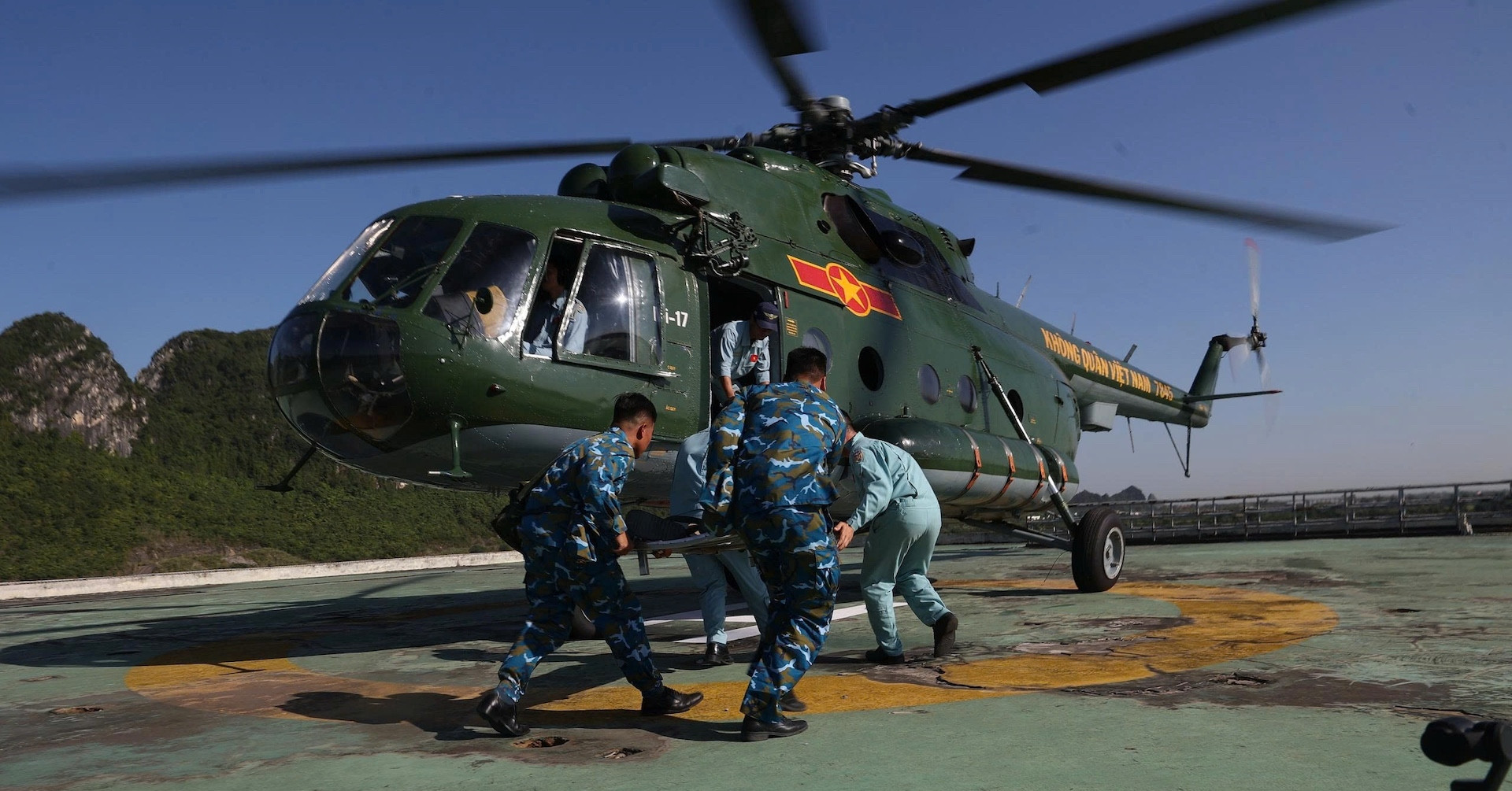
Colonel Dang emphasized that fixed-wing aircraft and military helicopters must transition from auxiliary transport options into dedicated, systematic lifelines for remote populations and frontline defenders. The institute’s blueprint calls for a fundamental shift away from ad-hoc, mission-by-mission military transport flights toward a standardized, nationally synchronized operational network embedded deeply within the country’s public health and defense infrastructure.
A Modernized Fleet and Interconnected Hospital Networks
Under the proposed framework, Vietnam’s aeromedical evacuation capabilities would be fundamentally restructured. The strategic vision includes the acquisition and deployment of specialized medium-range fixed-wing aircraft equipped with integrated intensive care configurations, alongside modern helicopters featuring dedicated life-support systems and secured medical platforms. These specialized airframes must be purpose-built to execute search and rescue operations, emergency medical evacuations, and patient transfers under highly complex meteorological and geographical conditions.
Simultaneously, the ground-level infrastructure must expand in tandem with the aerial fleet. The blueprint dictates that the network of helipads at provincial general hospitals, central-level medical hubs, and strategic high-risk zones must be significantly expanded and upgraded. By developing these landing sites, the healthcare sector can form an uninterrupted chain of reception, transit, and treatment, cutting down overall transfer times and ensuring that patients are delivered seamlessly to the most appropriate medical facility without bureaucratic or logistical friction.
Addressing Physiological Challenges of Flight: The Proposed Simulation Center
Executing medical evacuations in the air is vastly different from providing care on solid ground. Addressing the workshop attendees, Colonel Tran Thai Tung, Deputy Chief of Staff of the Air Defense – Air Force, underscored the unique physiological stressors that altitude imposes on vulnerable human bodies.
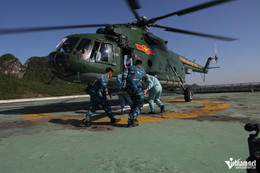
"When performing aeromedical evacuation, patients are exposed to alterations in atmospheric pressure, hypoxia, motion, vibration, and extreme temperature shifts," Colonel Thai Tung noted during his address. "Consequently, medical personnel must undergo rigorous, specialized training tailored specifically to the aviation environment."
To mitigate these challenges and ensure the highest standards of safety and clinical efficacy, the Air Force Medical Institute has proposed the construction of an advanced, purpose-built Aeromedical Evacuation Simulation Center. This state-of-the-art facility would house a fully operational, simulated aircraft cabin capable of replicating the intense auditory noise, mechanical vibrations, dynamic pressure differentials, and low-light environmental conditions characteristic of real-world rescue flights.
The simulation center is envisioned as a premier training ground for flight surgeons, flight nurses, and aviation paramedics, while simultaneously serving as a cross-disciplinary academy for military and civilian medical personnel. By mastering patient stabilization and critical care management within a controlled, simulated aviation environment, personnel will be better prepared to handle high-pressure scenarios safely in the skies.
Collaborative Path Forward and Future Integration
The September 12 workshop served as more than just a conceptual launchpad; it laid the groundwork for institutional partnerships designed to bring the aeromedical framework to life. In the coming phase, the Air Force Medical Institute is slated to deepen its institutional collaboration with premier medical institutions, including the Central Military Hospital 108, Military Hospital 175, various regional military commands, and civilian health authorities.
Through coordinated research initiatives, joint training exercises, and large-scale field simulations, these entities will work to iteratively refine standard operating procedures for aeromedical evacuation. This collaborative approach ensures that the resulting system will not only meet the demanding operational requirements of the military and the Air Defense – Air Force, but also integrate smoothly into Vietnam’s broader national disaster response and public health safety nets.
As climate change intensifies natural disasters and extreme weather events across Southeast Asia, and as industrialization reaches further into Vietnam’s remote frontiers, the establishment of an institutionalized aeromedical network represents a critical leap forward. By bridging the gap between isolated terrain and specialized medicine, Vietnam is systematically laying the groundwork to protect its citizens, secure its maritime sovereignty, and ensure that no geographic barrier stands between a patient in crisis and life-saving medical care.