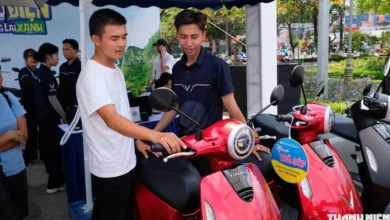
Deputy Prime Minister Emphasizes Freedom of Choice in Green Transition Strategy Rejecting Mandatory Electric Vehicle Mandates

The Government Office recently issued official dispatch No. 11281/VPCP-CN, dated November 5, conveying the explicit directives of Permanent Deputy Prime Minister Pham Gia Tuc regarding the finalization of the Strategy for the Development of Transport Services and the Action Program on Energy Transition and Greenhouse Gas Emission Reduction in Transport. This policy document marks a pivotal moment in Vietnam’s ongoing environmental agenda, striking a balance between ambitious climate commitments and practical socio-economic realities.
According to the dispatch, the Ministry of Construction has been assigned the leading role in coordinating with relevant ministries and agencies to review, absorb feedback, and finalize the draft decisions for both the overarching strategy and the specific action program. The Deputy Prime Minister’s directives explicitly underscore that the transition toward green mobility must be driven by comprehensive, synchronized incentives that empower citizens and enterprises to make voluntary choices, perfectly aligned with their financial capabilities and the existing state of transport infrastructure.
Crucially, the directive establishes that there must be no mandatory regulations—nor any implied mandatory timelines—forcing citizens, vehicle owners, or businesses to completely abandon internal combustion engine vehicles in favor of pure electric vehicles (EVs) or other specific green alternatives, particularly within the domain of personal road motor vehicles. This decisive policy clarification was met with immediate public relief and widespread endorsement across Vietnam, where gasoline-powered motorcycles and cars remain the indispensable backbone of daily commuting and commerce for tens of millions of citizens. While electric two-wheelers and four-wheelers have gained significant visibility in major urban centers, the current national infrastructure and consumer purchasing power are not yet mature enough to support a forced, rapid phase-out of traditional combustion engines.
Background Context and Policy Evolution in Vietnam’s Green Mobility Sector
Vietnam has committed to aggressive international climate targets, notably achieving net-zero carbon emissions by 2050, a pledge initially announced by the Vietnamese government at the 26th United Nations Climate Change Conference (COP26). In pursuit of these environmental benchmarks, various regulatory bodies and urban planners have drafted ambitious master plans to curb urban air pollution, reduce traffic congestion, and curtail greenhouse gas emissions from the transportation sector, which remains one of the largest contributors to national carbon footprints.
However, translating high-level environmental aspirations into practical ground-level policies has continually encountered structural bottlenecks. Initial drafts of green transport roadmaps frequently sparked anxiety among urban populations regarding potential vehicle bans, abrupt taxation changes, and the financial burden of replacing reliable depreciating assets. Recognizing these growing concerns, the government’s latest intervention via the Permanent Deputy Prime Minister’s office serves as a corrective measure, ensuring that regulatory ambition does not outpace economic readiness.
The policy pivot emphasizes that green transformation is a multi-decade socioeconomic evolution rather than an abrupt administrative transition. By explicitly ruling out compulsory mandates, the government aims to foster public trust, encourage market-driven adoption, and allow technological innovations to bridge the gap naturally between environmental stewardship and practical mobility needs.
Consumer Realities: Financial Pressures and Infrastructure Constraints
For the average Vietnamese citizen, purchasing and operating a vehicle involves a complex calculus encompassing initial acquisition costs, daily operational expenses, maintenance networks, daily commuting distances, and charging or refueling infrastructure. While electric vehicles offer undeniable advantages—such as whisper-quiet operations, zero tailpipe emissions, and lower energy costs per kilometer under optimal conditions—the high initial capital expenditure remains a formidable barrier for wage earners and small business owners.
Mr. Nguyen Huu Duong, a daily commuter residing in the Long Bien district of Hanoi, notes that while electric cars and motorbikes present a compelling long-term proposition, the upfront purchase price of new electric models often exceeds the budget of standard working-class families. Furthermore, for individuals who routinely travel long distances, engage in inter-provincial business travel, or require continuous vehicle availability throughout the day without lengthy layovers, charging times and battery range anxieties remain significant deterrents.
"Instead of imposing strict timelines and forcing a complete shift from gasoline engines to electric alternatives under the threat of penalties, the state should utilize economic incentives, tax breaks, and supportive policies while maintaining diverse choices for vehicle owners," Mr. Duong remarked.
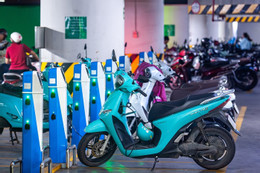
Urban residential dynamics present another profound challenge. Ms. Trinh Huyen Thanh, a resident of Ha Dong, Hanoi, who relies on a traditional gasoline scooter for her daily commute, points out the logistical nightmares associated with EV charging in high-density residential areas. Living in high-rise apartment complexes or multi-family rental housing units means that access to dedicated charging infrastructure is severely limited.
"Charging electric vehicles in apartment complexes is immensely difficult because residential parking structures were not originally designed with high-capacity electrical grids for mass vehicle charging, while public charging infrastructure remains underdeveloped," Ms. Thanh shared. "Green transition policies must advance hand-in-hand with infrastructure development, financial subsidies, and extended adaptation periods. Only when these foundational conditions are guaranteed will citizens voluntarily choose electric vehicles without feeling cornered or penalized."
The Evolving Role of Advanced Internal Combustion Engines and Hybrid Technologies
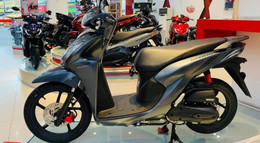
A central theme emerging from the government’s balanced directive is that "green transition" does not automatically equate to the immediate, total eradication of internal combustion engine (ICE) technology. Alongside pure electric vehicles, modern fuel-efficient gasoline models and hybrid electric vehicles (HEVs) equipped with advanced emission-control systems can play a vital, highly pragmatic role in mitigating environmental impact during the interim transitional phase.
Mr. Duong Ngoc Duy, a resident of Thanh Liet, Hanoi, emphasizes that modern internal combustion engines have achieved remarkable milestones in fuel efficiency and emissions reduction. "Many new-generation internal combustion and hybrid vehicles consume minimal fuel and emit a fraction of the pollutants compared to older generations. Policymakers should recognize technological advancements in emission standards as a valid contribution to pollution reduction goals, rather than treating gasoline engines as obsolete obstacles that must be eradicated overnight," he argued.
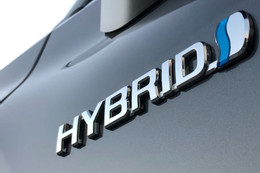
Echoing this perspective, Mr. Huu Viet, an automotive enthusiast from Thanh Xuan, Hanoi, who operates a hybrid passenger vehicle, notes that his car consumes roughly 3 to 4 liters of fuel per 100 kilometers. During urban stop-and-go driving, the vehicle frequently operates exclusively on its electric motor, delivering exceptional fuel economy and minimal tailpipe emissions without requiring external plug-in charging infrastructure.
Industry data confirms that hybrid technology is experiencing explosive growth within the Vietnamese automotive market. According to recent market reports, major global automakers operating in Vietnam—including Toyota, Honda, and Hyundai—have aggressively expanded their hybrid portfolios alongside traditional ICE models and pure electric vehicles. This multi-pathway strategy accommodates consumers who require the extended range and refueling convenience of liquid fuels while capturing the efficiency benefits of electrification.

Market Landscape and Competitive Dynamics in Vietnam
The Vietnamese personal transportation market is undergoing a profound structural transformation characterized by fierce competition across both the automotive and two-wheeler segments.
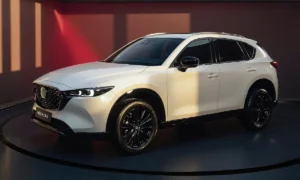
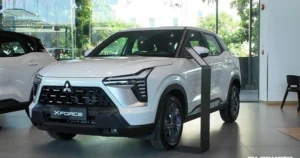
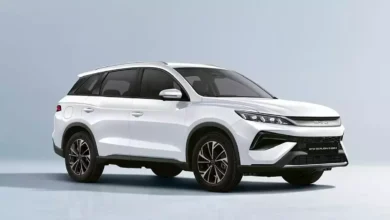
In the passenger car sector, domestic electric vehicle manufacturer VinFast has maintained a formidable market presence since its aggressive market pivot, capturing significant market share and driving national EV adoption. Concurrently, traditional automotive giants such as Toyota, Hyundai, Ford, Mitsubishi, KIA, and Mazda continue to dominate broad market segments by diversifying their offerings to include high-efficiency hybrid powertrains alongside traditional gasoline models. Furthermore, an influx of new international brands—including established European luxury marques like Mercedes-Benz and aggressive new Chinese entrants such as BYD, Geely, Omoda & Jaecoo, and MG—has intensified competition across virtually every price point and vehicle class.
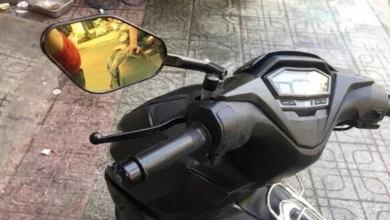
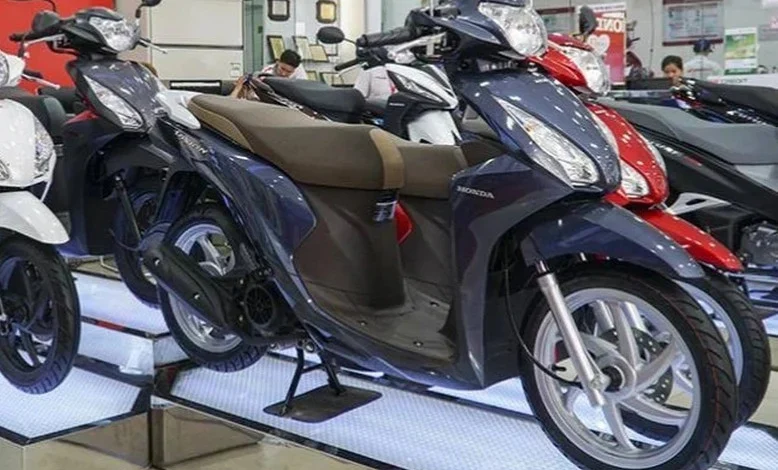
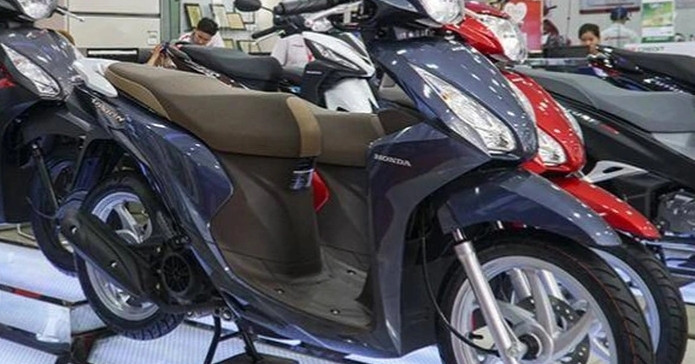
In the two-wheeler sector, which forms the lifeblood of Vietnamese urban mobility, Japanese manufacturer Honda retains an overwhelming market share, registering millions of unit sales annually. Competitors such as Yamaha, Piaggio, Suzuki, and SYM maintain steady footholds in the traditional gasoline scooter segment. Simultaneously, the electric motorcycle market is expanding rapidly, anchored by domestic leaders like VinFast and specialized electric mobility brands such as Yadea, Dat Bike, and Pega. However, the sheer volume of legacy gasoline motorcycles on the road underscores the necessity of a gradual, infrastructure-backed transition.
Fact-Based Analysis of Strategic Implications
The issuance of official dispatch No. 11281/VPCP-CN signals a mature, pragmatic approach to environmental governance by the Vietnamese government. By explicitly rejecting mandatory vehicle replacement quotas, the administration has averted potential socio-economic friction, protecting lower-income consumers and small businesses from disruptive financial shocks.
Urban planning and transport economics experts point out that achieving long-term sustainability in Vietnam’s transport sector requires a holistic, multi-pillar strategy rather than a singular focus on private vehicle electrification. Key elements of this broader framework must include:
- Mass Transit Expansion: Accelerating the development of high-capacity urban public transport networks, including metro lines and dedicated bus rapid transit (BRT) systems, to reduce overall reliance on personal vehicles.
- Infrastructure Modernization: Upgrading the electrical grid capacity and parking facility regulations in high-density residential areas, commercial hubs, and national highway networks to safely accommodate growing volumes of electric vehicles.
- Stricter Emissions Inspections: Implementing rigorous, mandatory periodic emissions testing for older internal combustion vehicles, effectively removing heavily polluting, poorly maintained clunkers from circulation while allowing well-maintained, fuel-efficient ICE and hybrid vehicles to operate.
- Targeted Financial Incentives: Utilizing tax subsidies, preferential registration fees, and green credit lines to make advanced green technologies—such as hybrids and affordable EVs—economically accessible to the broader population.
Ultimately, the government’s directive ensures that Vietnam’s green mobility transition will be built upon a foundation of economic feasibility, technological neutrality, and public consensus. By respecting consumer choice and fostering an environment where multiple green technologies can compete and evolve organically, Vietnam is well-positioned to achieve its net-zero emissions targets without compromising the daily livelihoods of its citizens.