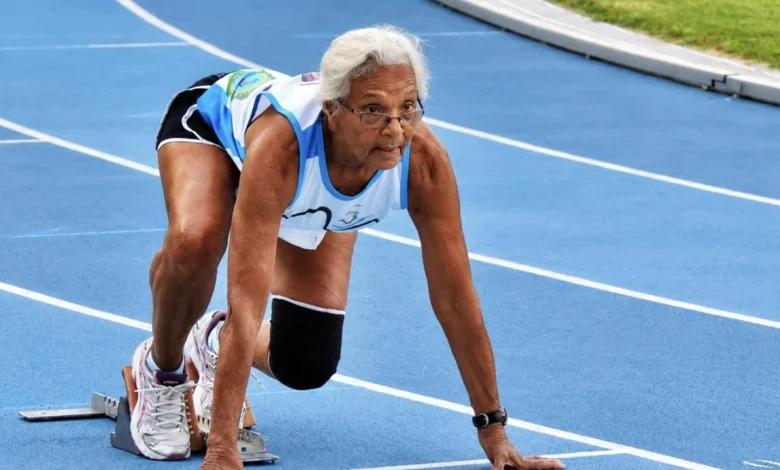
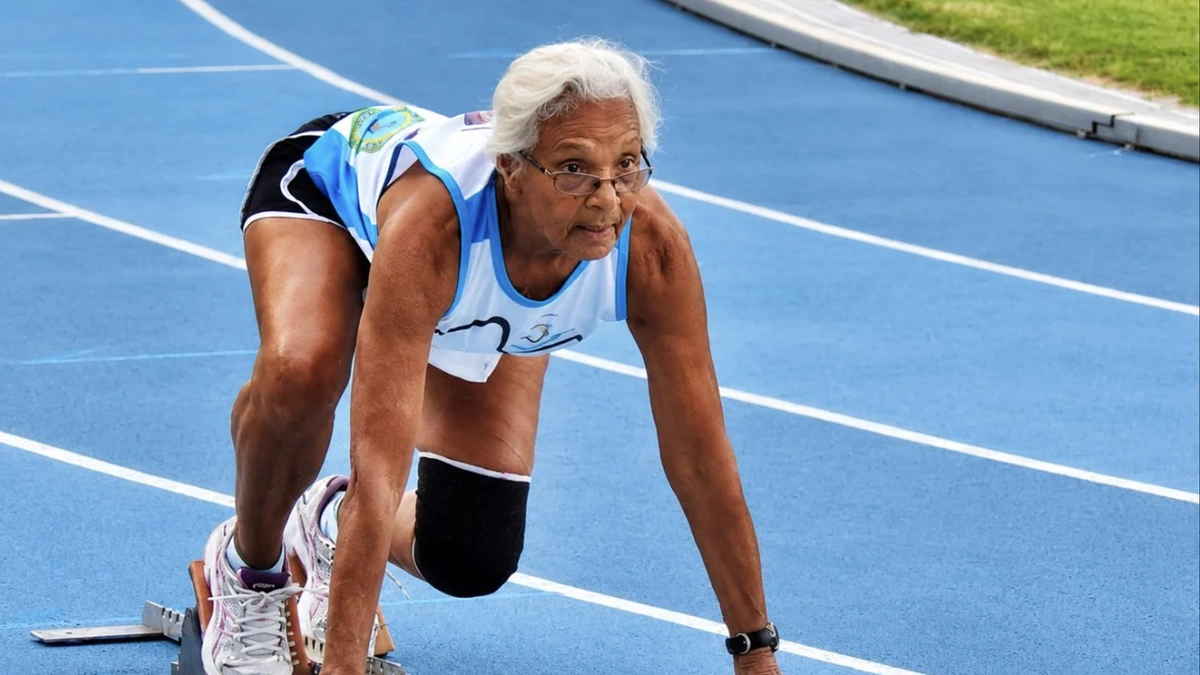
At the age of 91, when most individuals have long since settled into the quiet rhythms of retirement, Alda Rodrigues Lima is busy packing her bags for her next international competition. A resident of Serra, in the Brazilian state of Espírito Santo, Lima has defied both age and chronic health conditions, such as bilateral knee degeneration, to become a prominent figure in the global masters athletics circuit. Her commitment to the sport is so profound that she recently took the radical step of selling her apartment in Laranjeiras to fund her travel expenses for international track and field events.
A Journey That Defies Conventional Wisdom
Lima’s story is not merely one of athletic endurance; it is a narrative of late-blooming ambition. Born in the small town of Queimado to an elderly father and a mother who was 40 at the time of her birth, Lima’s life was defined for decades by hard work and family responsibility. She entered the workforce at 15 in a civil service office, a role she maintained for eight years. Her life path took her through marriage in Vitória and a subsequent relocation to Rio de Janeiro. However, the dissolution of her marriage while she was pregnant with her second child forced her into the role of a single mother. She balanced professional responsibilities at the Retirement Institute and the Brazilian Merchant Marine before transitioning to an administrative role at the Ministry of Health, where she remained until her formal retirement.
It was only after stepping away from her professional career that Lima finally found the time to focus on her personal well-being. She initially enrolled in swimming lessons at a Sesi facility in Rio de Janeiro. However, her life changed course when a friend invited her to participate in a race aimed at raising awareness for breast cancer. That singular experience ignited a passion for running that would eventually lead her to the track.
The Chronology of a Late-Life Athlete
Lima’s transition from a casual runner to a competitive masters athlete occurred well after her 70th birthday. While many athletes retire in their 30s or 40s, Lima found her stride in her eighth decade.
- Post-70: Began competitive road racing, eventually discovering an aptitude for track sprinting.
- Transition to Track: Realizing her speed potential, she shifted focus from road races to formal track and field events, joining the competitive masters circuit.
- International Expansion: Her first international foray took her to Italy, where she competed against top-tier masters athletes.
- Global Circuit: Following her success in Europe, she participated in events across Finland, France, and Australia.
- South American Campaign: She has been a fixture in regional championships throughout South America, including appearances in Chile, Colombia, Peru, Argentina, and Bolivia.
- Current Status: At 91, she remains active, having celebrated her most recent birthday in September 2026, and continues to train despite the physical limitations imposed by osteoarthritis.
The Decision to Sell: A Financial Necessity
The decision to sell her property in Laranjeiras was not made lightly. The catalyst was a post-training conversation with peers who were planning a trip to Italy for a world championship. While her friends discussed logistics, hotel reservations, and training schedules, Lima realized she lacked the necessary financial capital to accompany them.
"I heard them talking and felt sad because I wanted to go but couldn’t," Lima shared in an interview with the local media outlet Folha Vitória. A friend suggested that since she did not plan to return to the apartment, liquidating the asset could provide the necessary funding for her athletic pursuits. Lima acted immediately, contacting her granddaughter to initiate the real estate sale.
The Psychological and Physical Rewards
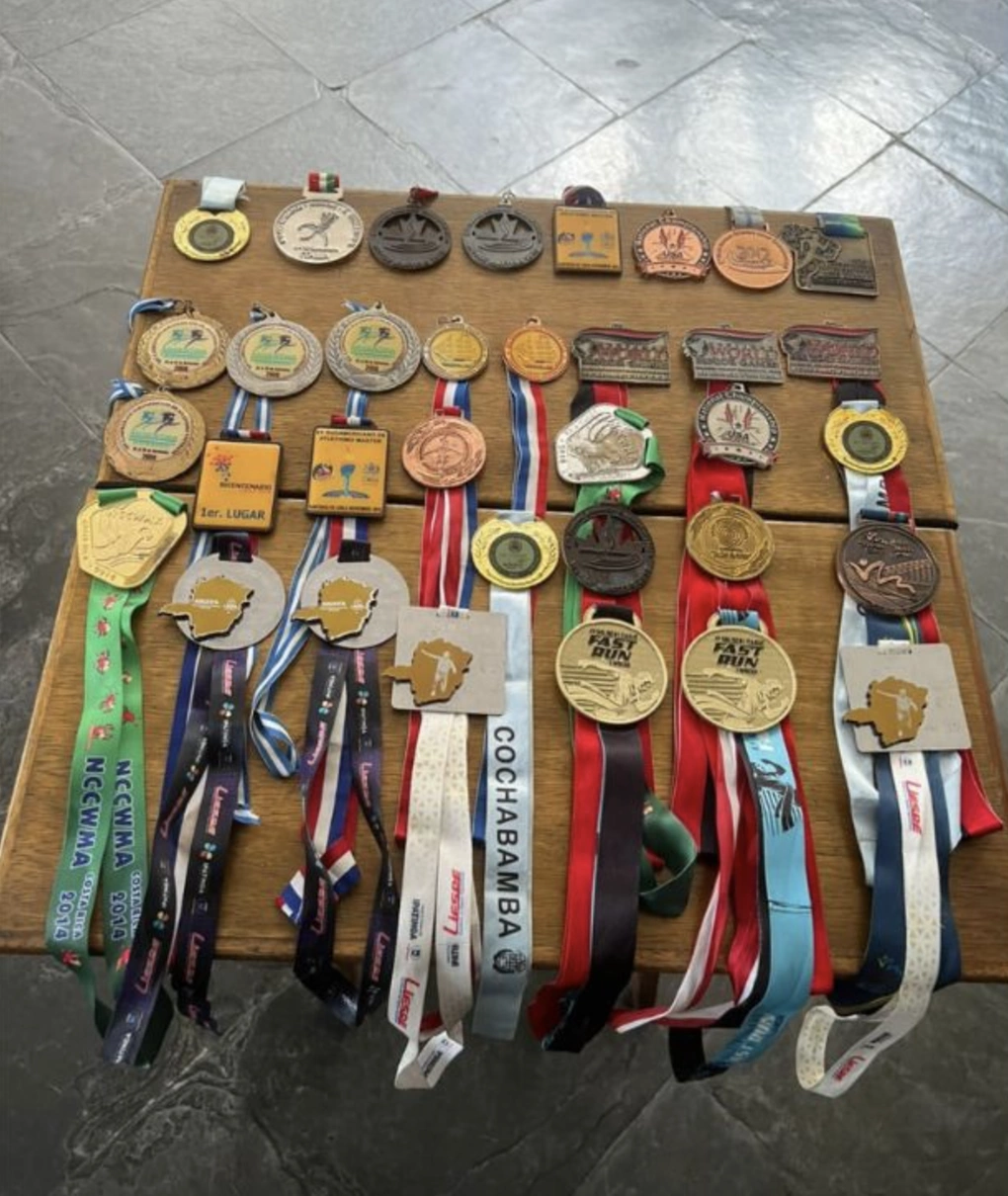
For Lima, the motivation to compete extends far beyond the acquisition of medals. Her collection, which includes gold, silver, and bronze, serves as a testament to her persistence, but it is not the primary reward. She finds the most profound emotional satisfaction in the moments on the podium, watching the Brazilian flag being hoisted and hearing the national anthem. These moments represent the culmination of years of financial sacrifice and physical labor.
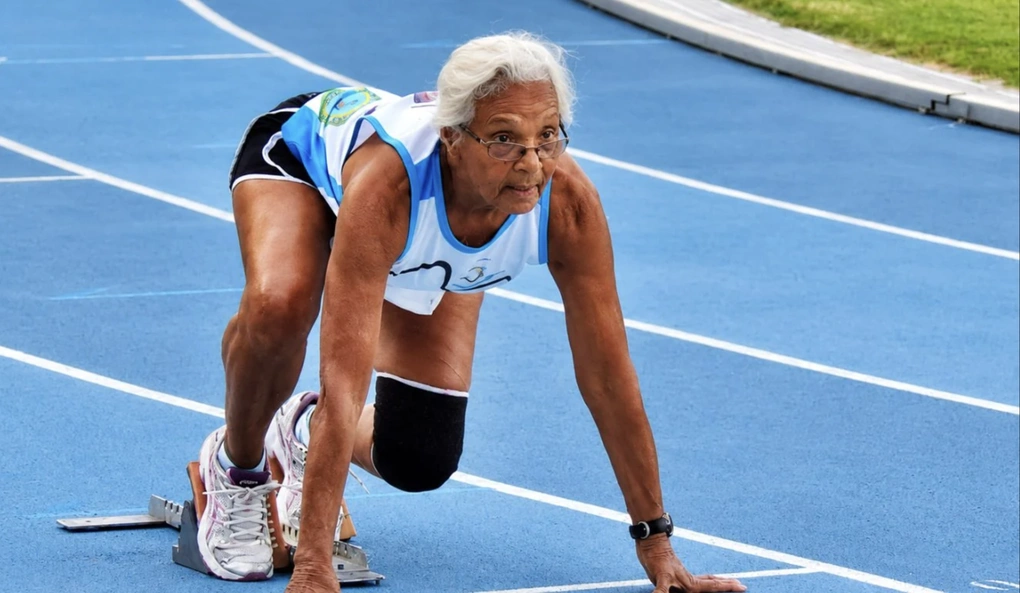
From a physiological standpoint, experts in sports science suggest that such activity in nonagenarians is highly unusual but beneficial. Staying active, even with degenerative joint issues, can help maintain muscle mass, bone density, and cognitive function. However, the intensity of competitive track sprinting places significant stress on the body. Lima acknowledges these challenges, stating that she must manage her physical health with caution, emphasizing the need for professional guidance and appropriate training environments.
Analysis: The Broader Implications for Aging
Lima’s case raises important questions about the accessibility of sports for the elderly. In many countries, elite-level masters athletics remain a self-funded endeavor, often excluding talented individuals who lack independent wealth. Her decision to sacrifice her housing stability to compete highlights a systemic issue regarding how society supports senior athletes.
Furthermore, her story challenges the pervasive cultural narrative that equates aging with decline. Her philosophy is clear: age is not a valid excuse for abandoning one’s passions. She advises other seniors that, while it is crucial to respect physical limitations and seek professional coaching, the pursuit of a healthy, active lifestyle can significantly improve the quality of life in later years.
Official Perspectives and Community Support
The athletic community in Brazil has largely rallied behind Lima, viewing her as an inspirational figure. While there is no official sponsorship from the state, fellow athletes often assist with registration and logistics. The camaraderie she has built within the masters athletics circuit provides a support network that compensates for her limited financial resources. Her story has become a staple in local sports journalism, serving as a reminder of the human spirit’s capacity to pursue excellence at any stage of life.
Conclusion
As Lima looks toward the future, she does not view her age as a terminal point for her athletic career. She continues to train with a focus on speed, despite the medical reality of her condition. By choosing to prioritize her identity as an athlete over the security of property ownership, she has made a profound statement about the value she places on her personal mission. For Alda Rodrigues Lima, the finish line is not a date on a calendar, but a goal that is constantly moving forward. As she continues to travel the globe, she serves as a powerful symbol of longevity, resilience, and the relentless pursuit of dreams that know no expiration date. Her journey remains a testament to the idea that for some, life’s most significant chapter truly begins when most others have already closed their books.