Urban SUV segment intensifies price war as year-end shopping season reaches a fever pitch

The Vietnamese automotive market is currently witnessing a historic surge in competitive pricing as the year-end shopping season approaches its zenith. With manufacturers and dealerships eager to clear inventories and meet ambitious annual sales targets, the urban SUV segment has become the epicenter of a fierce price-reduction campaign. Throughout November, a wide array of domestic and international automotive brands have implemented aggressive promotional strategies, ranging from direct cash discounts and registration fee waivers to subsidized interest rates, aiming to capture the attention of value-conscious consumers.
This intensified competition is not merely a reactive measure to market trends but a strategic imperative. As the calendar heads toward the final quarter of 2026, the race for market share has tightened, forcing brands to leverage every available tool to entice buyers. The current landscape offers a unique window of opportunity for consumers, as the effective purchase price of many popular models has plummeted to levels not seen earlier in the year.
The Dynamics of the 2026 Year-End Sales Surge
The automotive sector in Vietnam typically experiences a cyclical uptick in activity during the final months of the year, driven by the Lunar New Year anticipation and the psychological drive to complete major purchases before the new calendar cycle begins. In 2026, however, this phenomenon has been amplified by an influx of new models and the entry of aggressive Chinese brands, which have disrupted the traditional pricing hierarchy.
Industry analysts observe that while promotional packages vary significantly between manufacturers, the core focus remains on immediate financial relief. By targeting registration fees—a significant upfront cost for new vehicle owners—brands are successfully lowering the barrier to entry for first-time buyers and those looking to upgrade their transportation.
Breakdown of Key Promotional Strategies
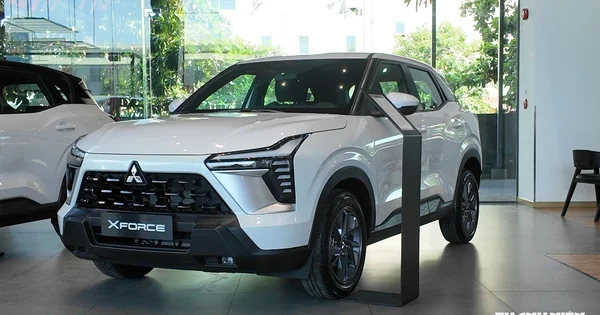
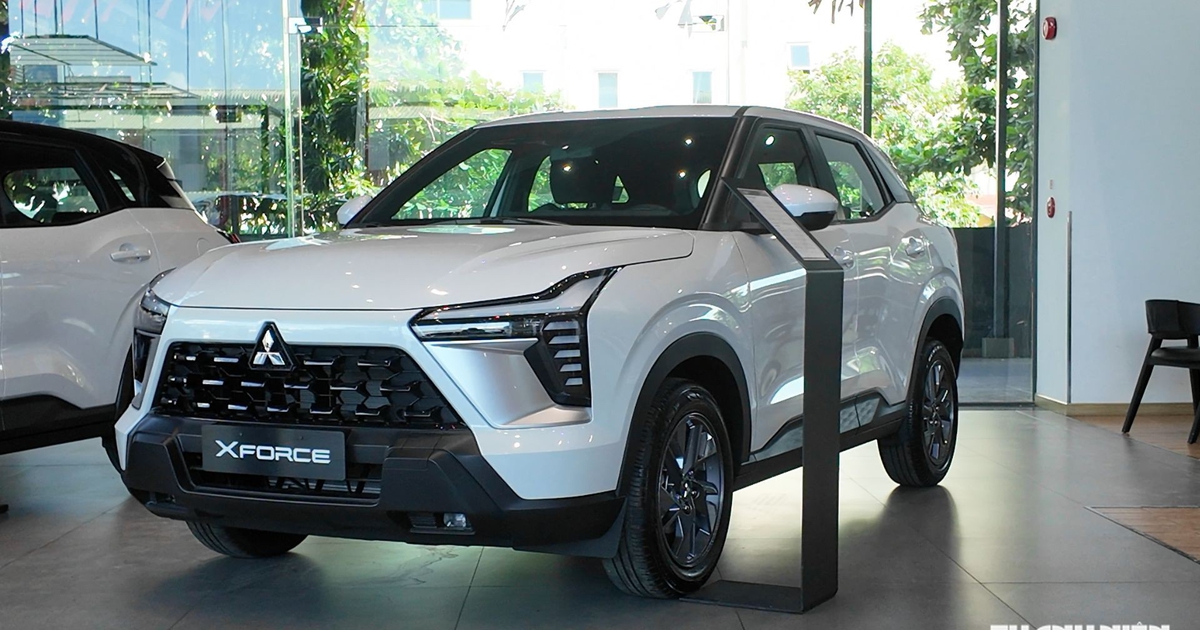
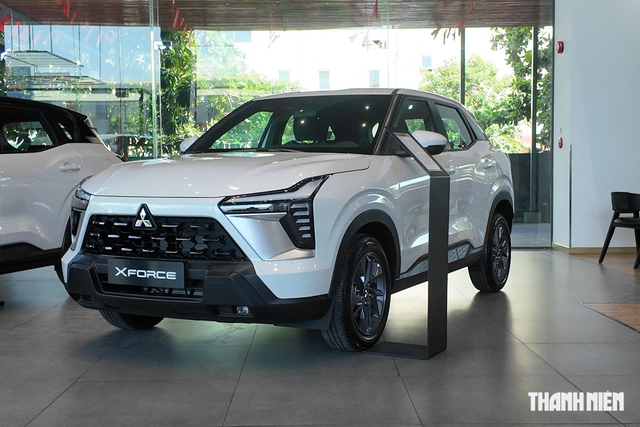
Leading the charge in this segment is the Mitsubishi Xforce, which has become a focal point of the current discounting cycle. By offering support equivalent to 100% of the registration fee, the manufacturer has effectively reduced the purchase price of the vehicle by 60 to 72 million VND depending on the trim level. When these incentives are applied, the entry-level price for the Xforce drops significantly, making it one of the most competitive options in the sub-600 million VND category.
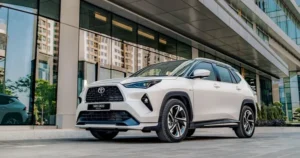
Toyota, a traditional market leader, has maintained a robust defensive posture. The Yaris Cross, which currently stands as one of the best-selling urban SUVs in the country, has been bolstered by a 50-million VND support package for internal combustion variants and a 74-million VND incentive for the hybrid version. This dual-pronged approach reflects Toyota’s commitment to retaining its market dominance while pushing its eco-friendly hybrid technology to a broader audience.
Honda, meanwhile, has taken a comprehensive approach with the HR-V. By combining direct registration fee waivers with favorable financing interest rates, the total value of the incentive package for some variants has reached as high as 113 million VND. This strategic move is clearly designed to appeal to buyers who prioritize long-term financing stability alongside upfront savings.
The Rise of New Entrants and Price Disruption
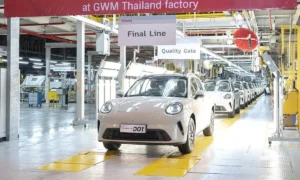
Perhaps the most significant development in late 2026 is the role of Chinese automotive brands in recalibrating market expectations. Manufacturers such as Omoda, Geely, and Jaecoo have utilized aggressive pricing to establish a foothold in a market historically dominated by Japanese and Korean manufacturers.
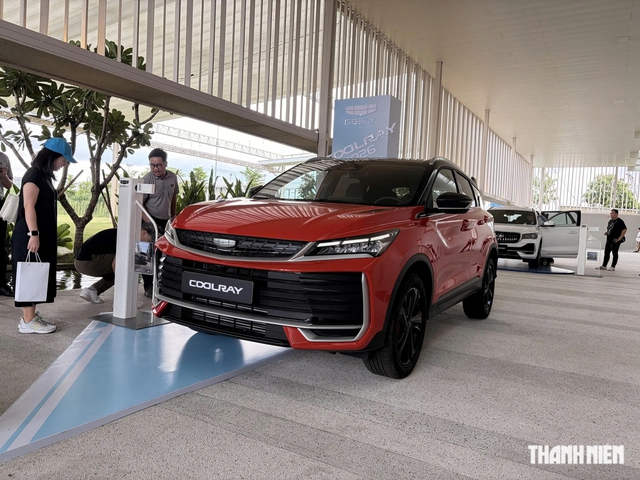
The Omoda C5, for instance, is now benefiting from registration fee support totaling nearly 70 million VND, which brings the final price of the Luxury trim to approximately 459 million VND. Similarly, the Geely Coolray has seen its starting price slashed to 469 million VND, representing a 30-million VND reduction from its initial list price. These figures are compelling for consumers who previously might have been restricted to smaller or less feature-rich vehicles within the same budget.
Jaecoo has followed suit with the J5 Premium, offering support equivalent to 76 million VND for gasoline models and between 40 and 50 million VND for hybrid variants. This pricing strategy effectively places these models at the lower end of the urban SUV price spectrum, putting intense pressure on established players to defend their territory.
Cross-Segment Pressure and Market Implications
The battle for the consumer’s wallet is not confined solely to the urban SUV category. A noteworthy trend is the spillover effect from the C-segment crossover market. For example, the Mazda CX-5 (Deluxe version), which carries a list price of 699 million VND, is currently being supported with a 100% registration fee reduction. This aggressive pricing brings a larger, more powerful vehicle within a range that overlaps with the top-tier prices of some urban SUVs.
For the average consumer, this market saturation presents both a challenge and a boon. The choice is no longer just about brand loyalty but about a careful calculation of features, ownership costs, and total value. Industry experts suggest that this environment of "hyper-competition" is likely to continue through the end of the year, as manufacturers attempt to balance inventory levels against the need for revenue growth.
A Chronology of Competitive Pricing (2026)
- Q1–Q2 2026: Market stability characterized by standard promotions and moderate growth. Initial concerns regarding supply chain constraints and economic headwinds kept prices firm.
- Q3 2026: The arrival of new competitive models from Chinese manufacturers prompted the first wave of significant price corrections. Established brands began to adjust their marketing budgets to counter the threat of market share loss.
- November 2026: The current peak of the year-end sales drive. Brands have shifted from incremental discounts to major, bundled incentive packages that include registration, insurance, and financing subsidies.
- Projected December 2026: Analysts expect a final push in mid-December to clear remaining 2026-manufactured inventory before the arrival of 2027 models, potentially leading to a final, limited-time clearance phase.
Strategic Analysis: The Future of Urban SUV Pricing
The current price war is indicative of a broader shift in the Vietnamese automotive industry. As the market matures, consumers are becoming more sophisticated, demanding greater value in terms of technology, safety features, and fuel efficiency. Manufacturers are finding that simply holding a high MSRP is no longer a viable strategy in a segment crowded with diverse offerings.
The implication for the industry is clear: sustained growth will rely on the ability to provide premium features at an accessible price point. While the current cycle of discounting is designed to stimulate immediate demand, it also establishes a new baseline for what consumers expect in terms of value. Long-term profitability will likely depend on cost-efficiency in manufacturing and the strength of local dealer networks to provide comprehensive after-sales support.
Conclusion: Navigating the Market as a Buyer
For potential buyers, the present landscape is highly favorable. The combination of fierce competition and the year-end urgency of manufacturers has created a buyer’s market. However, industry insiders advise consumers to look beyond the headline price cuts. When evaluating options, buyers should consider:
- Total Cost of Ownership: Including maintenance, spare parts availability, and fuel efficiency.
- After-Sales Support: The strength and density of the service network for new and emerging brands.
- Resale Value: How current discounting might affect the future depreciation of the vehicle.
- Financing Terms: Ensuring that interest rate subsidies are transparent and free of hidden conditions.
As 2026 draws to a close, the urban SUV segment remains a vibrant, albeit crowded, space. The winners of this year-end battle will not only be those who capture the highest sales volume but those who can successfully translate these aggressive promotions into long-term customer satisfaction and brand loyalty. Whether the price war will persist into early 2027 remains to be seen, but for now, the Vietnamese car buyer is the clear beneficiary of this unprecedented market rivalry.